African American baseball history is a profound narrative of resilience, excellence, and the fight for civil rights, spanning from the post-Civil War era to the modern day. It encompasses the rise of the independent Negro Leagues, the pivotal 1947 integration of Major League Baseball by Jackie Robinson, and the recent formal recognition of Negro League statistics as Major League records.
The 19th Century: Early Participation and the "Gentleman's Agreement"
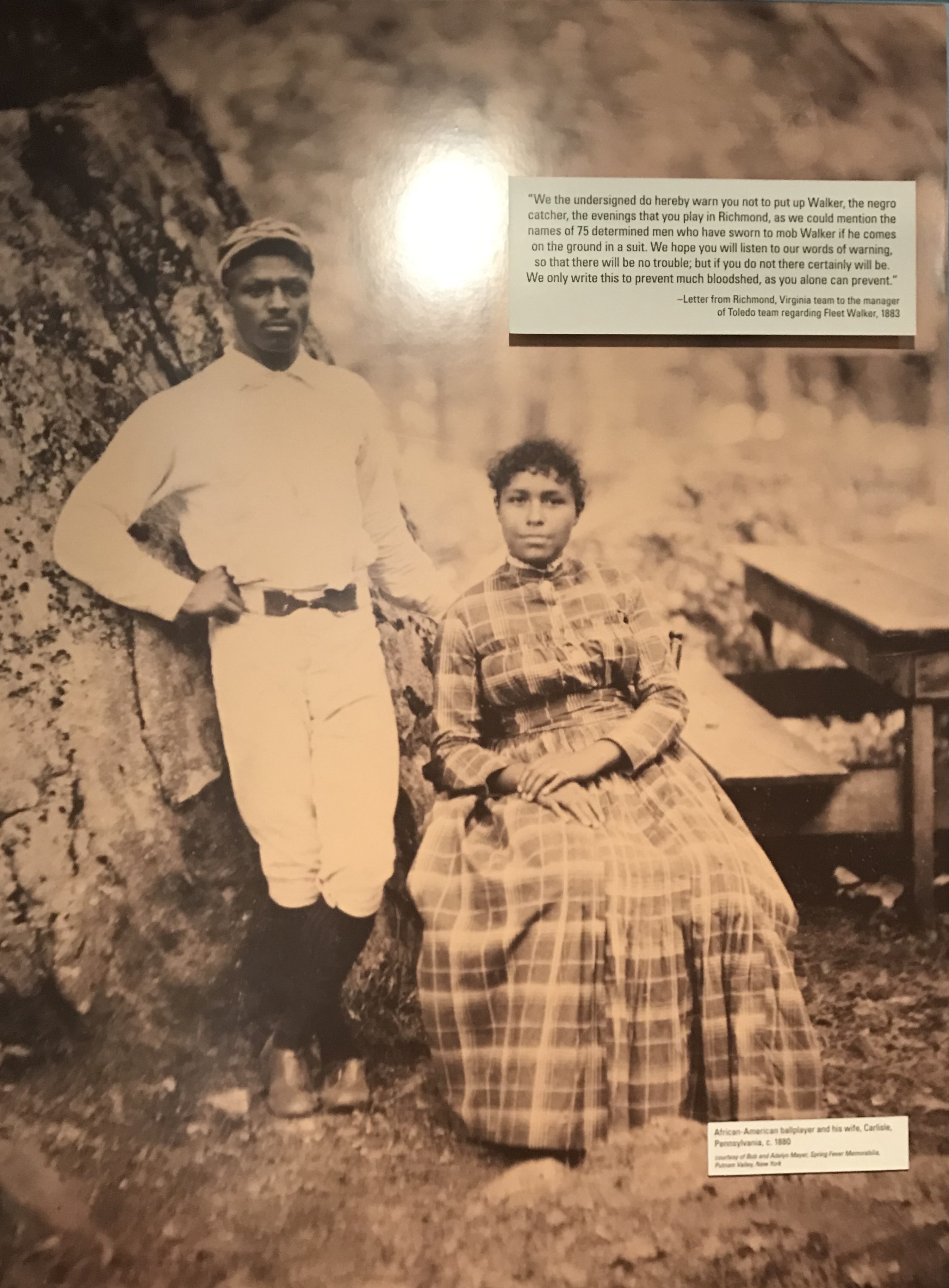
The history of Black Americans in baseball began much earlier than many realize. In the mid-19th century, as baseball evolved into a professional sport, Black players were part of the landscape. In the 1860s and 70s, amateur Black teams like the Pythians of Philadelphia sought to join established leagues but were often rebuffed. Despite this, a handful of players broke through the racial barrier in the 1880s.
Moses Fleetwood Walker and his brother Weldy Walker played for the Toledo Blue Stockings of the American Association in 1884. At that time, the American Association was considered a major league, making Moses Fleetwood Walker technically the first Black player in the majors—predating Jackie Robinson by 63 years. However, this period of inclusion was short-lived.
By 1887, white players and owners began to push back against integration. Led by figures like Cap Anson, a star player of the era, a "Gentleman’s Agreement" was established. This was not a written rule in the official rulebooks, but an unwritten pact among team owners to never sign a Black player. This systemic exclusion remained the status quo for the next six decades, forcing Black athletes to create their own professional infrastructures.
The Rise of the Negro Leagues (1920–1948)
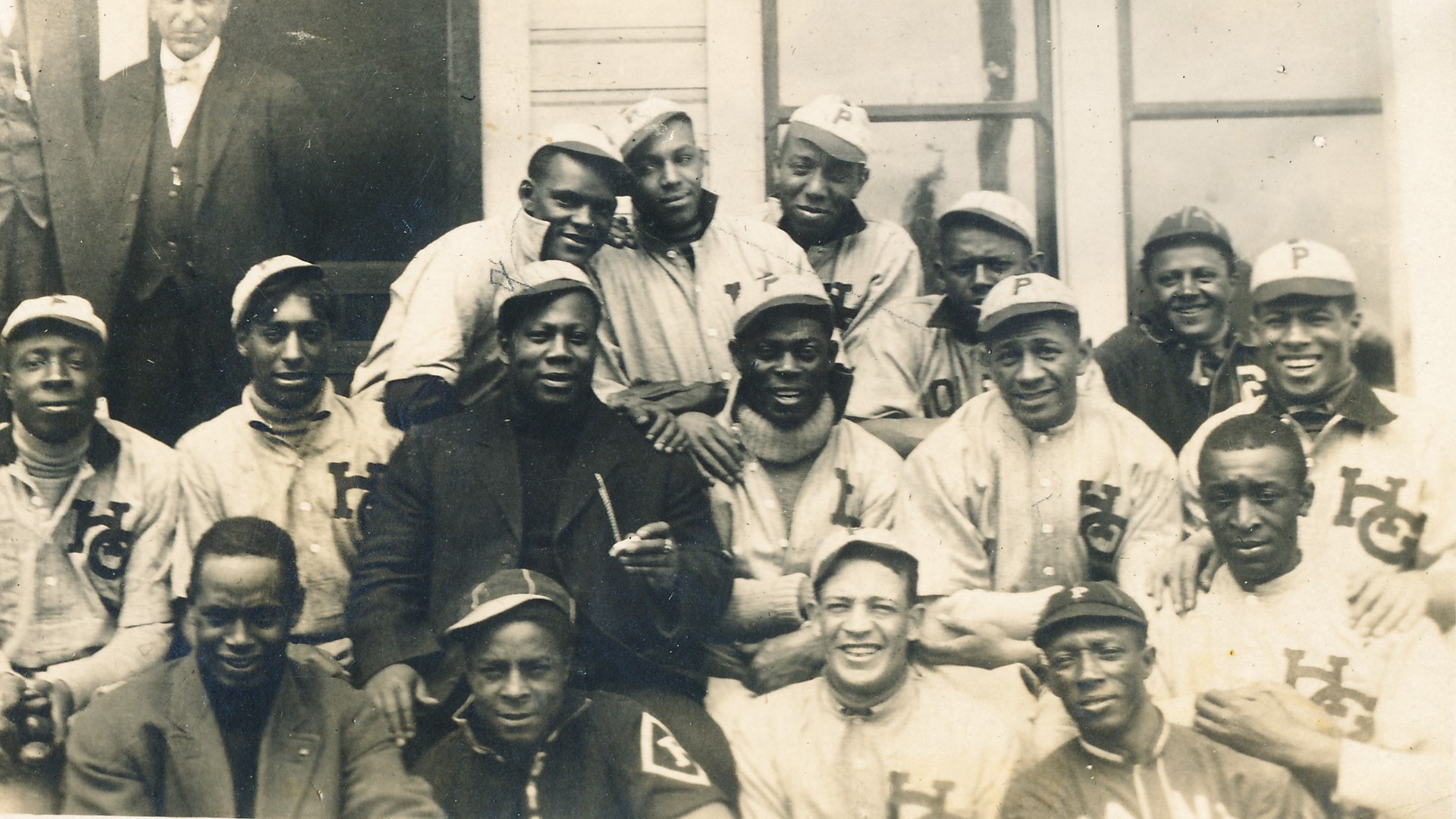
In response to the "Gentleman's Agreement," African American players organized their own "barnstorming" teams that traveled across the country to play anyone who would face them. However, these teams lacked the stability of an organized league until Andrew "Rube" Foster took action.
In 1920, Foster, a former star pitcher and owner of the Chicago American Giants, convened a meeting of team owners in Kansas City. This meeting led to the formation of the Negro National League (NNL). Foster’s goal was to create a league that was "independent" and "self-reliant," ensuring that Black owners and players could control their own economic destiny.
Following the NNL’s success, several other leagues emerged, including the Eastern Colored League and the Negro American League. These organizations became pillars of the Black community, especially in urban centers. During a time when Jim Crow laws enforced segregation in every aspect of life, Negro League games were social hubs, often attracting crowds that rivaled those of the white Major Leagues.
Legendary Teams and the "World Series"
The Negro Leagues featured some of the most storied franchises in sports history. The Kansas City Monarchs, the Homestead Grays, and the Pittsburgh Crawfords were known for their high level of play and innovative strategies. The Monarchs, for instance, were the first professional team to use portable lights for night games, years before the Major Leagues adopted the practice.
From 1924 to 1927, and again from 1942 to 1948, the winners of the Negro National League and the Negro American League met in the Negro World Series. These games were high-stakes events that showcased the depth of talent within the segregated system, proving to anyone watching that the quality of play was equal—if not superior—to that of the all-white leagues.
| Decade | Key Milestone | Significance |
|---|---|---|
| 1884 | Moses Fleetwood Walker debuts | First Black player in the American Association (Major League). |
| 1887 | The "Gentleman's Agreement" | Formalizes the racial ban in professional baseball. |
| 1920 | NNL is founded | Rube Foster establishes the first successful organized Black league. |
| 1945 | Branch Rickey signs Robinson | The Brooklyn Dodgers begin the process of integration. |
| 1947 | Jackie Robinson's Debut | The color barrier in modern Major League Baseball is broken. |
| 1959 | Boston Red Sox Integrate | The final MLB team to include a Black player (Pumpsie Green). |
| 2024 | Statistical Integration | MLB officially incorporates Negro League records into its history. |
Icons of the Segregated Era
Because of the color barrier, many of the greatest players in baseball history never played a single game in the integrated Major Leagues. Their legacies were built on the diamonds of the Negro Leagues, and their stories were passed down through oral tradition and Black newspapers like the Pittsburgh Courier.
- Josh Gibson: Often called the "Black Babe Ruth," Gibson was a catcher for the Homestead Grays and Pittsburgh Crawfords. He was a prolific power hitter with a career batting average near .370. Legends suggest he hit nearly 800 home runs during his career in various leagues and barnstorming tours.
- Satchel Paige: A charismatic and dominant pitcher, Paige was the biggest draw in the Negro Leagues. He was known for his incredible longevity and his repertoire of unique pitches, like the "hesitation pitch." He eventually played in the Major Leagues, debuting for the Cleveland Indians in 1948 at the age of 42.
- James "Cool Papa" Bell: Widely considered the fastest man to ever play the game, Bell was a center fielder who could allegedly "turn off the light and be in bed before the room got dark." His speed revolutionized the base-running game.
Jackie Robinson and the Great Experiment
By the mid-1940s, the pressure to integrate baseball was mounting. World War II had just ended, and many argued that if Black men could fight and die for their country abroad, they should be allowed to play baseball at home. Branch Rickey, the president of the Brooklyn Dodgers, began searching for a player who possessed not only the talent to compete but the "guts enough not to fight back" against the inevitable racial abuse.
He found that player in Jackie Robinson, a multi-sport star from UCLA and a veteran who was then playing for the Kansas City Monarchs. On April 15, 1947, Robinson took the field for the Dodgers, officially breaking the modern color line.
The success of the "Great Experiment" was not immediate. Robinson faced death threats, taunts from opposing dugouts, and physical attacks on the field. However, his composure and MVP-level performance opened the door for others. Shortly after Robinson's debut, Larry Doby integrated the American League with the Cleveland Indians.
The Decline of the Negro Leagues and the Integration Gap
While the integration of the Major Leagues was a moral victory, it had a devastating effect on the Negro Leagues. As the best young Black talent—like Willie Mays, Hank Aaron, and Ernie Banks—was signed by MLB teams, the Negro Leagues lost their primary draw. Fans began to follow their favorite stars to the Major Leagues, leading to a decline in attendance.
The Negro National League folded in 1948, and while the Negro American League survived into the 1950s, it was largely a shadow of its former self, functioning more as a developmental league. By 1960, the Negro Leagues had effectively ceased to exist.
Integration in the Major Leagues was also painfully slow. It took 12 years after Robinson's debut for every team to field at least one Black player. The Boston Red Sox were the last holdout, finally promoting Pumpsie Green in 1959. Furthermore, while Black players were allowed on the field, the transition to coaching, management, and executive roles took much longer. Frank Robinson became the first Black manager in MLB history in 1975, nearly three decades after integration began.
Reevaluating History: The Recognition of 2024
For decades, the statistics and records of the Negro Leagues were kept separate from the "official" history of Major League Baseball. This separation implied that the Negro Leagues were a lesser form of competition. However, historians and researchers have long argued that the level of play was equivalent to the AL and NL.
In December 2020, Major League Baseball officially designated seven professional Negro Leagues that operated between 1920 and 1948 as Major Leagues. This set off a massive research project to verify box scores and statistics from that era.
In May 2024, MLB officially integrated these statistics into the record books. This historical correction changed the landscape of baseball records. For example, Josh Gibson surpassed Ty Cobb for the highest career batting average (.372) and surpassed Babe Ruth for the highest career slugging percentage. This move was widely seen as a necessary step in validating the careers of men who were denied the opportunity to play in the AL or NL due to systemic racism.
The State of the Game in 2026
As of 2026, the legacy of African American baseball history is preserved through institutions like the Negro Leagues Baseball Museum (NLBM) in Kansas City, Missouri. Under the leadership of figures like Bob Kendrick, the museum has been instrumental in educating the public about the social and economic impact of the leagues.
However, the modern game faces challenges regarding Black participation. While the percentage of Black players in MLB reached a high point in the early 1970s (roughly 18-19%), that number has declined significantly in recent decades. In 2026, efforts by MLB, such as the Reviving Baseball in Inner Cities (RBI) program and the Hank Aaron Invitational, continue to focus on increasing access to the sport for African American youth.
The focus has shifted from mere "integration" to ensuring equitable access to high-level coaching and scouting, which has become increasingly expensive and privatized. The history of the Negro Leagues serves as a reminder of the passion for the game that exists within the Black community and the importance of removing barriers to entry.
Frequently Asked Questions
Who was the first African American to play in the Major Leagues?
While Jackie Robinson broke the modern color barrier in 1947, Moses Fleetwood Walker played for the Toledo Blue Stockings in the American Association (then a major league) in 1884. Robinson is credited with breaking the "modern" color line and ending the 60-year period of exclusion known as the "Gentleman's Agreement."
Why were the Negro Leagues formed?
The Negro Leagues were formed because African American players were barred from playing in the white Major Leagues due to a "Gentleman's Agreement" among owners. By forming their own leagues, Black athletes and entrepreneurs could organize professional competition, generate revenue for their communities, and showcase their talents on a national stage.
Are Negro League statistics part of MLB records?
Yes. As of 2024, Major League Baseball has officially incorporated the statistics of seven Negro Leagues (from 1920–1948) into its historical records. This means players like Josh Gibson and Satchel Paige now hold official Major League records alongside players from the AL and NL.
Who was the last MLB team to integrate?
The Boston Red Sox were the last Major League team to integrate. They did not field a Black player until Pumpsie Green made his debut on July 21, 1959, over twelve years after Jackie Robinson's debut with the Dodgers.
What was the "Gentleman's Agreement"?
The "Gentleman's Agreement" was an unwritten, informal pact among Major League Baseball owners in the late 19th century to exclude Black players from their rosters. Since it wasn't a formal rule, it allowed owners to maintain a "whites-only" league without having a written policy that could be legally challenged.
Next Steps for Enthusiasts
To further explore this history, a visit to the Negro Leagues Baseball Museum is highly recommended. Additionally, the National Baseball Hall of Fame in Cooperstown features extensive exhibits on the transition from the Negro Leagues to the integrated era. For those interested in the statistical side, Baseball-Reference now provides comprehensive, integrated stats that allow for a direct comparison of legends across all Major Leagues.