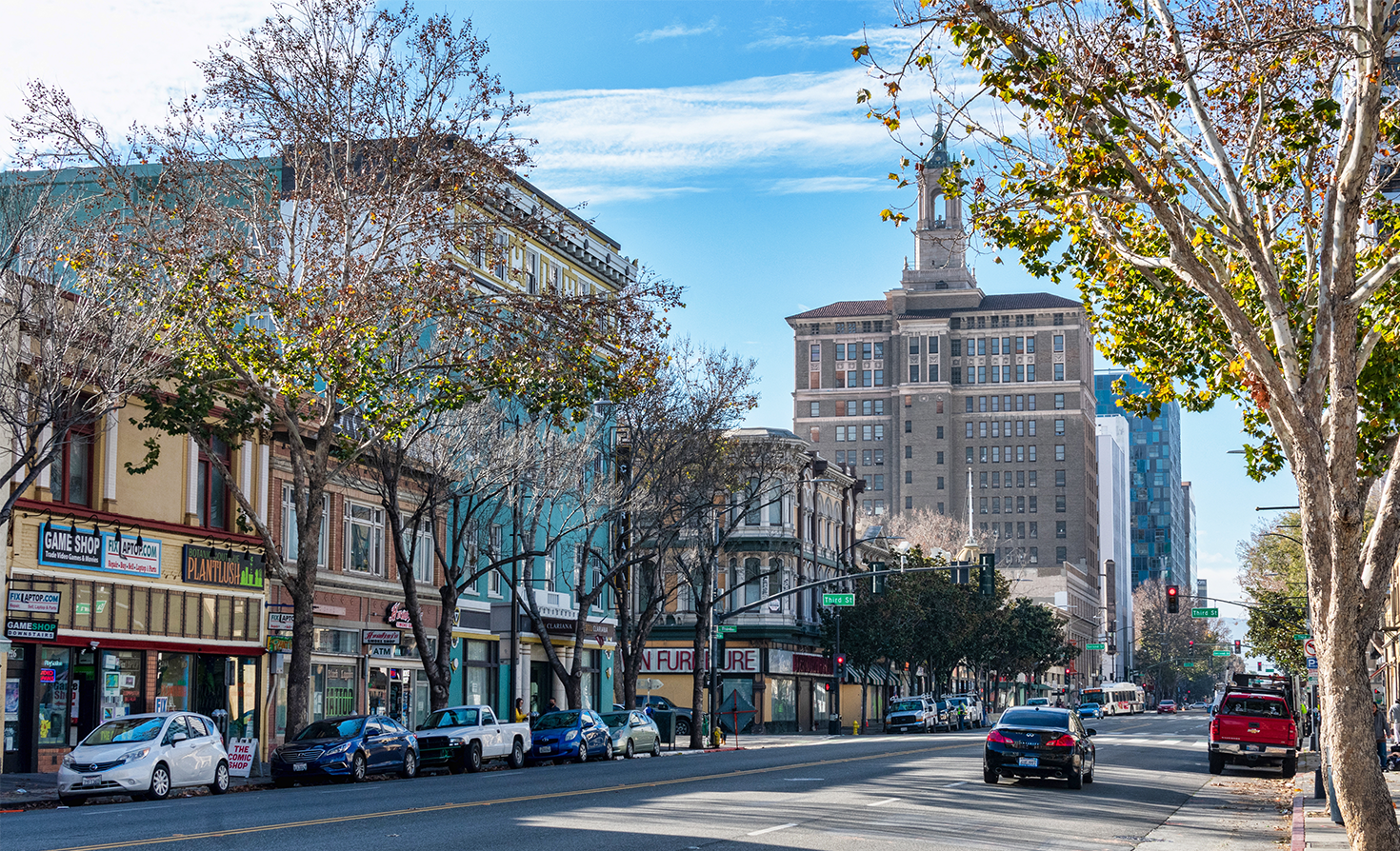
San Jose’s advertising agency ecosystem reflects the unique economic fabric of Silicon Valley, balancing high-tech B2B marketing demands with vibrant regional consumer brands. Businesses operating in this market frequently evaluate local agency capabilities against global holding companies, weighing deep technical domain knowledge against localized creative agility. Understanding the scope, pricing dynamics, and core competencies of agencies in San Jose helps organizations align their marketing investments with measurable performance metrics.
The Economic and Industrial Backdrop of San Jose
The advertising and marketing landscape in San Jose does not exist in a vacuum; it is deeply intertwined with the broader Silicon Valley technology corridor. While traditional marketing hubs like New York or Los Angeles are historically anchored in media buying, entertainment, and consumer packaged goods, San Jose agencies lean heavily into technology, software-as-a-service (SaaS), hardware, semiconductors, and enterprise infrastructure solutions.
This technological orientation alters the fundamental nature of client-agency relationships. Agencies operating within this market must be comfortable translating complex, abstract engineering concepts into compelling market narratives. They frequently build account-based marketing (ABM) programs, design technical white papers, manage developer marketing communities, and optimize multi-touch attribution models for long enterprise sales cycles.
Simultaneously, San Jose’s diverse geographic and demographic makeup—stretching across Santa Clara County and encompassing major multicultural populations—forces agencies to balance high-tech sophistication with localized consumer marketing. Agencies here routinely handle campaigns that must resonate with affluent tech professionals, immigrant communities, and blue-collar industrial sectors alike. This duality requires strategic flexibility, distinguishing local agencies from generalist firms located in other regions.
Categorizing Advertising and Marketing Firms in San Jose
The San Jose market features a fragmented ecosystem comprising several distinct tiers of agencies. When enterprises or local businesses search for marketing partners, they typically encounter four primary organizational structures, each with distinct advantages, pricing models, and operational limitations.
Full-Service Digital Agencies
Full-service agencies in San Jose offer end-to-end capabilities, handling everything from brand identity development and website engineering to performance media buying and public relations. These firms appeal to mid-market companies seeking a single point of accountability for all marketing initiatives.
- Core Capabilities: Brand strategy, UI/UX design, custom web development, paid search, paid social, content creation, and analytics implementation.
- Typical Client Profile: Series B to D technology startups, established manufacturing firms, and regional healthcare providers.
- Operational Limitation: They can occasionally lack the hyper-specialized depth required for ultra-niche technical fields compared to boutique agencies.
B2B and Tech-Specialized Boutiques
Given the proximity to major technology headquarters, a significant concentration of agencies focuses exclusively on business-to-business and technology marketing. These firms understand product-led growth (PLG) motions, developer ecosystems, and complex enterprise sales funnels.
- Core Capabilities: Account-based marketing (ABM), technical content marketing, demand generation, product marketing, and sales enablement collateral.
- Typical Client Profile: Enterprise software vendors, cybersecurity firms, cloud infrastructure providers, and AI startups.
- Operational Limitation: They may lack experience in localized retail promotions or high-volume consumer goods packaging.
Creative and Brand Design Studios
Brand design and creative studios prioritize visual identity, emotional storytelling, and interactive experiences. While they execute digital campaigns, their primary differentiator is exceptional aesthetic execution and strategic brand positioning.
- Core Capabilities: Brand guidelines, visual identity systems, packaging design, motion graphics, and high-end web experiences.
- Typical Client Profile: Consumer hardware brands, lifestyle companies, and tech firms undergoing corporate renames or major repositioning.
- Operational Limitation: Performance media buying and complex CRM integrations are sometimes outsourced or managed at a basic level.
Performance Marketing and Media Buying Specialists
Data-driven performance shops focus strictly on customer acquisition economics, return on ad spend (ROAS), and conversion rate optimization (CRO). These agencies operate with high analytical rigor, managing massive programmatic media budgets.
- Core Capabilities: Search engine optimization (SEO), pay-per-click (PPC) management, programmatic display, conversion rate testing, and marketing attribution modeling.
- Typical Client Profile: E-commerce brands, high-growth mobile application developers, and direct-to-consumer (D2C) enterprises.
- Operational Limitation: Brand storytelling and long-term equity building can take a backseat to short-term lead generation and conversion metrics.
Service Offerings and Technical Capabilities
Advertising agencies in San Jose must maintain technical fluency across a wide array of digital platforms and marketing technologies (MarTech). The modern marketing stack requires seamless integration between creative assets and data infrastructure.
Search Engine Optimization and Organic Search
San Jose agencies approach SEO through both technical audits and high-value content architecture. Because many local clients operate in competitive software or industrial spaces, organic search strategies focus heavily on capturing long-tail intent from engineers, CTOs, and procurement officers rather than high-volume, low-intent consumer keywords.
Paid Media and Programmatic Advertising
Paid acquisition strategies in this market extend far beyond basic Meta and Google ad management. Agencies frequently manage LinkedIn Ads for enterprise B2B targeting, Reddit and GitHub advertising for developer relations, and sophisticated programmatic display networks for regional brand awareness.
Marketing Automation and CRM Integration
A defining characteristic of San Jose marketing agencies is their familiarity with complex marketing automation platforms such as HubSpot, Marketo, Salesforce Pardot, and Segment. Agencies often assist in configuring lead-scoring models, nurturing workflows, and data pipelines connecting advertising touchpoints directly to CRM databases.
Comparative Overview of Agency Types in San Jose
| Agency Type | Primary Focus | Ideal Client Size | Typical Engagement Model | Main Advantage |
|---|---|---|---|---|
| Full-Service Digital | Comprehensive brand and channel management | Mid-Market ($10M–$100M revenue) | Monthly Retainer + Project Fees | Single point of accountability across channels |
| B2B / Tech Boutique | Enterprise demand generation and ABM | Growth-stage to Enterprise Tech | Monthly Retainer | Deep familiarity with long sales cycles and tech buyers |
| Creative / Brand Studio | Visual identity and emotional storytelling | Consumer Brands & Startups | Project-Based / Milestone | Exceptional design quality and brand differentiation |
| Performance Specialist | Direct customer acquisition and ROAS | E-commerce & High-Growth D2C | Percentage of Ad Spend + Retainer | High analytical rigor and immediate conversion focus |
Cost Structures and Financial Considerations
Pricing models among advertising agencies in San Jose reflect regional labor costs and the specialized technical expertise required for Silicon Valley clientele. Businesses evaluating agency partnerships should anticipate several standard pricing frameworks.
Monthly Retainers
Most ongoing agency relationships operate on a monthly retainer model. For small to mid-sized agencies in the region, retainers typically range from $5,000 to $20,000+ per month, depending on the breadth of services (e.g., whether content creation, media buying, and development are included). Enterprise-grade agencies managing global campaigns frequently command retainers exceeding $50,000 monthly.
Project-Based Fees
For discrete deliverables such as a website redesign, a brand identity overhaul, or a product launch campaign, agencies charge fixed project fees. These projects commonly range from $25,000 for boutique branding engagements to over $150,000 for enterprise web platforms incorporating custom integrations and rigorous user testing.
Hourly Rates and Resource Allocation
When scope creep occurs or specialized consulting is required outside a retainer agreement, San Jose agencies bill on an hourly basis. Professional rates for local senior strategists, creative directors, and technical developers typically range from $175 to $300+ per hour, aligning with broader San Francisco Bay Area professional service benchmarks.
Common Pitfalls When Engaging San Jose Agencies
Navigating the local agency market involves managing specific risks, particularly given the rapid pace of technological innovation and economic shifts in Silicon Valley.
- Misaligned Technical Competency: Hiring a general consumer agency for a highly technical enterprise SaaS product often results in superficial marketing collateral that fails to resonate with technical buyers like developers or system administrators.
- Over-Reliance on Vanity Metrics: Some performance agencies focus heavily on impressions, clicks, and social media engagement rather than pipeline contribution, customer acquisition cost (CAC), and lifetime value (LTV).
- Communication Friction: Ensuring that the agency's operational hours, project management methodologies (e.g., Agile vs. Waterfall), and reporting cadences align with internal team structures is vital to prevent project delays.
- Scope Creep and Undefined Deliverables: Failing to establish rigorous Key Performance Indicators (KPIs) and service-level agreements (SLAs) prior to signing contracts frequently leads to disputed billings and mismanaged expectations.
Frequently Asked Questions
What differentiates San Jose advertising agencies from those in San Francisco?
While San Francisco agencies frequently lean toward consumer tech, media, lifestyle brands, and high-end design, San Jose agencies traditionally maintain a stronger orientation toward enterprise B2B technology, industrial hardware, semiconductor markets, and pragmatic silicon-valley engineering solutions.
How do I determine the appropriate agency budget for my business?
Marketing budgets vary by industry and growth stage, but B2B technology companies typically allocate between 8% and 15% of total revenue to marketing and advertising. Of that total budget, 40% to 60% is frequently allocated to agency fees and third-party media costs.
What is the typical onboarding timeline for a new agency?
Most San Jose agencies require a 30-to-60-day discovery and onboarding period. This phase includes stakeholder interviews, technical audits, brand positioning reviews, asset collection, and campaign architecture development before active media spend or production begins.
Should I hire a local San Jose agency or a remote firm?
While remote agencies can offer cost efficiencies, local San Jose agencies provide the advantage of face-to-face workshop capabilities, deep familiarity with the regional talent pool, and an intuitive understanding of the local business culture.
How do agencies measure the success of B2B technology campaigns?
B2B agencies measure success through metrics such as Marketing Qualified Leads (MQLs), Sales Qualified Leads (SQLs), pipeline velocity, cost per acquisition (CPA), and overall customer lifetime value (LTV), rather than relying purely on top-of-funnel web traffic.
Strategic Recommendation for Prospective Clients
Organizations evaluating advertising agencies in San Jose should begin by conducting an internal audit of their marketing maturity, technical requirements, and internal bandwidth. Define precise business outcomes—such as pipeline generation, brand repositioning, or e-commerce scaling—before requesting proposals. Request case studies demonstrating verifiable results within your specific vertical, and insist on transparency regarding team composition to ensure the senior strategists pitching your business are the actual practitioners executing the work.