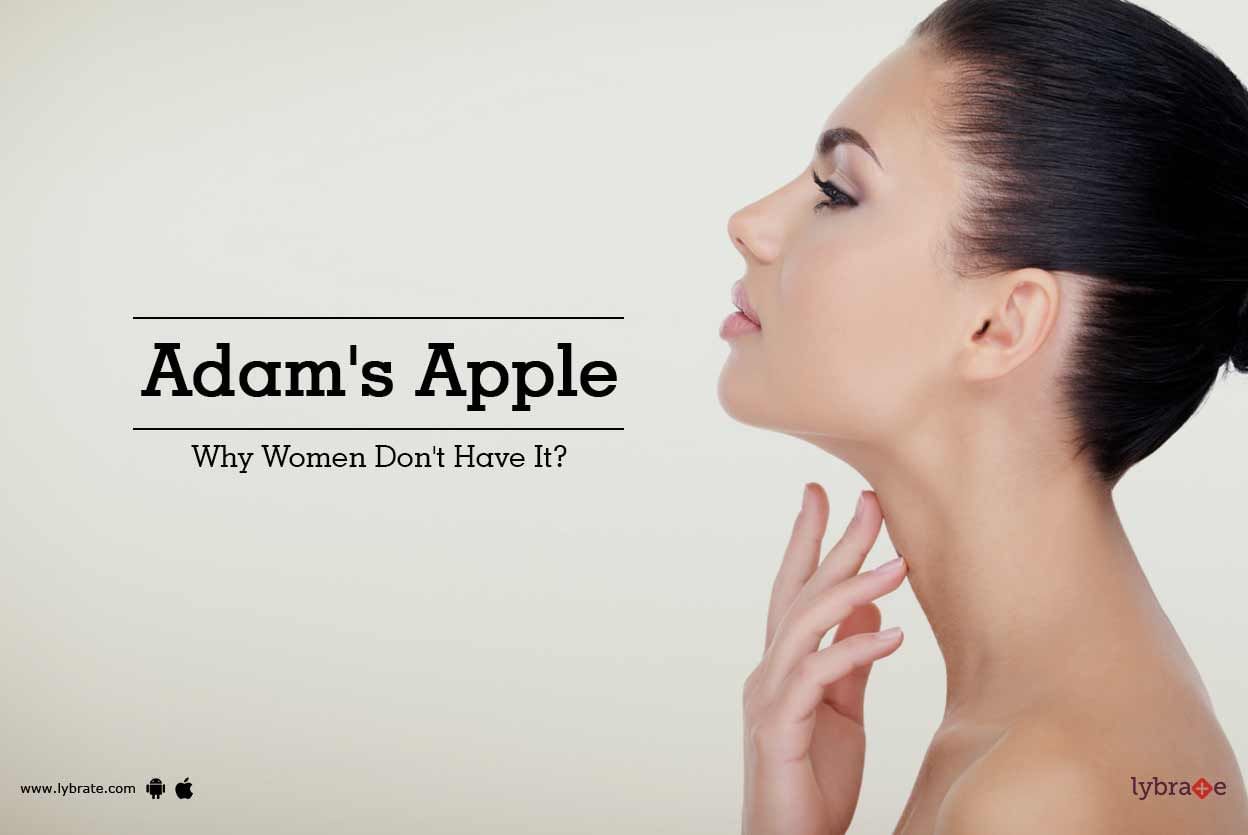
The primary purpose of the Adam’s apple is to protect the delicate structures of the larynx—specifically the vocal cords—from physical trauma while providing structural support for the vocal apparatus. Formed by thyroid cartilage, this anatomical bump expands during puberty to accommodate a larger voice box, contributing directly to a deeper voice pitch.
What Is the Adam's Apple?
The feature commonly known as the Adam’s apple is an anatomical structure officially termed the laryngeal prominence (prominentia laryngea). Located in the front of the neck, this bump is formed by the thyroid cartilage, which wraps around the larynx (commonly called the voice box).
While many people view the Adam's apple purely as a secondary sexual characteristic or a aesthetic feature, it is an essential component of the human respiratory and vocal systems. The thyroid cartilage itself is the largest of nine cartilages that comprise the laryngeal skeleton. It consists of two wing-like plates (laminae) that join at an angle in the middle of the throat, creating the noticeable point.
Understanding the structure of the laryngeal prominence requires looking at how the throat is built. The neck contains several critical pathways: the esophagus for food, the trachea for air, and a complex assembly of cartilage, muscle, and mucosa that enables speech. The thyroid cartilage sits directly above the thyroid gland, though the cartilage itself is distinct from the gland's endocrine functions.
- Hyoid Bone
- Thyrohyoid Membrane
- Thyroid Cartilage (Forms the Laryngeal Prominence (Adam's Apple))
- Cricoid Cartilage
- Trachea
Primary Functions and Biological Purpose of the Adam's Apple
The Adam’s apple does not exist simply as an superficial neck bump; it serves several crucial biological functions essential for breathing, speaking, and protecting the respiratory tract.
1. Protection of the Vocal Folds and Larynx
The main purpose of the Adam’s apple is to serve as a physical shield for the vocal cords (vocal folds) and the internal mechanisms of the larynx. The vocal cords are delicate bands of muscle tissue and mucous membrane that vibrate rapidly to produce sound. Because the larynx sits prominently in the front of the neck—an exposed area vulnerable to blunt force trauma—the tough, flexible thyroid cartilage acts as a helmet for these vital internal structures.
If blunt force impacts the front of the neck during physical activities, sports, or accidents, the rigid outer cartilage absorbs and redistributes the mechanical impact. Without this cartilage shield, minor neck trauma could easily rupture the vocal folds, crush the airway, or cause life-threatening respiratory obstruction.
2. Structural Anchor for Vocal Mechanics
The thyroid cartilage works in tandem with adjacent structures, including the hyoid bone above and the cricoid cartilage below. It provides attachment points for several internal and external laryngeal muscles.
These muscles pull on the cartilage plates to change the tension, length, and thickness of the vocal cords. When you adjust your pitch—such as singing a high note or dropping your voice to a whisper—the muscles connected to the thyroid cartilage pivot the structure forward or backward, fine-tuning vocal fold tension.
3. Airway Protection During Swallowing
When you swallow food or liquid, your entire larynx elevates. You can feel this movement by placing your fingers gently on your throat while swallowing. The thyroid cartilage moves upward along with the hyoid bone, pushing against the epiglottis—a leaf-shaped flap of cartilage.
This upward motion forces the epiglottis to fold downward over the entrance of the trachea (windpipe), sealing off the lungs. This mechanism prevents food, drink, and saliva from entering the lower respiratory tract, effectively preventing choking and aspiration pneumonia.
4. Acoustic Resonance Chamber
The expansion of the thyroid cartilage alters the volume and geometry of the upper vocal tract. As the cartilage grows, it acts as a larger resonance chamber for sound waves produced by the vibrating vocal folds. This increased physical volume amplifies lower acoustic frequencies, contributing significantly to a deeper, richer vocal timbre.
How the Adam's Apple Develops During Puberty
Every person—regardless of biological sex—is born with thyroid cartilage surrounding their larynx. During childhood, the larynx is small, and the two plates of the thyroid cartilage meet at a wide, soft angle of roughly 120 degrees in both boys and girls. Consequently, children have high-pitched voices and no visible protrusion on their necks.
- Childhood Larynx Angle (~120°): Wide, Flat
- Adult Male Larynx Angle (~90°): Sharp Prominence
The Role of Testosterone
During puberty, the body experiences a surge in sex hormones. In individuals assigned male at birth, elevated levels of testosterone stimulate rapid skeletal and cartilaginous growth.
Under the influence of testosterone, several changes occur within the larynx:
- The thyroid cartilage expands significantly in volume.
- The angle where the two cartilage plates meet sharpens to approximately 90 degrees.
- The vocal folds grow longer and thicker.
Because the cartilage fuses at a sharper anterior angle in response to testosterone, it pushes outward against the skin of the neck, forming the distinct bump known as the Adam's apple.
Voice Cracking and Deepening
As the cartilage and vocal cords undergo this rapid expansion, adolescents often experience temporary loss of vocal control, commonly called "voice cracking." The brain must adjust to controlling longer, heavier vocal folds within an enlarging cartilage framework. Once puberty reaches completion, the vocal cords settle into their new length, and the enlarged laryngeal structure produces a permanently lower baseline pitch.
Why Is the Adam's Apple More Prominent in Males Than Females?
A common misconception is that females do not have an Adam's apple. Biologically, females possess the exact same thyroid cartilage structure as males. However, key anatomical and hormonal differences determine how visible the laryngeal prominence becomes on the surface of the neck.
| Anatomical Characteristic | Adult Biological Males | Adult Biological Females |
|---|---|---|
| Primary Sex Hormone Influence | Higher levels of Testosterone | Higher levels of Estrogen |
| Cartilage Fusion Angle | Sharper (~90 degrees) | Wider (~120 degrees) |
| Vocal Cord Length | Longer (approx. 17mm to 25mm) | Shorter (approx. 12.5mm to 17.5mm) |
| Subcutaneous Neck Fat | Generally lower percentage | Generally higher percentage |
| Visibility of Prominence | Highly visible in most individuals | Soft, smooth, or invisible |
| Average Acoustic Pitch | Lower frequency (85–180 Hz) | Higher frequency (165–255 Hz) |
Differences in Cartilage Geometry
During female puberty, primary hormone levels lean toward estrogen rather than testosterone. While the larynx does grow slightly to accommodate adult speech, it does not undergo the massive surge in cartilage expansion that occurs under testosterone. The female thyroid cartilage retains a wider fusion angle (~120 degrees), keeping the anterior surface relatively flat against the front of the neck.
Subcutaneous Fat Distribution
Estrogen promotes a higher proportion of subcutaneous fat distribution across the body, including the neck region. This natural layer of adipose tissue cushions and covers the underlying muscular and cartilaginous structures, smoothing out the contour of the throat and obscuring the underlying laryngeal prominence.
Natural Variations Across the Population
It is entirely normal for anatomical variation to exist:
- Visible female Adam's apples: Some biological females naturally have higher testosterone exposure, lower body fat percentages, or unique genetic cartilage shapes that make their laryngeal prominence visibly sharp or pronounced.
- Inconspicuous male Adam's apples: Some biological males have wider cartilage angles, natural subcutaneous fat patterns, or shorter necks that conceal the Adam's apple entirely without affecting vocal pitch or health.
Medical Considerations and Surgical Procedures
Because the Adam’s apple sits at a focal point of throat anatomy, it is involved in several clinical procedures, diagnostic checks, and surgical interventions.
- Anterior Neck Structures
- Thyroid Membrane
- Laryngeal Prominence (Target location for Chondrolaryngoplasty / Tracheal Shave Procedure)
- Cricoid Cartilage
Chondrolaryngoplasty (Tracheal Shave)
Chondrolaryngoplasty, commonly referred to as a "tracheal shave," is a surgical procedure designed to reduce the size and prominence of the thyroid cartilage. This procedure is frequently performed as part of gender-affirming facial feminization surgery (FFS) or for individuals seeking cosmetic alteration of their neck profile.
- How the procedure works: A surgeon makes a small, discreet incision—often tucked into the natural fold under the chin or along a neck crease. Using specialized surgical instruments, the surgeon carefully shaves down the upper anterior peak of the thyroid cartilage to create a smoother neck contour.
- Risks and precautions: Because the thyroid cartilage serves as the anchor point for the internal vocal cords, surgeons must preserve the structural integrity of the cartilage base. Shaving too close to the vocal cord attachments (the anterior commissure) can permanently alter vocal pitch, cause persistent hoarseness, or weaken the voice. For detailed information on surgical guidelines, consult resources provided by the American Academy of Otolaryngology–Head and Neck Surgery.
Medical Symptoms and Red Flags
While the Adam’s apple itself is a normal structural feature, changes or pain in this specific region require careful medical assessment.
- Pain or Tenderness when Swallowing: Sharp pain located directly around the Adam's apple can signal thyroiditis, laryngeal trauma, or an inflammation of the cartilage known as perichondritis.
- Hard or Growing Neck Lumps: A lump located on or immediately adjacent to the Adam’s apple may not be cartilage at all. It could represent an enlarged lymph node, a thyroglossal duct cyst, a neck mass, or a thyroid nodule.
- Persistent Hoarseness: Voice changes, persistent raspiness, or difficulty projecting the voice that lasts longer than two to three weeks should be evaluated by an otolaryngologist (ear, nose, and throat specialist).
- Difficulty Breathing (Stridor): Any sensation of throat tightness, noisy breathing, or airway restriction near the larynx is a medical emergency requiring immediate evaluation.
Frequently Asked Questions
Does the size of an Adam's apple affect your voice pitch?
Yes, indirectly. A larger, more visible Adam's apple typically indicates a larger thyroid cartilage structure and longer vocal cords, which produce lower sound frequencies (a deeper voice). However, the visible bump itself is not what creates the sound; rather, it is a byproduct of the enlarged voice box inside.
Can an Adam's apple be reduced naturally without surgery?
No. The Adam's apple is composed of solid thyroid cartilage, not fat or muscle tissue. Exercise, dietary changes, massages, or topical treatments cannot alter the physical shape or volume of mature cartilage. The only method to permanently reduce its size is surgical chondrolaryngoplasty.
Why does the Adam's apple move up and down when you swallow or talk?
The thyroid cartilage is connected via ligaments and muscles to the hyoid bone, which sits above it. When you swallow or speak certain pitch ranges, the extrinsic laryngeal muscles contract, pulling the whole larynx upward to close off the airway or adjust vocal cord tension. This physical elevation causes the Adam's apple to move visibly up and down the neck.
Is it dangerous if your Adam's apple hurts when pressed?
Mild discomfort from firm pressure can happen because the neck tissues are sensitive. However, sharp pain, tenderness, or swelling when touching the Adam's apple is not normal. It may indicate localized cartilage inflammation, muscle strain, viral infection, or an underlying thyroid condition that should be evaluated by a healthcare provider.
Do all men have a visible Adam's apple?
No. While virtually all men have a thyroid cartilage structure, it is not always visually prominent. Neck thickness, genetics, fat distribution, and the specific angle of the cartilage vary naturally. A man can have a deep voice and healthy vocal function without having a sharp or visible Adam's apple.
Can vocal training change the appearance of the Adam's apple?
Vocal training helps singers and speakers control the positioning of their larynx (raising or lowering it to adjust vocal resonance), which temporarily shifts where the Adam's apple sits during speech. However, vocal training cannot change the physical size, thickness, or anatomical projection of the cartilage itself.
Summary and Next Steps
The Adam’s apple serves vital biological purposes: it shields your delicate vocal cords from trauma, anchors key vocal muscles, supports pitch adjustments, and aids in sealing the airway when you swallow. Formed by the meeting of two thyroid cartilage plates, its prominence is driven primarily by testosterone exposure during puberty, which sharpens the cartilage angle and expands the voice box.
If you are exploring option for cosmetic contouring, such as chondrolaryngoplasty, schedule a consultation with a board-certified plastic surgeon or otolaryngologist who specializes in laryngeal surgery. For any sudden pain, swelling, or unexplained voice changes around your neck, seek prompt medical advice from a qualified healthcare practitioner to ensure your larynx and surrounding tissues remain healthy.