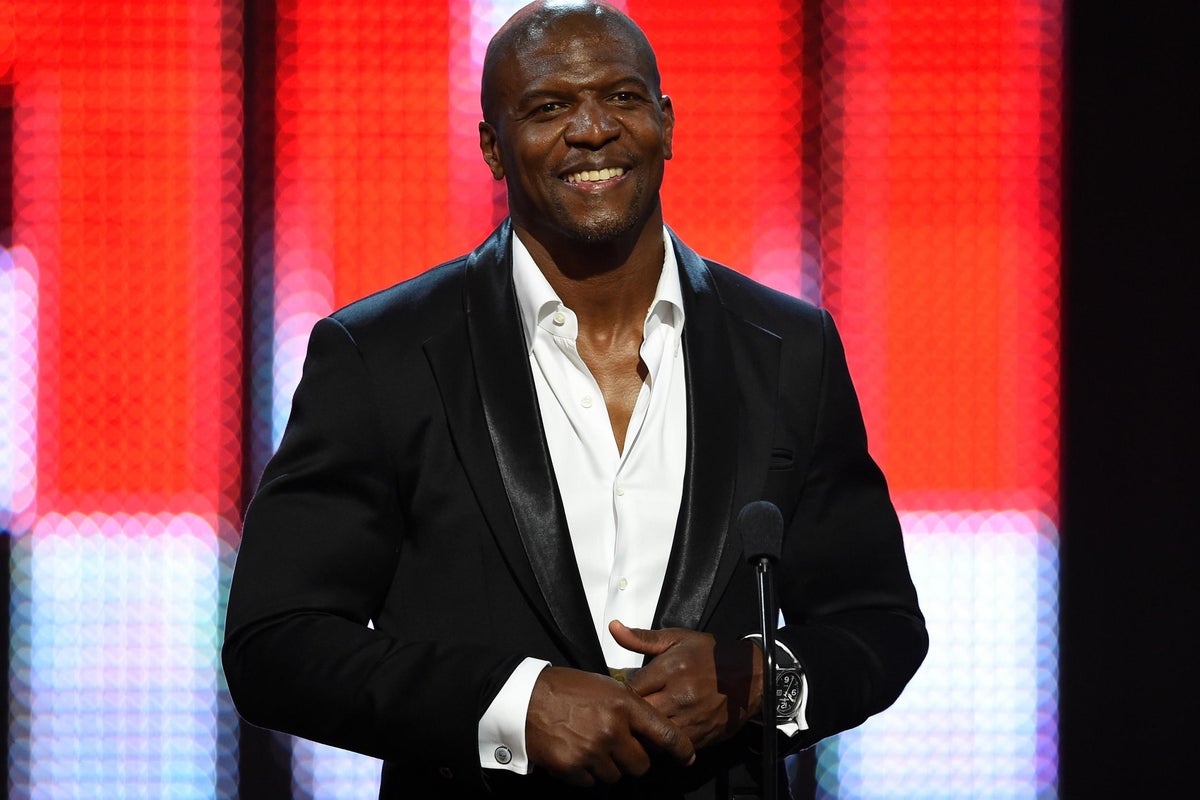
The Adam Venit and Terry Crews incident refers to a 2017 sexual assault allegation made by actor Terry Crews against high-ranking Hollywood talent agent Adam Venit. This event became a significant focal point during the #MeToo movement, highlighting issues of power imbalances, workplace harassment, and the complexities of reporting professional misconduct within the entertainment industry.
The Origin of the Allegations
In October 2017, in the immediate wake of the initial reports regarding Harvey Weinstein, Terry Crews took to social media to share his own experience with sexual assault in Hollywood. Crews detailed an encounter that occurred at a 2016 industry party. According to his account, he was attending a function when he was introduced to Adam Venit, who was then a senior agent at the talent agency William Morris Endeavor (WME).
Crews alleged that during their interaction, Venit stared at him, stuck his tongue out, and subsequently grabbed his genitals. Crews, a former professional athlete and prominent actor, stated that he was shocked and confused by the behavior, choosing to push Venit away and confront him verbally rather than resorting to physical violence, which he feared would be mischaracterized given his size and stature.
Legal and Professional Consequences
Following the public disclosure of the incident, the professional fallout was significant for both parties. Terry Crews filed a formal report with the Los Angeles Police Department in November 2017. However, in March 2018, the Los Angeles City Attorney’s Office declined to file criminal charges against Adam Venit, citing that the statute of limitations for the specific misdemeanor charges had expired.
Within the corporate structure of WME, the agency conducted an internal investigation. Initially, Venit was suspended from his duties. After the internal review concluded, the agency demoted Venit, removing him from his position as head of the Motion Picture Group, and he eventually left the company in September 2018. The incident served as a critical case study for talent agencies and production houses regarding the handling of internal complaints involving high-earning executives versus clients or lower-level employees.
The Broader Impact on #MeToo and Corporate Policy
The incident involving Adam Venit and Terry Crews was unique because it centered on a male victim in a position of public recognition, which shifted the narrative of the #MeToo movement. For many, it underscored the reality that sexual harassment and assault in the entertainment industry were not limited by gender or power dynamics in the way traditional stereotypes suggested.
The subsequent legal and administrative hurdles revealed systemic weaknesses in how incidents are reported within the Hollywood ecosystem. When victims, even those with significant cultural capital, report behavior, they often face "blacklisting" or professional retaliation. Crews was vocal about the pressure he felt from industry figures to drop the matter, which added a layer of complexity to the public perception of the incident.
Comparative Dynamics in Industry Misconduct
To understand the scope of the incident, it is helpful to look at how different sectors of the entertainment industry have historically managed allegations of misconduct. The table below illustrates the varying stages of response common to such incidents in the mid-to-late 2010s.
| Stage of Response | Typical Action | Outcome/Goal |
|---|---|---|
| Initial Report | Internal notification via HR or Public disclosure | Documentation of the event |
| Corporate Review | Independent investigation or internal audit | Assessment of policy violations |
| Administrative Action | Suspension, demotion, or termination | Mitigation of corporate liability |
| Legal Review | Filing with law enforcement/civil litigation | Determination of criminal or civil liability |
| Cultural Shift | Policy updates and HR training | Long-term prevention of future incidents |
Challenges in Addressing Workplace Harassment
One of the most persistent issues highlighted by this incident is the challenge of the "statute of limitations." Many survivors of sexual assault do not come forward immediately due to fear of career suicide or social stigmatization. By the time a report is made, legal avenues for criminal prosecution are often closed. This has led to ongoing legislative discussions in California and other jurisdictions regarding the extension of statutes of limitations for sexual assault cases.
Furthermore, the "power agent" dynamic—where agents hold the careers of their clients in their hands—creates an environment where the client feels they cannot object to inappropriate behavior without risking their livelihood. This is a recurring theme in agency-client relationships and one that WME and other major agencies have had to address through updated internal ethics guidelines and stricter HR oversight in the years since 2017.
Professional Guidance: Reporting Workplace Misconduct
For individuals working in high-pressure industries who experience or witness misconduct, the process of reporting is often fraught with uncertainty. While every situation is unique, established best practices include:
- Document Everything: Maintain a detailed log of the incident, including dates, times, locations, and any witnesses present. Keep copies of relevant correspondence or emails.
- Review Company Policy: Consult the employee handbook or contract regarding the established channels for reporting grievances. Ensure you understand the chain of command and any confidentiality protections.
- Seek Legal Counsel: Before formalizing a complaint, speaking with an attorney who specializes in employment law can provide a clear picture of your rights, potential protections against retaliation, and the legal implications of your actions.
- Professional Support: The emotional impact of reporting misconduct is significant. Engaging with mental health professionals or support organizations can assist in navigating the process while prioritizing personal well-being.
FAQ: Common Questions Regarding the Incident
1. Was Adam Venit ever charged with a crime? No. While Terry Crews filed a report with the Los Angeles Police Department, the Los Angeles City Attorney’s Office declined to prosecute, citing that the incident occurred outside of the legal window for misdemeanor charges.
2. Did Terry Crews reach a settlement with WME? Yes, Terry Crews and WME reached a settlement in 2018. While the specific terms of the settlement were kept confidential, the move marked a closure to the civil side of the dispute regarding the agency’s handling of his complaints.
3. What was the outcome for Adam Venit’s career? Following the investigation and public outcry, Venit was demoted from his leadership role at WME and later departed the agency entirely in 2018.
4. Why is this case frequently cited in #MeToo discussions? The case is significant because it involved a prominent male actor reporting a male executive. It challenged the assumption that only women were victims of systemic harassment in Hollywood and forced an industry-wide conversation about the power that agents exert over talent.
5. How have agencies changed their policies since this incident? Major agencies have moved toward more rigorous HR oversight, the implementation of "zero-tolerance" policies for harassment, and mandatory sensitivity and ethics training for all senior staff to prevent power abuses.
Moving Forward
The legacy of the incident involving Adam Venit and Terry Crews serves as a reminder of the importance of accountability and the evolution of workplace standards. It challenged the status quo, prompting a necessary reevaluation of how power is exercised in professional environments. For those in similar positions today, the primary takeaway is the value of institutional transparency and the necessity of robust systems that protect individuals regardless of their status within an organization.
When navigating these issues, always prioritize gathering verified evidence and seeking professional legal advice tailored to your specific jurisdiction. Understanding the history of these events helps inform current professional standards and ensures that the focus remains on building safer and more equitable workplaces for all industry participants.