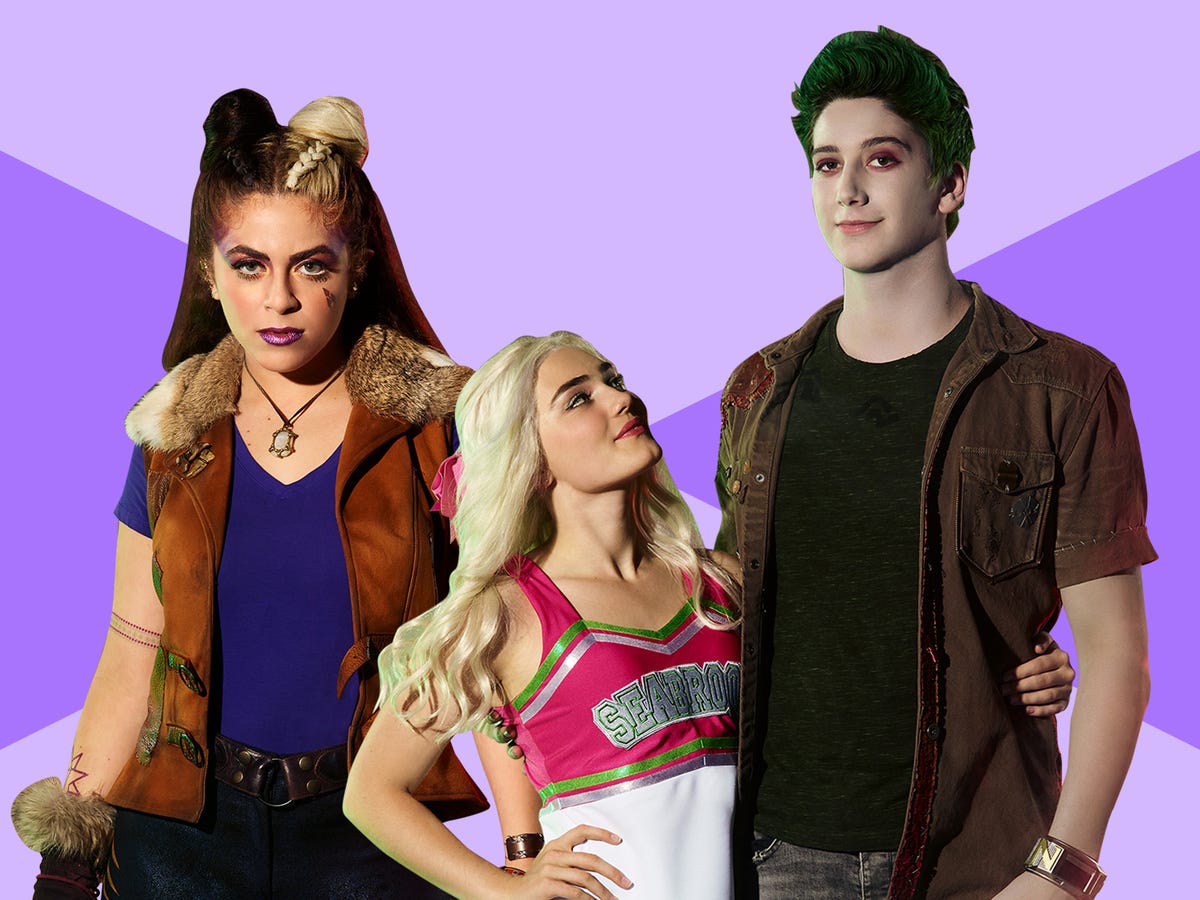
The term "actors from zombies" typically refers to the talented performers who portray the living dead, survivors, and antagonists in iconic zombie television series, cinematic features, and video game motion-capture performances. These actors combine intense physical acting, specialized makeup design, and rigorous stunt work to bring post-apocalyptic narratives to life for audiences worldwide.
Introduction to Zombie Genre Performance
The portrayal of the undead and the desperate humans who navigate apocalyptic landscapes represents a specialized sub-genre of acting that requires a unique blend of physical endurance, psychological commitment, and technical awareness. When audiences look for information about actors from zombie media, they are usually tracing the careers of breakout stars from franchises like The Walking Dead, Night of the Living Dead, Train to Busan, or The Last of Us. However, understanding this ecosystem requires looking beyond lead human protagonists to appreciate the ensemble casts, the background walker actors, and the stunt professionals who define the physical language of the genre.
Unlike traditional dramatic or comedic roles, zombie acting relies heavily on non-verbal communication, distinct biomechanics, and spatial awareness. Performers must convey a complete loss of higher cognitive function while maintaining precise control over their bodies to ensure the safety of their fellow cast members during chaotic action sequences. This introduction explores how these performers are cast, trained, and integrated into productions that often blend practical special effects with advanced digital enhancements.
The Evolution of the Undead: From Slow Shufflers to Athletic Hunters
To understand the work of actors who play zombies, one must first examine how the physical execution of the character has transformed over decades of cinematic history. The early iterations of the genre, popularized by George A. Romero in films such as Night of the Living Dead (1968) and Dawn of the Dead (1978), established the archetype of the slow, relentlessly marching, shuffling corpse. Actors in these roles focused on heavy, uncoordinated movements, vacant expressions, and a persistent, collective threat model.
As the genre evolved into the 21st century, productions introduced faster, highly aggressive infected characters, most notably seen in Danny Boyle’s 28 Days Later (2002) and Zack Snyder’s remake of Dawn of the Dead (2004). This shift placed intense physical demands on the actors portraying the undead:
- Sprinting and Parkour Integration: Actors were required to perform high-speed sprints, hurdle obstacles, and engage in chaotic combat choreography while maintaining manic, erratic facial expressions.
- Animalistic Movement Modeling: Directors often hired movement coaches, contortionists, and dancers to help actors emulate predatory animal behavior rather than classic human staggering.
- Stunt Coordination: Because of the high speeds and aggressive physical contact involved, stunt performers frequently filled these roles to prevent injuries during violent struggle scenes.
Breakdown of Key Performance Categories in Zombie Media
Zombie media productions rely on a structured hierarchy of acting talent. From marquee leads to specialized extra work, each tier serves a distinct storytelling function.
| Performance Category | Primary Responsibilities | Key Skills Required | Typical Background |
|---|---|---|---|
| Lead Human Protagonists | Carrying emotional arcs, driving plot progression, and anchoring viewer empathy. | Traditional dramatic acting, vocal projection, psychological depth. | Conservatory training, television/film experience. |
| Featured "Walker" Actors | Executing close-up interactions, specific death scenes, or recognizable pre-turn characters. | Micro-expressions, prosthetic comfort, distinct physical ticks. | Specialized background actors, physical theater artists. |
| Background Horde Extras | Creating scale, atmospheric dread, and background chaos in large crowd shots. | Spatial awareness, stamina, ability to maintain repetitive motion for hours. | Local casting pools, horror convention enthusiasts. |
| Motion-Capture Performers | Providing skeletal and muscular movement data for digital creatures in games or films. | Suit calibration, technical spatial accuracy, exaggerated physical acting. | Dance, martial arts, specialized mocap training. |
Training Camps and "Zombie School"
One of the most fascinating behind-the-scenes aspects of major zombie productions, particularly long-running television projects like AMC’s The Walking Dead, is the establishment of specialized training programs often referred to as "Zombie School." Because background actors and secondary performers must look and move uniformly within a specific fictional universe, production teams institute rigorous audition and training protocols.
During these sessions, movement coordinators evaluate prospective actors on several specific criteria:
- The Stagger and Limp: Assessing whether an actor can sustain an asymmetrical gait for extended periods without injuring their joints or lower back.
- Jaw and Facial Tension: Maintaining a slack jaw or aggressive snarl without straining the vocal cords or biting prosthetic appliances incorrectly.
- Reactive Physics: Learning how to react realistically to blunt-force trauma, gunshots, or piercing weapons without relying on exaggerated stage falls that look comical on camera.
- Vocalizations: Producing guttural groans, growls, and screeches safely using diaphragm control rather than straining the throat during long takes.
The Intersection of Practical Effects and Acting
The performance of an actor playing a zombie or an injured survivor is deeply intertwined with the makeup and special effects departments. Prosthetic appliances, contact lenses, fake blood, and digital markers directly impact how an actor moves and breathes on set.
Silicone or foam latex prostheses can restrict facial mobility, forcing actors to rely heavily on eye movements and body posture to convey emotion or menace. Furthermore, specialized opaque or mesh contact lenses frequently limit peripheral vision, requiring actors to rehearse their blocking carefully to avoid tripping or colliding with camera equipment and set pieces.
Conversely, actors who undergo hours in the makeup chair develop a strong psychological immersion into their characters. The tactile sensation of hardened fake blood, cold prosthetic pieces, and tattered wardrobe helps performers shed their modern identities and adopt the visceral, uninhibited physicality required by the script.
Career Trajectories and Genre Stigma
For many actors, landing a breakout role in a prominent zombie franchise serves as a major career catalyst. Performers who started as unknown entities in horror series have transitioned into leading roles in major blockbuster franchises, historical dramas, and prestige television. Conversely, the genre has also welcomed established, classically trained stage and screen actors who relish the opportunity to play grotesque villains or morally compromised survivors in extreme settings.
However, actors who specialize extensively in creature work or background walker roles sometimes face typecasting challenges. Industry professionals must actively diversify their portfolios through theater work, independent cinema, or contrasting television roles to prove their range beyond the horror genre.
Frequently Asked Questions
Who are some of the most notable breakout actors from major zombie franchises?
Notable breakout actors include Andrew Lincoln, Norman Reedus, and Danai Gurira from The Walking Dead, Cillian Murphy from 28 Days Later, and Pedro Pascal and Bella Ramsey from HBO’s adaptation of The Last of Us. These performers transitioned from genre television and film into global recognition and diverse leading roles across multiple entertainment sectors.
How do background actors prepare to play zombies on television sets?
Background actors typically undergo specialized training sessions—often called "zombie school"—where movement directors teach them specific gaits, safety protocols for stunt interactions, and how to maintain consistent energy and physical posture during long shooting days that may involve adverse weather conditions and heavy prosthetics.
Do stunt performers always double for actors during zombie attack scenes?
While complex fights, high falls, and violent physical struggles are handled by professional stunt doubles, many principal actors prefer to perform their own close-up combat choreography and grappling sequences to maintain emotional continuity and camera framing authenticity.
What physical challenges do actors face while wearing zombie prosthetics?
Actors frequently contend with restricted peripheral vision due to special effects contact lenses, reduced facial expressiveness caused by foam latex prostheses, and physical exhaustion from wearing heavy, layered, and often blood-soaked wardrobe pieces under intense studio lighting or outdoor heat.
Are motion-capture actors used for zombies in modern media?
Yes, motion-capture technology is frequently employed in video games such as The Last of Us or Days Gone, and in high-end cinematic productions where digital creatures must interact seamlessly with live-action environments or exhibit superhuman physical movements that exceed practical stunt capabilities.
Conclusion and Next Actions
The success of any zombie narrative depends heavily on the physical commitment, training, and technical adaptability of its actors. Whether viewing a meticulously choreographed horde scene in a feature film or analyzing the emotional resilience of a survivor navigating a ruined city, recognizing the labor behind these performances enriches the viewing experience. For those interested in pursuing work within this niche, researching local casting agencies that specialize in background extra pools, physical theater training, and stunt workshops provides a practical entry point into the demanding world of creature and survival performance.