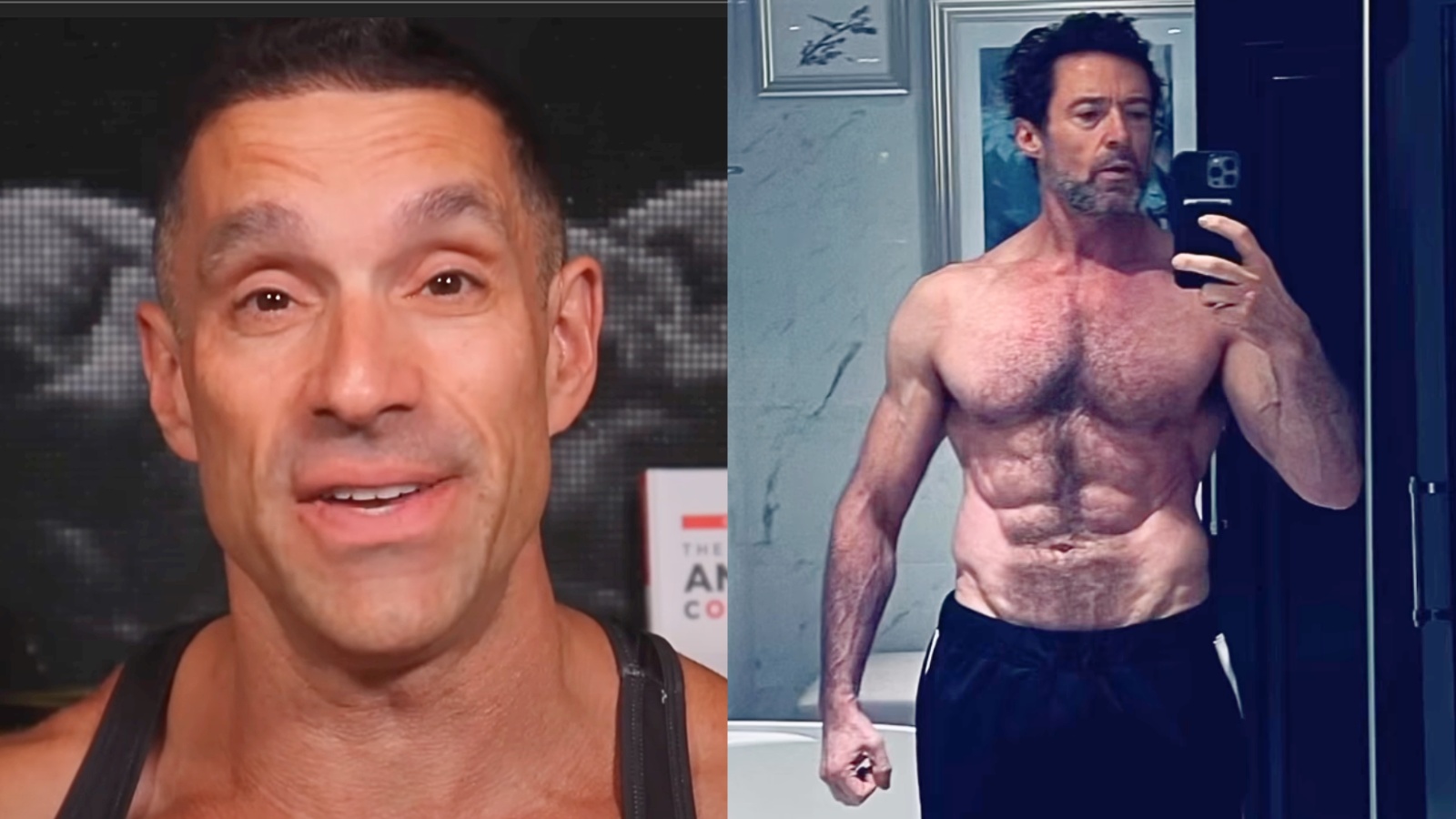
The topic of actors who used steroids in Hollywood involves a complex intersection of studio demands, rapid physical transformations, and the unspoken realities of the entertainment industry. While few performers openly admit to using performance-enhancing drugs (PEDs), fitness experts, medical professionals, and industry insiders have long documented how demanding cinematic standards drive actors toward chemical enhancements.
The Evolutionary Demand for Superhero Physiques
For decades, the standard action hero physique shifted from the lean, athletic builds of stars like Steve McQueen and Bruce Lee in the 1960s and 1970s to the colossal, hyper-muscular figures popularized by Arnold Schwarzenegger and Sylvester Stallone in the 1980s. In the modern era of comic book franchises and cinematic universes, these physical expectations reached unprecedented levels.
Actors cast as superheroes or villains are frequently required to add 20 to 30 pounds of pure muscle while maintaining single-digit body fat percentages. Furthermore, they must achieve these transformations within compressed pre-production timelines lasting anywhere from three to six months. In natural bodybuilding and physiology, gaining significant muscle mass while simultaneously dropping body fat is an exceptionally slow process that typically takes years of consistent training and precise nutrition. When studios impose strict deadlines, the biological limitations of natural human growth often create an incentive structure where performance-enhancing substances become appealing to those under pressure.
The Physics of Natural Versus Assisted Muscle Growth
Understanding why chemical enhancement is tempting in Hollywood requires examining human physiology. Naturally, an untrained adult male can expect to gain a limited amount of muscle mass in their first year of dedicated weightlifting—often cited by sports scientists as around 15 to 20 pounds under optimal conditions, with diminishing returns in subsequent years.
When actors undergo radical body transformations for roles, public relations teams often attribute the changes exclusively to "chicken, broccoli, and hard work." While intense workouts and high-protein diets are mandatory components, medical experts note that transforming a slender frame into a massive, shredded physique in a matter of months routinely defies natural physiological boundaries. Anabolic-androgenic steroids (AAS), human growth hormone (HGH), and other peptides accelerate protein synthesis, enhance nitrogen retention, and drastically reduce recovery times, allowing actors to train harder and more frequently than natural physiology permits.
Industry Pressures, Contracts, and the Trainer Ecosystem
The entertainment business operates on tight financial schedules where millions of dollars ride on production timelines. If a leading man falls ill or fails to develop the required physical presence, millions in marketing and scheduling can be jeopardized. This environment fosters a specialized ecosystem of high-end private trainers, nutritionists, and concierge medical professionals who cater specifically to elite talent.
The Role of Celebrity Trainers and Concierge Medicine
Celebrity trainers occupy a unique space in Hollywood. Many manage the daily physical preparation of top-tier actors, orchestrating multi-session workouts, specialized meal delivery, and supplementation regimens. While reputable trainers emphasize natural methods, some practitioners operate in ethical gray areas, connecting actors with anti-aging clinics or physicians willing to prescribe testosterone replacement therapy (TRT) or related compounds under the guise of medical supervision.
Under medical supervision, TRT is a legitimate treatment for hypogonadism. However, the boundary between clinical hormone optimization and cosmetic muscle enhancement can become blurred in high-stakes environments. Studios rarely ask direct questions about how an actor achieved a transformation, provided the actor arrives on set looking the part and meets insurance and performance requirements.
Public Admissions, Rumors, and Industry Transparency
Transparency regarding steroid use in Hollywood remains rare. Admitting to using banned or controlled substances can lead to professional stigma, public backlash, and potential legal complications, as anabolic steroids are Schedule III controlled substances in the United States when obtained without a legitimate prescription.
Despite the wall of silence, several prominent figures have spoken openly about the prevalence of PEDs in the entertainment industry:
- Mickey Rourke and Professional Wrestling Context: While famous for his gritty roles, Rourke and other veterans have often spoken candidly about the physical toll of maintaining action-star status.
- Fitness Professionals and Bodybuilders: Elite bodybuilders and fitness commentators, such as Greg Doucette and various sports scientists, regularly analyze celebrity transformations, pointing out clinical signs of PED use—such as rapid shoulder and trapezius development, which contain a high concentration of androgen receptors.
- The "Natty or Not" Culture: Online media thrives on dissecting whether specific actors are "natural" or "assisted," creating public awareness that contrasts sharply with traditional studio PR narratives.
Notable Celebrity Transformation Comparisons
| Actor / Era | Role Context | Reported/Observed Transformation Claims | Physiological Plausibility (Natural vs. Assisted Debate) |
|---|---|---|---|
| Golden Era Bodybuilder Stars (e.g., Arnold Schwarzenegger) | 1970s–1980s Action Films | Openly acknowledged steroid use in bodybuilding before transitioning to mainstream acting. | Widely documented; substances were largely unregulated during their competitive primes. |
| Modern Comic Book Leads (2000s–Present) | Superhero Franchises | Standard PR narratives claim rigorous gym routines, chicken, rice, and personal chefs. | Frequently debated by fitness experts due to the speed of muscle gain and leanness achieved simultaneously. |
| Character Actors Requiring Weight Fluctuations | Dramatic Transformations (Gain/Loss) | Rapid weight gain or loss for specific biographical or dramatic roles. | Often managed with specialized meal regimens, though medical supervision is common for rapid shifts. |
Health Risks, Side Effects, and Long-Term Consequences
The use of anabolic steroids and growth hormones carries significant medical risks. While actors often work with medical professionals to monitor their health, the physiological toll of artificial hormone manipulation cannot be entirely eliminated.
Medical Complications Associated with PEDs
- Cardiovascular Strain: Anabolic steroids can drastically alter lipid profiles, lowering high-density lipoprotein (HDL, or "good" cholesterol) and raising low-density lipoprotein (LDL, or "bad" cholesterol). This increases the long-term risk of atherosclerosis, high blood pressure, and left ventricular hypertrophy (enlargement of the heart muscle).
- Endocrine Suppression: Introducing exogenous testosterone or related hormones signals the body to shut down its natural production. Post-cycle therapy (PCT) or long-term hormone replacement is often required to restore endocrine function, and permanent hypogonadism can occur.
- Hepatic Stress: Oral alkylated steroids place significant stress on the liver, potentially leading to elevated liver enzymes, peliosis hepatis, or hepatic tumors.
- Psychological Effects: Colloquially known as "roid rage," high doses of androgens can exacerbate mood swings, aggression, anxiety, and depression in susceptible individuals.
Frequently Asked Questions
Do movie studios test actors for steroids before filming?
No. Unlike professional sports leagues (such as the NFL, MLB, or UFC) or Olympic bodies governed by WADA, Hollywood film studios do not drug test actors for performance-enhancing substances. Actors are independent contractors rather than professional athletes bound by athletic commission rules.
Can an actor build a superhero physique naturally?
Yes, but with significant caveats regarding time and genetics. An individual with favorable genetics can achieve an impressive, muscular physique naturally, but it typically requires five to ten years of consistent, progressive resistance training, meticulous nutrition, and adequate rest. The primary conflict in Hollywood is the compressed three-to-six-month timeline imposed by production schedules.
Is Testosterone Replacement Therapy (TRT) legal for actors?
TRT is legal when prescribed by a licensed physician to treat diagnosed medical conditions such as hypogonadism (low testosterone). However, obtaining prescriptions solely for cosmetic muscle enhancement or accelerated recovery in younger men falls into a legally and ethically ambiguous territory.
Why do actors lie about using steroids?
Actors often conceal PED use to protect their marketability, brand partnerships, and public image. Admitting to chemical enhancement can alienate family-friendly studios, invite legal scrutiny regarding controlled substances, and undermine the narrative that their success is the result of exceptional work ethic alone.
Conclusion and Industry Outlook
The reliance on performance-enhancing substances in Hollywood remains an open secret, driven by the intense economic pressures of blockbuster filmmaking and unrealistic body standards. While fitness technology, advanced nutrition, and professional training have evolved, the biological limits of natural human muscle growth have not changed. As long as audiences reward extreme physical transformations at the box office, actors and their teams will continue to navigate the fine line between natural conditioning and medical assistance.