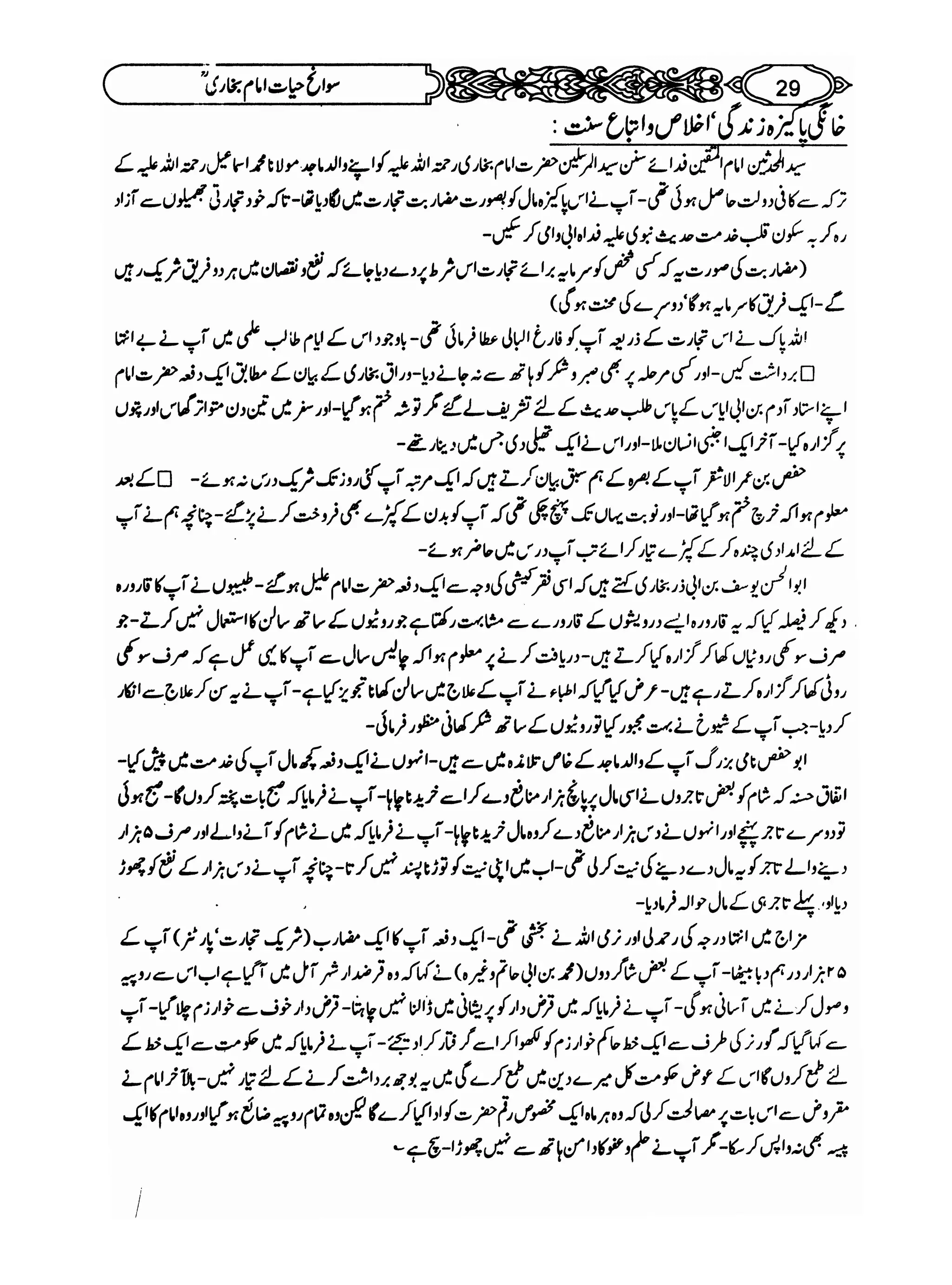
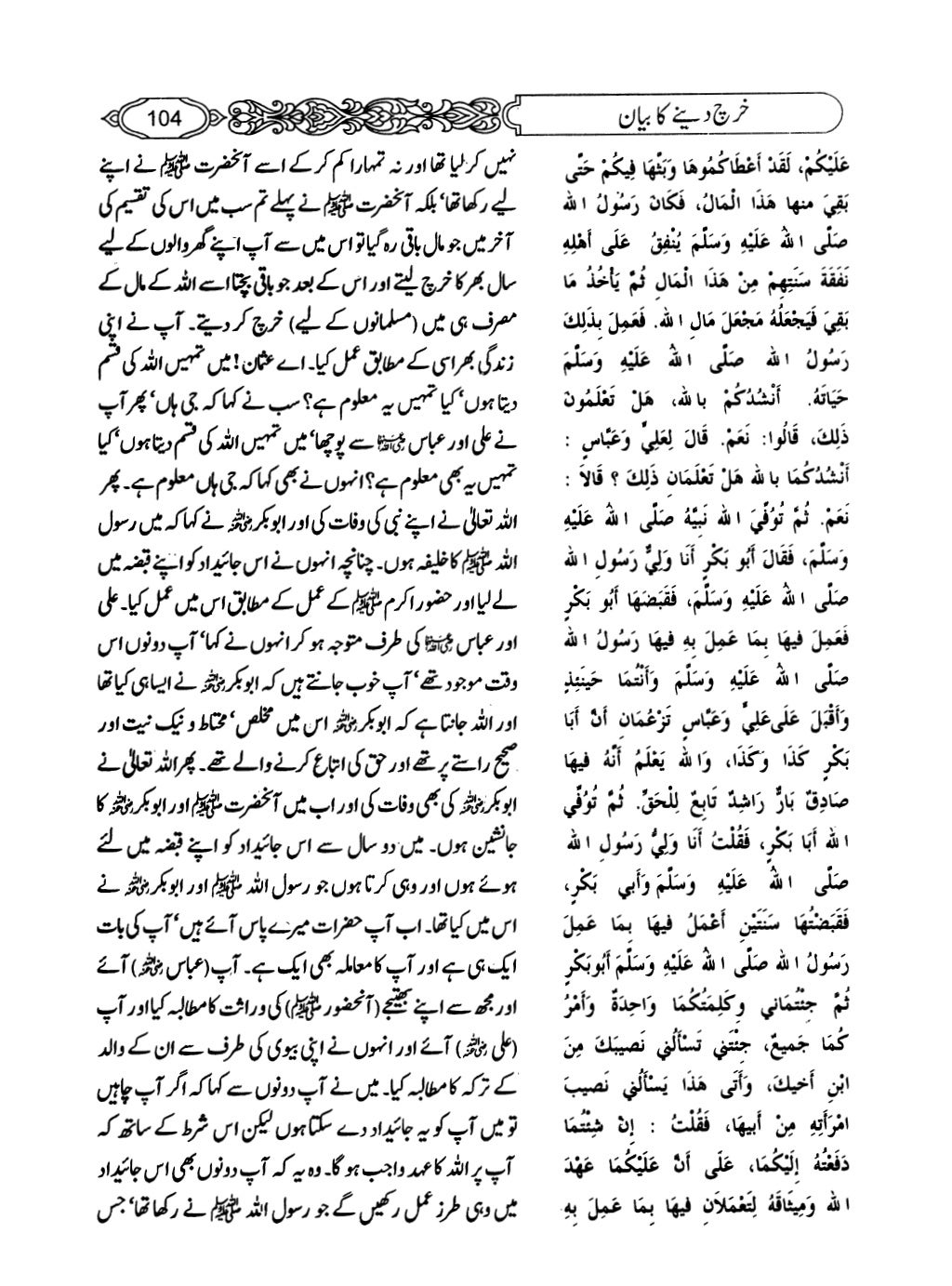
Accessing authentic PDF collections of Sahih al-Bukhari—the most revered book of hadith in Sunni Islam—requires navigating a landscape filled with digital archives, academic repositories, and specific textual considerations. Researchers, students, and educators can acquire verified digital editions by utilizing reputable Islamic heritage portals, open-access academic databases, and verified manuscript repositories while exercising proper critical evaluation of textual integrity, translation accuracy, and formatting types.
Understanding Sahih al-Bukhari and the Need for Digital Access
Sahih al-Bukhari, compiled by the 9th-century scholar Muhammad al-Bukhari, represents a cornerstone of Islamic jurisprudence and theology. Generations of scholars have scrutinized its narrations, organizing them into thematic chapters (kutub) that cover everything from ritual purification to commercial law and moral ethics. In the contemporary era, the digitization of Islamic texts has transformed how these materials are studied. Scholars no longer rely exclusively on physical volumes housed in institutional libraries; instead, they depend on digital editions to search specific chains of narration (isnad), cross-reference hadith numbers, and compare various manuscript traditions.
Accessing these texts in Portable Document Format (PDF) provides several distinct advantages for serious study. PDFs preserve the exact visual layout of print editions, ensuring that page numbers, marginal notes (hawashi), and commentary (shuruh) remain intact. This fidelity is essential for academic citations, where referencing a specific page in a standard print edition—such as the nine-volume Sultani edition or modern critical prints—is standard practice. Furthermore, offline access ensures that researchers can study texts in environments without reliable internet connectivity, maintaining a stable personal library of primary sources.
However, the proliferation of digital files on the internet introduces significant challenges. Not all PDF collections circulating online are created equal. Some contain scanning errors, missing pages, corrupted text layers, or unverified English translations that omit critical contextual notes. Understanding how to source authentic, high-resolution, and properly annotated PDF collections is therefore a critical competency for anyone engaging with classical Islamic literature.
Prerequisites for Evaluating and Using Digital Hadith Texts
Before downloading and utilizing any Sahih al-Bukhari PDF collection, users must establish a clear framework for evaluating textual authenticity and technical compatibility. Sourcing texts without a foundational understanding of hadith literature can lead to reliance on incomplete or altered manuscripts.
Technical and Software Requirements
Reading scanned classical Arabic texts requires appropriate digital tools. Many older PDF collections consist of image-only scans rather than text-searchable documents. To interact effectively with these files, users should ensure they have:
- A reliable PDF reader that supports high-resolution zooming and side-by-side document comparison (such as Adobe Acrobat Reader, Foxit Reader, or specialized academic tools like Zotero).
- Sufficient device storage, as high-DPI scans of multi-volume classical texts often range from 100 megabytes to several gigabytes per set.
- Arabic font support and localized operating system settings if dealing with digital text-embedded PDFs (Mu'jam searchable files) rather than image scans.
Methodological Prerequisites
Beyond technical readiness, users must recognize the structure of Sahih al-Bukhari. A standard complete collection spans multiple volumes (typically between 8 and 10 volumes in Arabic, or 1 to 9 volumes in English translations). Each hadith is assigned a primary numbering system, though discrepancies often exist between traditional numbering (such as the standard Muhammad Muhsin Khan translation or the numbering established by Muhammad Fuad 'Abd al-Baqi). Researchers must verify which numbering scheme a specific PDF utilizes to ensure accurate academic referencing.
Sourcing Verified Bukhari PDF Collections
Acquiring reliable PDF collections involves navigating institutional repositories, academic archives, and established digital libraries dedicated to Islamic heritage. Avoid unverified third-party file-sharing sites that lack editorial oversight.
Academic and Institutional Repositories
The most reliable digital copies originate from institutions that preserve Islamic manuscripts and printed editions. Organizations such as the Library of Congress and major university libraries with Middle Eastern studies departments frequently digitize public-domain scholarly works. These versions usually feature comprehensive front matter detailing the publication history, editor credentials, and manuscript sources used for the print edition.
Specialized Islamic Heritage Platforms
Several long-standing digital libraries specialize in preserving classical Islamic texts in verified PDF formats. Platforms such as the Shamela Library (Al-Maktaba al-Shamela) and Waqfeya Library provide access to scanned copies of foundational commentaries (Sharh), such as Fath al-Bari by Ibn Hajar al-Asqalani, which is indispensable for contextualizing Sahih al-Bukhari. While Shamela primarily provides text-based databases, its associated archiving projects frequently distribute verified PDF versions of print standards.
Open-Access Academic Portals
Repositories like the Internet Archive host numerous historical editions of Sahih al-Bukhari, including late 19th-century and mid-20th-century Indian, Egyptian, and European printings. When utilizing these open archives, users must inspect the title pages to identify the specific editor and publishing house, prioritizing editions vetted by recognized classical scholars or academic institutions.
Comparing Print Layouts and Digital PDF Formats
Evaluating the structural differences between various PDF editions helps researchers select the correct file for their specific needs. The table below outlines the primary categories of Sahih al-Bukhari PDF collections available in the public domain and academic spheres.
| Format Type | Typical Use Case | Advantages | Limitations |
|---|---|---|---|
| Scanned Print Editions (Arabic) | Detailed textual analysis, scholarly research, and traditional study. | Preserves exact page breaks, marginal notes, and editor annotations of trusted print volumes. | Large file sizes; non-searchable unless OCR (Optical Character Recognition) has been applied. |
| Bilingual Parallel PDFs | Comparative linguistic study and cross-checking translations. | Displays Arabic text alongside English or Urdu translations simultaneously. | Often heavily abridged to save space; lacks exhaustive classical commentaries. |
| Single-Volume Compilations (Abridged) | General reading, thematic study, and introductory learning. | Compact file size; easier navigation for casual readers; faster download times. | Omits duplicate chains (mutabi'at and shawahid) and extensive scholarly commentary. |
| Commentary-Integrated PDFs (e.g., Fath al-Bari) | Advanced jurisprudence (fiqh) and deep hadith critique. | Provides immediate access to Ibn Hajar's rigorous methodological breakdown of each narration. | Extremely large multi-volume sets requiring substantial storage and processing power. |
Step-by-Step Guide to Accessing and Organizing Files
Successfully building a digital library of primary hadith texts involves a systematic approach to searching, downloading, and cataloging.
- Define the Required Scope: Determine whether you need the complete unedited Arabic text (Matn), a specific multi-volume commentary, or an English translation.
- Identify Credible Sources: Navigate to recognized digital archives or academic library portals rather than relying on general search engine results that may lead to broken links or altered texts.
- Inspect Document Metadata: Upon downloading a PDF, examine the opening pages for publication details, including the printing year, publishing house, and editorial board. Verify that the edition matches standard academic citations.
- Perform Text Quality Verification: Check a random selection of pages to ensure the resolution is sharp enough for legibility, particularly for diacritical marks (tashkeel) which alter word meanings in Arabic.
- Organize via Reference Managers: Import the PDFs into reference management software (such as Zotero or Mendeley) or establish a structured folder hierarchy categorized by volume and commentary type to maintain long-term organization.
Troubleshooting Common Digital Access Issues
Researchers frequently encounter technical and structural hurdles when working with classical PDF collections. Addressing these issues ensures uninterrupted study sessions.
Corrupted Files and Download Interruptions
Because many classical PDF collections are multi-gigabyte files containing high-resolution scans of entire multi-volume libraries, downloads frequently fail or result in corrupted files that refuse to open. If a PDF displays an error message indicating damage or missing structural elements, clear your browser cache, utilize a download manager that supports file resumption, or seek an alternative mirror link from a trusted institutional archive.
Optical Character Recognition (OCR) Limitations
Many scanned Arabic PDFs lack underlying text layers, making keyword searches impossible. Users attempting to find specific hadiths by searching keywords must rely on manual index checking (faharis) located at the end of the volumes. To overcome this limitation, advanced users can process unsearchable PDFs through desktop OCR software specifically calibrated for Arabic script, though accuracy depends heavily on the clarity of the original print scan.
Translation Discrepancies
When accessing English PDF translations, users often encounter variations in terminology and numbering. A narration labeled as Hadith 1234 in one translation may carry a different index number in another due to divergent numbering methodologies adopted by modern translators. Always cross-reference narrations using the book (kitab) and chapter (bab) headings rather than relying solely on sequential digital indices.
Frequently Asked Questions
Is it legal to download free PDF collections of Sahih al-Bukhari?
Most classical texts compiled over a millennium ago exist in the public domain. However, modern typography, proprietary typesetting, and specific English or contemporary Arabic translations remain protected by copyright law. Users should ensure they download materials from repositories that operate under open-access permissions, creative commons licenses, or explicit publisher authorization for non-commercial educational use.
What is the difference between text-searchable PDFs and scanned image PDFs?
Scanned image PDFs function like digital photographs of physical book pages, meaning the computer cannot read the individual words for searching. Text-searchable PDFs contain an invisible underlying text layer generated via OCR, allowing users to instantly locate specific terms, narrator names, or hadith numbers using standard keyboard shortcuts.
How can I verify if an online Bukhari PDF is authentic and unedited?
Authenticity is verified by checking the publication details against established print standards. Trusted PDFs include the name of the classical verifier (such as Muhammad Fuad 'Abd al-Baqi or Sheikh Zuhayr Nasir al-Nasir), publisher seals, and complete introductory notes detailing the manuscript sources utilized for the print edition.
Which English translation is most commonly found in digital PDF collections?
The translation by Dr. Muhammad Muhsin Khan, often published alongside the Arabic text in a multi-volume format under the supervision of the University of Medina, is the most widely distributed English edition available in digital archives.
Conclusion and Next Actions
Accessing reliable Sahih al-Bukhari PDF collections requires a deliberate balance of technical awareness and methodological scrutiny. By prioritizing institutional archives, verifying publication metadata, and organizing files systematically, researchers can build a robust digital library that supports rigorous academic and spiritual study. For your next step, select one verified multi-volume repository, download a specimen volume to test your PDF reader's rendering capabilities, and cross-reference a familiar hadith to confirm its structural integrity before expanding your personal archive.