To accept the Lord and build the house means establishing a personal relationship with Jesus Christ as the foundation of your life while allowing divine wisdom to direct your family, career, and character. This process integrates spiritual salvation with the practical application of biblical principles to ensure your efforts yield lasting, meaningful results.
Understanding the Foundation: What It Means to Accept the Lord
Before any structure can be erected, the ground must be prepared and a foundation laid. In a spiritual context, "accepting the Lord" is the act of internalizing the Christian faith through a conscious decision to follow the teachings and person of Jesus Christ. As we move through 2026, the world remains a place of rapid change and shifting values, making a stable spiritual foundation more critical than ever.
Acceptance is not merely a cognitive agreement with historical facts; it is a transactional and relational shift. Transactionally, it involves acknowledging the need for spiritual restoration—often referred to as salvation. Relationally, it involves a commitment to discipleship. When you accept the Lord, you are essentially hiring the "Master Architect" to oversee every subsequent project in your life.
This foundation is built on three specific pillars:
- Repentance: Turning away from self-centered "building" and acknowledging that human effort alone is insufficient for eternal or even internal peace.
- Faith: Trusting in the unseen blueprints provided by scripture and the guidance of the Holy Spirit.
- Submission: Relinquishing the role of "Lead Architect" to God, acknowledging that His designs for your life are superior to your own.
Without this foundation, any "house" you build—be it a family, a business, or a personal reputation—is susceptible to the "soil erosion" of cultural shifts, personal crises, and the passage of time.
The Mandate of Psalm 127:1: Unless the Lord Builds the House
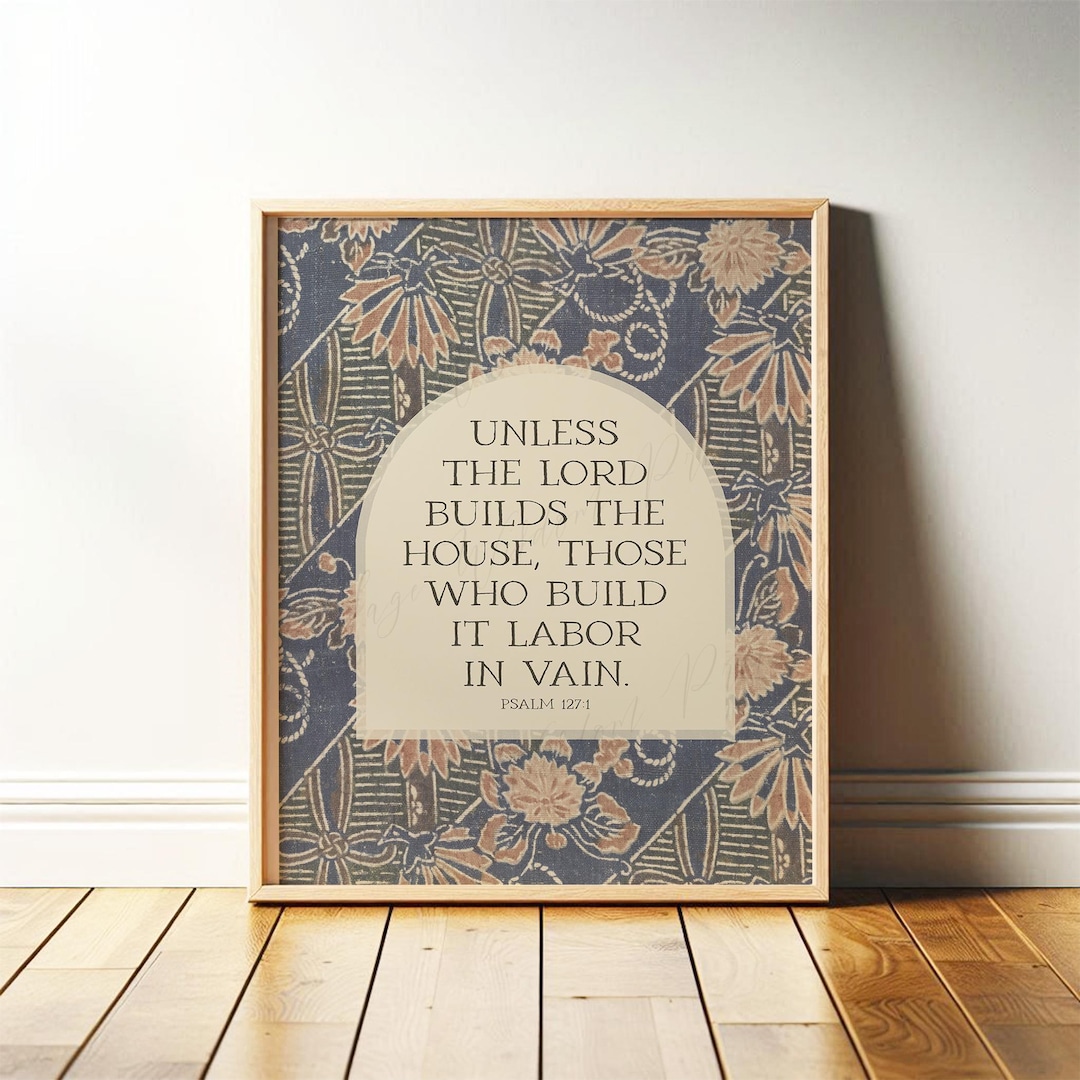
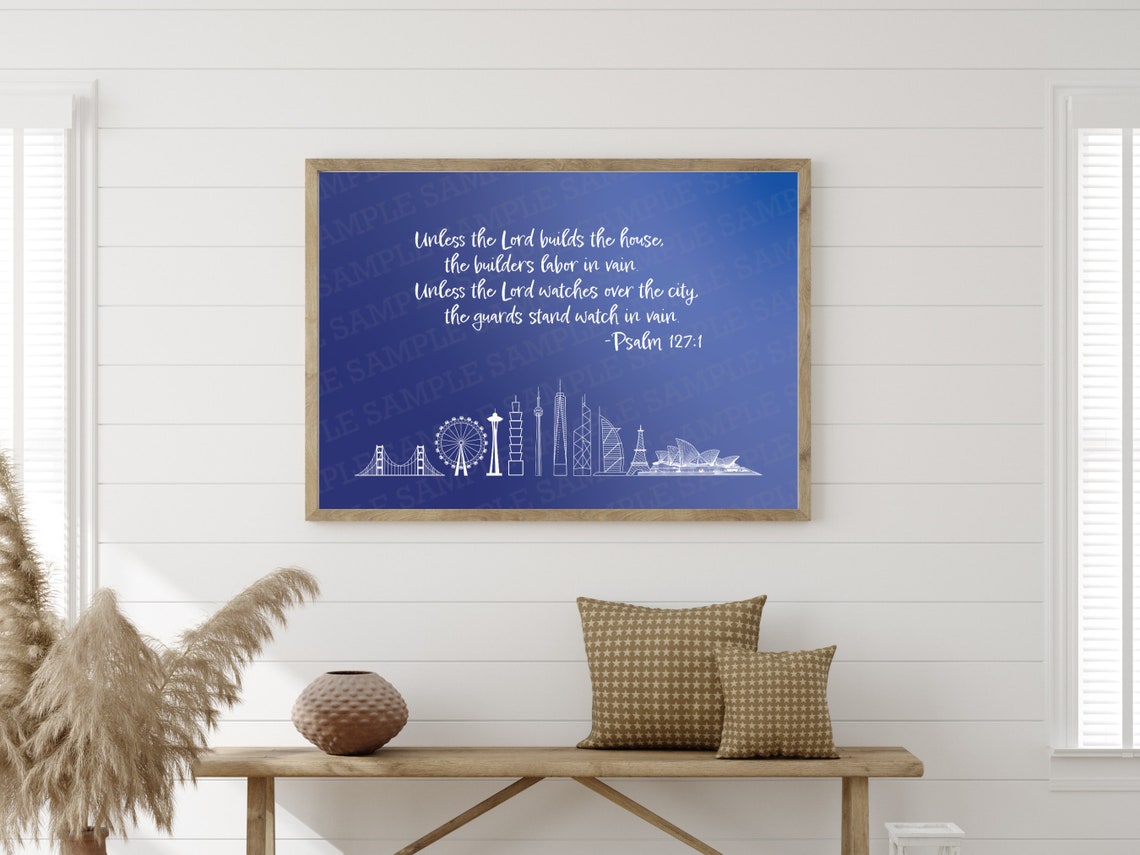
The phrase "build the house" finds its most profound expression in Psalm 127:1: "Unless the Lord builds the house, those who build it labor in vain." This scripture serves as a technical warning against the futility of human effort detached from divine purpose.
In the original Hebrew context, the "house" refers to several entities: the physical dwelling, the family lineage, and the spiritual temple. To build in vain does not mean that you won't achieve results; it means the results will lack structural integrity at a soulful level. You may build a multi-million dollar corporation or a beautiful home, but if the Lord is not the primary builder, the "laborers" (you and those around you) will experience a sense of emptiness or "vanity."
Building with the Lord involves a collaborative effort. It is not a passive experience where you sit back and wait for a house to appear. Instead, it is a partnership where you provide the labor and God provides the breath, the wisdom, and the ultimate stability. In 2026, where "hustle culture" still dominates many professional spheres, this concept offers a counter-cultural rest: you work hard, but you do not work alone, and you do not carry the ultimate burden of the outcome.
The Practical Blueprints: How to Let God Build Your Life
To allow the Lord to build your house, you must follow a set of spiritual "building codes" or blueprints. These are found within the Word of God and are activated through consistent practice.
Seeking Divine Wisdom Through Scripture
The Bible functions as the ultimate technical manual. It provides specifications for how to treat others, how to manage finances, and how to govern one’s internal thoughts. To "build" using these blueprints, one must move beyond casual reading to deep study. This involves applying specific biblical principles to modern dilemmas, such as ethical AI usage, digital community boundaries, and sustainable living in a resource-conscious 2026.
The Role of Prayer as Consultation
If God is the Architect, prayer is the daily consultation meeting between the builder and the designer. Many people make the mistake of building an entire "wing" of their life—such as a new career move or a major relationship—and only then asking God to bless it. Real building requires consulting the Architect before the first stone is laid. This creates a rhythm of dependency that prevents costly spiritual "remodeling" later in life.
Stewardship vs. Ownership
A major shift occurs when you realize the "house" you are building actually belongs to the Lord. Whether it is your physical home, your children, or your talents, you are a steward, not an owner. This mindset reduces the anxiety of building because the ultimate responsibility for the property lies with the Owner. Stewardship demands excellence in maintenance and growth, but it removes the crushing weight of self-derived identity.
Building the "House" of Character and Integrity
The most important house you will ever build is the one that lives inside your skin. Character is the internal framing that supports the external facets of your life. When you accept the Lord, the process of "sanctification" begins—this is the spiritual equivalent of bringing an old building up to modern safety codes.
Developing Structural Integrity
Structural integrity in a person is defined by honesty, humility, and resilience. A house built on "shortcuts"—such as deceit or cutting corners in relationships—may look good on the outside, but it will fail under the pressure of a "storm" (crisis). Building character with the Lord involves allowing Him to prune away toxic habits and replace them with what the Bible calls the "Fruit of the Spirit": love, joy, peace, patience, kindness, goodness, faithfulness, gentleness, and self-control.
Weatherproofing the Soul
In 2026, the "climate" of public discourse and social pressure can be harsh. Weatherproofing your soul involves grounding yourself in eternal truths that do not change regardless of the political or social season. This is achieved through community—fellowship with other "builders"—and the regular practice of worship, which realigns your perspective with the magnitude of the Creator rather than the magnitude of your problems.
Building the "House" of Family and Legacy
For many, "building the house" refers specifically to the family unit. In an era where the definition of family continues to evolve, the biblical model remains a fixed point of reference.
Parenting as Discipleship
Building a family is not just about providing food and shelter; it is about "discipling" the next generation. This means teaching children the same blueprints you are using. It involves creating a home environment where the presence of God is a tangible reality, not a Sunday-only concept.
Marriage as a Covenantal Foundation
If a house is a family, the marriage is the foundation. A marriage built on "contractual" terms (what can I get out of this?) is far less stable than one built on "covenantal" terms (what can I give to this?). When the Lord builds the marriage, it is reinforced by grace, forgiveness, and a shared mission that transcends personal happiness.
Comparison: Man-Centered vs. God-Centered Building
The following table compares the outcomes and characteristics of building a life based on human effort versus building with the Lord.
| Feature | Man-Centered Building | God-Centered Building |
|---|---|---|
| Primary Source | Personal talent and ambition | Divine wisdom and the Holy Spirit |
| Foundation | Shifting cultural values | The "Rock" (Jesus Christ) |
| Goal | Self-glorification and security | God’s glory and service to others |
| Reaction to Storms | Fear, anxiety, and structural collapse | Peace, endurance, and hope |
| View of Success | Accumulation of assets/praise | Faithfulness to the "Blueprint" |
| Sustainability | High risk of burnout and "vanity" | Renewed strength and eternal impact |
| Labor Quality | Often forced or frantic | Disciplined, yet resting in Grace |
Common Mistakes in the Building Process
Even those who have accepted the Lord can fall into traps that hinder the building process. Recognizing these early can save years of frustration.
The "God as a Consultant" Trap
Some believers treat God like a consultant they call only when there is a structural failure. They manage their own finances, relationships, and time until something breaks, and then they expect a quick fix. Building the house requires God to be the Lead Architect from day one, involved in the mundane details of the "zoning" and "plumbing" of your life.
Neglecting the "Internal Inspections"
It is easy to focus on the external appearance of the house—professional success, religious activity, or social standing. However, the Lord is concerned with the "wiring" behind the walls. Ignoring internal sin, bitterness, or pride is like ignoring faulty electrical wiring; eventually, it will cause a fire that destroys the external structure.
Over-Laboring and the Absence of Rest
Psalm 127 continues by mentioning that it is "vain" to rise up early and stay up late, eating the "bread of anxious toil." If your "building" process is characterized by constant anxiety and a lack of sleep, you are likely building in your own strength. The Lord grants sleep to those He loves, implying that a God-built house allows for a rhythm of work and rest.
Frequently Asked Questions
What if I have already built much of my life without the Lord?
It is never too late for a structural "retrofit." Accepting the Lord today allows Him to enter the existing structure of your life. While some "walls" may need to be torn down and rebuilt, God is a master at restoration. He can take a life built on sand and, through grace, slide a new foundation under it, strengthening what remains and redeeming the years of "vain labor."
How can I tell if the Lord is the one building my house?
A key indicator is the "fruit" of your labor. Is there a sense of peace even during challenges? Are your relationships characterized by selfless love? Another sign is alignment with Scripture. If your "building" requires you to compromise biblical ethics, you can be certain that the Lord is not the one directing that specific part of the construction.
Does "building the house" only apply to families?
No. The "house" is a metaphor for any significant endeavor or the totality of your life. This includes your single life, your career, your education, or your ministry. Any area where you invest time and energy is a "building" project that requires a divine foundation.
Can I accept the Lord but still build my own house?
While many people attempt this, it leads to a divided life. James 1:8 describes this as being "double-minded" and unstable. To truly "accept the Lord" is to accept His Lordship over the "construction site." If you try to hold onto the blueprints yourself, you will find yourself in constant conflict with the Master Builder.
What is the first practical step to start building with the Lord?
The first step is a prayer of surrender. Acknowledge that your previous efforts have been based on your own strength and invite the Lord to take over the project. Following this, commit to a daily "consultation" in the Word and join a community of other builders (a local church) who can provide the "scaffolding" of support and accountability.
Next Actions for the "Builder"
If you are ready to move from "vain labor" to purposeful construction, consider these immediate steps:
- Conduct a Site Survey: Evaluate the various areas of your life (finances, family, habits). Identify which areas you have been building without divine consultation.
- Repent and Realign: Confess the areas of self-reliance and ask for God’s "blueprints" for those specific situations.
- Engage the Manual: Commit to reading a portion of the New Testament daily, specifically looking for "building codes" for how to live.
- Find a Crew: Connect with a faith community. Building a house is not a solo project; you need the expertise and encouragement of others who are also building with the Lord.