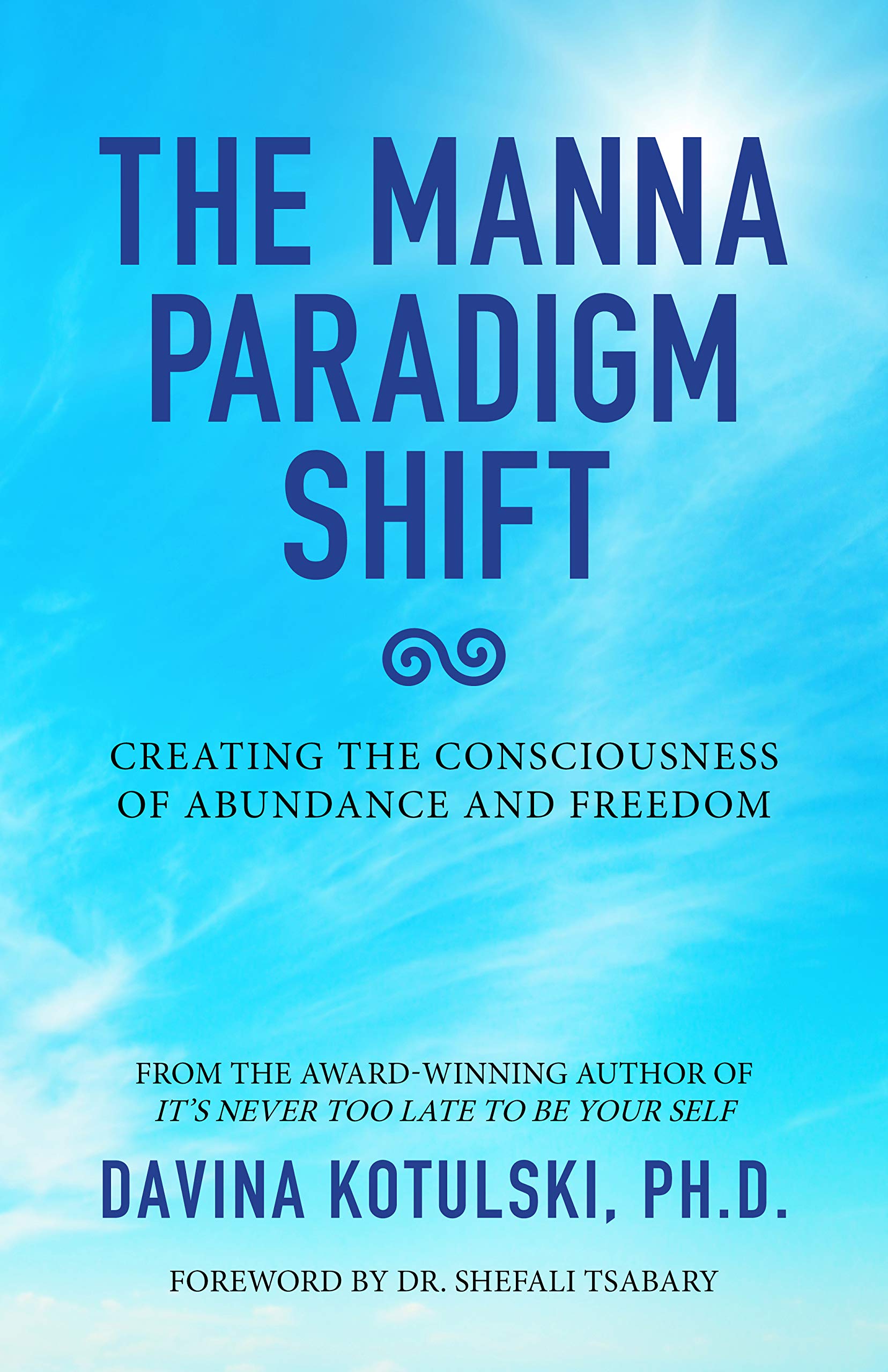
Abundance consciousness is a psychological and cognitive framework that emphasizes the perception of sufficient resources, opportunities, and possibilities, standing in direct contrast to a scarcity mindset. By shifting one’s internal perspective from deficit-based thinking to a model of expansion, individuals can improve decision-making processes, reduce chronic stress, and systematically optimize their personal and professional resource allocation.
Defining the Scarcity vs. Abundance Paradigm
The foundational premise of abundance consciousness, as explored in organizational psychology and cognitive behavioral studies, centers on the "scarcity trap." When individuals operate under a perceived lack of time, money, or emotional bandwidth, the brain’s "bandwidth" is taxed. Research from economists like Sendhil Mullainathan and Eldar Shafir has demonstrated that scarcity acts as a cognitive load, narrowing focus so intensely that long-term strategic planning often suffers.
Abundance consciousness is not about ignoring physical reality or financial constraints. Rather, it is the deliberate practice of decoupling one's emotional state and cognitive focus from the immediate fear of depletion. By recognizing that certain resources—such as creative ideas, networking opportunities, and skill acquisition—are non-zero-sum, individuals can begin to prioritize growth over defensive resource hoarding.
The Cognitive Mechanisms of Resource Perception
To understand how abundance consciousness functions, one must first recognize the biological roots of our threat-detection systems. The human brain is evolutionarily wired for "negativity bias," which prioritizes identifying potential threats or losses over identifying opportunities. This was a survival mechanism in ancestral environments where resources were strictly finite.
In the 2026 economic landscape, however, this evolutionary bias frequently results in "tunneling." Tunneling occurs when the brain becomes so focused on solving an immediate, urgent problem—like a looming deadline or a budget shortfall—that it ignores peripheral information that could offer a more efficient, long-term solution. Abundance consciousness functions as an intentional counter-measure to this tunneling by encouraging "broadening and building"—a concept in positive psychology where positive internal states allow for a wider array of behavioral responses.
Prerequisites for Adopting an Abundant Framework
Transitioning toward this mindset requires a structured approach to self-regulation and environmental awareness. Before attempting to reframe your thought patterns, ensure the following prerequisites are met to avoid the trap of "toxic positivity":
- Financial and Operational Transparency: You cannot build a mindset of abundance if you do not understand your baseline reality. Conduct a thorough audit of your current assets, liabilities, and commitments.
- Identification of Triggers: Document the specific scenarios that trigger a scarcity response. Is it a notification of a new bill? Is it hearing about a competitor’s success? Identifying the trigger is the first step toward disarming the fight-or-flight response.
- Defining Core Goals: Abundance consciousness is most effective when channeled toward specific objectives. A generalized "feeling of plenty" is often insufficient; you need a target—such as a specific career pivot or a financial goal—to focus your newly expanded cognitive bandwidth.
Practical Steps to Cultivate an Abundant Mindset
Integrating this practice into daily life involves moving from abstract theory to actionable cognitive hygiene.
1. Reframing the "Zero-Sum" Fallacy
Many professionals operate under the belief that for them to win, someone else must lose. This is rarely true in professional networking, knowledge sharing, or creative collaboration. When you share information or support others, you expand the network, which often leads to reciprocal value creation. This is a non-zero-sum outcome.
2. Strategic "Savoring" of Resources
Identify your current non-monetary assets: your network, your health, your existing skill sets, and your time. Regularly inventory these assets to remind the brain that you possess a surplus of starting materials. This practice prevents the brain from defaulting to the scarcity bias when confronted with a new challenge.
3. Iterative Decision-Making
Scarcity-driven decisions are often reactive and rushed. Abundance-informed decisions are iterative. If you are struggling with a complex project, the scarcity mindset says, "I must solve this now or fail." An abundant mindset asks, "What is one small step I can take that improves my position, even if it does not solve the entire problem today?"
Comparison: Scarcity vs. Abundance in Decision Making
| Feature | Scarcity-Driven Approach | Abundance-Driven Approach |
|---|---|---|
| Time Horizon | Short-term/Urgent | Long-term/Sustainable |
| Resource View | Hoarding/Defensive | Investing/Collaborative |
| Failure Response | Avoidance/Panic | Learning/Iteration |
| Peer Relation | Competitive/Suspicious | Cooperative/Leveraged |
| Cognitive Load | High (Tunneling) | Low (Broadened Perspective) |
Common Mistakes and Barriers
When "exploring" abundance consciousness, several pitfalls often obstruct progress. Awareness of these barriers is essential for maintaining a grounded, effective practice.
- Ignoring Reality: The most common mistake is confusing abundance consciousness with financial denial. If your expenses exceed your income, an abundance mindset does not mean spending more; it means identifying where you can increase your income or decrease waste without emotional panic.
- The Comparison Trap: Modern social platforms are designed to trigger scarcity by highlighting the extreme successes of others. Comparing your "behind-the-scenes" to someone else’s "highlight reel" creates artificial feelings of deficit that derail productive effort.
- Passive Thinking: Mere affirmation is not a strategy. Abundance consciousness is a tool for behavioral change, not a magic solution. If it is not paired with concrete, high-leverage actions, it is simply wishful thinking.
Frequently Asked Questions
Is abundance consciousness a form of manifestation or "Law of Attraction"? No. While they share some surface language, abundance consciousness is a cognitive framework rooted in behavioral psychology and economics. It focuses on optimizing the human brain to perceive opportunities that are already present, whereas "manifestation" typically relies on metaphysical assumptions not supported by empirical data.
Can I practice this if I am currently in a state of genuine financial hardship? Yes, but the application changes. When you are in actual need, your primary objective is to move toward stability. Abundance consciousness in this context means maintaining the cognitive clarity required to solve the problem—avoiding the panic that leads to high-interest debt or impulsive, poorly researched decisions.
How does this affect my relationships with others? Adopting this mindset often leads to better networking. When you stop viewing others as threats to your limited pool of resources, you become more collaborative, which naturally attracts mutually beneficial partnerships and reduces social friction.
What is the "bandwidth" concept mentioned in this article? Bandwidth refers to the finite amount of cognitive capacity an individual has for processing information, making decisions, and managing emotions. Scarcity consumes this bandwidth, leaving less room for analytical thinking and emotional regulation.
How long does it take to see results? Cognitive reframing is a habit-based process. You may notice improvements in your stress levels within a few weeks of consistent practice, but structural changes in how you approach long-term decision-making usually take several months of deliberate effort.
Next Steps and Implementation
To begin, start a 30-day "resource audit." Every evening, write down three assets (skills, connections, or time windows) you utilized that day that allowed you to progress. By explicitly tracking your capacity rather than just your "to-do" list of deficits, you begin to retrain your brain to scan for available resources rather than just missing pieces.
If you find that your scarcity triggers are rooted in financial instability, prioritize the creation of a "buffer account" as your first project. Knowing you have a reserve—even a small one—is one of the most effective ways to lower the biological "threat" response that triggers scarcity thinking. By reducing the noise of survival, you gain the signal clarity needed for higher-level strategic thinking.