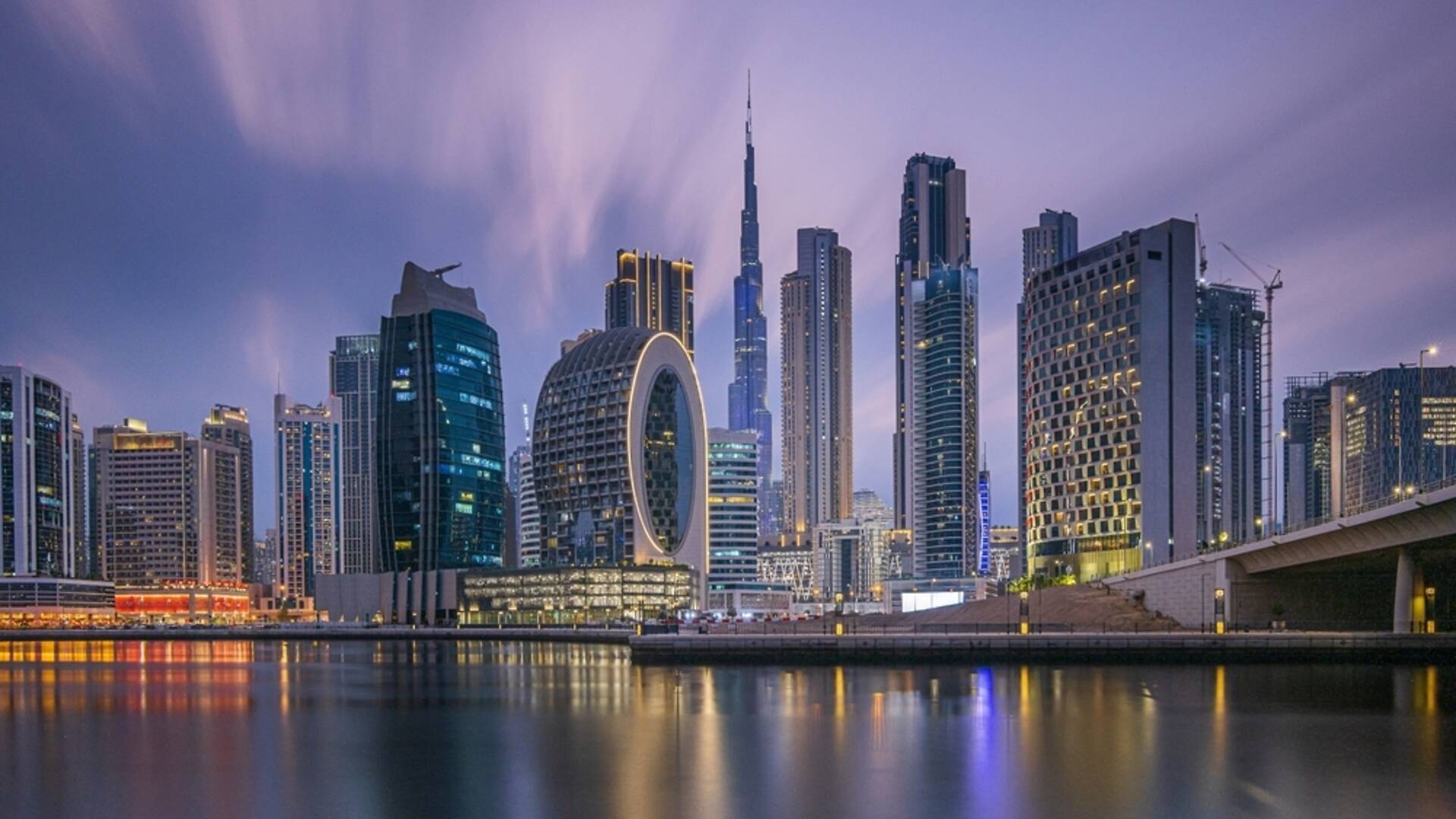
Abu Dhabi is widely considered one of the safest cities in the world, characterized by very low rates of violent crime, high levels of social stability, and a robust, proactive policing infrastructure. Travelers and residents alike consistently report feeling secure in public spaces at all hours, benefiting from a legal and social framework that prioritizes public order and community safety.
The Foundation of Safety in Abu Dhabi
The safety profile of Abu Dhabi is not a coincidence but the result of deliberate policy, cultural norms, and a highly visible law enforcement presence. As the capital of the United Arab Emirates, Abu Dhabi benefits from a centralized security apparatus that employs advanced technology and widespread surveillance to maintain order.
Law Enforcement and Public Surveillance
The Abu Dhabi Police force is known for its high level of professionalism and the integration of modern technology into daily operations. Throughout the city, including residential neighborhoods, shopping malls, and public transportation hubs, security cameras are ubiquitous. This surveillance network serves as a powerful deterrent against petty and serious crime alike. The presence of both uniformed and plainclothes officers is consistent, ensuring rapid response times to any incident.
Cultural Norms and Social Stability
Safety in Abu Dhabi is deeply intertwined with local cultural expectations. The UAE society places a high value on respect, privacy, and adherence to established social norms. Public intoxication, aggressive behavior, and disorderly conduct are socially discouraged and legally prohibited, which contributes significantly to the feeling of personal safety even in crowded urban environments. For expatriates and tourists, understanding and respecting these local norms is a primary factor in navigating the city smoothly.
Crime Statistics and Risk Assessment
When evaluating whether Abu Dhabi is safe, it is essential to look at the statistical reality. The city consistently ranks at the top of various global safety indices, such as the Numbeo Safety Index, which tracks perceptions of safety in major metropolitan areas.
Violent vs. Property Crime
Violent crime is statistically extremely rare in Abu Dhabi. While no major city is entirely free of criminal activity, incidents involving physical assault or muggings are virtually non-existent for the average resident or traveler. Property crimes, such as pickpocketing or bag snatching, do occur occasionally in high-density tourist areas but remain infrequent compared to other global capitals. Standard precautions—such as not leaving bags unattended in public—are encouraged, not because of a pervasive threat, but as a matter of common-sense vigilance.
Road Safety and Traffic
While criminal violence is low, road safety represents the most significant "safety" risk for those in Abu Dhabi. The city features high-quality, modern infrastructure, but traffic flows can be fast-paced, and driving habits can vary significantly among a diverse international population. Traffic regulations are strictly enforced by automated systems, including speed cameras and sensors at intersections. For visitors intending to rent a car, it is critical to adhere strictly to speed limits and remain alert, as fines are heavy and enforced through digital integration with vehicle registration systems.
Comparative Safety Analysis: Abu Dhabi vs. Other Global Hubs
To understand the level of safety in Abu Dhabi, it is helpful to compare it against other international financial and tourism centers. The following table highlights common safety metrics evaluated by travelers.
| Safety Indicator | Abu Dhabi | Typical Global Capital |
|---|---|---|
| Violent Crime Rate | Extremely Low | Moderate |
| Walking Alone at Night | Very Safe | Context-Dependent |
| Police Presence | High / Visible | Variable |
| Emergency Response | Highly Efficient | Varies by Region |
| Property Crime | Very Low | Moderate to High |
| Digital/Cyber Awareness | Very High | High |
Navigating Legal and Behavioral Expectations
Safety in Abu Dhabi is inextricably linked to compliance with local laws. The legal system is based on civil law influenced by Sharia principles, and the judiciary operates with a strict interpretation of public order.
Public Conduct and Zero Tolerance
The UAE maintains a zero-tolerance policy regarding certain behaviors that may be considered benign in other parts of the world. This includes:
- Public Decorum: Public displays of affection, while not necessarily illegal, can attract negative attention and should be kept modest.
- Substance Abuse: There is a strict legal framework regarding alcohol and drugs. Alcohol is available in licensed venues (hotels, bars, and specific clubs), but public intoxication is a serious offense that can lead to detention or deportation.
- Digital Communication: Laws regarding social media usage are strict. Posting negative, defamatory, or "offensive" content—including images of people without their consent—can result in significant legal consequences.
Emergency Services and Assistance
In the event of an emergency, the infrastructure in Abu Dhabi is among the best in the world. Residents and tourists can access help through standardized emergency numbers:
- Police: 999
- Ambulance: 998
- Fire Department: 997
These services are multilingual and highly responsive. In most cases, operators are trained to handle inquiries in both Arabic and English, ensuring that language barriers do not impede access to emergency support.
Practical Guidance for Tourists and New Residents
For those planning to visit or relocate to Abu Dhabi in 2026, maintaining a high level of safety is relatively straightforward. Most challenges faced by expatriates or tourists are administrative or cultural rather than physical.
Digital Safety and Documentation
As the UAE continues its digital transformation, many government services, including those related to health and movement, are accessed via mobile applications. Keeping digital copies of your passport, visa, and essential travel documents in a secure, encrypted cloud space is a modern best practice that assists in the event of loss or theft.
Health and Climate Considerations
"Safety" in Abu Dhabi also encompasses environmental factors. The heat during summer months (June through September) can be extreme, with temperatures frequently exceeding 40°C (104°F). Safety protocols include staying hydrated, avoiding prolonged exposure to direct sunlight during peak hours, and being aware of the symptoms of heat exhaustion. The city is well-prepared for this, with extensive indoor climate-controlled environments.
Frequently Asked Questions
Is it safe for a solo female traveler to visit Abu Dhabi? Yes, Abu Dhabi is considered one of the safest destinations for solo female travelers. Women can navigate the city, use public transportation, and dine alone without significant risk. As with any global destination, dressing modestly and being aware of one’s surroundings in quieter, less populated areas at late hours is advised.
Do I need specific insurance for my stay? While Abu Dhabi has a world-class healthcare system, it is private and expensive. It is strongly recommended to have comprehensive travel insurance that includes emergency medical coverage. If you are a resident, your employer is legally mandated to provide a medical insurance policy.
What happens if I accidentally break a local law? The authorities treat ignorance of the law as no excuse. Minor infractions, such as traffic violations, are usually dealt with via immediate fines. For more serious issues, the judicial process is formal. If an issue arises, contact your embassy or consulate immediately, as they can provide lists of legal counsel and ensure you are being treated in accordance with international standards.
Are there areas of Abu Dhabi that should be avoided? There are no "no-go" zones in Abu Dhabi. The entire city, including residential suburbs and industrial zones, is monitored and generally safe. Travelers should stick to standard safety protocols as they would in any major city, such as staying in well-lit areas at night and securing personal valuables.
How does the political climate impact my safety? Abu Dhabi is the center of the UAE’s political administration and is characterized by long-term stability. The political climate is stable, and there is no threat of civil unrest. However, visitors should avoid participating in or filming any political gatherings or demonstrations, as these are highly restricted.
Final Recommendation
Abu Dhabi remains a premier destination for those seeking a secure, stable, and highly organized environment. For the overwhelming majority of visitors and residents, the primary safety concerns are not related to crime, but rather to navigating the specific cultural, legal, and environmental requirements of the region.
To ensure a trouble-free experience, familiarize yourself with the current guidelines provided by the UAE government via their official portals. If you are traveling, keep your documents updated, respect local customs, and maintain awareness of the legal prohibitions regarding public behavior. By adhering to these standard requirements, you can take full advantage of the high quality of life and safety that Abu Dhabi offers.