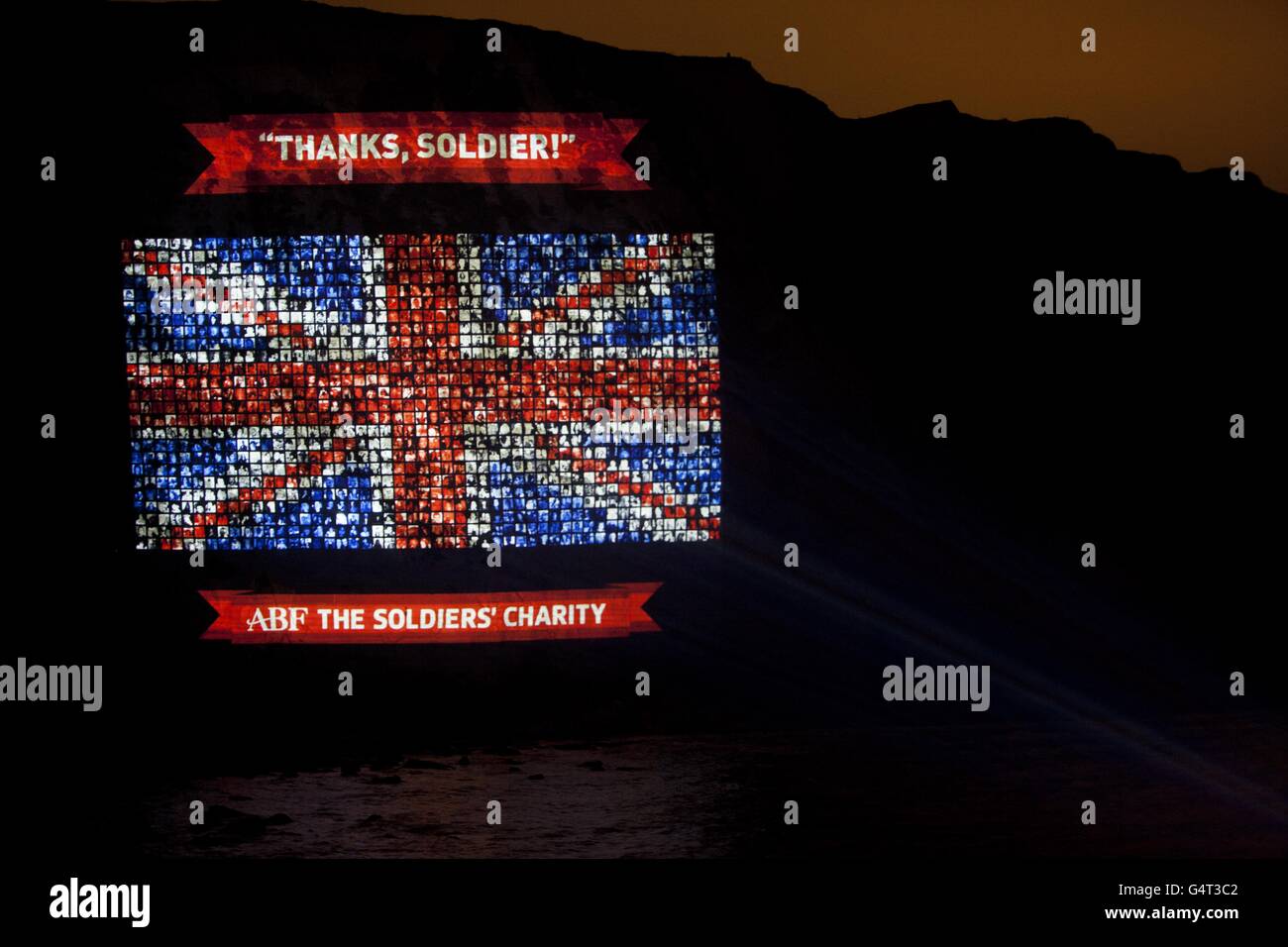
ABF The Soldiers' Charity—originally founded in 1944 as the Army Benevolent Fund—is the national charity of the British Army. It provides lifelong financial, practical, and emotional support to serving soldiers, veterans of the Regular Army and Army Reserve, and their immediate eligible dependants during times of financial hardship, illness, disability, or transition to civilian life.
Overview and Historical Mission of ABF The Soldiers' Charity
Established in 1944 during the Second World War, the Army Benevolent Fund was created to address a critical national priority: ensuring that soldiers returning from war, along with their families, would not suffer destitute conditions or lack institutional care. As the nature of military conflict evolved through post-war counter-insurgency operations, the Cold War, peace-keeping missions, and modern conflicts in Iraq and Afghanistan, the charity adjusted its operations to match the changing requirements of British military personnel.
In 2009, the organization adopted the working name ABF The Soldiers' Charity to increase public awareness while maintaining its registered charity title, the Army Benevolent Fund (Registered Charity No. 211626 in England and Wales, SC039180 in Scotland). As the British Army's flagship welfare organization, it maintains a broad remit to ensure that every soldier, former soldier, and eligible family member receives tailored assistance whenever hardship arises.
The charity operates on a dual-benefit grant model:
- Direct Individual Grants: Financial assistance provided directly to individuals to solve immediate welfare crises, purchase specialized mobility equipment, fund home adaptations, or assist with essential living expenses.
- Block Grants to Partner Charities: Substantial organizational funding provided to specialist military and civilian charities—including mental health providers, employment agencies, housing associations, and mobility organizations—to maintain national support infrastructure across the United Kingdom.
Eligibility Criteria: Who Can Access Support?
To receive support from ABF The Soldiers' Charity, applicants must satisfy defined service and dependency criteria. The charity takes an inclusive view of service, recognizing that hardship can emerge decades after an individual leaves the Armed Forces.
ABF ELIGIBILITY CRITERIA GROUPS:
- MILITARY PERSONNEL
- Regulars
- Reserves
- Veterans
- Conscripts
- DEPENDANTS & FAMILIES
- Spouses
- Widows/ers
- Children
- Carers
Qualifying Military Service
An applicant must meet one of the following service profiles:
- Regular British Army Personnel: Currently serving officers and soldiers of the Regular Army, or those who have completed basic training and served at least one day in the Regular Forces.
- Army Reserve Personnel: Current or former members of the Army Reserve (and historically the Territorial Army) who have completed basic training, provided their hardship or need is linked to their service or occurs during an active service period, or who meet general veteran criteria post-mobilization.
- National Service Personnel: Historical conscripts who completed compulsory National Service in the British Army between 1947 and 1963.
Eligible Dependants and Bereaved Families
Support is not restricted solely to the person who wore the uniform. Recognizing the sacrifices made by military households, ABF The Soldiers' Charity extends eligibility to:
- Spouses and Civil Partners: Current legal spouses or civil partners of serving or former Army personnel.
- Widows and Widowers: Surviving partners of deceased soldiers or veterans, regardless of whether the death was directly attributable to military service.
- Dependent Children: Biological, adopted, or stepchildren under the age of 18 (or up to age 25 if remaining in full-time education), or adult dependent children living with severe physical or intellectual disabilities.
- Primary Carers: In specific circumstances, non-family primary carers who provide continuous support to severely injured or disabled veterans may qualify for auxiliary support grants through accredited casework channels.
Key Support Categories and Individual Assistance Programs
The charity structures its financial assistance across several core operational domains. Every grant application is evaluated based on individual need, financial means testing, and the availability of state support, ensuring that charitable funds deliver maximum relief without replacing statutory entitlements.
1. Housing Assistance and Home Adaptations
Maintaining safe, accessible housing is a primary pillar of the charity’s work. When illness, physical injury, or operational trauma alters a soldier's or veteran's mobility, standard housing can become difficult to navigate.
- Disability Adaptations: Funding stairlifts, wet rooms, access ramps, widened doorways, and outdoor hoists.
- Housing Deposit and Moving Support: Assisting veterans leaving the Army or facing homelessness with initial rental deposits, removal costs, and basic furniture provisions.
- Emergency Property Repairs: Covering urgent repairs for structural defects, boiler failures, or hazardous conditions when the veteran lacks independent financial means to pay.
2. Mobility and Independent Living
Loss of mobility, whether due to combat injury or age-related conditions, directly impacts personal independence. The charity funds equipment that public health services (such as the NHS) or local authorities cannot fully provide or quickly deliver.
- Specialist powered wheelchairs and mobility scooters tailored to complex physical needs.
- Custom vehicle adaptations, including hand controls, loading ramps, and transfer seats.
- Prosthetics, orthotics, and specialized ergonomic furniture.
- Home technology aids that facilitate independent daily routines for visual or hearing-impaired veterans.
3. Financial Hardship, Debt Relief, and Crisis Support
Sudden unexpected events—such as redundancy, ill health, loss of employment, or household breakdown—can plunge a military family into severe financial distress.
- Essential Living Costs: Grants to cover emergency food vouchers, utility bill arrears, winter fuel expenses, and essential clothing.
- Insolvency Assistance: Funding official insolvency fees (such as Debt Relief Order fees) alongside professional debt advice services.
- Funeral Expenses: Providing financial support to bereaved families who lack the resources to pay for a dignified funeral service.
4. Education, Vocational Retraining, and Employment
Transitioning from military to civilian life requires adapting skills to non-military workplaces. ABF The Soldiers' Charity invests in human potential to ensure long-term financial stability.
- Vocational training course fees (such as commercial driving licenses, IT accreditations, and construction trade qualifications).
- Grants for specialized tools and safety equipment for veterans starting new self-employment or apprenticeships.
- Travel and accommodation support during retraining courses or job interview travel.
5. Mental Health and Wellbeing Grants
While the charity does not directly operate clinical psychological clinics, it funds frontline mental health care through strategic sector partnerships. It also funds individual therapeutic needs, including private therapy sessions where public waiting lists would place a vulnerable veteran at risk, as well as funding assistance dogs for veterans suffering from severe Post-Traumatic Stress Disorder (PTSD).
Step-by-Step Guide: How to Apply for an Individual Grant
ABF The Soldiers' Charity does not generally accept direct personal applications without an accredited welfare caseworker report. This system ensures that every applicant receives a holistic assessment, connecting them to available statutory benefits and military support networks.
- Step 1: Contact Casework Agency
- Step 2: Welfare Needs Assessment
- Step 3: Formal Grant Submission
- Step 4: Grant Decision & Disbursal
Step 1: Initiate Contact with an Accredited Caseworking Organization
Applicants seeking assistance must first contact a recognized welfare caseworker agency operating in the UK or overseas:
- SSAFA (the Armed Forces charity): Offers a national network of trained volunteer caseworkers who conduct home and remote visits. Applications can be initiated via SSAFA.
- The Royal British Legion (RBL): Provides nationwide caseworker services, advice centers, and helpline access via The Royal British Legion.
- Regimental Headquarters (RHQs) or Unit Welfare Officers (UWOs): For currently serving personnel, applications are usually initiated through the Unit Welfare Officer or the specific Regiment’s benevolent fund secretary.
Step 2: Complete the Welfare Assessment and Financial Means Test
A caseworker will schedule a consultation to complete a standardized Form A application (or electronic caseworker equivalent). During this assessment, the caseworker will verify:
- Proof of British Army service (e.g., service number, discharge papers/Form RED 1-133, or discharge certificate).
- Proof of identity and current residential address.
- Detailed financial breakdown (income, expenditure, savings, assets, and outstanding liabilities).
- Medical documentation, occupational therapy assessments, or independent contractor quotes supporting the specific financial request.
Step 3: Submission to the Grants Committee
Once compiled, the caseworker submits the application through the central casework portal used across UK Armed Forces charities. The application is reviewed by the ABF The Soldiers' Charity grants team in London.
Step 4: Decision, Award, and Disbursal
- Processing Time: Standard individual grant requests are typically processed within 5 to 10 working days. Urgent emergency applications (such as impending eviction or utility disconnection) can be prioritized for turnaround within 24 to 48 hours.
- Disbursal: Grant funds are rarely paid directly into an applicant’s personal bank account in cash. Instead, payments are remitted directly to suppliers (e.g., mobility equipment vendors, contractors, utility companies) or disbursed via the caseworking organization to ensure proper financial governance.
Overview of Support Categories and Grant Mechanisms
The table below outlines how ABF The Soldiers' Charity addresses different categories of need, specifying eligibility requirements, typical deliverables, and the delivery pathway.
| Support Category | Common Needs Covered | Primary Target Group | Typical Delivery Pathway |
|---|---|---|---|
| Mobility & Independence | Electric wheelchairs, stairlifts, wet room conversions, adapted vehicles | Injured veterans, elderly former soldiers | Caseworker assessment + Occupational Therapist (OT) report |
| Immediate Crisis Relief | Rent arrears, utility debt, food support, essential household goods | Serving personnel, veterans, dependants in acute distress | Expedited casework via SSAFA or Royal British Legion |
| Employment & Transition | Professional certification, trade tools, vocational retraining fees | Early Service Leavers, veterans seeking career changes | Direct grant application through military employment pathways |
| Elderly & Care Support | Respite care fees, care home top-ups, specialized beds | Elderly Army veterans, elderly widows/widowers | Partnership grants with care facilities + caseworker referral |
| Mental Health Interventions | Specialized trauma therapy, PTSD support dogs, clinical programs | Veterans suffering operational or transitional trauma | Block funding to Combat Stress and specialist providers |
| Bereavement & Family Care | Funeral costs, child education grants, emergency family relief | Families of deceased serving personnel or veterans | Direct liaison with Regimental Headquarters and family welfare officers |
Institutional Funding: Supporting the Wider Military Charity Sector
In addition to funding individual needs, ABF The Soldiers' Charity operates as a major funder of the broader UK military charity sector. Millions of pounds are awarded annually in block grants to specialized organizations to sustain vital welfare infrastructure across the country.
Key partner organizations supported by the charity include:
- Combat Stress: Providing specialized clinical mental health treatment, residential care, and community support for veterans experiencing severe PTSD, depression, and military operational trauma.
- Haig Housing Trust: Funding tailored housing developments and physical property adaptations for severely wounded service personnel.
- Defence Medical Rehabilitation Centre (DMRC) Benevolent Schemes: Assisting wounded, injured, and sick serving personnel undergoing intensive physical rehabilitation at Stanford Hall.
- Highground and X-Forces Enterprise: Providing agricultural therapy, business creation guidance, and self-employment training to Army veterans entering civilian enterprise.
- Forces Employment Charity: Funding employment advisors who help veterans translate military experience into civilian corporate careers.
Through these strategic grants, ABF The Soldiers' Charity ensures that specialized support mechanisms remain fully operational without duplicating services or creating unnecessary administrative overhead.
Financial Accountability, Governance, and Public Fundraising
ABF The Soldiers' Charity operates under strict governance frameworks enforced by the Charity Commission for England and Wales and the Office of the Scottish Charity Regulator (OSCR).
- DONATIONS & FUNDRAISING
- ABF THE SOLDIERS' CHARITY GOVERNANCE
- INDIVIDUAL GRANTS DIVISION
- Direct veteran support
- Home adaptations & mobility
- Emergency financial aid
- SECTOR BLOCK GRANTS
- Mental health (Combat Stress)
- Housing & transition support
- Vocational training programs
- INDIVIDUAL GRANTS DIVISION
- ABF THE SOLDIERS' CHARITY GOVERNANCE
Funding Sources
The charity receives no direct, regular statutory funding from the UK Government or the Ministry of Defence. Its operations rely on voluntary contributions, including:
- Public Donations and Legacies: Bequests in wills form a cornerstone of long-term capital planning.
- Major Fundraising Events: Events like the annual Cateran Yomp in the Scottish Highlands, national marathons, and regional challenge events raise vital revenue.
- Corporate Partnerships: Corporate partners across finance, defense, construction, and retail sectors contribute through direct sponsorship and payroll giving schemes.
- Army Day's Pay Scheme: Serving Regular Army personnel voluntarily contribute a portion of their annual pay back to the charity to support less fortunate comrades and veterans.
Financial Oversight
The board of trustees—comprising senior retired military officers, civilian legal experts, financial specialists, and corporate leaders—maintains strict oversight to ensure that the majority of expenditure directly advances charitable objectives. Detailed financial statements, annual reports, and impact assessments are published annually on the charity's official site at The Soldiers' Charity.
Frequently Asked Questions
Does ABF The Soldiers' Charity only support combat veterans?
No. Eligibility is based on service in the British Army, regardless of whether that service included forward-line combat operations. Any Regular or Reserve soldier who has completed basic training, as well as National Service personnel, can qualify for support based on demonstrated financial or welfare need.
Can serving soldiers apply for grants, or is the charity only for veterans?
Serving soldiers in the British Army are fully eligible. While many serving personnel rely on standard military welfare mechanisms, ABF The Soldiers' Charity frequently assists serving soldiers and their families during acute personal crises, family illnesses, or specialized disability needs not fully covered by Ministry of Defence provisions.
How quickly can an emergency grant be approved?
Standard grant requests take between 5 and 10 working days once submitted by a welfare caseworker. However, in urgent situations involving immediate hardship—such as imminent housing eviction, utility termination, or sudden bereavement—an emergency application can be processed within 24 to 48 hours.
Does the charity pay off personal consumer debts?
The charity does not typically write off unmanageable commercial debts directly. Instead, it works alongside accredited debt advice organizations such as StepChange or Citizens Advice. Grants may be awarded to pay administrative fees for formal debt relief solutions (such as Debt Relief Orders), clear essential utility arrears, or stabilize household finances after a structured debt management plan is established.
What is the relationship between the Army Benevolent Fund and ABF The Soldiers' Charity?
They are the exact same organization. "Army Benevolent Fund" is the official registered legal name of the charity established in 1944. "ABF The Soldiers' Charity" is the operational working name adopted in 2009 to make the charity's identity and mission clear to the general public.
Practical Next Steps for Veterans and Families
If you or a family member served in the British Army and are currently facing financial, physical, or emotional difficulties, take the following steps to access help:
- Gather Proof of Military Service: Locate service numbers, discharge papers (such as Form RED 1-133), discharge certificates, or pension documentation.
- Contact an Accredited Welfare Agency: Reach out to SSAFA or contact The Royal British Legion to request a welfare home visit or assessment consultation.
- Prepare Financial and Medical Information: Have recent bank statements, utility bills, debt correspondence, and relevant medical or occupational therapy reports ready for your caseworker.
- Follow Up with Your Caseworker: Once the caseworker submits your application to ABF The Soldiers' Charity, stay in communication with them for updates or additional information requests.
For individuals wishing to support the charity’s mission, voluntary donations, legacy planning, and participation in fundraising events remain vital to guaranteeing lifelong assistance for Britain's soldiers, veterans, and their families.