8 PM Central Time (CT) refers to 20:00 hours in the Central Time Zone of North America. Depending on the time of year, this reflects either Central Standard Time (CST, UTC-6) or Central Daylight Time (CDT, UTC-5). It is most commonly recognized as being one hour behind Eastern Time and two hours ahead of Pacific Time.
The Definition of Central Time in 2026
Central Time is a fundamental chronological pillar for North American commerce, broadcasting, and daily life. As we navigate 2026, the Central Time Zone remains a massive corridor stretching from the Canadian tundra down to the tropical regions of Central America. Understanding 8 PM in this zone requires a grasp of both its geographical reach and its seasonal shifts.
The term "Central Time" is a generic descriptor that encompasses two distinct offsets from Coordinated Universal Time (UTC). For roughly eight months of the year, the region observes Daylight Saving Time, known as Central Daylight Time (CDT). During the remaining four months, it reverts to Central Standard Time (CST). This distinction is critical because an 8 PM appointment in Chicago during July occurs at a different absolute global time than an 8 PM appointment in December.
In 2026, the transitions are scheduled as follows:
- Daylight Saving Time Begins: Sunday, March 8, 2026 (Clocks move forward to CDT).
- Daylight Saving Time Ends: Sunday, November 1, 2026 (Clocks move back to CST).
Consequently, when you refer to 8 PM Central Time, you are referring to 01:00 UTC the following day during the summer months and 02:00 UTC the following day during the winter months.
Geographical Reach of the Central Time Zone
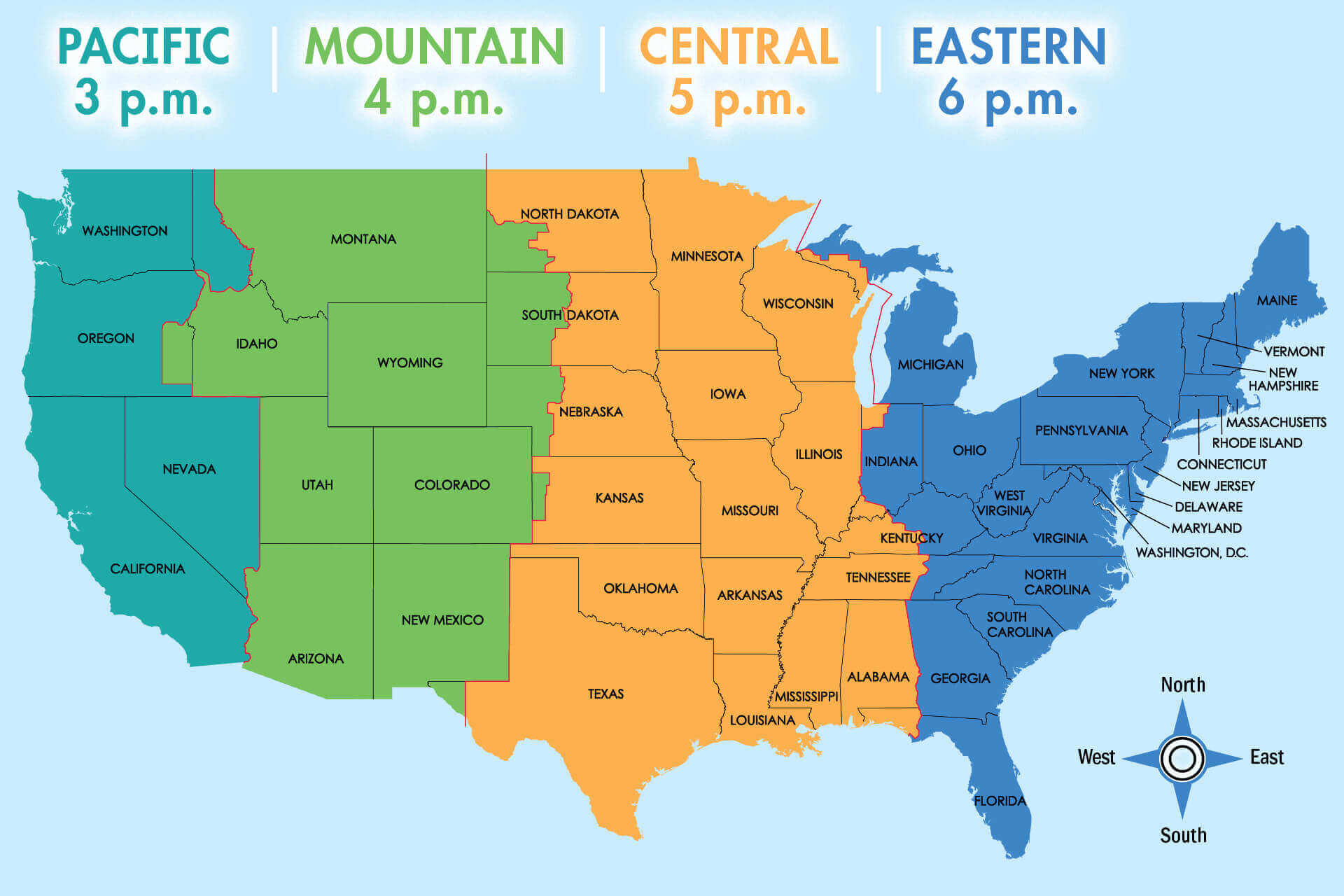
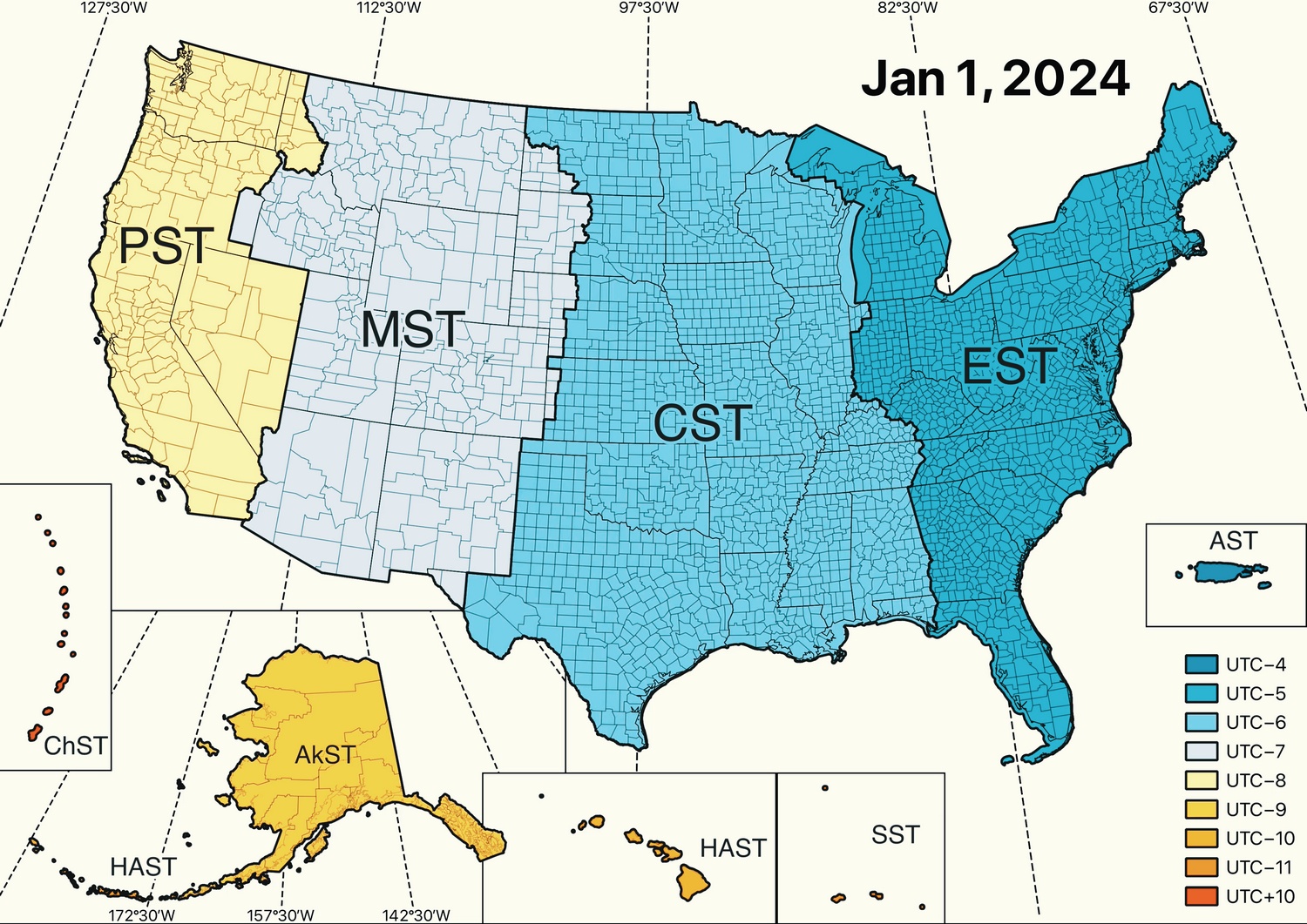
The Central Time Zone is not a straight vertical slice of the globe. Instead, it follows a path dictated by political boundaries, economic ties, and historical railroad agreements. In the United States, it is the second most populous time zone, encompassing all or part of 20 states.
United States Participation
Major metropolitan hubs like Chicago, Houston, Dallas, New Orleans, and Minneapolis serve as the anchors for this zone. However, the boundaries can be complex. For instance, states like Florida, Tennessee, Kentucky, and the Dakotas are split between Central and Eastern or Mountain times. If you are scheduling an 8 PM meeting in 2026, you must verify if your contact is in "West Tennessee" (Central) or "East Tennessee" (Eastern).
Canada and Mexico
In Canada, the province of Manitoba and parts of Ontario, Saskatchewan, and Nunavut observe Central Time. Interestingly, most of Saskatchewan does not observe Daylight Saving Time, staying on CST year-round. This means that while 8 PM in Winnipeg (Manitoba) matches 8 PM in Chicago year-round, 8 PM in Regina (Saskatchewan) only matches Chicago during the winter months.
In Mexico, the Central Zone (Zona Centro) used to cover the majority of the country, including Mexico City. However, following legislative changes in late 2022 that largely abolished Daylight Saving Time in Mexico, most of the country now remains on Standard Time year-round. This creates a seasonal "desync" between 8 PM in Dallas and 8 PM in Mexico City during the American daylight saving period.
8 PM Central vs. Other North American Zones
One of the most frequent reasons people search for "8 PM Central Time explained" is to coordinate with other regions. Because the United States spans several zones, the one-hour increments are the standard for national scheduling.
The Relationship with Eastern Time (ET)
Eastern Time is always one hour ahead of Central Time. If it is 8 PM in Chicago (Central), it is 9 PM in New York City (Eastern). This relationship remains constant regardless of whether the country is in Standard or Daylight Saving Time, as both zones typically transition on the same dates.
The Relationship with Mountain Time (MT)
Mountain Time is one hour behind Central Time. When the clock strikes 8 PM in the Central zone, it is only 7 PM in Denver or Salt Lake City. Travelers driving west from states like Nebraska or Kansas often cross this boundary, effectively "gaining" an hour in the evening.
The Relationship with Pacific Time (PT)
Pacific Time is two hours behind Central Time. When it is 8 PM Central, it is 6 PM in Los Angeles, San Francisco, or Seattle. This two-hour gap is a significant factor in business operations, often marking the end of the workday on the West Coast just as the Central region is moving into late-evening leisure time.
The Significance of "8/7c" in Media and Culture
For decades, the phrase "8/7c" has been etched into the American psyche through television promos. This shorthand means a program airs at 8 PM Eastern and 7 PM Central. While our subject is 8 PM Central specifically, it is important to understand why this time slot is so iconic.
Broadcasters historically grouped the Eastern and Central zones together for "Prime Time" delivery. Because the Central zone is only one hour behind the East, networks found it most efficient to broadcast the same feed to both zones simultaneously. Consequently, a show that starts at the beginning of the prime-time block in New York (8 PM) starts at 7 PM in Chicago.
When a show is advertised specifically for 8 PM Central, it often refers to the "late" prime-time slot or a localized broadcast. In 2026, with the dominance of streaming services like Netflix, Disney+, and YouTube, the rigid "8/7c" schedule has loosened, but it remains the standard for live sports (NFL, NBA) and breaking news events.
Converting 8 PM Central to Global Time (UTC)
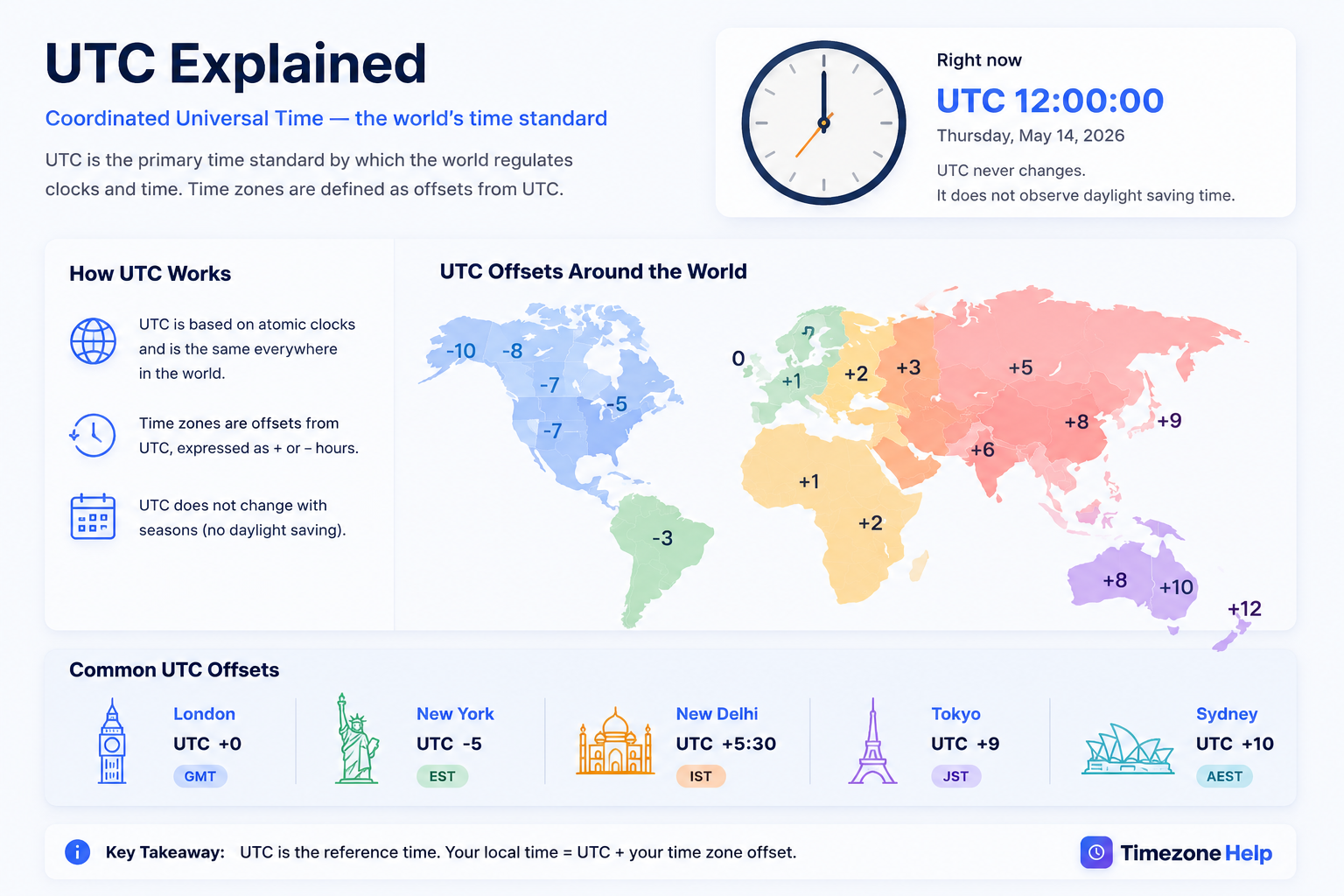
For international professionals or gamers coordinating across continents, the UTC offset is the only definitive way to measure 8 PM Central. Coordinated Universal Time (UTC) is the primary time standard by which the world regulates clocks and time.
8 PM CST (Winter)
During the winter months (November to March), Central Standard Time is UTC-6.
- To find UTC: 8 PM (20:00) + 6 hours = 02:00 (2 AM) the following day.
- London (GMT) would be 2 AM the next morning.
- Tokyo (JST) would be 11 AM the next morning.
8 PM CDT (Summer)
During the summer months (March to November), Central Daylight Time is UTC-5.
- To find UTC: 8 PM (20:00) + 5 hours = 01:00 (1 AM) the following day.
- London (BST) would be 2 AM the next morning (since the UK also moves forward).
- Tokyo (JST) would be 10 AM the next morning.
Time Comparison Table: 8 PM Central in 2026
The following table provides a snapshot of what time it is in other major cities when it is 8 PM Central Time. This table accounts for standard seasonal observations as of 2026.
| City | Time Zone | Local Time (When 8 PM Central) |
|---|---|---|
| New York, USA | Eastern (ET) | 9:00 PM |
| Chicago, USA | Central (CT) | 8:00 PM |
| Denver, USA | Mountain (MT) | 7:00 PM |
| Los Angeles, USA | Pacific (PT) | 6:00 PM |
| Anchorage, USA | Alaska (AKT) | 5:00 PM |
| Honolulu, USA | Hawaii (HST) | 3:00 PM (Winter) / 4:00 PM (Summer) |
| London, UK | GMT / BST | 2:00 AM (Next Day) |
| Paris, France | CET / CEST | 3:00 AM (Next Day) |
| Tokyo, Japan | JST | 10:00 AM or 11:00 AM (Next Day) |
| Sydney, Australia | AEST / AEDT | 11:00 AM or 12:00 PM (Next Day) |
Practical Applications and Common Challenges
Managing a schedule around 8 PM Central Time involves more than just looking at a clock. There are several technical and logistical nuances that can lead to errors if not addressed.
The "Saskatchewan Exception"
As mentioned previously, most of Saskatchewan stays on CST year-round. This creates a common pitfall for those scheduling events in the Canadian prairies. In the winter, 8 PM in Regina is the same as 8 PM in Winnipeg. In the summer, 8 PM in Regina is actually the same as 7 PM in Winnipeg (matching Mountain Daylight Time). Always use a dedicated time zone converter for Saskatchewan-based entities.
Border Towns and "Time Leakage"
In states like Indiana or North Dakota, the boundary between time zones can cut through counties or even towns. People living on the edge of the Central Time Zone often deal with "cell phone time drift," where a mobile device might ping a tower in the Eastern or Mountain zone, automatically updating the clock to the wrong hour. If you have an 8 PM Central commitment near a border, it is wise to manually lock your device to Central Time.
International Business Impact
8 PM Central is the "sweet spot" for many late-night business operations in North America, but it is a "dead zone" for European markets, where it is already the middle of the night. Conversely, it is the start of the business day for many parts of Asia and Australia. For example, a late-night IT release at 8 PM CT in Dallas allows the morning shift in Manila or Mumbai to monitor the deployment in their real-time morning hours.
Technical Calculation: How to Determine 8 PM CT Correctly
If you are a developer or a rigorous planner, you might need to calculate this time programmatically or via manual offsets. The most reliable method is to follow the ISO 8601 format.
- Identify the Date: Determine if the date falls within the 2026 Daylight Saving window (March 8 – Nov 1).
- Apply the Offset: Use
-06:00for Standard and-05:00for Daylight. - Standard Representation: 8 PM Central on July 4, 2026, is represented as
2026-07-04T20:00:00-05:00. - Verification: Cross-reference with the National Institute of Standards and Technology (NIST) or the Official U.S. Time website to ensure accuracy, especially during the transition weeks in March and November.
Frequently Asked Questions
Is 8 PM Central the same as 8 PM CST?
Not always. "Central Time" (CT) is the general name for the zone. "CST" (Central Standard Time) specifically refers to the winter months. In the summer, 8 PM Central is actually 8 PM CDT (Central Daylight Time). Using "CT" is usually safer unless you are certain of the date.
How does 8 PM Central affect NFL or NBA start times?
Major leagues often schedule "Prime Time" games for 8:15 PM or 8:30 PM Eastern, which translates to 7:15 PM or 7:30 PM Central. However, West Coast games might start at 7 PM Pacific, which means fans in the Central zone are tuning in at 9 PM Central.
Why do some people say "8 Central" instead of "8 PM Central"?
In North America, it is common to omit the "PM" in casual conversation if the context (like a dinner party or a television show) makes it obvious that the morning (AM) is not intended. In business and international contexts, however, always specify PM or use the 24-hour clock (20:00).
Does Mexico City follow 8 PM Central Time?
As of 2026, Mexico City observes Tiempo del Centro but no longer observes Daylight Saving Time. Therefore, during the US summer, Mexico City is one hour behind Chicago. During the US winter, they are the same.
What is the 8 PM Central equivalent in military time?
8 PM is 20:00 in military (24-hour) time. This format is preferred in aviation, emergency services, and international shipping to avoid the AM/PM confusion.
Next Steps for Planning
To ensure you never miss an 8 PM Central deadline, synchronize your digital calendar (Google, Outlook, or Apple) to the "Chicago" time zone setting. These systems are updated automatically with the 2026 DST rules. If you are coordinating a global event, always provide the time in UTC alongside the Central Time to accommodate participants from different continents.