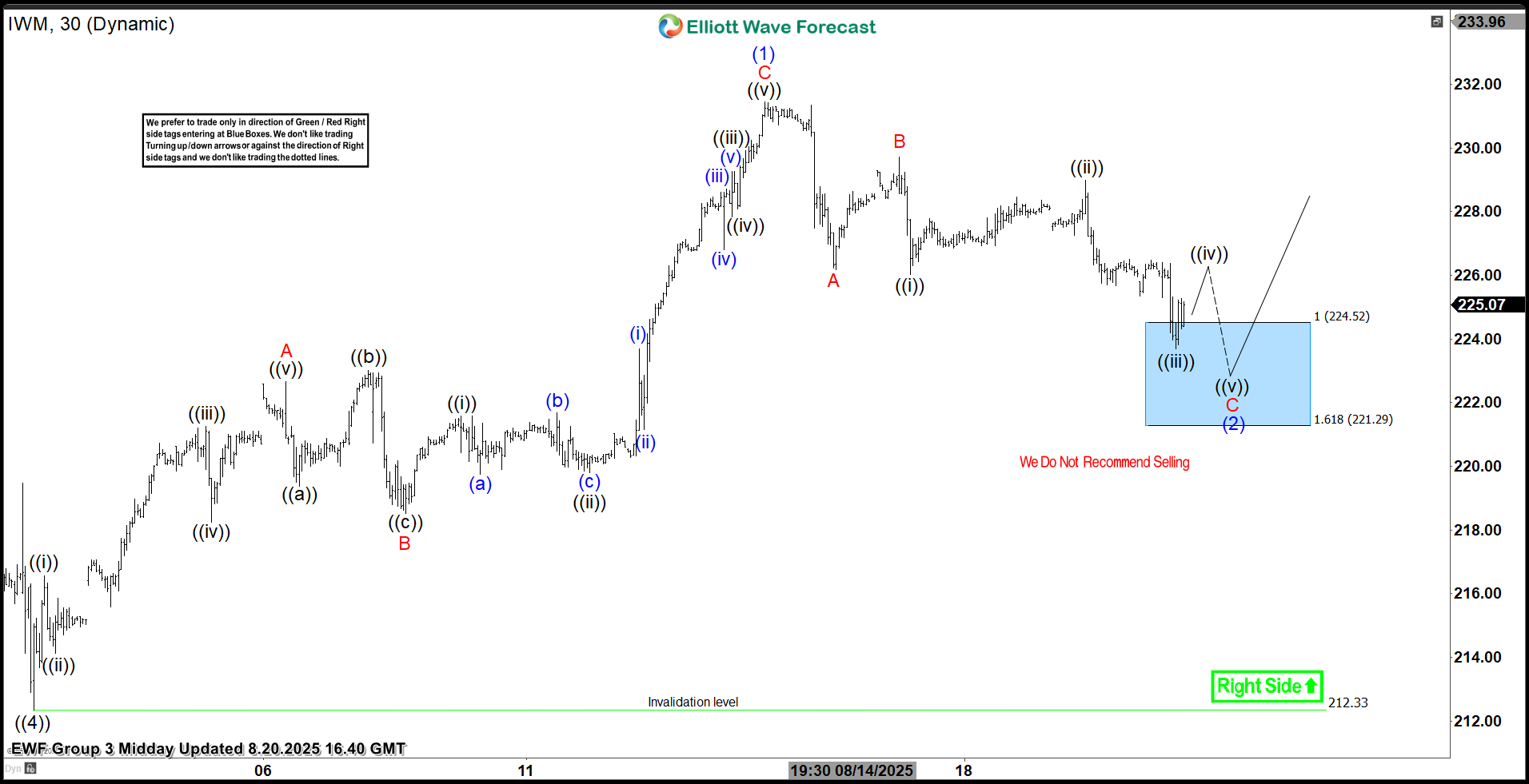
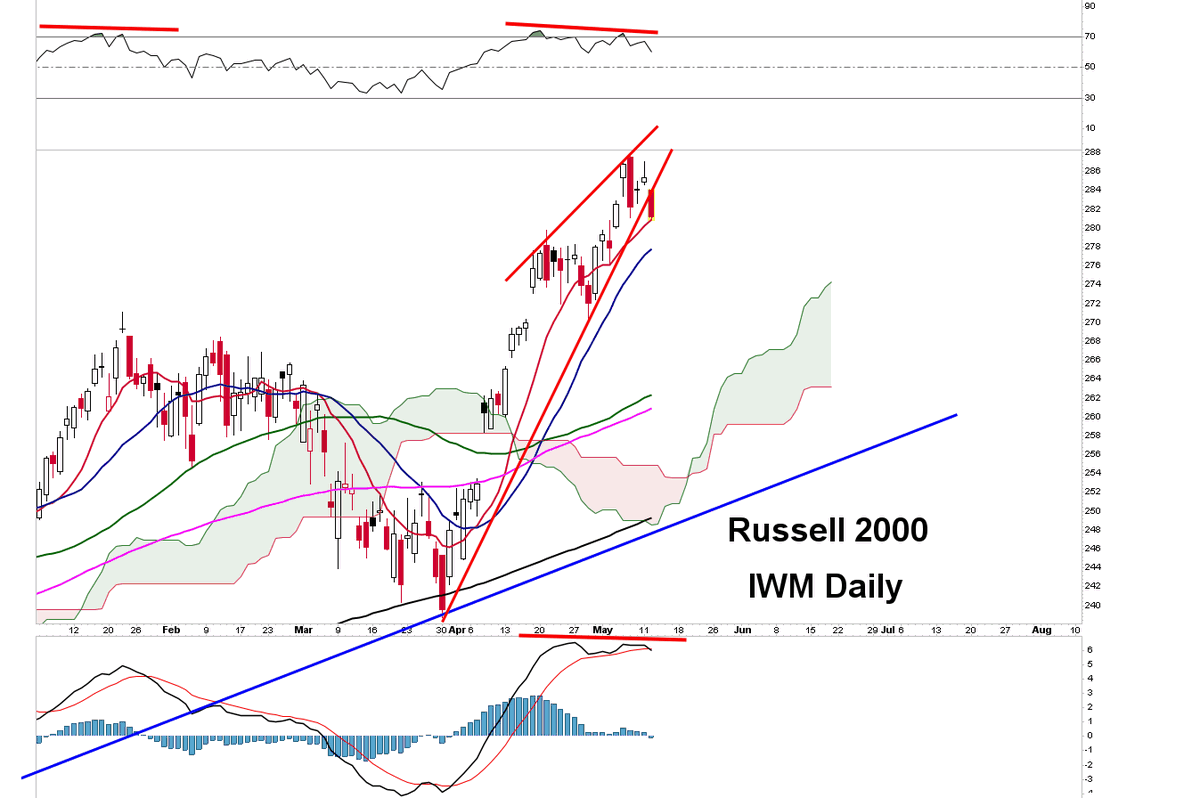
The Russell 2000 ETF is an investment fund designed to track the performance of the Russell 2000 Index, providing investors with diversified exposure to approximately 2,000 small-cap U.S. publicly traded companies. Understanding its market capitalization focus, sector composition, volatility patterns, and liquidity characteristics is essential for building a balanced portfolio.
Investing in small-capitalization equities represents a distinct approach compared to broad-market indices like the S-1,500 or the S&P 500. While large-cap indices capture the giants of corporate America, the Russell 2000 focuses on emerging enterprises, localized businesses, and high-growth innovators. For investors looking to expand beyond mega-cap technology stocks, small-cap exchange-traded funds (ETFs) offer a compelling avenue for diversification. However, small-cap investing involves unique structural dynamics, valuation metrics, and behavioral characteristics that differ significantly from large-cap portfolios. Examining the fundamental mechanics of these funds helps market participants align their asset allocation strategies with their long-term financial objectives.
1. What the Russell 2000 ETF Actually Tracks
At its core, a Russell 2000 ETF tracks the performance of the Russell 2000 Index, which is maintained by FTSE Russell. This index measures the performance of the smallest 2,000 companies in the broader Russell 3000 Index.
Contrary to popular belief, the fund does not simply hold the 2,000 smallest companies in the United States. Instead, it captures a specific band of market capitalization. The index typically includes companies with market caps ranging from roughly $300 million up to $2 billion or $3 billion, though these thresholds fluctuate depending on broader market movements and periodic reconstitutions.
Because it represents the lower end of the investable equity universe, the portfolio is heavily populated by regional banks, specialized manufacturers, biotechnology firms, and localized service providers. Investors gain immediate exposure to thousands of operating businesses without needing to research and purchase individual equities separately.
2. The Annual Reconstitution Process
One of the most defining technical features of the Russell 2000 Index—and by extension, the ETFs tracking it—is its annual reconstitution process, which takes place every June.
During reconstitution, FTSE Russell ranks all eligible U.S. companies by their total market capitalization as of a specific ranking day in May. Companies that have grown significantly may graduate from the Russell 2000 into the large-cap Russell 1000 Index. Conversely, firms that have experienced prolonged share price declines may drop down into the micro-cap space or be removed entirely, while new initial public offerings (IPOs) meeting the criteria are integrated.
For the ETF tracking the index, this event triggers a massive portfolio rebalancing. Authorized participants and institutional traders often anticipate the additions and deletions, leading to notable volume surges and price volatility in the weeks leading up to the final reconstitution date. Understanding this mechanics helps investors realize that the index is dynamic and self-cleaning rather than a static collection of companies.
3. Sector Composition Differs Greatly From Large-Cap Indices
Investors accustomed to the S&P 500 or Nasdaq 100 often experience a structural shift when examining the sector breakdown of a Russell 2000 ETF. While large-cap indices are heavily weighted toward mega-cap technology and communication services giants, the Russell 2000 has a much more distributed sector footprint.
Historically, the index maintains significant weightings in:
- Financials: Regional banks, insurance providers, and specialty financial services firms.
- Industrials: Commercial services, machinery, aerospace, and transportation providers.
- Health Care: Clinical-stage biotechnology firms, medical device manufacturers, and specialized healthcare providers.
- Consumer Discretionary: Regional retailers, entertainment providers, and consumer goods companies.
Because information technology is less dominant here than in large-cap counterparts, the macroeconomic drivers affecting small caps can vary widely. For example, changes in commercial real estate valuations, regional lending standards, and domestic supply chain costs have an outsized impact on the performance of a small-cap ETF compared to a global mega-cap fund.
4. Higher Volatility and Risk-Return Profiles
Small-cap companies inherently carry higher volatility than their large-cap peers. Because these businesses are often earlier in their corporate lifecycles, they may have narrower product lines, less diversified revenue streams, and more limited access to capital markets during economic downturns.
| Metric / Characteristic | Russell 2000 ETF (Small-Cap) | S&P 500 ETF (Large-Cap) |
|---|---|---|
| Average Market Capitalization | Low ($300M – $3B typical range) | High ($10B to over $3T) |
| Historical Volatility | Generally higher | Generally moderate |
| Primary Economic Exposure | Domestic-focused operations | Highly globalized, multinational |
| Dividend Yield | Typically lower or non-existent | Generally higher and more stable |
| Dominant Sectors | Financials, Industrials, Health Care | Information Technology, Financials, Health Care |
As shown in the comparison table, small-cap equities tend to experience sharper price swings during market corrections and economic transitions. While this volatility can unnerve short-term traders, long-term investors often view it as a trade-off for the potential growth premium associated with emerging companies that have more room to expand their market share.
5. Greater Sensitivity to Domestic Economic Conditions
Many companies in the S&P 500 generate a substantial portion of their revenue overseas, acting as multinational conglomerates exposed to global gross domestic product (GDP) growth, foreign currency fluctuations, and international trade policies.
In contrast, the constituents of a Russell 2000 ETF are predominantly domestic-facing. Their revenues, supply chains, and labor costs are tied closely to the health of the United States economy. Consequently, these funds are particularly sensitive to:
- Domestic Interest Rate Cycles: Small-cap firms rely more heavily on floating-rate debt and regional bank loans to fund their operations and expansion. Rising interest rates can disproportionately compress their profit margins compared to cash-rich large-cap technology giants.
- Consumer Spending Trends: Domestic retail demand, wage growth, and inflation within the United States directly dictate the top-line performance of small consumer discretionary and industrial firms.
- Regulatory and Tax Changes: U.S. corporate tax policy and domestic regulatory shifts affect small businesses more directly because they lack the complex international tax structures available to multinational corporations.
6. Liquidity and Trading Costs
While popular Russell 2000 ETFs boast massive daily trading volumes at the fund level, the underlying liquidity of the constituent stocks requires attention from active traders.
Some of the smallest components in the index trade relatively modest volumes on a daily basis. When an ETF provider creates or redeems shares, Authorized Participants must buy or sell the underlying basket of 2,000 securities. For the smallest constituents, this can result in wider bid-ask spreads at the individual stock level, which is partially absorbed by the ETF structure through efficient creation/redemption mechanisms.
For long-term buy-and-hold investors, these minor friction costs are generally negligible, especially when trading highly liquid ETF tickers. However, active traders utilizing limit orders rather than market orders should remain mindful of trading spreads during periods of heightened market stress or outside of core U.S. trading hours.
7. Role in Strategic Portfolio Diversification
Investors rarely hold a Russell 2000 ETF in isolation; instead, it serves as a core building block for asset allocation. Combining large-cap and small-cap equities helps capture a more complete picture of the broader equity market.
Small-cap value stocks and small-cap growth stocks behave differently across economic cycles. During economic recoveries, small caps frequently outperform large caps as risk appetite returns and cyclical earnings rebound. Conversely, during recessions or periods of stagflation, investors often flee to the perceived safety of large-cap balance sheets.
By integrating a small-cap ETF into a diversified portfolio alongside international equities and fixed income, investors can reduce concentration risk tied exclusively to mega-cap technology monopolies.
Frequently Asked Questions
What is the difference between the Russell 2000 Index and the Russell 2000 ETF?
The Russell 2000 Index is a theoretical benchmark created by FTSE Russell that measures the market performance of 2,000 small-cap U.S. companies. An investor cannot buy an index directly. A Russell 2000 ETF is an investment fund traded on public stock exchanges that holds the actual underlying stocks—or a representative sampling of them—to replicate the performance of that index minus operational expenses.
Do Russell 2000 ETFs pay dividends?
Yes, many companies within the Russell 2000 distribute dividends, and the ETF aggregates these distributions to pay periodic dividends to shareholders. However, the overall dividend yield of a small-cap ETF is typically lower than that of a large-cap dividend-focused fund, because smaller companies tend to reinvest their earnings back into business growth, research and development, or debt reduction rather than returning cash to shareholders.
How often are stocks added or removed from a Russell 2000 ETF?
While portfolio managers continuously manage daily cash flows, corporate actions, and minor weight adjustments, the entire index undergoes a formal, comprehensive reconstitution only once per year in late June. During this annual event, the entire index is reranked based on market capitalization, resulting in significant turnover for companies that have crossed the capitalization thresholds.
Are small-cap ETFs suitable for conservative investors nearing retirement?
Small-cap ETFs carry higher volatility and drawdowns than broad large-cap funds or high-quality aggregate bond portfolios. Conservative investors with a short time horizon or lower risk tolerance generally allocate a smaller percentage to small caps—or avoid them entirely—in favor of capital preservation vehicles, cash equivalents, and fixed-income assets. Asset allocation decisions should always align with individual financial plans and risk profiles.
Next Steps for Investors
Before adding a Russell 2000 ETF to a portfolio, investors should evaluate their current asset allocation to determine whether small-cap exposure is genuinely missing. Reviewing existing fund overlaps helps prevent accidental over-concentration in domestic equities. When selecting a specific fund, compare expense ratios, tracking error, and assets under management across competing providers. Consulting a qualified financial professional can help ensure that small-cap investments align with your broader tax strategy and long-term financial goals.