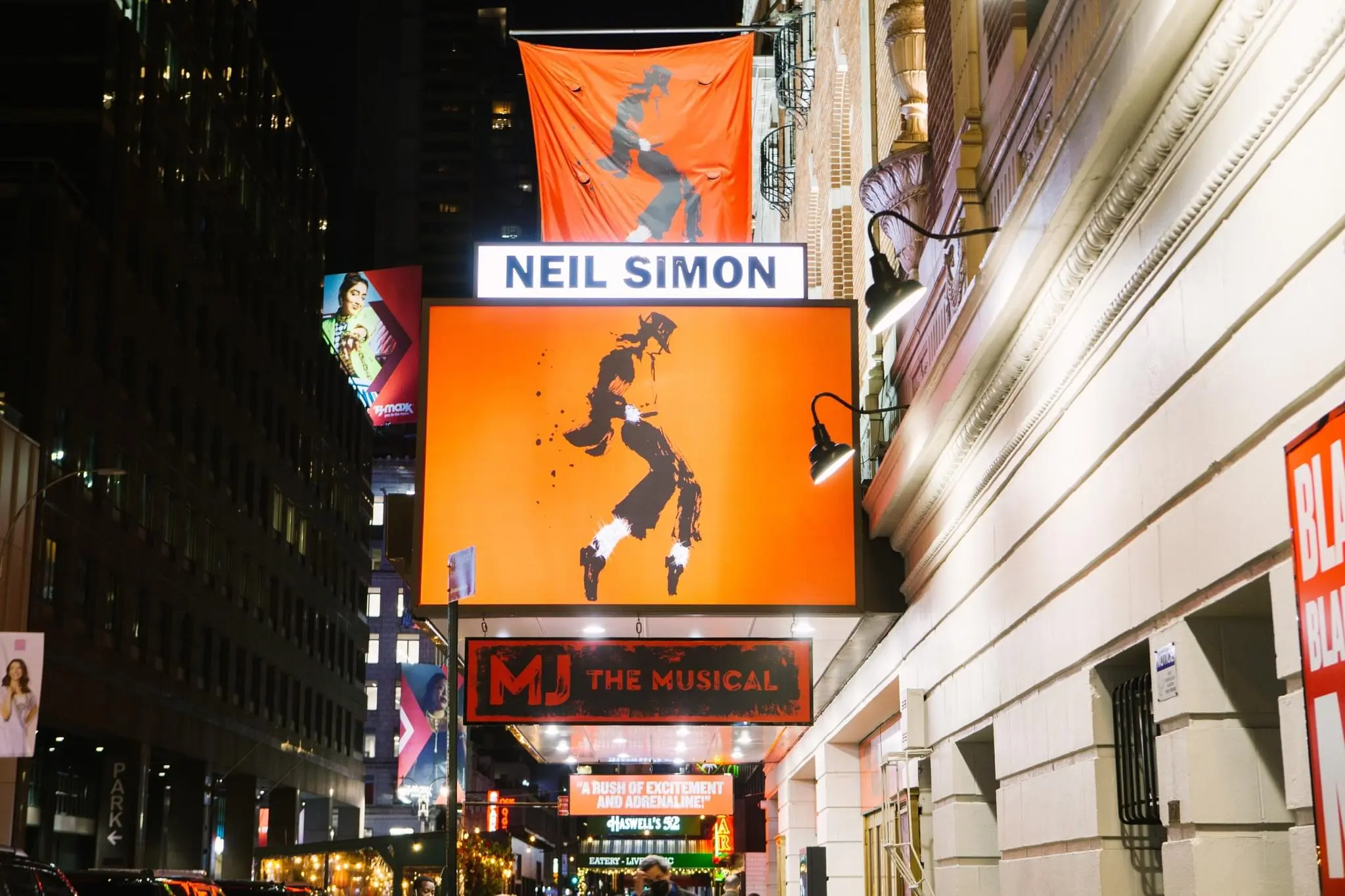
Jukebox musicals combine familiar pop, rock, or classic songs with original or adapted narratives to create dynamic theatrical experiences. These stage productions span diverse musical eras and theatrical styles, offering options that range from biographical dramas to jukebox comedies and high-energy dance spectacles for every type of theatergoer.
The theatrical landscape has evolved significantly over the past several decades, transforming popular recorded music into narrative-driven stagecraft. While purists of traditional book musicals once viewed song catalogs with skepticism, contemporary jukebox musicals have proven that pre-existing pop and rock repertoires can successfully anchor complex character arcs, historical biographies, and high-stakes dramatic conflicts. For theater lovers seeking an introduction to the genre or seasoned patrons looking to explore a wider range of scores, understanding what makes these seven standout productions exceptional can help guide your next theatrical outing.
Understanding the Anatomy of a Jukebox Musical
Before evaluating individual titles, it is helpful to understand how a jukebox musical functions structurally. Unlike a traditional musical theater score where composers and lyricists write songs specifically to advance a distinct plot and character development, a jukebox musical takes an existing catalog of commercial hits and retrofits them into a dramatic framework.
The success of these productions typically hinges on three primary elements:
- Narrative Integration: How seamlessly the lyrics and emotional tone of a pop song fit the dramatic context of a scene.
- Arrangement and Orchestration: The degree to which songs are rearranged for a theatrical orchestra, ensemble voices, or character-specific vocal ranges, rather than simply mimicking radio recordings.
- Book Quality: The strength of the spoken script (the "book") that connects the musical numbers and grounds the characters in realistic stakes.
When these elements align, the result is a production that satisfies both music fans and theater purists. Below are seven of the finest examples of the genre, each representing a distinct approach to storytelling through pop and rock catalogs.
1. Mamma Mia!
Premiering in London's West End in 1999 before transferring to Broadway in 2001, Mamma Mia! is the quintessential global jukebox musical. Conceived by Judy Craymer and written by playwright Catherine Johnson, the show utilizes the hit songs of the legendary Swedish pop group ABBA, written by Benny Andersson and Björn Ulvaeus.
The story follows Sophie Sheridan, a young woman preparing for her wedding on a Greek island. Having read her mother Donna’s old diary, Sophie secretly invites three men from Donna’s past—each of whom could potentially be her biological father—to walk her down the aisle.
- Musical Highlights: "Dancing Queen," "Super Trouper," "The Winner Takes It All," and "SOS."
- Why It Works: Johnson’s clever book uses the upbeat, melancholic, and energetic tones of ABBA's catalog to construct a buoyant romantic comedy. The songs do not always mirror chronological pop releases; instead, they are deployed to express subtext, romantic longing, and maternal devotion.
- Ideal For: Fans of romantic comedies, upbeat choreography, and joyous, celebratory ensemble numbers.
2. Jersey Boys
Moving from fictional pop melodies to biographical drama, Jersey Boys chronicles the meteoric rise, internal struggles, and ultimate fracture of the 1960s rock and roll quartet Frankie Valli and the Four Seasons. Written by Marshall Brickman and Rick Elice, with music by Bob Gaudio and lyrics by Bob Crewe, the show debuted on Broadway in 2005.
The production is structured like a four-season autobiography, with each band member narrating a distinct phase of the group's journey from working-class New Jersey roots to international stardom.
- Musical Highlights: "Sherry," "Big Girls Don't Cry," "Can't Take My Eyes Off You," and "December, 1963 (Oh, What a Night)."
- Why It Works: Rather than forcing pop songs into a fictional narrative, Jersey Boys presents the music diegetically. The characters are performing the songs as part of their professional career, allowing the audience to experience both the public triumphs and the private, backstage fallout.
- Ideal For: Audiences who appreciate gritty biographical storytelling, vocal harmonies, and classic 1960s pop-rock history.
3. Beautiful: The Carole King Musical
Beautiful tells the true story of Carole King’s remarkable journey from a teenage songwriter in Brooklyn to a chart-topping solo music icon. With a book by Douglas McGrath and an iconic catalog featuring music and lyrics by Carole King, Gerry Goffin, Barry Mann, and Cynthia Weil, the show opened on Broadway in 2014.
The production explores King’s early professional partnership and marriage to lyricist Gerry Goffin, their fierce friendly rivalry with fellow songwriters Mann and Weil, and King's eventual emergence as an independent artist with her landmark 1971 album Tapestry.
- Musical Highlights: "It's Too Late," "(You Make Me Feel Like) A Natural Woman," "You've Got a Friend," and "Locomotion."
- Why It Works: The narrative functions simultaneously as a musical biography and a behind-the-scenes look at the mid-century American pop music industry, specifically the Brill Building era. The emotional core rests on King’s personal evolution, making her timeless catalog feel deeply tied to her lived experiences.
- Ideal For: Lovers of 1960s and 70s singer-songwriter classics, emotional growth arcs, and inspiring biographical narratives.
4. Moulin Rouge! The Musical
For those seeking theatrical spectacle, Moulin Rouge! The Musical—adapted from Baz Luhrmann’s landmark 2001 film—transforms a Parisian cabaret into a high-octane pop mashup extravaganza. With a book by John Logan and direction by Alex Timbers, the production opened on Broadway in 2019.
The plot remains true to the cinematic source material: Christian, a young idealistic American writer, falls in love with Satine, the star courtesan of the Moulin Rouge cabaret, under the shadow of a wealthy and menacing Duke who holds the club's financial future.
- Musical Highlights: A sprawling score featuring snippets and full arrangements of contemporary pop hits, including "Come What May," "Firework," "Roxanne," and the iconic "Elephant Love Medley."
- Why It Works: Unlike single-artist jukebox musicals, Moulin Rouge! acts as a living mixtape of popular music from the past fifty years. Arrangers weave disparate pop songs into complex counterpoint duets and grand ensemble anthems that propel the melodramatic romance forward with kinetic energy.
- Ideal For: Theatergoers who enjoy lavish set design, sensory overload, contemporary pop hits, and sweeping tragic romance.
5. Ain't Too Proud: The Life and Times of The Temptations
Written by master playwright Dominique Morisseow and directed by Des McAnuff, Ain't Too Proud charts the tumultuous history of the legendary Motown vocal group The Temptations. The musical opened on Broadway in 2019, utilizing the classic Motown catalog.
The story follows the group’s journey from the streets of Detroit to the Rock & Roll Hall of Fame, highlighting their signature choreography, groundbreaking commercial success, and the personal friction, substance struggles, and political upheaval that strained the lineup over the decades.
- Musical Highlights: "My Girl," "Just My Imagination (Running Away with Me)," "Papa Was a Rollin' Stone," and "Ain't Too Proud to Beg."
- Why It Works: Morisseau’s book grounds the legendary music in the socio-political reality of civil rights-era America. The performance style honors the exact dance moves and vocal arrangements that made the group famous, providing both historical education and electrifying entertainment.
- Ideal For: Motown enthusiasts, fans of intricate choreography, and those interested in musical history and cultural context.
6. Jagged Little Pill
Inspired by Alanis Morissette’s seminal 1995 rock album of the same name, Jagged Little Pill features a book by Academy Award-winner Diablo Cody and music and lyrics by Morissette and Glen Ballard. The production premiered on Broadway in 2019.
The musical centers on the Healys, a seemingly picture-perfect suburban Connecticut family whose facade masks deep, unspoken traumas: addiction, marital strain, repressed identity, and the fallout from sexual assault.
- Musical Highlights: "You Oughta Know," "Hand in My Pocket," "Head Over Feet," and "Uninvited."
- Why It Works: Rather than utilizing a biographical approach, the creative team uses Morissette's angst-ridden, deeply emotional rock score to explore contemporary social issues. The songs capture the raw, messy complexities of modern family life and teenage existential dread.
- Ideal For: Fans of 90s alternative rock, issue-driven contemporary drama, and raw emotional intensity.
7. Rock of Ages
Rounding out the list is Rock of Ages, a jukebox musical comedy that celebrates the glam metal bands of the 1980s. Written by Chris D'Arienzo, the show features an eclectic catalog of rock anthems from bands like Journey, Styx, Bon Jovi, and Twisted Sister. It opened on Broadway in 2009.
Set on the Sunset Strip in Los Angeles during 1987, the story follows aspiring artist Drew and small-town girl Sherrie as they meet at a legendary rock club fighting demolition by greedy urban developers.
- Musical Highlights: "Don't Stop Believin'," "We Built This City," "Here I Go Again," and "Every Rose Has Its Thorn."
- Why It Works: Rock of Ages leans entirely into self-aware camp and theatrical comedy, frequently breaking the fourth wall via a narrator who guides the audience through the plot. It treats the hair-metal era with affectionate parody while delivering high-energy rock performances.
- Ideal For: Audiences looking for lighthearted comedy, 1980s arena rock nostalgia, and unpretentious theatrical fun.
Comparing the Top Jukebox Musicals
To help determine which production best matches your theatrical preferences, the comparison table below outlines their musical styles, narrative types, and primary emotional tones.
| Title | Primary Musical Catalog | Narrative Style | Core Emotional Tone | Recommended For |
|---|---|---|---|---|
| Mamma Mia! | ABBA (Pop) | Fictional Romantic Comedy | Joyful, Celebratory | Romance and comedy fans |
| Jersey Boys | Frankie Valli & The Four Seasons | Biographical Docudrama | Gritty, Nostalgic | Music history enthusiasts |
| Beautiful | Carole King & Various Songwriters | Biographical Drama | Inspiring, Heartwarming | Singer-songwriter fans |
| Moulin Rouge! | Multi-Artist Pop Mixtape | Romantic Melodrama | Lavish, Tragic-Romantic | Spectacle and pop fans |
| Ain't Too Proud | The Motown Catalog | Biographical Docudrama | Energetic, Emotional | Motown and dance lovers |
| Jagged Little Pill | Alanis Morissette (Rock) | Contemporary Problem Play | Raw, Cathartic | Alternative rock fans |
| Rock of Ages | 1980s Arena and Glam Metal | Satirical Romantic Comedy | High-Energy, Campy | 80s rock nostalgia seekers |
Frequently Asked Questions
What defines a jukebox musical?
A jukebox musical is a stage production that uses previously released popular songs—typically pop, rock, or country hits—as its musical score, rather than an original score written specifically for the show by a musical theater composer and lyricist.
Are jukebox musicals considered legitimate theater?
Yes. While early examples relied heavily on nostalgia with minimal plotting, modern jukebox musicals employ acclaimed playwrights and directors to craft complex, emotionally resonant narratives that treat pop catalogs with serious theatrical craftsmanship.
Do jukebox musicals use original recordings?
No. All music in professional stage productions is performed live by a pit orchestra or band, with vocal performances executed live by the onstage cast members.
Can I see these shows on Broadway or on tour?
Availability fluctuates. While iconic titles like Mamma Mia! and Jersey Boys have extensive international licensing histories and frequent regional, national tour, and West End productions, current Broadway lineups change frequently based on box office demand and seasonal theater schedules.
How do I choose which jukebox musical to watch first?
Consider your preferred musical genre. If you enjoy upbeat pop, start with Mamma Mia!. If you prefer rock history and biographical depth, opt for Jersey Boys or Beautiful. For high-energy spectacle, choose Moulin Rouge!.
Next Steps for Theatergoers
To plan your next theatrical excursion, research current regional theater listings, national tour schedules, or West End and Broadway ticket platforms to verify which of these titles are currently playing near you. Reviewing cast albums in advance can also help you familiarize yourself with the specific arrangements and narrative pacing before seeing the production live on stage.