Metropolitan Life Insurance Company, widely known as MetLife, remains a cornerstone of the global financial services industry in 2026. Despite its century-long history, significant misconceptions persist regarding its current product offerings, branding, and target markets following its major corporate restructuring and the spin-off of its domestic individual life insurance business.
Understanding MetLife’s Modern Identity
The Metropolitan Life Insurance Company (MetLife) has undergone a profound transformation over the last decade. While the name remains synonymous with traditional life insurance, the company's operational focus has shifted toward institutional holdings, group benefits, and international expansion. In 2026, many consumers still evaluate the company based on its 20th-century model, leading to confusion about what the company actually provides and to whom.
To navigate the complexities of modern insurance, it is essential to separate historical reputation from current market reality. Misunderstanding the scope of MetLife’s services can lead to missed opportunities for coverage or, conversely, searching for products the company no longer prioritizes in certain jurisdictions. Below, we examine the five most prevalent myths about MetLife to provide a clear picture of its role in the current financial landscape.
Myth 1: MetLife is Still the Primary Provider of Individual Life Insurance in the U.S.
One of the most common misconceptions is that MetLife is the primary entity for new individual life insurance policies within the United States. While MetLife remains a massive global entity, its domestic strategy changed significantly following the 2017 spin-off of Brighthouse Financial.
The Brighthouse Financial Separation
Historically, MetLife was the go-to for individual term and whole life insurance. However, to reduce regulatory burdens and focus on less capital-intensive businesses, MetLife separated a substantial portion of its U.S. retail life insurance and annuity business into a separate, independent company called Brighthouse Financial.
As of 2026, if you are looking for an individual "off-the-shelf" life insurance policy, you might find that MetLife directs you toward group coverage through an employer or specific voluntary benefit programs. While they still service legacy policies (those issued before the split), their primary growth engine in the U.S. is no longer individual retail life insurance.
Shift to Group Benefits
Instead of the individual market, MetLife has doubled down on Group Benefits. This means most Americans who carry MetLife insurance today do so through their employers. This shift allows the company to manage risk across large populations rather than underwriting individuals one by one. If you are an individual freelancer or self-employed, accessing MetLife's core life products is significantly different than it was twenty years ago, often requiring participation in professional associations or specific affinity groups.
Myth 2: MetLife Still Uses Snoopy and the Peanuts Gang as Brand Ambassadors
For over thirty years, the Peanuts characters—most notably Snoopy—were the face of MetLife. This branding was so successful that many consumers in 2026 still associate the company with the friendly beagle. However, the myth that Snoopy represents MetLife’s current corporate values or marketing strategy is outdated.
The Global Rebrand
In late 2016, MetLife officially retired the Peanuts characters from its marketing. The rationale was a shift in corporate identity from "friendly and approachable" to "modern, professional, and globally integrated." The current branding uses the "M" logo and the tagline "Navigating Life Together."
The removal of Snoopy was more than a cosmetic change; it signaled a pivot toward a more institutional and corporate-focused audience. The company realized that while Snoopy was beloved by individuals, he did not necessarily resonate with the CEOs and HR directors of multinational corporations—the clients who now form the backbone of MetLife’s revenue.
Why Branding Matters for Policyholders
Understanding this shift helps policyholders realize that MetLife is positioned as a B2B (Business-to-Business) powerhouse. When you interact with their portals in 2026, the experience is designed for efficiency and integration with payroll systems, rather than the "main street" consumer experience of the past. The focus is now on digital transformation and seamless claims processing for large-scale employee bases.
Myth 3: MetLife Only Offers Life Insurance Products
The word "Life" is in the name, so it is natural to assume that the company’s portfolio is limited to death benefits. This is perhaps the most restrictive myth, as it ignores MetLife’s massive footprint in the broader health and wellness space.
The Expansion into Non-Life Benefits
As of 2026, MetLife is a dominant force in several niche insurance markets. Their product suite has expanded horizontally to cover almost every aspect of an employee's financial life. Major product lines include:
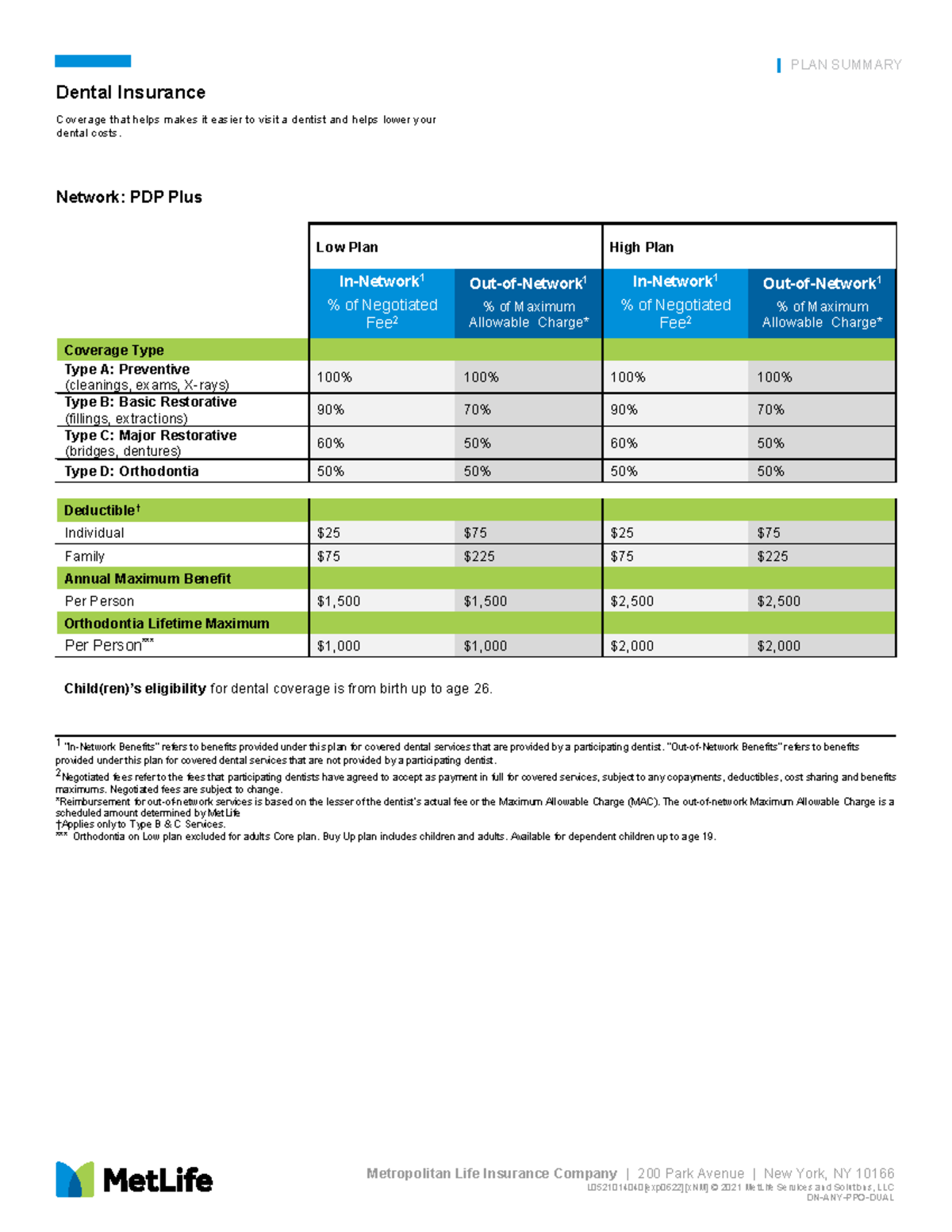
- Dental Insurance: MetLife manages one of the largest dental networks in the United States, providing coverage for millions of employees.
- Vision Insurance: Often bundled with dental, their vision plans are a staple of corporate benefit packages.
- Disability Income Insurance: They are a primary provider of both Short-Term Disability (STD) and Long-Term Disability (LTD) coverage.
- Pet Insurance: Recognizing the "humanization of pets" trend, MetLife has aggressively expanded its pet insurance division, offering it as a voluntary benefit.
- Critical Illness and Accident Insurance: These supplemental policies provide lump-sum payments for specific medical events, bridging the gap left by high-deductible health plans.
Institutional Investment and Retirement
Beyond insurance, MetLife Investment Management (MIM) is a global leader in institutional investing. They manage assets for third-party institutional clients, including public and private pension plans and insurance companies. This diversity makes the company more of a diversified financial services firm than a simple insurance carrier.
| Product Category | Target Audience | Primary Distribution Channel |
|---|---|---|
| Group Life | Employees of Mid-to-Large Corps | Employer Benefit Portals |
| Dental/Vision | Corporate Employees | Workplace Enrollment |
| Pet Insurance | Individual Pet Owners / Employees | Direct-to-Consumer & Voluntary Benefits |
| Disability | Working Professionals | Employer-Sponsored Plans |
| Annuities | Retirees (International/Legacy) | Financial Advisors / Institutions |
Myth 4: Group Life Insurance Through MetLife is "Enough" Coverage
Because MetLife is so dominant in the employer-sponsored market, many employees fall into the trap of believing that the basic life insurance coverage provided by their job is sufficient. While MetLife is a reliable provider, the myth here is about the adequacy of the coverage, not the quality of the company.
The "1x Salary" Limitation
Most employer-sponsored MetLife plans offer a "basic" coverage amount, often equal to one or two times the employee’s annual salary. For a single individual with no dependents, this might be enough. However, for a family with a mortgage and children, financial experts generally recommend coverage between 10 to 15 times annual income.
Portability Issues
A significant risk with relying solely on MetLife group coverage is the lack of portability. In many cases, if you leave your employer, your coverage ends or becomes prohibitively expensive to convert to an individual policy. In 2026’s volatile job market, relying on a benefit tied strictly to your current desk is a risky financial strategy.
Voluntary Supplemental Life
MetLife encourages employees to purchase "Supplemental Life" through their workplace portal. This allows you to increase your coverage (often up to 5x or 8x salary) at group rates. While this is an excellent way to use MetLife’s services, it is still a myth to assume the default settings on your benefits package provide a complete safety net.
Myth 5: MetLife is a Domestic U.S. Company Only
While MetLife was founded in New York City and is a staple of the American financial scene, it is a myth to view them as a strictly domestic player. In 2026, MetLife is a truly global enterprise with operations in over 40 countries.
International Dominance
MetLife has significant market shares in Latin America, Asia, and Europe. In markets like Mexico, Chile, and Japan, MetLife is often a top-tier provider of both individual and group products. Their international segment often provides a buffer against economic downturns in the United States, making them a more resilient entity than purely domestic competitors.
Global Employee Benefits (GEB)
For multinational corporations, MetLife offers Global Employee Benefits (GEB) solutions. This allows a company with offices in London, Tokyo, and New York to coordinate their insurance benefits through a single global partner. This international scale is something few other insurers can match, further debunking the idea that they are just a "local" life insurance company.
How to Verify Your MetLife Coverage and Status
Given the complexities of the Brighthouse Financial split and the shift to group benefits, policyholders must be proactive in managing their accounts.
1. Identify Your Policy Type
First, determine if you have a legacy individual policy or a group policy through an employer. Legacy individual policies are often managed through the MetLife "MyBenefits" portal but may have different administrative rules than new group enrollments.
2. Use the Modern Digital Tools
By 2026, MetLife has streamlined its mobile app and web presence. You can view your beneficiaries, update coverage amounts during open enrollment, and file claims for dental or vision expenses directly through the app. Always ensure you are using official MetLife channels to avoid phishing attempts.
3. Review Your "Total Rewards" Statement
If you receive MetLife benefits through work, your employer likely provides a Total Rewards statement. This document will show exactly how much your employer pays for your MetLife premiums and what your total death benefit or disability payout would be.
Financial Strength and Reliability
A common concern when discussing myths is whether the company is actually "safe." MetLife consistently receives high ratings from agencies such as A.M. Best, Moody’s, and Standard & Poor’s. These ratings reflect the company's ability to meet its ongoing insurance policy and contract obligations.
As of 2026, MetLife’s capital position remains strong, supported by a diverse portfolio of investments. While no company is immune to systemic financial shocks, MetLife’s status as a "Systemically Important Financial Institution" (a designation it successfully challenged in court but still operates with similar rigor) suggests a high level of regulatory oversight.
Frequently Asked Questions
Does MetLife still offer whole life insurance to individuals? In the U.S., MetLife primarily offers individual whole life through group arrangements or voluntary benefits at work. For a standard individual retail policy not associated with an employer, consumers are often directed to other entities or legacy products.
How do I file a claim with MetLife in 2026? Most claims for dental, vision, and disability can be filed online via the MetLife MyBenefits portal or the MetLife mobile app. Life insurance claims usually require the beneficiary to contact MetLife’s claims department directly with a death certificate and policy details.
Is MetLife the same as Brighthouse Financial? No. They were part of the same company until 2017. Brighthouse Financial is now an independent, publicly-traded company that handles many of the retail life insurance and annuity products previously branded as MetLife.
Why did MetLife stop using Snoopy? The company rebranded to reflect its shift toward becoming a global B2B financial services leader. They felt a more modern, professional aesthetic was better suited for their institutional and corporate clients than the cartoon characters.
Can I keep my MetLife insurance if I retire? This depends on your employer’s specific plan. Some group life policies allow for "portability" or "conversion" into an individual policy upon retirement or termination, though the premiums usually increase significantly when you are no longer part of the active group.
Practical Recommendation: The MetLife Audit
If you are covered by MetLife, your next step should be a "coverage audit." Log in to your employer’s benefits portal or the MetLife MyBenefits site. Verify who your named beneficiaries are; many people forget to update these after marriages, divorces, or the birth of children. Next, compare your total death benefit against your current debt and family needs. If there is a gap, look into MetLife’s voluntary supplemental life options, which are often cheaper than buying a private policy elsewhere.