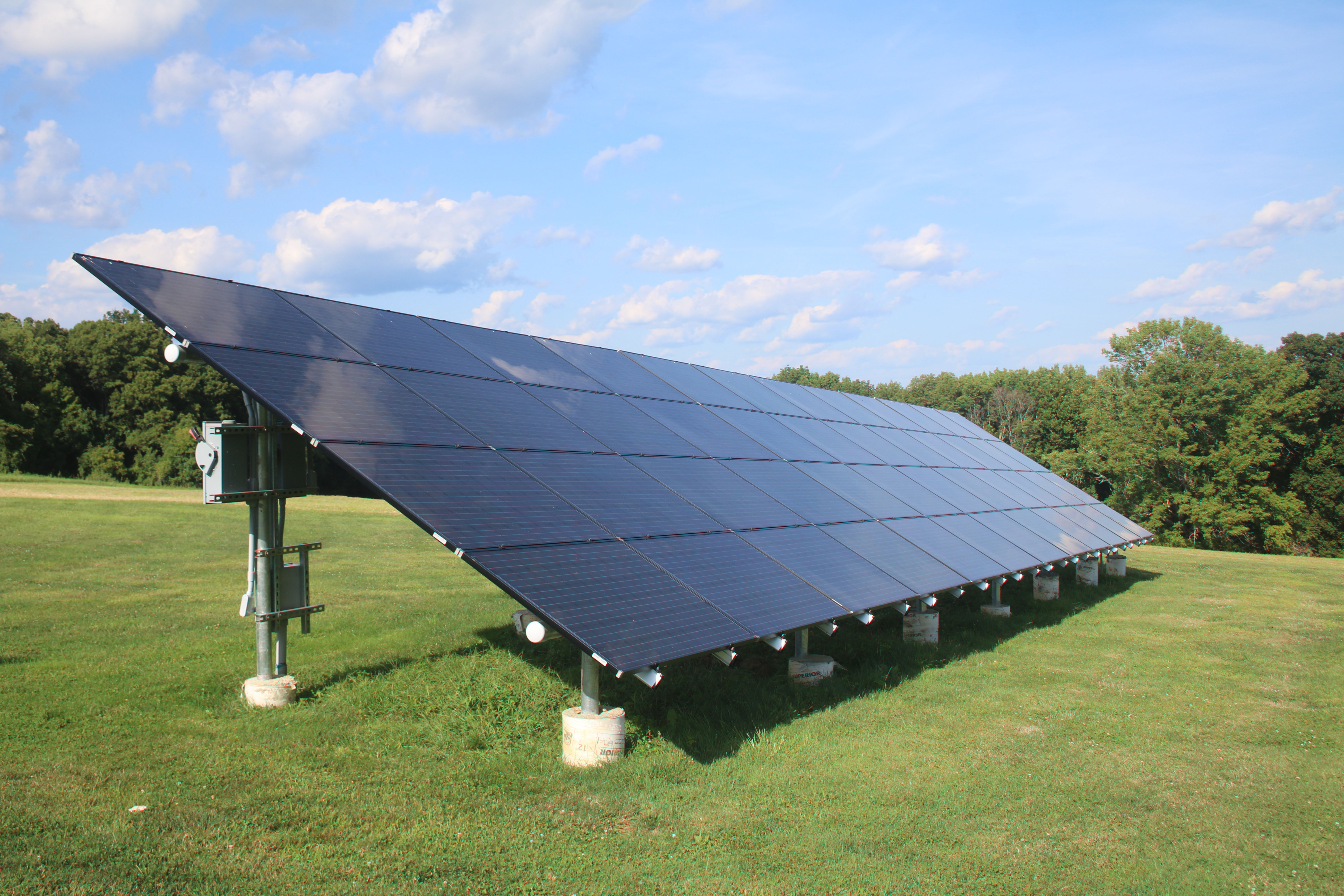
A 30 panel ground based solar panel installation is a utility-scale or large residential solar energy system mounted on dedicated ground-mounting structures rather than a roof. Typically generating between 10 kW to 15 kW of power depending on module wattage, this setup requires an open land area of roughly 1,500 to 2,500 square feet, clear southern exposure, comprehensive site civil engineering, structural interconnection, and strict adherence to local zoning and electrical codes.
Designing and constructing a large-scale renewable energy project requires careful coordination among property owners, structural engineers, and electrical contractors. Unlike rooftop arrays that rely on existing home structures, ground-mounted systems offer complete flexibility in tilt angle, orientation, and cleaning access, making them a preferred choice for rural, semi-rural, and large suburban properties with adequate yard space.
Understanding Ground-Based Solar Systems
Ground-based solar arrays represent a distinct architectural and engineering approach to harnessing photovoltaic (PV) energy. While rooftop systems are constrained by the pitch, azimuth, and structural load limits of an existing building, ground-mounted systems are engineered from the ground up for optimal energy capture.
A 30-panel array occupies a substantial footprint. Standard commercial and residential PV modules measure roughly 6.5 feet by 3.2 feet. Arranging thirty of these panels requires a carefully calculated layout that accounts for row spacing to prevent self-shading during low-sun winter months. Understanding the baseline mechanical and electrical characteristics of these arrays helps property owners evaluate feasibility before committing capital.
Array Sizing and Power Generation Capacity
A system comprising 30 modern high-efficiency photovoltaic panels (averaging 400W to 500W per panel) yields a total DC nameplate capacity between 12 kW and 15 kW. This output easily satisfies the annual electricity consumption of a large American household, often producing a surplus depending on local insolation levels, shading, and household energy habits.
To convert DC power to usable AC power for a home or grid tie-in, the system relies on either string inverters with optimizers or microinverters assigned to individual panels. Because ground mounts often experience less thermal buildup than roof mounts—thanks to improved natural airflow beneath the panels—they frequently achieve higher operational efficiency and annual energy yield per watt installed.
Footprint and Spatial Requirements
The physical footprint of a 30-panel ground installation depends heavily on the mounting configuration. Panels can be mounted in portrait or landscape orientations, typically configured in rows of 10 or 15 panels wide, spanning two to three vertical tiers.
| Metric / Specification | Typical 30-Panel Array Parameter |
|---|---|
| Total DC Capacity | 12 kW – 15 kW |
| Required Land Area | 1,500 – 2,500 square feet |
| Foundation Type | Driven piers, helical piles, or ballasted concrete blocks |
| Inverter Architecture | Central string inverter, optimizers, or microinverters |
| Estimated Annual Output | 15,000 – 22,000 kWh (location dependent) |
Site Assessment and Feasibility
Before any physical installation begins, a comprehensive site assessment must verify that the chosen parcel of land can support a 30-panel array. Skipping this phase can lead to structural failure, poor energy yield, or costly regulatory fines.
Solar Access and Shading Analysis
The primary determinant of solar productivity is unobstructed sunlight. Ground mounts are susceptible to horizon obstructions, tree lines, and future vegetation growth. Installers use a solar pathfinder or digital horizon measurement tool to calculate the solar window across all four seasons. Even minor morning or evening shading across a corner of the array can disproportionately impact overall string voltage if traditional string inverters are used without module-level power electronics.
Soil Mechanics and Geotechnical Testing
Because ground-mounted systems anchor directly into the earth, soil composition dictates the engineering of the foundation. A geotechnical survey evaluates soil bearing capacity, frost line depth, and rock content.
- Clay and Loam: Frequently allow for driven steel I-beams or helical piles, which offer fast installation and minimal concrete use.
- Rocky or Shallow Soil: May require ballasted concrete foundation blocks resting on the surface to avoid excavation challenges.
- High Water Table: Demands corrosion-resistant coatings and specialized anchor depths to prevent shifting during freeze-thaw cycles.
Permitting, Zoning, and Legal Prerequisites
Installing a 30-panel ground-mounted solar system involves navigating a complex web of local municipal codes, utility interconnection rules, and property restrictions.
Zoning Regulations and Setback Requirements
Local zoning boards typically classify ground-mounted solar arrays as accessory structures. Consequently, municipalities enforce strict setback rules specifying how close the array can be to property lines, public roads, and primary residential structures. Additionally, some jurisdictions enforce maximum height restrictions, limiting the top edge of the array to a specific clearance above grade to preserve neighborhood aesthetics.
Homeowners Association (HOA) Covenants
Properties governed by an HOA face distinct hurdles. While many states have enacted solar access laws that limit the ability of an HOA to outright ban solar energy systems, HOAs retain the legal right to regulate the exact placement, color, and screening of ground-mounted arrays to ensure visual harmony within the community.
Utility Interconnection Application
To feed excess power back to the grid or operate safely alongside utility power, the system owner must submit an interconnection application to the local electric utility. The utility reviews the grid's capacity in the local neighborhood transformer circuit to ensure it can safely handle a backfed 12 kW to 15 kW surge during peak generation hours.
Structural Engineering and Mounting Technologies
The structural skeleton of a ground-mounted array must withstand severe environmental forces, including heavy snow loads and high wind uplift pressures.
Foundation Options
- Helical Piles: Large steel screws drilled deep into the ground. They provide exceptional pull-out resistance and require minimal curing time.
- Driven Piers: Steel posts hammered directly into the soil using pneumatic drivers. This is often the most cost-effective method for large open fields.
- Ballasted Mounts: Concrete blocks resting on top of the ground. Ideal for sites where driving piles is impossible due to bedrock or underground utilities.
Fixed vs. Tracking Racking Systems
- Fixed-Tilt Racking: The panels remain stationary, typically angled at an optimal tilt matching the local latitude. Fixed mounts are mechanically simple, highly reliable, and lower in initial capital cost.
- Single-Axis Trackers: The array pivots on an axis from east to west throughout the day, tracking the sun's movement. While mechanical complexity and maintenance costs are higher, single-axis trackers can boost energy generation by 15% to 25%.
Electrical Design and Balance of System (BOS)
The electrical balance of system components ties the 30 solar panels together and safely routes high-voltage DC electricity to conversion and distribution points.
Wiring and String Configuration
Thirty panels must be wired in series and parallel combinations to match the maximum voltage and amperage limits of the selected inverter. String sizing must account for extreme low-temperature conditions, which temporarily increase panel voltage. If voltage exceeds inverter tolerances during a cold winter morning, equipment damage can occur.
Trenching and Conduit Runs
Because a ground-mounted array is typically detached from the main building, DC or AC wiring must run underground through protective electrical conduit. Trenching depth is strictly regulated by the National Electrical Code (NEC) to prevent accidental damage from landscaping tools, farming equipment, or shifting soil. Underground conductors must be rated for direct burial and wet locations.
Installation Sequence and Construction Workflow
Executing a 30-panel ground-based installation follows a rigorous chronological sequence to ensure safety, efficiency, and compliance.
Site Survey & Geotechnical Test
Permitting & Utility Approval
Earthwork & Foundation Installation
Racking Assembly & Alignment
Module Mounting & Grounding
Trenching, Wiring & Inverter Integration
Electrical Inspection & Interconnection
Site Preparation: Clearing vegetation, grading uneven spots, and marking underground utilities via utility-locating services.
Foundation Placement: Driving piles or pouring/placing ballast blocks according to engineered plot plans.
Racking Installation: Bolting vertical posts, east-west rails, and tilt-angle brackets to the foundation.
Module Mounting: Securing the 30 PV panels onto the rails using specialized mid-clamps and end-clamps with integrated grounding lugs.
Electrical Integration: Connecting module wiring, running home-run cables into combiner boxes or inverters, and establishing a continuous equipment grounding electrode system.
Maintenance, Monitoring, and Operational Longevity
Ground-based systems offer distinct maintenance advantages over rooftop arrays. Because technicians can walk right up to the panels, routine inspections, inverter checks, and panel washing require no specialized roof-safety gear.
- Vegetation Management: Grass and weeds must be managed beneath and around the array to prevent shading and fire hazards. Many owners plant low-growing native ground covers or use gravel beds under the footprint.
- Performance Monitoring: Modern monitoring gateways provide real-time production data at the panel level, allowing owners to instantly detect failing optimizers, disconnected strings, or severe dust accumulation.
- Periodic Inspection: Annual checks of mechanical fasteners, grounding bonds, and conduit integrity ensure the system withstands seasonal weather extremes over its 25-to-30-year operational lifespan.
Frequently Asked Questions
How much land is required for a 30-panel ground-mounted solar system?
A 30-panel array typically requires between 1,500 and 2,500 square feet of clear, unshaded land. The exact footprint depends on panel wattage, physical dimensions, and the required spacing between rows to avoid self-shading.
Are ground-mounted solar panels more efficient than roof-mounted systems?
Yes, ground-mounted systems generally produce more energy per watt than roof mounts. They benefit from superior natural airflow underneath the panels, which keeps operating temperatures lower. Cooler photovoltaic cells maintain higher conversion efficiency.
Do I need a building permit for a ground-based solar array?
Almost all municipalities require a building permit, electrical permit, and zoning review for ground-mounted solar installations. Local authorities enforce structural, electrical, and setback codes to ensure public safety and property compliance.
Can I install a ground-mount solar system myself?
While DIY installations are technically possible for experienced builders, a 30-panel system involves heavy structural engineering, high-voltage DC wiring, trenching, and strict utility interconnection protocols. Professional installation ensures compliance with the National Electrical Code and validates equipment warranties.
What happens to a ground-mounted solar array during high winds or heavy snow?
Professionally engineered ground mounts are designed to withstand specific local wind speeds and snow load ratings dictated by regional building codes. Properly anchored piles and correct tilt angles allow snow to slide off naturally and prevent wind uplift damage.
Conclusion and Next Actions
A 30 panel ground based solar panel installation provides a powerful, highly efficient renewable energy solution for properties with adequate space and sunlight. To move forward successfully, begin by conducting a preliminary solar access audit of your land, consult a local civil or structural engineer regarding soil conditions, and verify local zoning setbacks before purchasing equipment or filing utility interconnection paperwork.