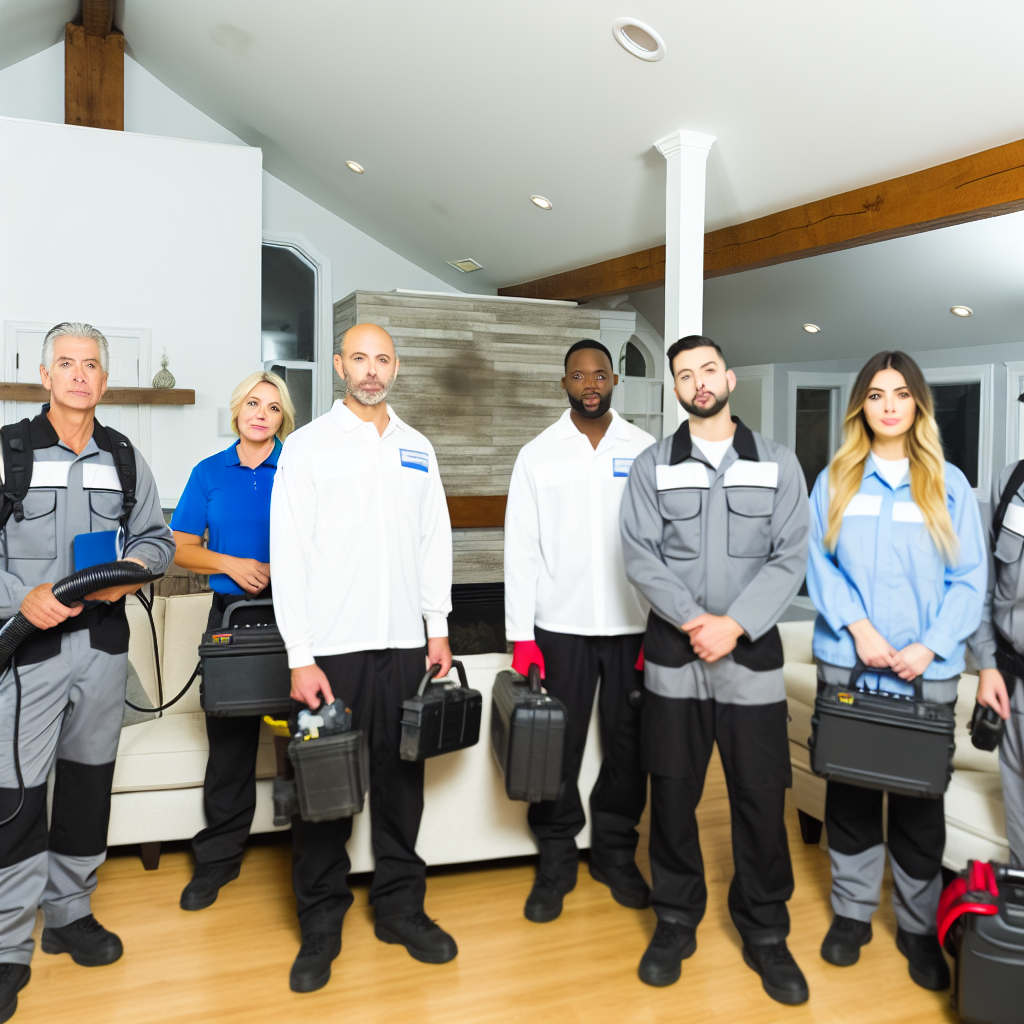
When you discover significant mold growth in your home or business in Chattanooga, time is a critical factor in preventing structural damage and health complications. 24-hour mold remediation emergency services provide immediate professional intervention to contain, mitigate, and remove fungal contamination, operating around the clock to address moisture-related emergencies before they escalate. These services are specifically designed to stabilize your property, assess the extent of the infestation, and implement rapid drying or removal protocols to protect your indoor air quality.
Understanding the Necessity of Immediate Mold Remediation
Mold is a biological organism that thrives in humid environments, and Chattanooga’s regional climate—characterized by high humidity and frequent precipitation—creates a natural incubator for mold spores. When a pipe bursts, a roof leaks, or a basement floods, the clock starts on the mold life cycle. Spores can germinate in as little as 24 to 48 hours when moisture is present on organic materials like drywall, wood, carpeting, or ceiling tiles.
Emergency mold remediation is not merely a cleaning service; it is a technical process involving containment, moisture extraction, and air filtration. Choosing a 24-hour service provider ensures that these vital steps occur immediately, rather than waiting for standard business hours. This speed is essential because once mold colonizes building materials, it begins to digest those materials, potentially compromising the integrity of walls, floor joists, and structural support systems. Furthermore, prolonged exposure to high spore counts can pose respiratory risks to occupants, making professional, rapid removal a matter of health as well as property maintenance.
The Professional Remediation Process
When you call for 24-hour emergency services, the provider follows a standardized, systematic approach designed to handle hazardous situations safely. Understanding this flow helps property owners set expectations for what will occur once the technicians arrive at the site.
1. Initial Assessment and Moisture Detection
Technicians first use thermal imaging cameras and moisture meters to map the extent of the water damage and mold growth. Because mold is often hidden behind baseboards, inside wall cavities, or under flooring, these tools are vital for identifying the root source of moisture. Without addressing the moisture source, remediation is only a temporary fix.
2. Containment Procedures
To prevent cross-contamination, technicians establish physical barriers using specialized plastic sheeting and negative air machines. These machines create a pressure differential, ensuring that air flows into the containment area rather than out into the rest of the building. This keeps microscopic mold spores from migrating to unaffected rooms during the cleanup process.
3. Air Filtration and Spore Removal
High-Efficiency Particulate Air (HEPA) filtration is used to scrub the air of spores. These filters are capable of trapping particles as small as 0.3 microns, which is essential for restoring indoor air quality to a safe, baseline standard.
4. Removal and Sanitization
Materials that are non-porous or semi-porous, such as metal or finished wood, may be cleaned and sanitized with industry-standard antimicrobial solutions. However, porous materials like saturated drywall or heavily contaminated insulation must often be removed and disposed of according to strict safety protocols.
5. Drying and Structural Restoration
After the mold is removed, the area must be thoroughly dried. If moisture remains in the studs or subflooring, mold will return almost immediately. Large-scale dehumidifiers and high-velocity air movers are employed to bring the building materials to a moisture content level that no longer supports fungal growth.
Evaluating Remediation Providers in Chattanooga
Not all services claiming "24-hour" availability operate with the same professional standards. In Tennessee, while there is no state-mandated license specifically for mold remediation, reputable contractors follow guidelines established by the IICRC (Institute of Inspection Cleaning and Restoration Certification), specifically the S520 Standard for Professional Mold Remediation.
Criteria for Selection
When selecting a service in Chattanooga, look for these markers of professional competency:
- IICRC Certification: Ensure the technicians assigned to your property are certified under the S520 standard.
- Third-Party Testing: Professional firms often suggest hiring an independent environmental hygienist to perform "clearance testing" after remediation to verify that the job was done correctly.
- Insurance Coverage: Confirm the company carries pollution liability insurance, which is distinct from standard general liability and covers mold-specific incidents.
- Detailed Documentation: A professional service provides a formal scope of work before beginning and a detailed report upon completion.
Comparison of Service Approaches
| Feature | Professional Remediation | DIY/Handyman Cleaning |
|---|---|---|
| Containment | Negative air pressure (HEPA) | None |
| Assessment | Moisture mapping & thermal imaging | Visual inspection only |
| Disposal | Professional biohazard protocols | Standard waste disposal |
| Clearance | Independent post-remediation testing | None |
| Equipment | Industrial-grade desiccants/dehumidifiers | Consumer-grade shop fans |
The Role of Insurance and Documentation
Property owners in Chattanooga should understand how their insurance policies interact with mold remediation. Most standard homeowner policies cover mold only if it is the result of a "covered peril" (like a sudden pipe burst or accidental discharge). Mold resulting from long-term neglect, high humidity, or chronic seepage is often excluded.
Always document the event extensively. Take high-resolution photographs of the damage before any remediation occurs. If the mold is the result of a specific incident, report it to your insurance provider immediately. Keep a copy of the emergency service provider’s contract and final report, as these will be required if you intend to file a claim. If the remediation cost is substantial, ensure that the contractor provides an itemized bill that distinguishes between emergency mitigation fees and long-term structural repairs.
Common Challenges and Troubleshooting
Despite the use of professional services, certain challenges may arise during the remediation process. Being aware of these can help you better communicate with your service provider.
- Hidden Reservoirs: Sometimes mold is located inside HVAC systems or ductwork. If you notice a musty odor that persists even after the main rooms have been treated, request an inspection of the internal HVAC components.
- Secondary Contamination: This happens when containment fails. If you see dust or residue appearing in clean areas, immediately contact your technician to re-check the integrity of the containment barriers.
- Material Sensitivity: Certain historic buildings in areas like downtown Chattanooga may have specialized construction materials that cannot be simply replaced. Communicate with the remediation team about any materials that require specialized restoration rather than demolition.
Frequently Asked Questions
Is it safe to stay in the house during mold remediation?
It depends on the extent of the mold. If the contamination is localized, you may remain in the home, provided you stay out of the containment zone. However, if the growth is widespread or if you have specific health conditions, professional remediators may advise you to vacate the premises until clearance testing confirms the air is safe.
Do I need to test for mold before calling a professional?
If you can see the mold or smell a persistent musty odor, testing is usually redundant. The priority is immediate removal. If you are uncertain whether a substance is mold, you can request an inspection, but do not wait for test results if there is active water damage, as the mold will continue to spread while you wait for a lab report.
How much does emergency remediation cost?
Costs vary based on the square footage of the contamination, the complexity of the materials involved, and the time of day the emergency occurs. Most professional firms provide a quote based on a physical inspection. Avoid any company that attempts to give you a "guaranteed" price over the phone without seeing the site.
Does bleach kill mold on all surfaces?
No. While bleach is often used for surface cleaning, it is ineffective on porous materials like drywall or wood studs. The water content in bleach can actually feed mold roots deeper into the wood. Professional remediation relies on EPA-registered antimicrobial agents and physical removal rather than just surface bleaching.
What should I do immediately while waiting for help to arrive?
Shut off the source of the water if possible (e.g., the main water valve). If safe to do so, move personal belongings out of the affected area to prevent them from becoming contaminated. Do not attempt to use household fans, as this will spread spores throughout your HVAC system or into unaffected rooms.
Next Actions for Property Owners
If you suspect active mold growth in your Chattanooga residence, your first step is to contain the moisture source and contact a certified, 24-hour remediation specialist. Do not delay, as moisture is the fuel that allows mold colonies to multiply rapidly. Once the initial emergency phase is managed, work with your service provider to identify the root cause—whether it be poor ventilation, plumbing failures, or structural leaks—and implement permanent repairs to ensure the problem does not recur.