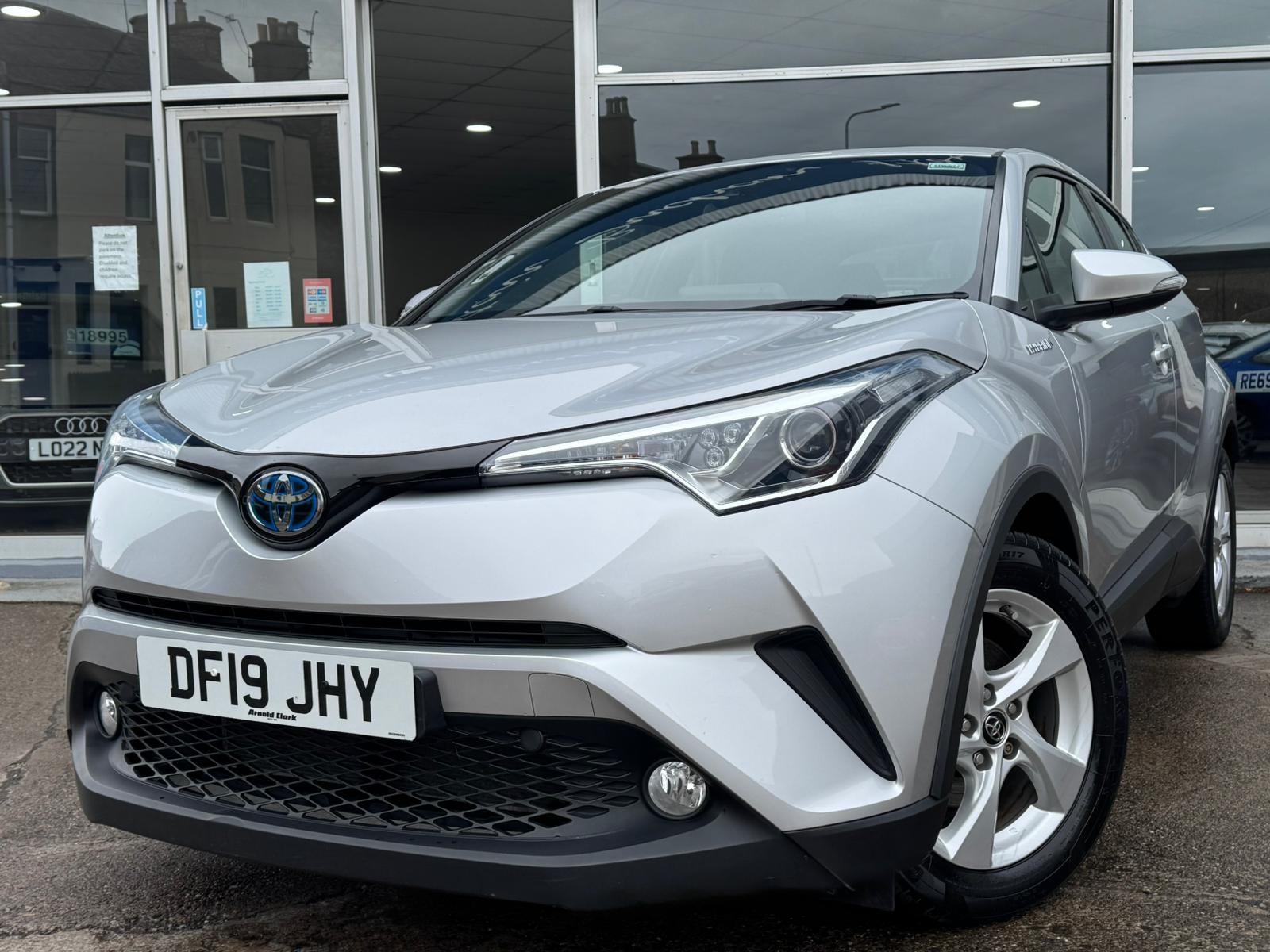
The 2019 Toyota C-HR, or Coupe High-Rider, launched in the United States with a base Manufacturer’s Suggested Retail Price (MSRP) starting at $20,995 for the entry-level LE trim. Throughout the 2019 model year, pricing adjusted slightly based on the selected trim level and optional add-ons, with the top-tier Limited trim reaching a starting MSRP of $26,050 before destination charges and dealer fees.
Historical Context and Market Positioning
When Toyota introduced the 2019 C-HR to the United States market, it occupied a unique space within the subcompact crossover SUV segment. Unlike many of its competitors that prioritized maximum interior utility or off-road capability, the C-HR was marketed heavily on its avant-garde styling, hatchback-like maneuverability, and a robust suite of standard safety features. By the time this model hit dealership floors, Toyota had refined its trim hierarchy to broaden the vehicle's appeal, transitioning from a single-spec model in the previous year to a more structured tiered approach.
The MSRP serves as the foundational price suggested by Toyota for the vehicle before taxes, licensing, registration, or dealer-specific markups are applied. For the 2019 model year, the manufacturer’s suggested destination, processing, and handling fee was generally set at $1,045. Prospective buyers looking at this vehicle today should understand that the original MSRP represents the historical baseline value, which significantly informs the depreciation curves and current used-market valuation in 2026.
Trim Level Breakdown and Original Pricing
The 2019 Toyota C-HR was offered in three primary trim levels: LE, XLE, and Limited. Each trim came with a 2.0-liter 4-cylinder engine paired with a Continuously Variable Transmission (CVT) and Front-Wheel Drive (FWD). The variance in price between these trims reflected differences in interior materials, convenience features, and exterior aesthetic refinements.
- LE Trim: Serving as the entry point, the LE was designed for value-conscious buyers. It included standard features such as the Toyota Safety Sense P (TSS-P) suite, a dual-zone automatic climate control system, and an 8-inch infotainment touchscreen. With a starting MSRP of $20,995, it offered a competitive entry into the crossover market.
- XLE Trim: Stepping up to the XLE, priced at a starting MSRP of $22,980, owners gained creature comforts such as blind-spot monitoring with rear cross-traffic alert, a smart key system with push-button start, and power-folding side mirrors. The XLE represented the mid-range balance between budget and premium features.
- Limited Trim: The top-tier Limited trim carried a starting MSRP of $26,050. This version featured upscale touches, including leather-trimmed heated front seats, rain-sensing windshield wipers, adaptive front lighting, and unique exterior badging.
Factors Influencing the Purchase Price Beyond MSRP
While the MSRP provides the initial benchmark, the "out-the-door" price paid by the original consumer was rarely identical to the suggested figure. Several factors influenced the final transaction price in the United States during the 2019 calendar year:
- Dealer Adjustments and Market Demand: Depending on regional demand, dealerships often applied market adjustments. In high-demand urban areas, vehicles might have sold above MSRP, while in slower markets, competitive discounting was common.
- Optional Equipment and Port-Installed Accessories: Toyota offered various accessories such as mudguards, roof rack crossbars, and paint protection film that were installed either at the port of entry or by the dealership. These additions increased the total invoice price beyond the base trim MSRP.
- Taxes and Fees: Every state imposes different sales tax rates, which significantly impacted the final cost. Additionally, registration fees, documentation fees, and local government surcharges varied widely across the country, making the final purchase price highly localized.
- Manufacturer Incentives: Toyota frequently utilized cash-back rebates, low-interest financing offers, and lease incentives to move inventory. These programs effectively reduced the net cost to the consumer, often offsetting portions of the tax and fee burden.
Comparative Analysis of 2019 C-HR Trim Pricing
The following table summarizes the structure of the 2019 Toyota C-HR pricing, reflecting the base MSRP as established at launch. Note that these figures exclude the $1,045 destination fee and regional taxes.
| Trim Level | Base MSRP (USD) | Primary Distinguishing Features |
|---|---|---|
| LE | $20,995 | 17-inch steel wheels, dual-zone climate, TSS-P safety suite |
| XLE | $22,980 | Blind-spot monitor, 18-inch alloys, smart key system |
| Limited | $26,050 | Leather seats, rain-sensing wipers, adaptive headlamps |
Technical Specifications and Value Proposition
The 2019 Toyota C-HR was engineered with a specific performance philosophy. Its 2.0-liter 4-cylinder engine produced 144 horsepower and 139 lb-ft of torque. While these figures were modest compared to turbocharged competitors, the value proposition was centered on fuel efficiency and reliability. The EPA-estimated fuel economy for the 2019 model was 27 mpg in the city and 31 mpg on the highway.
From a safety perspective, the 2019 C-HR was a segment leader for its time. Every trim level came standard with the Toyota Safety Sense P (TSS-P) system, which included a Pre-Collision System with Pedestrian Detection, Lane Departure Alert with Steering Assist, Automatic High Beams, and Full-Speed Range Dynamic Radar Cruise Control. This standardized safety package added significant value that was not always standard among competitors in the $20,000–$26,000 price range, justifying the MSRP for families and safety-focused drivers.
Maintenance, Longevity, and Long-Term Ownership Costs
Understanding the original MSRP is only part of the ownership equation. As of 2026, the 2019 C-HR is a veteran vehicle, and the original MSRP has little impact on current maintenance requirements. Owners should prioritize the historical reliability of the drivetrain. The CVT in the 2019 model requires specific attention to fluid maintenance intervals. Failing to adhere to the manufacturer's suggested service schedule can lead to accelerated wear.
When evaluating a used 2019 C-HR, buyers should look for evidence of consistent oil changes (typically every 5,000 to 10,000 miles, depending on the oil type used) and routine inspections of the suspension components. Because the C-HR utilizes a MacPherson strut front suspension and a double-wishbone rear suspension, it offers a more composed ride than many torsion-beam competitors, though these components are subject to wear based on road conditions.
Assessing Depreciation and Market Value in 2026
In the current year, 2026, the original MSRP of the 2019 C-HR serves primarily as a historical data point. Depreciation for a vehicle of this age follows standard industry patterns, typically leveling out after seven years of service. Market value is now determined by mileage, condition, vehicle history reports (e.g., accidents or flood damage), and the local availability of the vehicle.
Prospective buyers should use the original trim-level pricing to benchmark the relative value of features. For instance, a well-maintained Limited trim with lower mileage may retain a higher percentage of its original MSRP than an entry-level LE with high mileage, due to the inherent value of the interior features and driver-assist tech. Always verify the vehicle's title status and ensure that any outstanding recalls—such as those related to the fuel pump or parking brake systems that occurred during the vehicle's lifespan—have been documented and addressed by a certified service center.
Frequently Asked Questions
What was the destination fee for the 2019 Toyota C-HR? The standard destination, processing, and handling fee for the 2019 Toyota C-HR was $1,045. This was a mandatory fee applied to the MSRP that covered the transportation of the vehicle from the assembly plant to the dealership.
Did the 2019 C-HR have an all-wheel-drive option? No, the 2019 Toyota C-HR was sold exclusively as a front-wheel-drive (FWD) vehicle in the United States. There were no factory-authorized all-wheel-drive (AWD) configurations produced for this model year.
What was the primary difference between the LE and XLE trims? The primary differences involved convenience and safety tech. While the LE provided the essentials, the XLE added Blind Spot Monitor (BSM) with Rear Cross-Traffic Alert (RCTA), heated power outside mirrors, and a smart key system, which provided a more refined user experience for a relatively small price increase.
Does the 2019 Toyota C-HR require premium fuel? No, the 2019 Toyota C-HR is designed to operate on regular unleaded gasoline (87 octane). Using higher octane fuel is unnecessary and does not provide performance or efficiency benefits for this engine.
Are there any major differences in the 2019 MSRP based on exterior color? Generally, exterior paint colors do not change the MSRP of the base vehicle. However, some premium "special" colors, such as "Blizzard Pearl" or two-tone configurations (available on certain trims), carried an additional premium charge when originally configured.
Recommendation for Prospective Buyers
If you are currently evaluating a 2019 Toyota C-HR in 2026, do not let the original MSRP distract you from the vehicle's current condition. The most important action is to secure a comprehensive Pre-Purchase Inspection (PPI) from a qualified mechanic. Focus specifically on the health of the CVT transmission and the functionality of the standard Toyota Safety Sense P electronics. If the vehicle has a clean title and a verifiable service history, it can represent a practical, reliable, and stylish transportation solution. When negotiating, use current market data for your specific region rather than focusing on the original 2019 MSRP, as the current market price will be significantly lower.