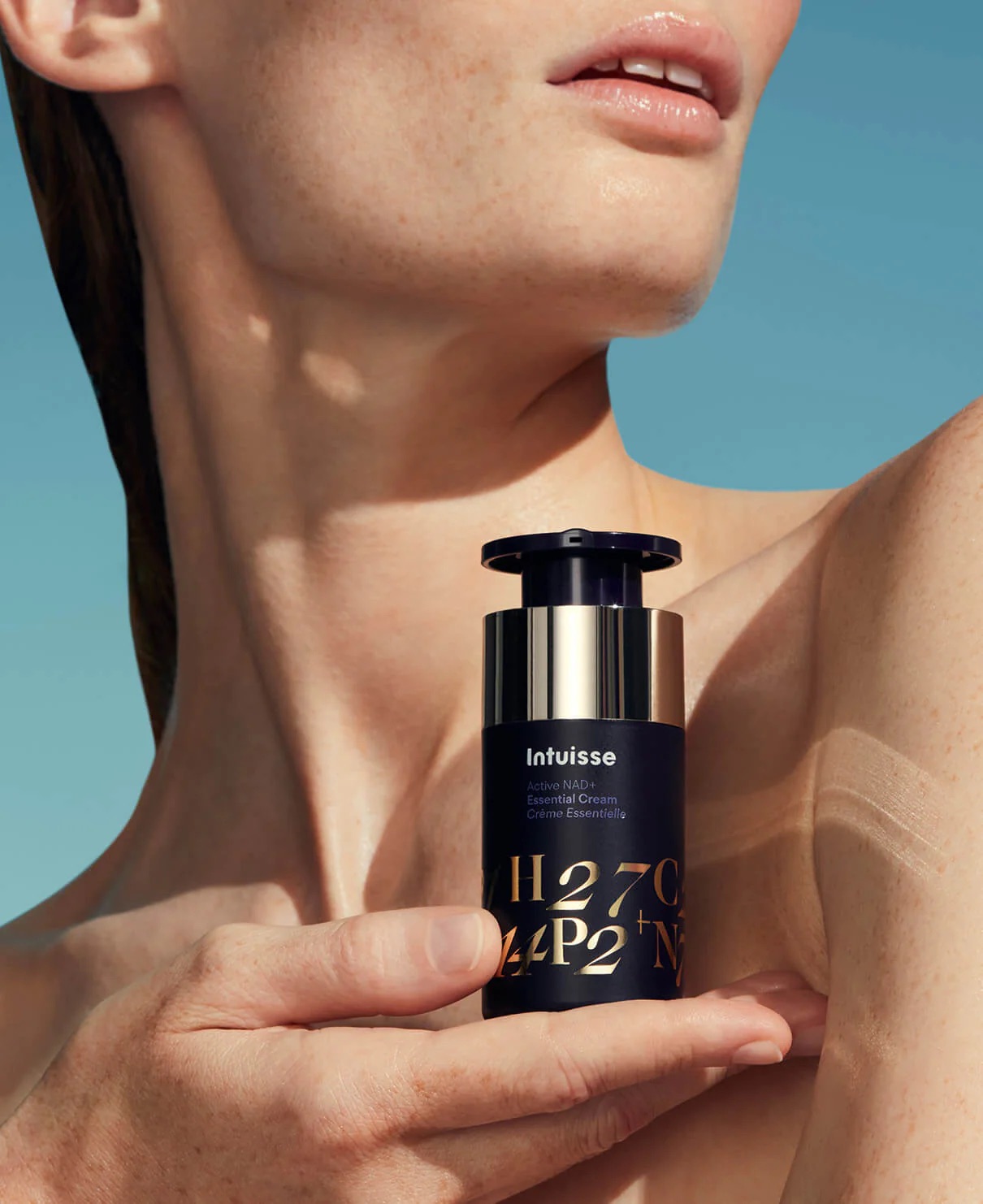
The year 2018 marked a definitive turning point in the beauty and wellness industry, shifting consumer focus away from heavy makeup concealment and toward high-performance biological skin health. Driven by scientific innovations, the mainstream adoption of multi-step K-beauty routines, and a digital-first approach to ingredient education, this period established new benchmarks for topical efficacy, barrier repair, and personalized dermatological regimens.
The Evolution of Skin Care: Shifting from Cover-Up to Prevention
For decades, the mainstream beauty market relied heavily on decorative cosmetics to mask imperfections, fine lines, and uneven textures. Topical formulations available to the general public were often limited to basic moisturizers, physical scrubs, and astringent toners that stripped the skin's natural lipid barrier.
By 2018, however, a massive paradigm shift occurred. Consumers began to view skin care not merely as a cosmetic luxury, but as an essential component of overall health and wellness. This transition was heavily accelerated by the democratization of information. Dermatologists, cosmetic chemists, and independent estheticians utilized digital platforms to demystify complex chemical formulations, transforming everyday consumers into ingredient-literate buyers.
People stopped asking merely what a product smelled like or how it felt upon initial application; instead, they began scrutinizing ingredient decks for active concentrations, pH levels, and molecular weights. This cultural evolution laid the groundwork for an industry boom centered on transparency, science-backed efficacy, and long-term preventative maintenance rather than temporary cosmetic fixes.
Key Drivers of the 2018 Skin Care Phenomenon
Several intersecting cultural, technological, and market forces converged in 2018 to create an unprecedented boom in skin care innovation and consumer engagement.
The Mainstream Explosion of Korean Beauty (K-Beauty)
While concepts like double-cleansing, essences, and sheet masks had been popular in Asian markets for years, 2018 was the year these rituals fully saturated Western retail giants like Sephora, Ulta, and major drugstores. The multi-step routine taught consumers to layer products strategically, moving from thinnest to thickest consistency, which maximized hydration and nutrient absorption.
Ingredient Transparency and Active Compounds
The rise of direct-to-consumer chemical brands—most notably The Ordinary, which gained massive market share around this time—shattered the illusion that high-performing active ingredients required luxury price tags. By marketing individual active ingredients by their chemical names (such as niacinamide, hyaluronic acid, and ascorbic acid), these brands empowered consumers to build custom regimens tailored to their specific biological needs.
The Rise of Digital Beauty Communities
Online forums, subreddits, and Instagram beauty communities experienced explosive growth in 2018. These spaces functioned as peer-to-peer laboratories where users shared patch-test results, tracked progress via high-resolution photography, and analyzed product formulations with academic rigor. Brands could no longer rely purely on advertising claims; they had to withstand scrutiny from an informed collective of consumers.
Breakthrough Ingredients That Defined the Era
The technological advancements in cosmetic chemistry during this period introduced several hero ingredients that transitioned from clinical dermatology offices to everyday bathroom cabinets.
| Ingredient | Primary Function | Ideal Skin Type / Concern | Key Benefit |
|---|---|---|---|
| Hyaluronic Acid | Humectant hydration | Dehydrated, aging, or dry skin | Draws moisture into the epidermis, plumping fine lines |
| Niacinamide (Vitamin B3) | Barrier repair & sebum regulation | Combination, acne-prone, or sensitive skin | Minimizes pore appearance, reduces redness, strengthens barrier |
| Vitamin C (L-Ascorbic Acid) | Antioxidant & brightening | Hyperpigmentation, dullness, photo-damage | Neutralizes free radicals and inhibits melanin production |
| AHA / BHA Acids | Chemical exfoliation | Rough texture, clogged pores, acne | Dissolves intercellular glue to slough off dead skin cells |
The Science of Acid Exfoliation
Prior to this era, physical scrubs containing crushed walnut shells or plastic microbeads dominated the market. Unfortunately, these physical exfoliants often caused microscopic tears in the skin barrier, leading to chronic inflammation and sensitivity.
The breakthrough of 2018 was the widespread adoption of chemical exfoliants—specifically Alpha Hydroxy Acids (AHAs) like glycolic and lactic acid, and Beta Hydroxy Acids (BHAs) like salicylic acid. BHAs proved revolutionary for oily and acne-prone skin because their oil-soluble nature allowed them to penetrate deep inside the pore lining to dissolve trapped sebum and cellular debris.
Barrier Health and Microbiome Awareness
As consumers experimented with potent actives, instances of over-exfoliation and compromised skin barriers also rose. This led to a counter-movement focused entirely on barrier restoration. Formulations began incorporating ceramides, fatty acids, cholesterol, and prebiotic extracts designed to support the skin’s natural microbiome. Maintaining a healthy acid mantle (pH around 4.5 to 5.5) became a primary objective of modern skin care routines.
Comparative Overview: Skin Care Philosophy Before vs. After 2018
To understand the magnitude of this shift, it is helpful to compare the dominant consumer approach to skin care prior to 2018 with the standards established during and after that milestone year.
Pre-2018 Approach:
- Reliance on heavy makeup and concealers to cover blemishes and uneven tone.
- Use of harsh physical scrubs and alcohol-heavy toners that disrupted the skin barrier.
- Brand loyalty driven by marketing claims, luxury packaging, and department store prestige.
- Simplistic routines focused on basic cleansing and heavy, occlusive moisturizing creams.
Post-2018 Approach:
- Focus on bare-skin health, luminosity, and targeted treatment of underlying dermal issues.
- Widespread use of gentle chemical exfoliants, targeted serums, and daily broad-spectrum SPF.
- Ingredient-first evaluation, scrutinizing concentration percentages and pH levels.
- Customized, multi-step regimens addressing hydration, antioxidant protection, and barrier defense.
Challenges, Misconceptions, and Pitfalls of the Trend
While the democratization of skin care brought immense benefits, the rapid acceleration of the 2018 trends also introduced notable challenges for consumers and dermatologists alike.
The Over-Exfoliation Epidemic
Armed with affordable acids and potent retinoids, many consumers aggressively layered multiple active ingredients without proper guidance. This resulted in widespread cases of compromised moisture barriers, characterized by chronic irritation, flaking, stinging upon application of basic products, and increased breakouts. Dermatologists spent a significant portion of late 2018 and subsequent years treating reactive skin conditions caused by "skinimalism" gone wrong.
Information Overload and Misinformation
The explosion of online skin care advice created an environment where anecdotal evidence often overshadowed clinical science. Consumers frequently mixed incompatible ingredients—such as using strong acids and high-strength retinoids in the same application window—leading to chemical burns or neutralized efficacy. Navigating the sheer volume of product launches required a steep learning curve that many casual buyers found overwhelming.
Frequently Asked Questions
Why is 2018 considered such a pivotal year for skin care?
The year 2018 marked a major cultural and commercial transition where skin care shifted from basic maintenance and cosmetic cover-ups to active, science-backed dermal health. The rise of ingredient transparency, affordable active formulations, and the mainstream adoption of multi-step routines permanently changed consumer habits.
Did K-beauty start in 2018?
No, Korean beauty practices and multi-step routines originated and evolved over many years prior. However, 2018 was the watershed year when these concepts fully permeated mainstream Western retail markets, making products like sheet masks, essences, and gentle oil cleansers household staples.
Are chemical exfoliants better than physical scrubs?
From a dermatological perspective, generally yes. Chemical exfoliants (AHAs and BHAs) dissolve the bonds between dead skin cells uniformly across the surface and within pores, whereas physical scrubs often feature irregular abrasive particles that can cause microscopic tears and inflammation in the skin barrier.
How did ingredient pricing change around this time?
The market saw a massive disruption led by direct-to-consumer brands that sold single-active formulations by their chemical names at a fraction of traditional luxury pricing. This proved that high-performance ingredients like hyaluronic acid and niacinamide could be manufactured and sold affordably.
What was the most common mistake consumers made during this trend boom?
The most prevalent mistake was over-exfoliation and the simultaneous layering of conflicting active ingredients (such as mixing strong acids with retinoids), which stripped the skin barrier, triggered severe inflammation, and increased long-term skin sensitivity.
Next Actions and Recommendations
If you are looking to apply the lessons of this foundational skin care era to your current routine, focus on balance over complexity. Begin by assessing your skin's true needs through a minimalist baseline: a gentle, non-stripping cleanser, a hydrating moisturizer rich in ceramides, and a reliable broad-spectrum sunscreen used daily. Introduce active ingredients slowly—patch-testing each new formulation for at least 48 hours—and never sacrifice barrier health for the sake of aggressive treatment. Prioritize consistency and scientific formulation over marketing hype to achieve lasting skin health.