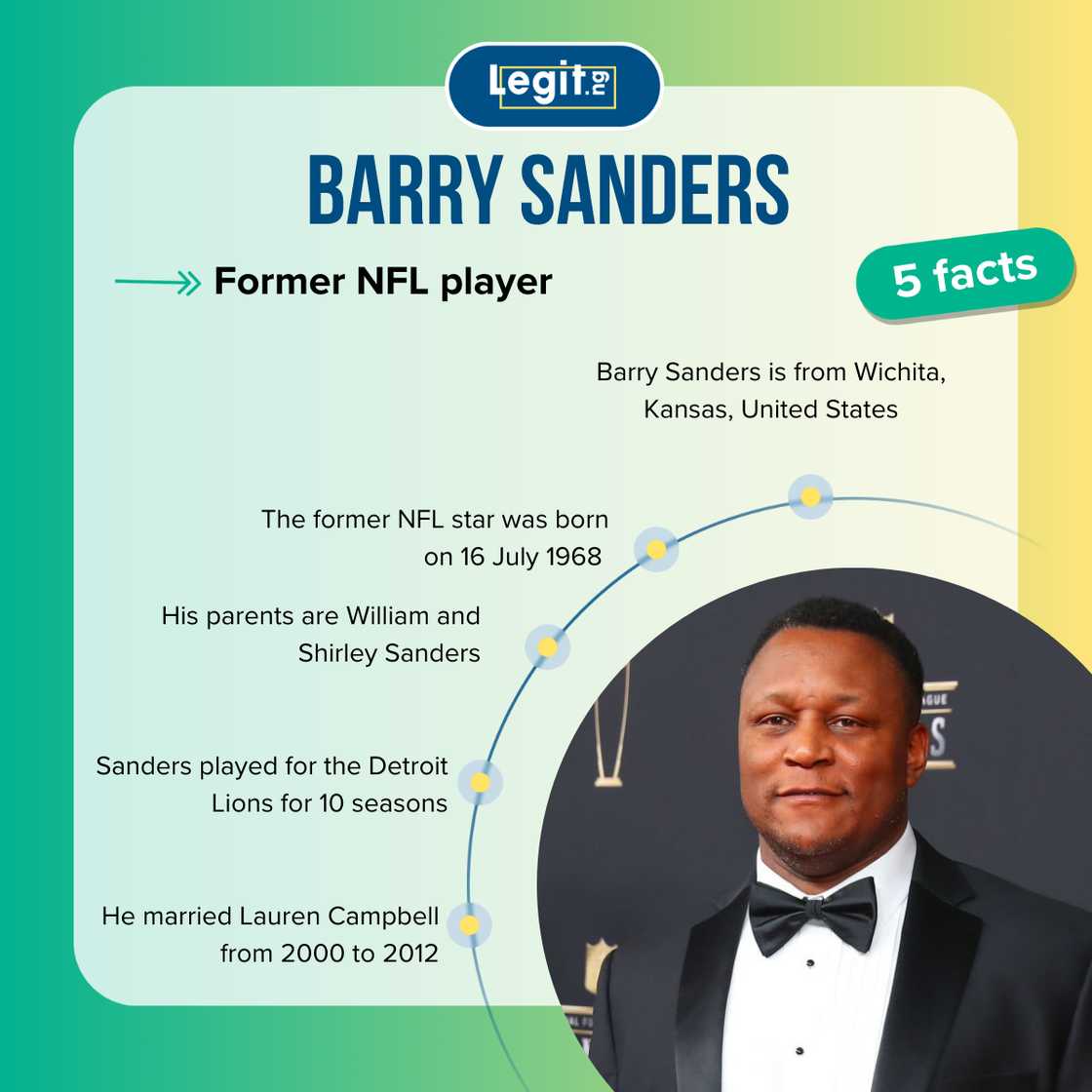
The net worth of Lewis "Lew" Sanders in 2018 is not a matter of public record, as he is a private individual and professional asset manager rather than a public figure subject to mandatory financial disclosures. While his career in senior leadership roles at major financial institutions suggests significant professional compensation, his exact personal wealth remains private and unverified.
Clarifying the Subject and Context
When researching the financial history of Lewis "Lew" Sanders, it is essential to distinguish his professional identity from public personalities whose wealth is tracked by indices like Forbes or Bloomberg. Sanders has spent decades in the asset management industry, most notably as the former CEO of AllianceBernstein and later as the founder of his own firm, Sanders Capital, LLC.
The interest in his "2018 net worth" often stems from a curiosity regarding the compensation packages of top-tier investment managers. However, financial professionals—even those managing billions of dollars—are not required to file public reports detailing their personal net worth. Unlike CEOs of publicly traded companies, whose compensation is disclosed in proxy statements filed with the Securities and Exchange Commission (SEC), an investment firm founder’s personal wealth is a private matter. Because no official or verified audit of his 2018 finances exists, any figure cited elsewhere is likely speculative and lacks factual basis.
Professional Background: The Foundation of Wealth
To understand the economic scale of an individual like Lew Sanders, one must examine the environments in which he operated. Sanders built a reputation as a distinguished investment strategist. Before the 2018 period in question, he had already established a significant career trajectory.
His tenure as the Chairman and CEO of AllianceBernstein (formerly Alliance Capital) placed him at the helm of one of the world’s largest asset management firms. In these roles, individuals typically receive compensation consisting of base salary, annual performance-based bonuses, and long-term incentive plans, such as stock options or restricted stock units. During his time at AllianceBernstein, the firm managed hundreds of billions of dollars, and executive compensation was commensurate with the scale of institutional responsibility.
After departing AllianceBernstein, he founded Sanders Capital in 2009. As the founder and principal of a boutique investment management firm, his financial success became tied to the growth of the firm's assets under management (AUM) and the firm’s operational profitability. By 2018, Sanders Capital had been operational for nearly a decade, managing significant capital for institutional and high-net-worth clients.
Why Net Worth Data is Often Unavailable
The primary reason for the lack of data regarding Sanders's 2018 net worth is the legal and professional structure of private asset management.
- Private Ownership: Sanders Capital, LLC is a private entity. It is not listed on a public stock exchange, meaning the firm is not obligated to report executive compensation in the same manner as a company listed on the NYSE or NASDAQ.
- Privacy Protections: Even if an individual is a high-earning professional, the United States financial system protects the privacy of personal tax returns and individual asset holdings. Only individuals who are "insiders" at public corporations face stringent public disclosure requirements, and even then, these reports cover company-related holdings rather than total net worth.
- Complexity of Asset Valuation: Net worth is not simply the sum of a bank account balance. It includes equity in private businesses, real estate, investment portfolios, and debt obligations. Estimating these for a private citizen involves guesswork, which often leads to inaccurate reporting on third-party websites.
Analyzing Compensation in the Investment Industry
To contextualize what a high-level executive in the asset management space might earn, it is helpful to look at industry standards rather than personal speculation. In the years leading up to 2018, the financial services sector saw substantial shifts in how managers were compensated.
| Category | Description | Impact on Wealth |
|---|---|---|
| Base Salary | Fixed annual payment for professional services. | Provides liquidity and stability. |
| Performance Bonuses | Variable pay tied to firm or fund performance. | Often the largest component of total pay. |
| Carry / Profit Participation | Share of the profits generated by managed assets. | Significant potential for wealth accumulation. |
| Equity Ownership | Ownership stakes in the management firm. | The primary source of long-term net worth growth. |
For an individual in the position of a founder of an investment firm like Sanders Capital, equity ownership represents the most substantial component of wealth. As the firm grows, the valuation of that equity increases, which contributes to net worth far more than annual salary alone. By 2018, having spent nearly a decade building his own firm, any "net worth" would be heavily influenced by the valuation and management fees of the assets under his firm’s control.
Distinguishing Facts from Speculative Reporting
Readers often encounter websites that claim to provide the net worth of various professionals. It is important to treat these sources with caution. These platforms typically use automated algorithms that estimate wealth based on public corporate salary data, which rarely accounts for personal debt, private investments, taxes paid, or lifestyle expenses.
Furthermore, these platforms often aggregate disparate information, creating "estimates" that have no basis in reality. When an article or a database suggests a specific dollar amount for Lew Sanders in 2018, it is likely an extrapolation based on his historical roles rather than verified financial records. As an editor, I must emphasize that without a public disclosure from the subject or a verified tax assessment, any specific figure regarding his 2018 net worth is fundamentally speculative and should not be cited as fact.
Financial Literacy and Wealth Management
For those interested in the subject of net worth, it is valuable to understand how professionals manage their own financial growth. The strategies employed by individuals like Sanders usually involve:
- Diversification: Reducing risk by holding a mix of asset classes, including equities, fixed income, and alternative investments.
- Long-term Capital Preservation: Prioritizing the stability of wealth over short-term gains, which is a hallmark of the institutional investment strategies Sanders championed throughout his career.
- Tax-Efficient Planning: Utilizing legal structures to manage the tax burden of high income, which is common among individuals at the highest levels of the financial sector.
If you are researching net worth as a proxy for measuring professional success, consider looking at the firm’s growth metrics instead. For instance, in 2018, one could examine the growth of assets under management or the performance of funds managed by Sanders Capital, LLC. These metrics provide a concrete, objective view of the professional success of the firm, which is a much more reliable indicator of stature than a speculative net worth figure.
Frequently Asked Questions
Is the net worth of Lew Sanders public information? No. As a private individual and the owner of a private investment firm, Lew Sanders is under no obligation to disclose his personal financial information to the public. There is no official record of his net worth.
Why do some websites list his net worth? Many websites use automated software to estimate the wealth of high-profile individuals. These sites often base their figures on incomplete data, such as estimated historical salaries, and they are typically not verified by the individuals themselves or by financial regulators.
How does an investment firm founder build wealth? Founders primarily build wealth through the equity value of their firm. As the firm manages more assets and generates management and performance fees, the value of the firm itself grows, which increases the owner's net worth over time.
Where can I find verified information about financial leaders? For public companies, look for the "Investor Relations" page on their official websites, where you can find SEC filings such as the 10-K and the Proxy Statement (Form DEF 14A). These documents contain mandatory disclosures regarding executive compensation.
Does Lewis Sanders still operate his firm as of 2026? As of 2026, Lewis Sanders remains a significant figure in the investment community. Information regarding the current status and leadership of his firm can be found through official industry filings, such as those maintained by the Securities and Exchange Commission (SEC) via the Investment Adviser Public Disclosure (IAPD) database.
Final Recommendation
When evaluating the financial standing of private professionals, rely on official disclosures rather than third-party estimations. If your interest lies in the professional achievements of figures like Lewis Sanders, focus on his contributions to investment theory, his leadership roles at major institutions, and the growth of his private firm. These elements provide a far more accurate and professional understanding of his career and influence than speculative financial figures. For current information on his firm, consult official regulatory databases like the IAPD to view the most recent filings regarding his firm's structure and operations.