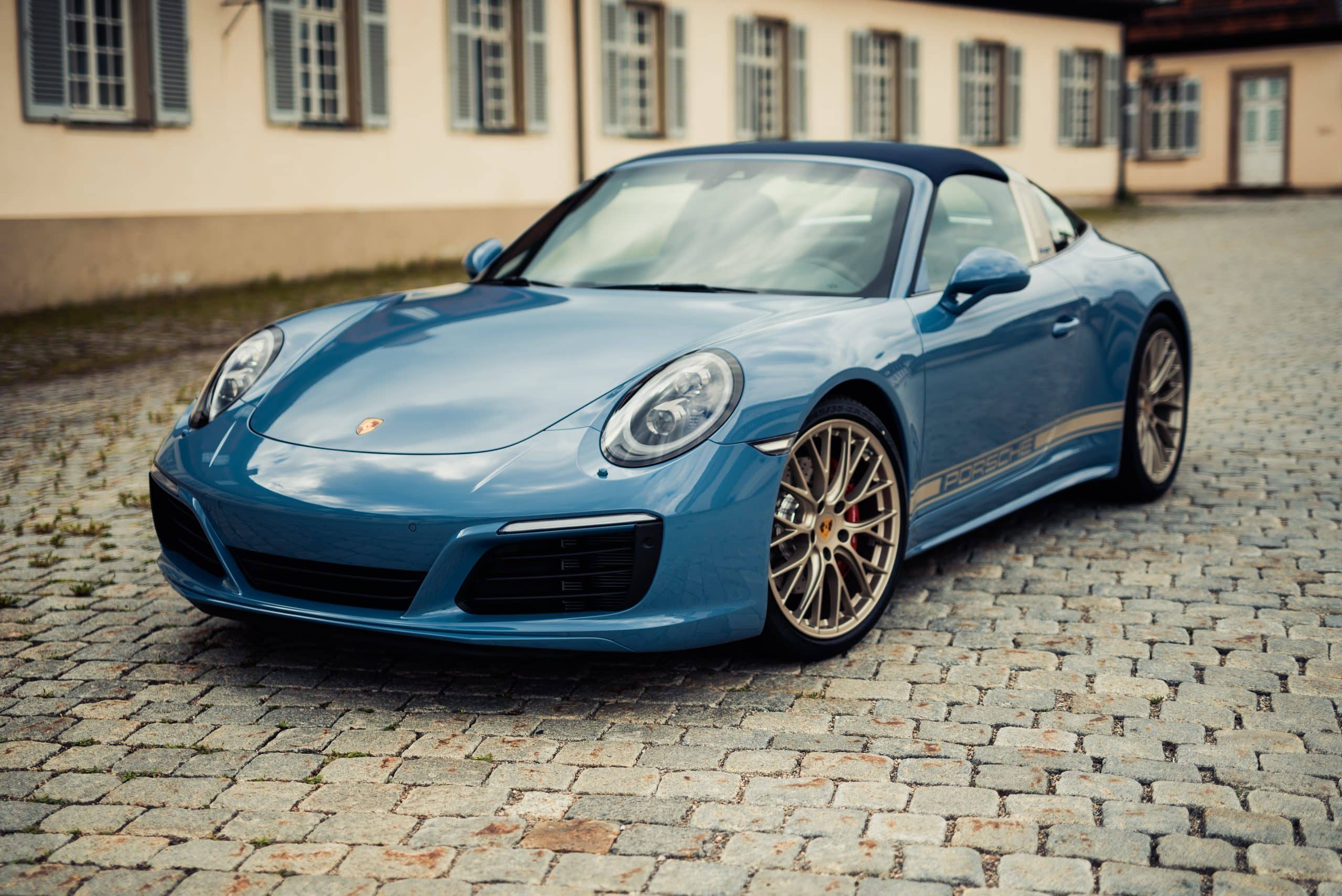
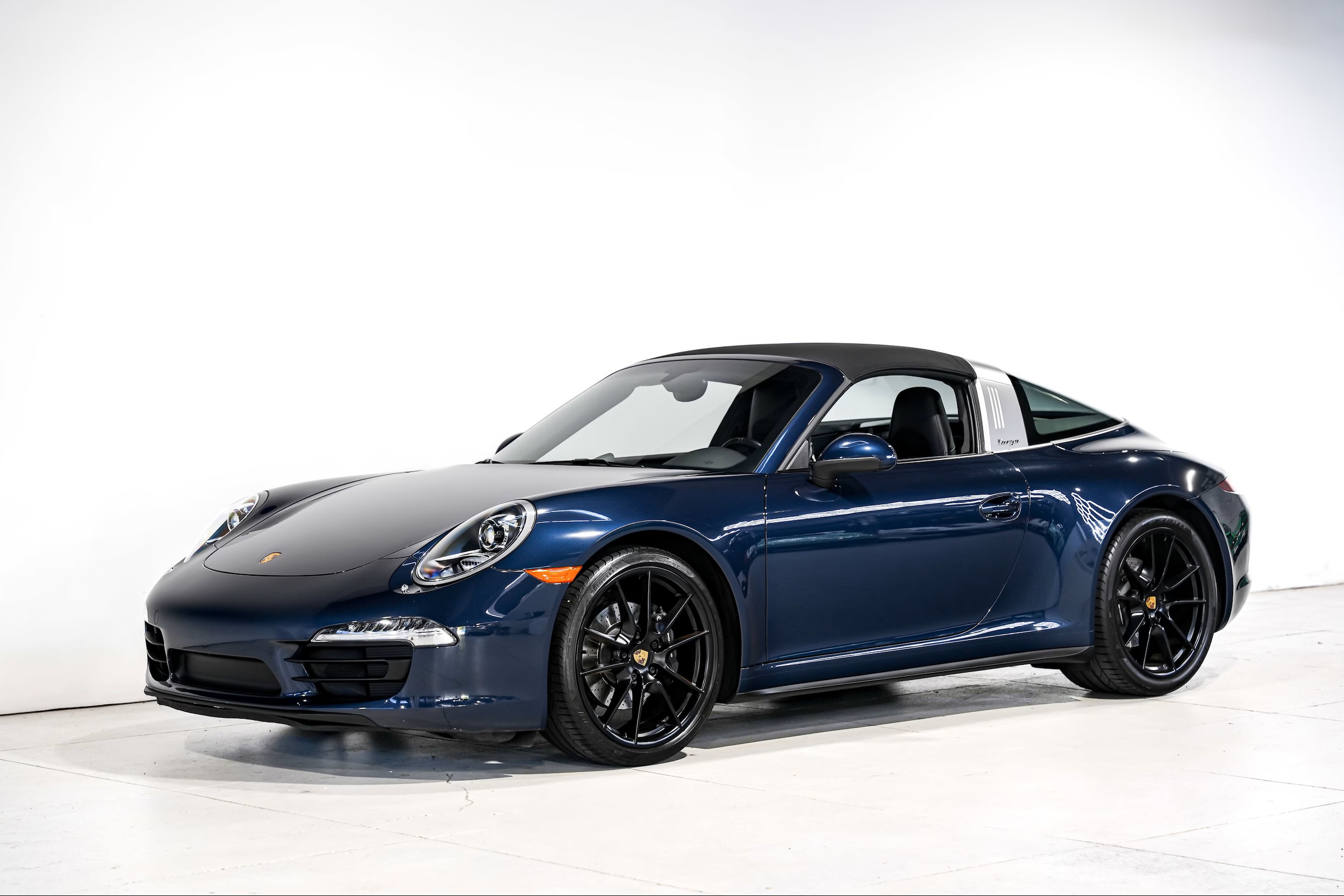
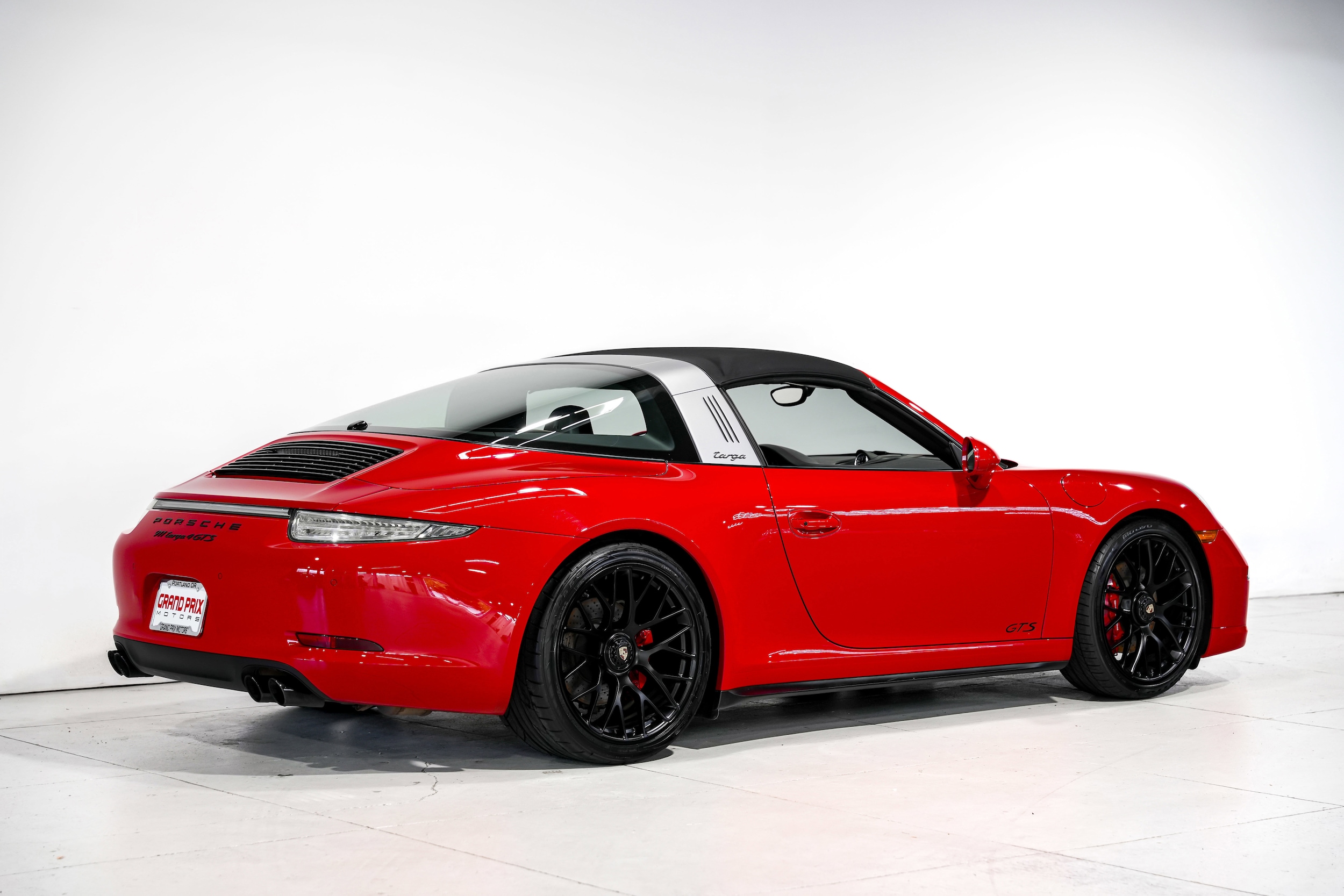
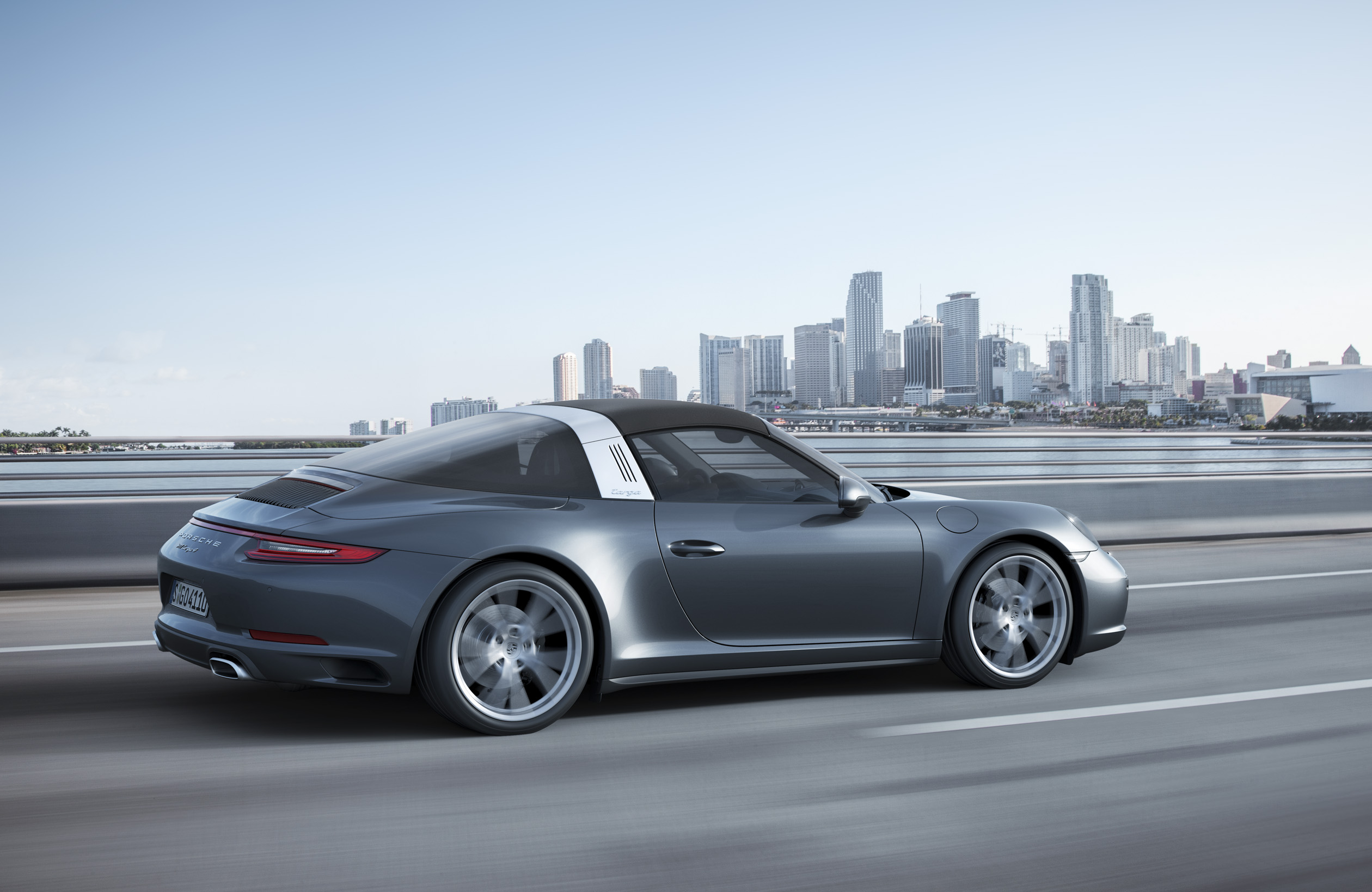
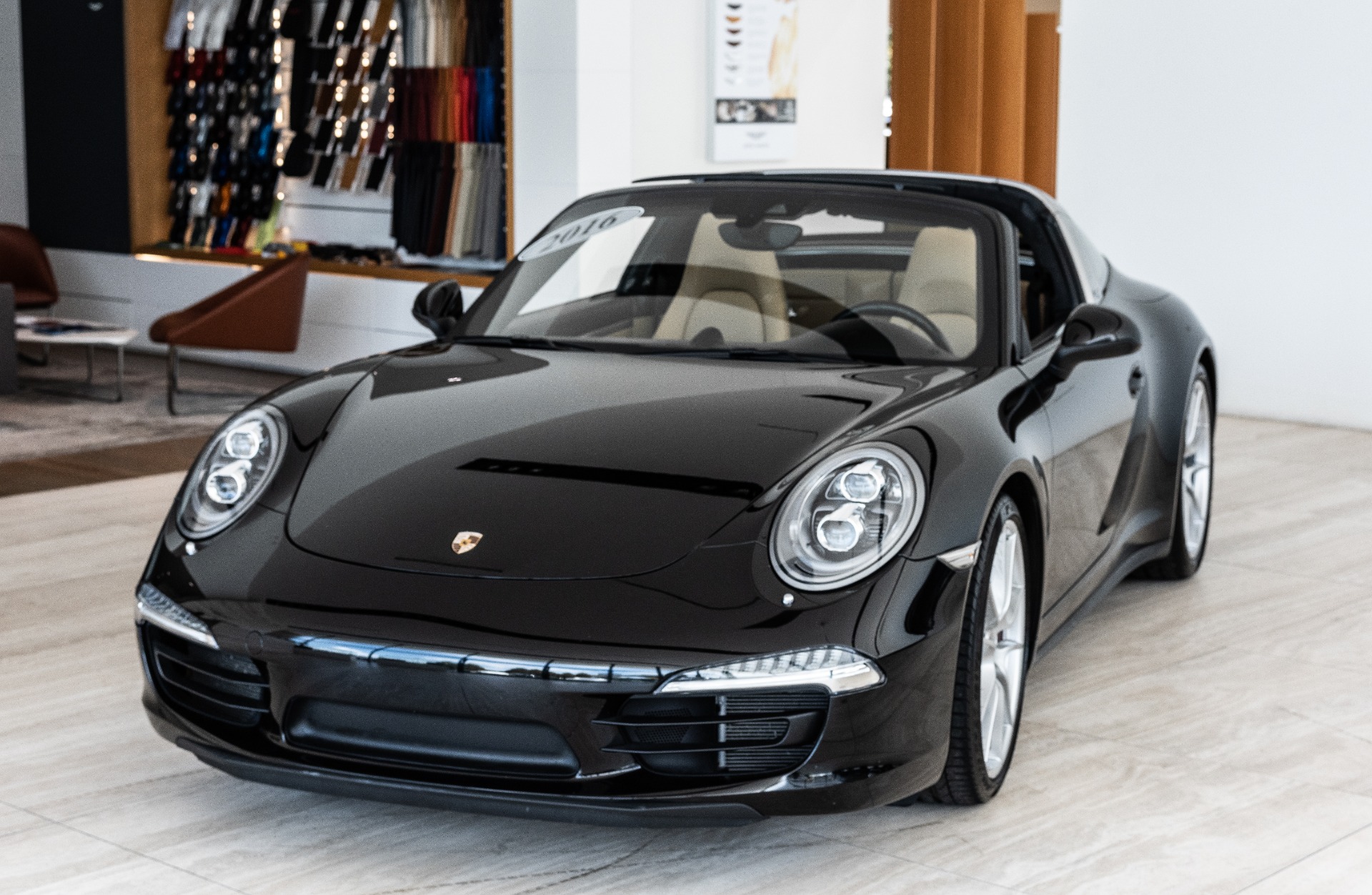
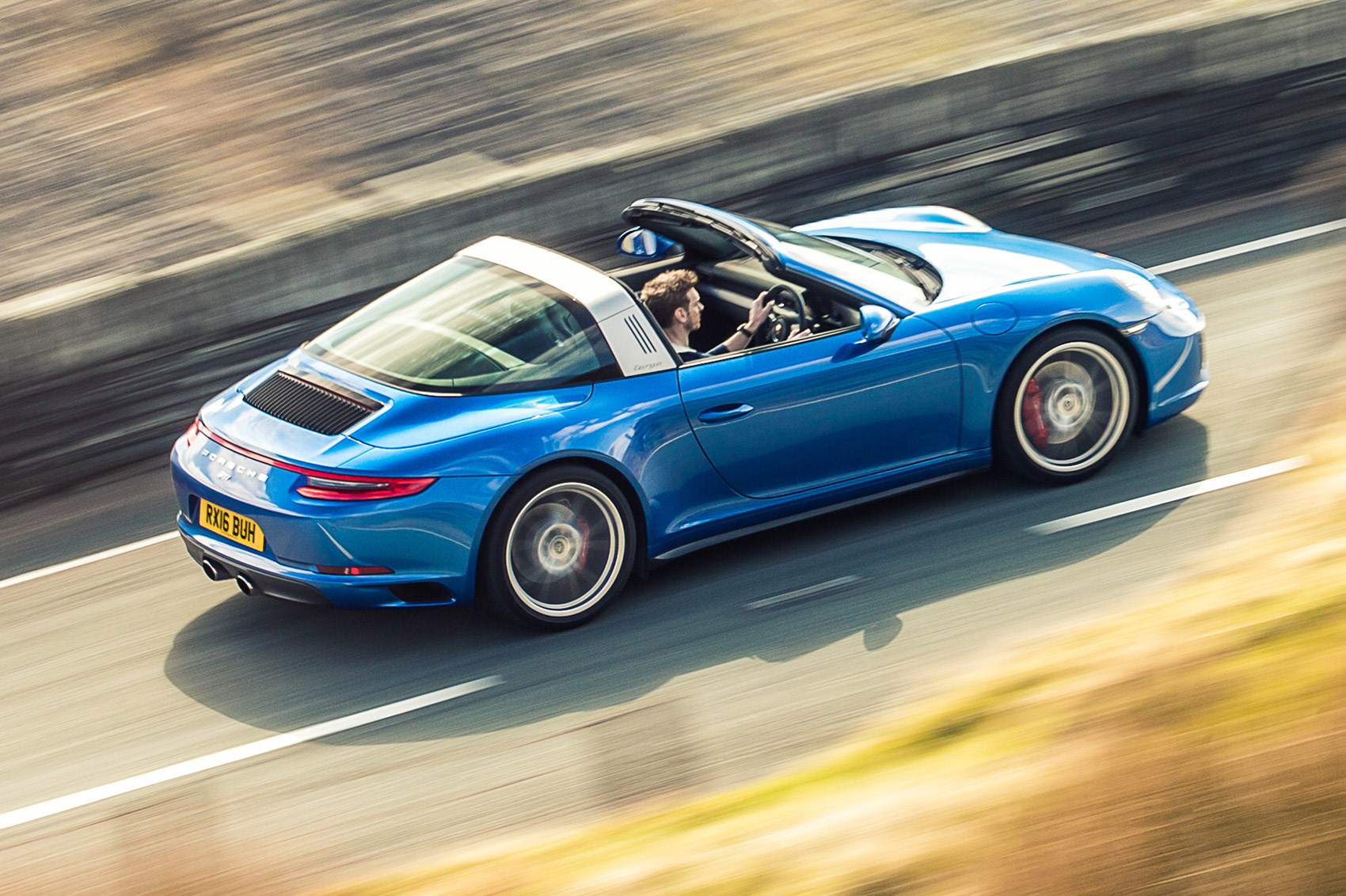
The 2016 Porsche 911 Targa 4S is a premium sports car that represents the final iteration of the naturally aspirated Carrera engine in the 991.1 generation. It combines an innovative, fully automated roof system with a 400-horsepower 3.8-liter flat-six engine and standard all-wheel drive. For collectors and enthusiasts in 2026, it remains a highly coveted model due to its unique "modern-classic" status and mechanical purity.
The Significance of the 2016 Model Year
In the timeline of the Porsche 911, the 2016 model year occupies a prestigious position. It marks the final production year of the 991.1 generation before Porsche transitioned to smaller, turbocharged engines for the 991.2 update. For many purists, the 2016 Targa 4S is the "sweet spot" of the modern era, offering the sophisticated chassis and safety features of a contemporary vehicle while retaining the linear power delivery and high-RPM crescendo of a naturally aspirated (N/A) engine.
The Targa 4S, specifically, is distinguished by its wide-body stance—shared with the Carrera 4 and Turbo models—and the iconic silver "Targa bar." While the Targa nameplate dates back to the 1960s, the 2016 version perfected the balance between the security of a coupe and the visceral experience of a convertible. In 2026, a decade after its release, this model has transitioned from a high-end daily driver to a protected asset that continues to outperform many newer counterparts in terms of engagement and sound.
Engineering and Performance Dynamics
The heart of the 2016 Targa 4S is the 3.8-liter naturally aspirated flat-six engine. This powerplant produces 400 horsepower at 7,400 RPM and 325 lb-ft of torque. Unlike the turbocharged engines that followed, the 3.8L requires the driver to work through the rev range to find the power, a characteristic that enthusiasts find more rewarding during spirited driving.
The Powertrain and Transmission Options
Buyers in 2016 could choose between two distinct transmissions:
- 7-Speed PDK (Porsche Doppelkupplung): This dual-clutch transmission offers lightning-fast shifts and includes a "launch control" feature when equipped with the Sport Chrono package. It allows the Targa 4S to reach 60 mph in approximately 4.2 seconds.
- 7-Speed Manual: A rarer choice for the Targa 4S, the manual gearbox provides a more tactile connection. It features a unique lockout to prevent accidental shifts into seventh gear during aggressive downshifting.
PTM All-Wheel Drive and Handling
The "4" in Targa 4S denotes Porsche Traction Management (PTM), an active all-wheel-drive system. This system uses an electronically controlled multi-plate clutch to distribute torque between the front and rear axles. Under normal conditions, the car maintains a rear-bias feel, but it can divert power to the front wheels in milliseconds if slip is detected.
The "S" designation adds further performance hardware, including:
- PASM (Porsche Active Suspension Management): An electronic damping control system that continuously adjusts the damping force on each wheel based on road conditions and driving style.
- Larger Brakes: Distinguished by red calipers, the S-model features larger discs and six-piston front calipers for superior thermal management and stopping power.
- Torque Vectoring: Porsche Torque Vectoring (PTV), often combined with a mechanical rear differential lock on manual cars or an electronic lock on PDK cars, improves turn-in and traction out of corners.
The Targa Roof: Art in Motion
The defining feature of this vehicle is its complex, fully automated roof system. Unlike the sliding glass roofs of the 993, 996, and 997 generations, the 991-generation Targa returned to the original 1965 aesthetic with a fixed roll bar.
When the roof button is pressed, the entire rear glass canopy tilts backward, and two flaps in the Targa bar open. The roof panel above the driver then lifts and stows itself behind the rear seats, after which the glass canopy returns to its original position. This entire sequence takes approximately 19 seconds.
Technical Caution for Owners in 2026: Because the rear glass extends significantly beyond the rear bumper during operation, the car must be stationary, and there must be at least 20 inches of clearance behind the vehicle to avoid damaging the expensive glass assembly. Most 2016 models are equipped with ParkAssist, which can warn the driver if an obstacle is too close for roof operation.
Interior Craftsmanship and 2026 Tech Integration
The interior of the 2016 Porsche 911 Targa 4S is a masterclass in ergonomics, featuring the classic five-gauge instrument cluster with a central analog tachometer. While the cabin materials—ranging from high-grade leather to Alcantara and carbon fiber—have aged remarkably well, the infotainment system is the one area where the car shows its age.
The Porsche Communication Management (PCM) 3.1 was the standard system in 2016. By 2026 standards, the native navigation and interface feel dated. However, the 991.1 is highly compatible with "retrofit" kits. Many owners have upgraded to Porsche's official PCCM Plus (Porsche Classic Communication Management) or third-party boards that enable wireless Apple CarPlay and Android Auto while retaining the factory look.
The Targa 4S is technically a 2+2, but the rear seats are best utilized as additional luggage space. Given the Targa's roof mechanism consumes some of the internal rear parcel shelf space compared to a standard Carrera, the "frunk" (front trunk) remains the primary storage area, offering roughly 4.4 cubic feet of volume.
Maintenance and Reliability in 2026
As the 2016 Targa 4S enters its second decade, maintenance becomes the primary factor in preserving value and performance. Overall, the 991.1 platform is known for its mechanical robustness, especially compared to earlier water-cooled generations.
Essential Service Intervals
- Oil Changes: Every 10,000 miles or 12 months. In 2026, many owners prefer a 5,000-mile interval to monitor for any signs of early wear.
- PDK Service: The dual-clutch transmission requires a fluid and filter change every 120,000 miles or 12 years. Many 2016 models are now reaching this age-based milestone.
- Spark Plugs and Coils: These should be replaced every 4 years or 40,000 miles. Failed ignition coils are a common cause of engine misfires in older 991s.
- Drive Belt: Inspect every 40,000 miles and replace as necessary.
Common Issues to Inspect
- Dynamic Engine Mounts: If the car is equipped with the Sport Chrono package, it has active engine mounts. Over time, the internal fluid can leak, or the electronics can fail, resulting in a "PASM failure" or "Engine mount fault" message.
- Door Panel Warping: A known issue in the 991.1 is the delamination of the door cards at the top edge near the window. In 2026, many specialized upholstery shops offer repair kits that are more cost-effective than replacing the entire panel.
- Cooling System: The vacuum-operated cooling valves can fail, and the water pump is a known wear item that usually requires replacement between 50,000 and 70,000 miles.
Technical Specifications Comparison
The following table highlights the key performance and physical metrics of the 2016 Targa 4S compared to its standard Targa 4 counterpart.
| Feature | 2016 Targa 4 | 2016 Targa 4S |
|---|---|---|
| Engine Displacement | 3.4L Flat-6 | 3.8L Flat-6 |
| Horsepower | 350 hp @ 7,400 RPM | 400 hp @ 7,400 RPM |
| Torque | 287 lb-ft @ 5,600 RPM | 325 lb-ft @ 5,600 RPM |
| 0-60 mph (PDK) | 4.6 Seconds | 4.2 Seconds |
| Top Track Speed | 175 mph | 183 mph |
| Brake Calipers | Black (4-Piston) | Red (6-Piston Front) |
| Standard Wheels | 19-inch Carrera | 20-inch Carrera S |
| Curb Weight | ~3,439 lbs | ~3,472 lbs |
Market Value and Investment Potential in 2026
The market for the 2016 Targa 4S has remained remarkably resilient. In 2026, several factors contribute to its value retention:
- The "Last of" Factor: It is the final Targa with a naturally aspirated engine.
- Rarity: Targa production numbers are significantly lower than those for the Coupe and Cabriolet models.
- Aesthetics: Many enthusiasts prefer the clean lines of the 991.1 over the more computerized and larger 992 generation.
In the current 2026 market, a well-maintained 2016 Targa 4S with 30,000 to 50,000 miles typically commands between $105,000 and $125,000, depending on the "build sheet" options. Rare colors (Paint to Sample) or a 7-speed manual transmission can push prices even higher, often approaching the original MSRP.
Frequently Asked Questions
Is the 2016 Targa 4S suitable for winter driving?
Yes, the 2016 Targa 4S is exceptionally capable in winter conditions when equipped with appropriate winter tires. The PTM all-wheel-drive system provides excellent traction on snow and ice. However, because of the low ground clearance and the complexity of the roof seals, many owners choose to store the vehicle during months when road salt is prevalent to prevent underside corrosion and seal degradation.
Does the Targa roof leak or squeak over time?
While Porsche engineered the 991 Targa roof to high standards, the numerous moving parts and seals require periodic maintenance. Owners in 2026 should use a specialized lubricant (such as Krytox) on the rubber seals twice a year to keep them supple. Squeaks are often caused by dry seals or minor misalignments in the rear glass assembly, which a Porsche specialist can usually adjust.
How does the Targa 4S compare to the GTS version of the same year?
The 2016 Targa 4S and the Targa 4 GTS share the same 3.8L engine architecture. However, the GTS features the "Powerkit," which increases output to 430 horsepower. The GTS also includes the Sport Chrono package and Sport Exhaust as standard. While the GTS is more valuable, the 4S offers nearly identical performance for a lower entry price, making it the better value for most drivers.
Is the 2016 model better than the 2017 turbocharged model?
This depends on the driver's priorities. The 2017 (991.2) Targa 4S is faster and has more low-end torque due to its twin-turbo 3.0L engine. However, the 2016 model is often preferred for its engine sound and throttle response. In 2026, the 2016 model is generally considered the more "collectible" of the two because it represents the end of the naturally aspirated era.
Can I fit a child seat in the back of a Targa 4S?
While the rear seats have ISOFIX anchors, the space is very limited. Small, Porsche-specific child seats or low-profile boosters can fit, but the upright angle of the rear seatback makes long-distance travel uncomfortable for children. The Targa roof mechanism does not significantly impact the actual seat dimensions compared to the Coupe, though it does slightly change the overhead clearance.
Practical Recommendation for Potential Buyers
If you are considering a 2016 Porsche 911 Targa 4S in 2026, the most critical step is a Pre-Purchase Inspection (PPI) performed by a technician familiar with the 991 platform. Prioritize vehicles with a documented service history that includes brake fluid flushes every two years and recent spark plug replacements.
Look for high-value options such as the Sport Exhaust System (PSE), which is essential for maximizing the sound of the 3.8L engine, and the Sport Chrono Package, which adds dynamic engine mounts and sharper throttle mapping. While the PDK is more common and offers better performance metrics, the 7-speed manual will likely hold a higher long-term resale value due to its rarity and mechanical engagement.