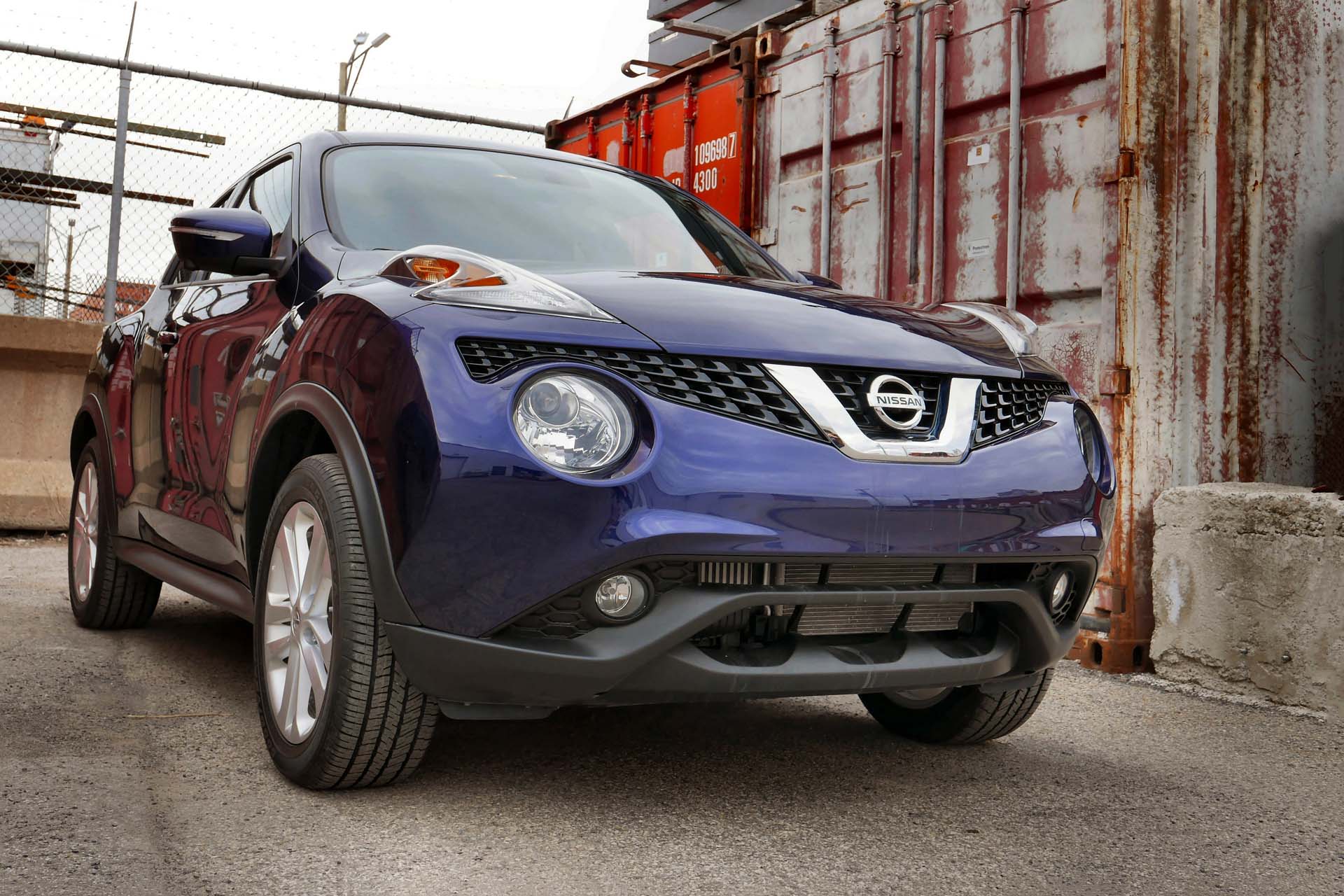
As the 2016 Nissan Juke reaches its tenth year on the road in 2026, it remains a polarizing yet popular choice in the used subcompact crossover market. Its reliability is generally rated as average, with the primary concern being the longevity of the Xtronic CVT (Continuously Variable Transmission). While the 1.6-liter turbocharged engine is robust, potential owners must prioritize vehicles with documented transmission fluid services to avoid costly premature failures.
The Nissan Juke was a pioneer of the "subcompact crossover" segment, blending the ride height of an SUV with the footprint of a small hatchback. By 2016, Nissan had addressed several early production glitches from the model’s 2011 debut, but the vehicle still carries specific mechanical quirks that require attention. For buyers in 2026, evaluating a decade-old Juke requires a deep dive into its service history, particularly concerning its cooling system, turbocharger, and drivetrain.
The Heart of the Juke: 1.6L Turbocharged Engine Reliability
The 2016 Nissan Juke is powered by the MR16DDT engine, a 1.6-liter four-cylinder turbocharged unit. By the 2016 model year, Nissan had refined this engine significantly compared to the 2011–2013 versions, which were prone to timing chain stretching.
Carbon Buildup and GDI Maintenance
This engine utilizes Gasoline Direct Injection (GDI). While GDI improves fuel efficiency and power, it is susceptible to carbon buildup on the intake valves because fuel does not "wash" the valves as it does in port-injected engines. By 2026, a 2016 Juke with 100,000 miles or more will likely require a professional intake valve cleaning (often via walnut blasting or specialized chemical sprays) to maintain its original performance and fuel economy. Symptoms of heavy carbon buildup include a rough idle, hesitating acceleration, and a noticeable drop in MPG.
Turbocharger Longevity
The turbocharger in the Juke is oil-cooled and water-cooled. Its reliability is directly tied to the frequency of oil changes. Owners who used high-quality synthetic oil and followed a 5,000-mile change interval typically see these turbos last well beyond 150,000 miles. However, the oil feed lines can occasionally clog or leak. During an inspection, it is critical to check for "blue smoke" from the exhaust or oil residue around the turbo housing, which signals internal seal failure.
The Xtronic CVT: The Most Critical Reliability Factor
The most significant point of failure for the 2016 Nissan Juke is the Jatco-sourced CVT. While Nissan extended warranties for earlier models, the 2016 version was expected to be more durable. Historically, however, these units still show higher-than-average failure rates compared to traditional torque-converter automatics or manual transmissions.
Signs of CVT Trouble
In 2026, many 2016 Jukes are entering the "danger zone" for CVT wear (80,000 to 120,000 miles). Prospective buyers should look for:
- Whining Noises: A high-pitched whine that increases with vehicle speed often indicates bearing wear or fluid overheating.
- Shuddering or "Judder": Vibration during acceleration, particularly from a stop, suggests belt slippage within the transmission.
- Limp Mode: If the CVT overheats, the car’s computer will limit engine RPM to protect the transmission. This is a sign that the cooling system for the transmission is inadequate or the fluid has degraded.
The Maintenance Solution
The "lifetime fluid" claim made by many manufacturers during the 2010s has been largely debunked for CVTs. To ensure the 2016 Juke remains reliable, the Nissan NS-3 CVT fluid should be changed every 30,000 to 40,000 miles. If a used 2016 Juke has 100,000 miles and has never had a transmission flush, it is a high-risk purchase.
Drivetrain and Suspension: AWD vs. FWD
The 2016 Juke offered both Front-Wheel Drive (FWD) and a unique Torque Vectoring All-Wheel Drive (AWD) system.
AWD System Reliability
The AWD system is generally reliable, but it adds complexity. It uses two electric couplings on the rear axle to distribute torque between the left and right wheels. While this improves handling, it requires periodic rear differential fluid changes. Failure to service the differential can lead to binding or noise during tight turns.
Suspension Components
As a 10-year-old vehicle, the 2016 Juke's suspension will likely show signs of age. The front lower control arm bushings and sway bar links are common wear items. If the car feels "loose" over bumps or makes a clunking sound, these rubber components have likely perished. Fortunately, the aftermarket support for Juke suspension parts is extensive and relatively affordable.
Common Repair Costs and Maintenance Table
For those considering a 2016 Nissan Juke in 2026, understanding the potential financial commitment is essential. The following table outlines estimated costs for common high-mileage repairs and standard maintenance.
| Component/Service | Frequency/Era | Estimated Cost (2026 USD) | Reliability Impact |
|---|---|---|---|
| CVT Fluid Exchange | Every 30k-40k miles | $250 - $400 | Critical for longevity |
| Spark Plug Replacement | Every 100k miles | $150 - $250 | High (Iridium plugs required) |
| Turbocharger Replacement | As needed (120k+ miles) | $1,500 - $2,200 | Moderate to High |
| Intake Valve Cleaning | Every 80k-100k miles | $400 - $600 | Restores lost power/efficiency |
| CVT Assembly Replacement | Failure (variable) | $4,000 - $6,000 | Major catastrophic failure |
| Brake Pads and Rotors | Every 40k-60k miles | $450 - $600 (per axle) | Standard wear item |
| AWD Rear Diff Fluid | Every 60k miles | $150 - $200 | Prevents drivetrain noise |
Interior, Electronics, and Build Quality
The 2016 Juke's interior is characterized by hard plastics and a motorcycle-inspired center console. While the materials aren't "premium," they are durable. However, there are a few electronic and interior areas to monitor.
NissanConnect and Infotainment
The 2016 Juke featured the NissanConnect system with a 5.8-inch touchscreen on higher trims (SV, SL, NISMO). By 2026, this technology is significantly outdated. While the hardware is generally reliable, some users report the screen becoming unresponsive in extreme temperatures. Since this model predates standard Apple CarPlay and Android Auto, many owners opt for aftermarket head units, which can sometimes lead to parasitic battery drains if not installed correctly.
HVAC Issues
Some 2016 models have reported issues with the AC compressor clutch failing or the blend door motor stripping its plastic gears. If the air conditioning fails to blow cold or you hear a clicking sound behind the dashboard when changing the temperature, these are the likely culprits.
Body and Paint
Nissan’s paint quality in the mid-2010s was subject to some criticism, particularly regarding "Pearl White" and "Super Black" finishes. By 2026, clear coat peeling (delamination) on the roof and hood is a common sight on Jukes kept in sunny climates. Checking for rust is also vital, especially around the rear wheel wells and the underside of the doors in "salt belt" regions.
Safety Ratings and Recalls
The 2016 Nissan Juke received "Good" ratings from the Insurance Institute for Highway Safety (IIHS) in most categories, though it struggled with the "Small Overlap Front" test, receiving a "Poor" rating. This is a significant consideration for safety-conscious buyers.
Notable Recalls to Verify
Before purchasing a 2016 Juke, ensure the following recalls have been addressed by a Nissan dealership:
- Fuel Pressure Sensor: A loose sensor could cause a fuel leak, increasing fire risk. This was a recurring issue for Nissan's direct-injection engines.
- Oxygen Sensor/Engine Software: Some models required updates to prevent stalling or incorrect emissions readings.
- Master Cylinder: While more common in 2012–2015 models, some 2016 units were checked for brake master cylinder leaks that could increase stopping distances.
Verification can be done by entering the Vehicle Identification Number (VIN) into the NHTSA recall lookup tool.
The NISMO and NISMO RS Factor
The 2016 lineup included the NISMO and NISMO RS trims. These variants offer better performance but come with specific reliability considerations.
- Manual Transmission: The NISMO and NISMO RS were available with a 6-speed manual transmission (FWD only). From a reliability standpoint, the manual is vastly superior to the CVT. If you can drive a stick shift, the manual Juke is the most reliable version of the car available in 2026.
- Brakes and Tires: The NISMO RS uses larger brake rotors and more aggressive tire compounds. Replacement costs for these components are higher than the standard S, SV, or SL trims.
- Recaro Seats: The RS features bolstered Recaro seats. While high-quality, the side bolsters often wear out or tear from entry and exit by the 10-year mark.
FAQs: 2016 Nissan Juke Reliability
Is the 2016 Nissan Juke a good first car?
In 2026, a 2016 Juke can be a good first car if it has a manual transmission. If it has a CVT, it is only a good choice if there is proof of regular maintenance. Its small size makes it easy to park, and its safety features are adequate for its era, though it lacks modern driver-assist tech like automatic emergency braking.
How many miles will a 2016 Nissan Juke last?
With meticulous maintenance, the engine can easily surpass 200,000 miles. However, the CVT often requires a major overhaul or replacement between 120,000 and 160,000 miles. A Juke with over 150k miles on its original CVT should be approached with extreme caution.
Does the 2016 Nissan Juke require premium gas?
Nissan recommends "Premium Unleaded" (91 octane or higher) for the 1.6L turbo engine to achieve the advertised horsepower and prevent engine knock. Using 87 octane is possible but may lead to reduced fuel economy and potentially more carbon buildup over time.
Are parts expensive for the 2016 Juke?
Standard parts (brakes, filters, sensors) are affordable and widely available. Specialized parts, such as the AWD rear coupling or the NISMO-specific body panels, can be expensive and sometimes difficult to source as the vehicle ages past a decade.
Why does the 2016 Juke feel sluggish?
If the car feels slow, it may be due to a clogged engine air filter, carbon buildup on the intake valves, or a CVT that is beginning to fail. Additionally, because it is a small turbo engine, there is inherent "turbo lag" before the power kicks in at around 2,500 RPM.
Practical Recommendations for Buyers
If you are evaluating a 2016 Nissan Juke in 2026, follow these steps to ensure a reliable purchase:
- Prioritize the Manual: If possible, find a NISMO or NISMO RS with the 6-speed manual transmission. It eliminates the vehicle's single biggest reliability flaw.
- Demand CVT Records: If buying a CVT model, do not purchase without proof of at least two fluid changes (at 40k and 80k miles).
- The "PPI" is Mandatory: A Pre-Purchase Inspection (PPI) by a technician familiar with Nissan’s MR-series engines is vital. Ask them specifically to check for turbocharger oil leaks and to scan for "hidden" transmission codes (P1777 or P1778) that may not trigger a check engine light immediately.
- Check the Battery: Modern Nissans are sensitive to voltage drops. A weak battery can cause "ghost" electrical issues with the infotainment and AWD system.