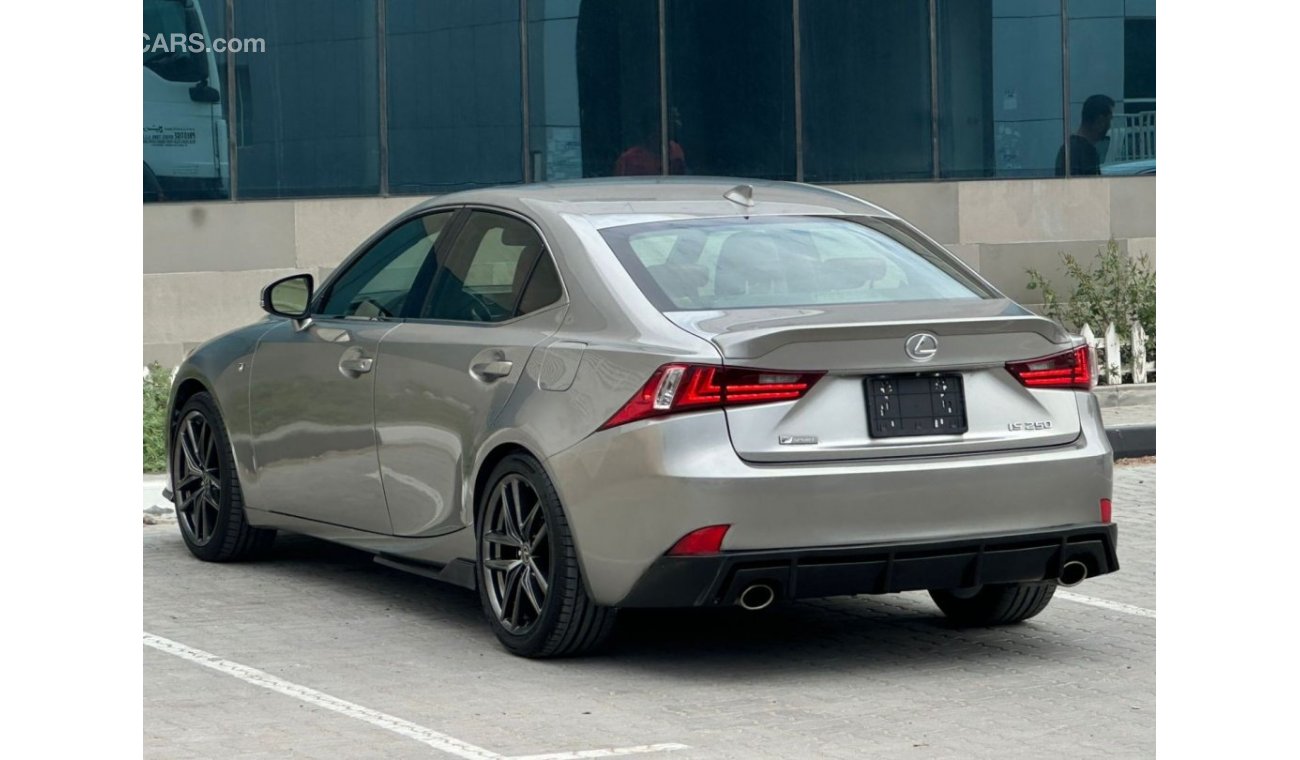
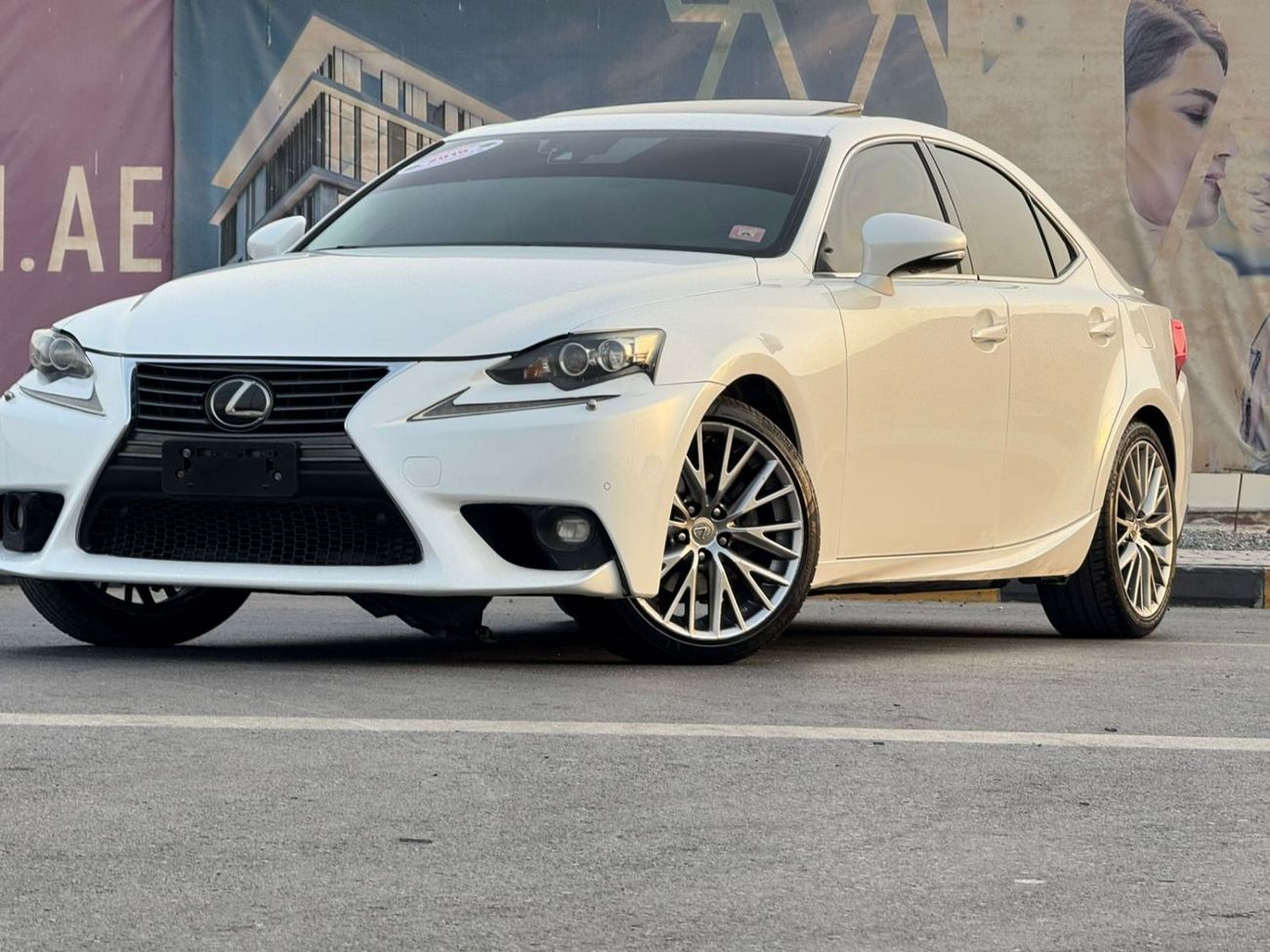
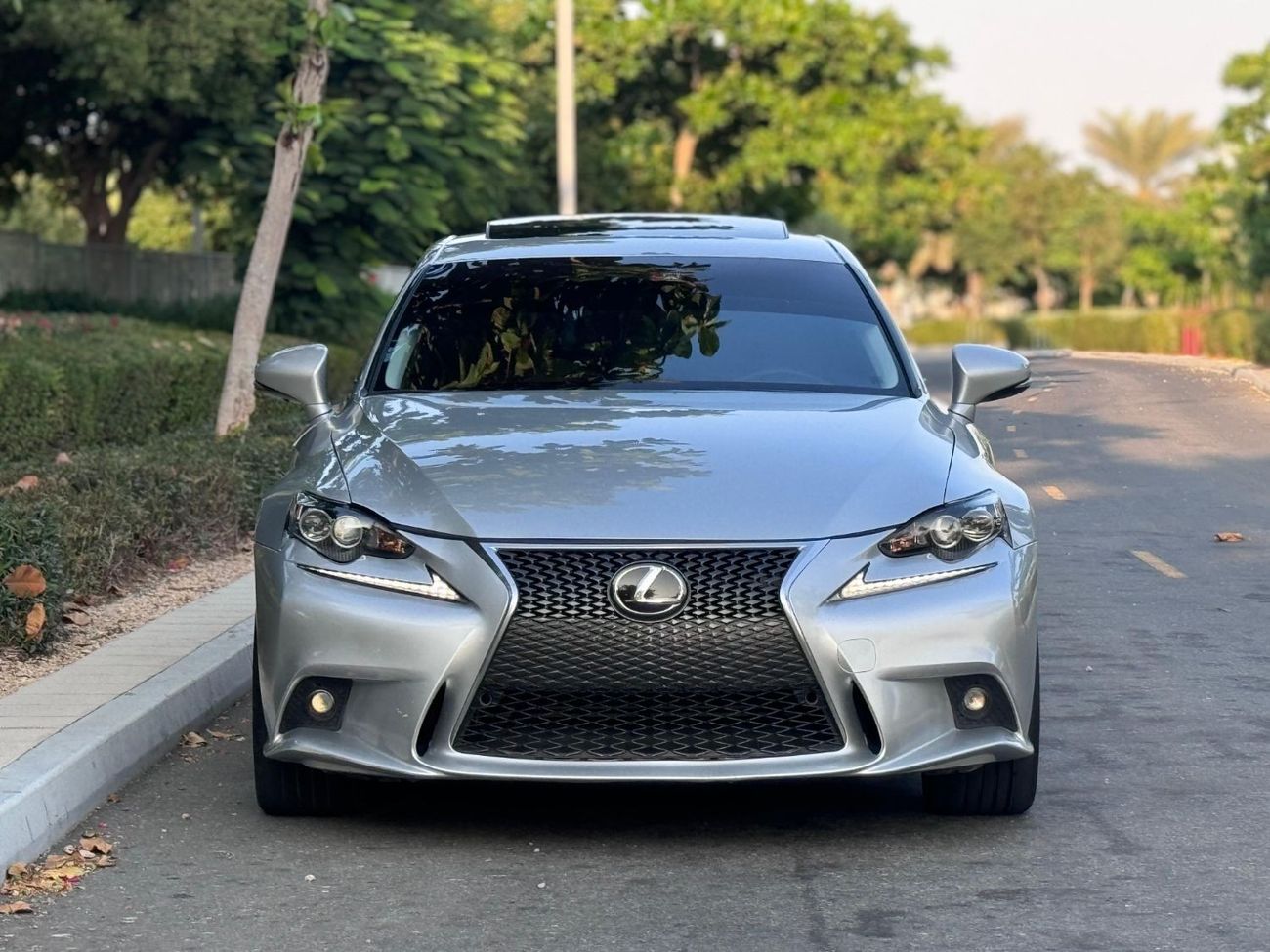
The 2015 Lexus IS250 exhibits exceptional reliability over time, anchored by a robust Toyota-derived powertrain and high-grade interior materials, though it requires careful management of specific legacy issues like carbon buildup on intake valves and occasional suspension component wear as mileage climbs.
When evaluating a used luxury compact sedan, long-term dependability remains a primary consideration for buyers attempting to balance premium features against potential maintenance liabilities. The 2015 model year represents the final iteration of the third-generation IS250 before Lexus replaced the naturally aspirated 2.5-liter V6 with a turbocharged four-cylinder engine in the IS200t. This distinction makes the 2015 Lexus IS250 a unique proposition on the secondary market: it offers the final implementation of a mechanically mature platform backed by decades of Toyota engineering, but it also inherits specific mechanical traits from its predecessors. Understanding how this vehicle ages requires examining its core powertrain architecture, known failure points, standard maintenance schedules, and long-term cost of ownership.
Powertrain Engineering and Mechanical Heritage
Under the hood of the 2015 Lexus IS250 lies the 4GR-FSE engine, a 2.5-liter naturally aspirated V6 utilizing direct fuel injection. This engine is paired exclusively with a six-speed automatic transmission in rear-wheel-drive configurations or an all-wheel-drive setup. Unlike port-injected engines, direct injection sprays fuel directly into the combustion chamber rather than the intake tract. While this technology optimizes fuel efficiency and power delivery, it creates a well-documented mechanical quirk: carbon buildup on the intake valves.
Over extended periods and high mileage, oil vapor and exhaust gases recirculated through the positive crankcase ventilation system deposit carbon particles onto the backside of the intake valves. Because fuel no longer washes over the intake valves in a direct-injection setup, these deposits accumulate unchecked. Over time, severe carbon buildup can manifest as rough idling, engine hesitation during acceleration, decreased fuel economy, and occasional misfire codes. Mitigating this issue often requires professional intake valve cleaning via walnut blasting or chemical treatments every 60,000 to 90,000 miles, depending on driving habits. Short, city-centric trips exacerbate this condition, whereas sustained highway driving helps burn off minor deposits.
Despite this design characteristic, the mechanical bottom end of the 4GR-FSE engine is remarkably durable. The timing chain assembly, water pump, and internal engine components routinely exceed 200,000 miles when supplied with regular oil changes using synthetic 0W-20 oil. The six-speed automatic transmission is similarly resilient, lacking the complex mechanical failures often found in early dual-clutch or continuously variable transmissions of the same era.
Common Long-Term Issues and Failure Points
While the 2015 Lexus IS250 enjoys a stellar reputation for overall dependability, long-term ownership surveys and technical service bulletins highlight several recurring areas that require attention as the vehicle ages.
Suspension and Steering Components
The double-wishbone front suspension and multi-link rear suspension deliver a balanced mix of ride comfort and handling agility. However, the rubber bushings in the front control arms—specifically the lower control arm bushings—are known to wear out prematurely, typically between 80,000 and 120,000 miles. Worn bushings manifest as a vague steering feel, front-end vibrations at highway speeds, and uneven inner tire wear. Upgrading to aftermarket polyurethane bushings or replacing the entire arm with updated OEM components resolves this issue permanently.
Infotainment and Interior Electronics
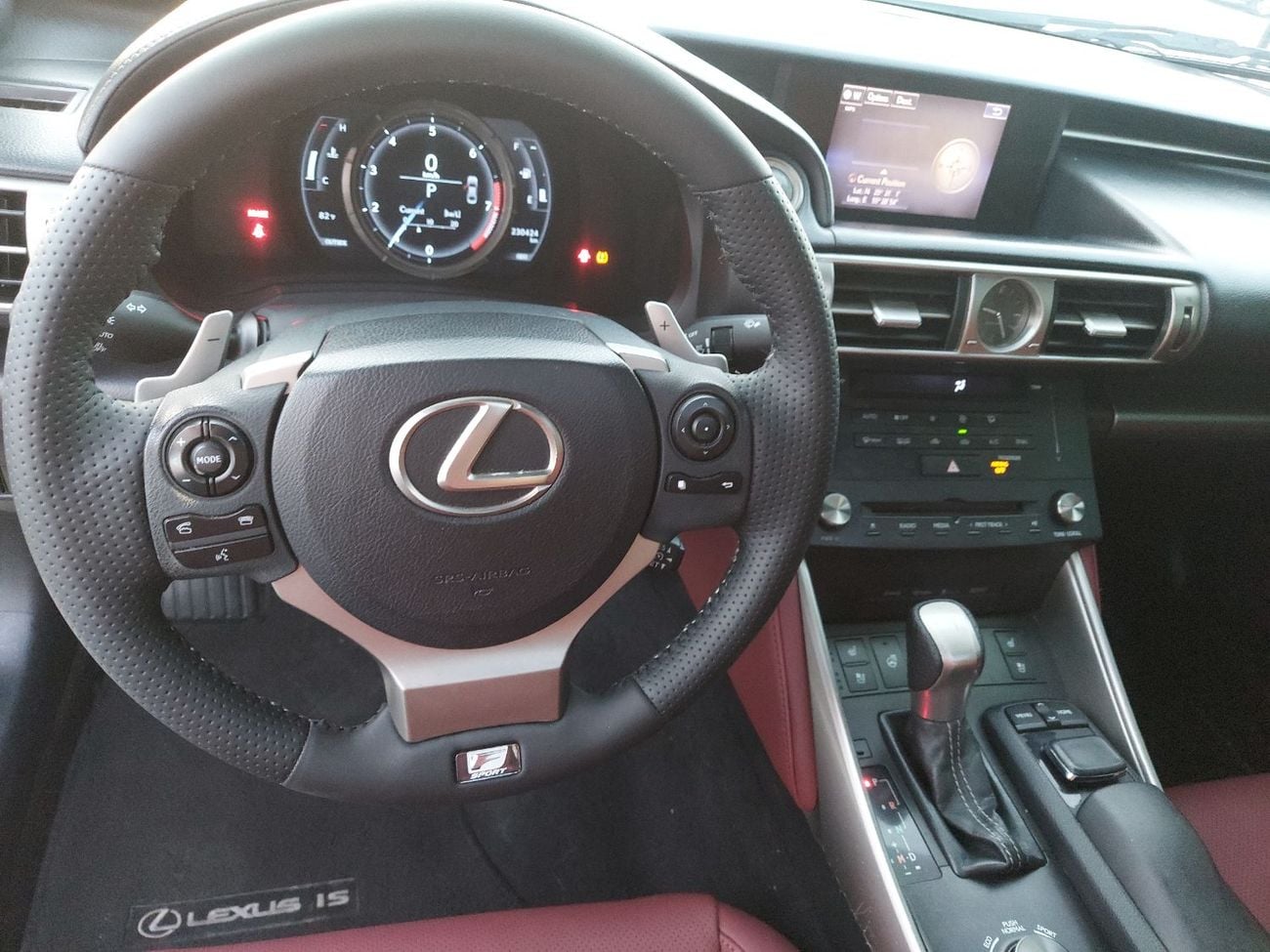
The interior of the 2015 Lexus IS250 utilizes high-quality materials that resist cracking and fading over time, but the electronic interfaces show their age. The central infotainment screen is controlled via the Lexus Remote Touch controller—either a joystick or a mouse-like puck depending on the option package. The haptic feedback mechanisms and mechanical switches in these controllers can wear out or lose calibration. Additionally, the dashboard material on early third-generation IS models occasionally suffered from melting or sticky dashboard syndrome under intense UV exposure, though Lexus extended warranty coverage addressed many of these early production defects.
Auxiliary Electrical Systems
Alternators, starter motors, and power window regulators on the 2015 IS250 are robust, but battery drain issues can occur if the vehicle sits idle for extended periods due to the persistent draw of onboard telematics and security systems. Routine battery testing and replacement every three to five years prevent unexpected electrical faults.
Maintenance Schedules and Long-Term Cost of Ownership
Maintaining the 2015 Lexus IS250 requires adherence to factory service intervals to preserve its long-term reliability. Unlike European luxury competitors that demand frequent and expensive preventative overhauls, the IS250 shares mechanical lineage with mainstream Toyota platforms, which significantly reduces parts costs and labor complexity.
| Maintenance Item | Recommended Interval | Estimated Cost (USD) | Purpose & Impact |
|---|---|---|---|
| Synthetic Oil Change | Every 10,000 miles / 12 months | $75 – $130 | Protects internal engine components and maintains turbo/V6 efficiency. |
| Spark Plug Replacement | Every 60,000 miles | $200 – $350 | Ensures optimal combustion and prevents ignition misfires. |
| Transmission Fluid Service | Every 60,000 – 90,000 miles | $250 – $450 | Extends transmission lifespan and maintains smooth shifting behavior. |
| Intake Valve Cleaning | Every 60,000 – 90,000 miles | $350 – $600 | Removes carbon deposits specific to direct-injection engines. |
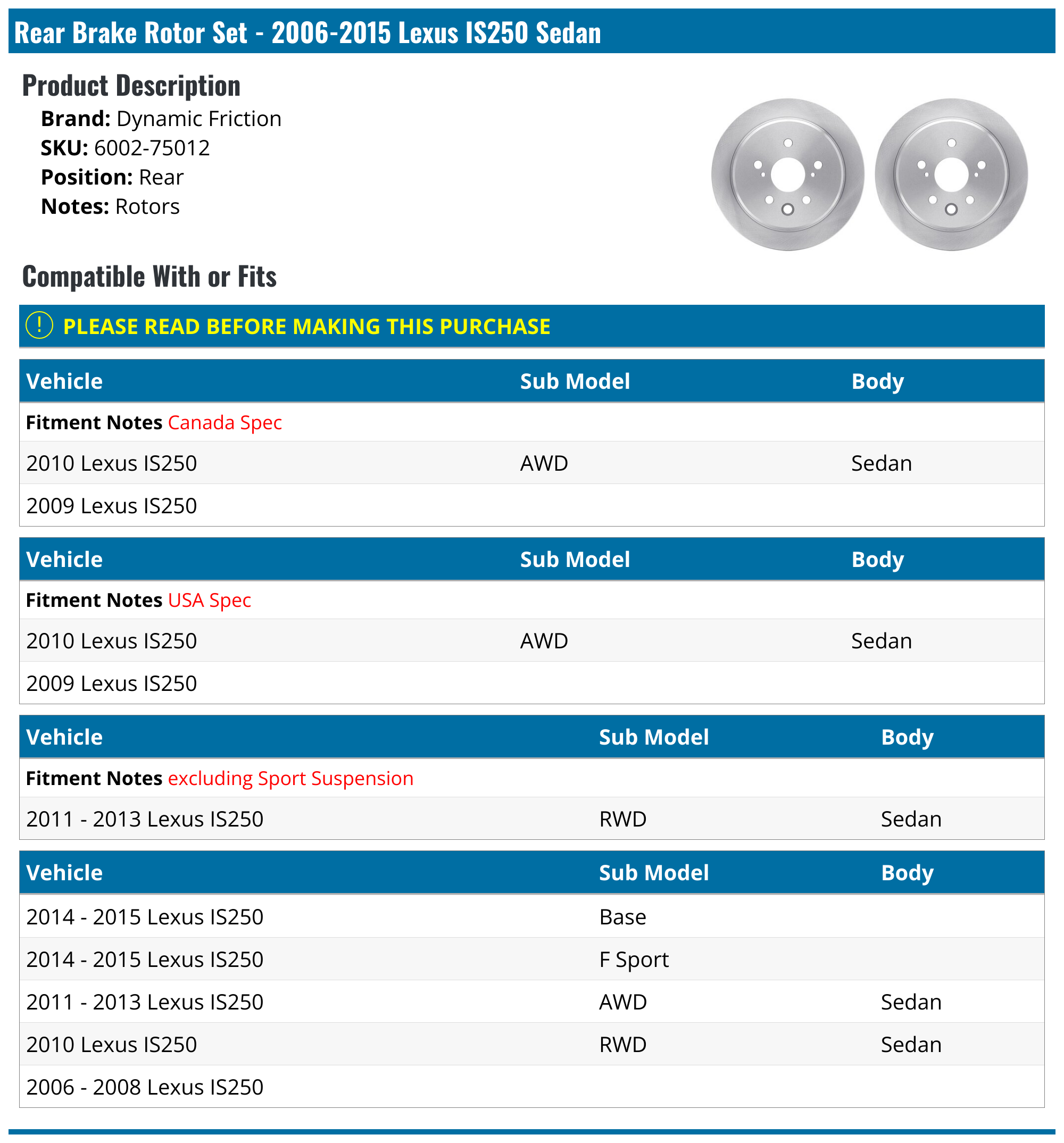
| Brake Pad & Rotor Service | Every 50,000 – 70,000 miles | $400 – $900 | Restores stopping power and eliminates brake shudder. |
Long-term insurance and fuel costs remain moderate for the luxury segment. The 2015 IS250 runs on regular or premium unleaded fuel, though premium is recommended for maximum performance. Fuel economy averages roughly 21 mpg in city driving and 30 mpg on the highway for rear-wheel-drive variants, dropping slightly for all-wheel-drive models due to the added drivetrain weight.
Comparing the IS250 to Contemporaries
When evaluating the 2015 Lexus IS250 against rival compact luxury sedans from the same model year—such as the BMW 328i (F30), Mercedes-Benz C300 (W205), and Audi A4 (B8)—the reliability landscape shifts dramatically in favor of Lexus.
German competitors from 2015 frequently suffer from costly electronic failures, oil leaks from degraded gaskets (such as valve cover and oil filter housing gaskets), and premature timing chain guide wear in early turbocharged four-cylinder engines (such as the BMW N20). By contrast, the Lexus IS250 trades absolute straight-line performance and modern infotainment capabilities for mechanical simplicity and steadfast reliability. While the IS250 is often criticized by automotive journalists for being slower than its turbocharged rivals, used car buyers prioritize its lower total cost of ownership and minimal unexpected repair frequency.
Frequently Asked Questions
Is the 2015 Lexus IS250 a reliable used car?
Yes, the 2015 Lexus IS250 is considered an exceptionally reliable used luxury car. Built on proven Toyota engineering principles, its engine and transmission are capable of lasting well beyond 200,000 miles with routine maintenance, outperforming most German competitors from the same era in long-term dependability.
What are the main problems with the 2015 Lexus IS250?
The primary mechanical concern is carbon buildup on the intake valves due to the direct-injection fuel system. Secondary issues include premature wear of the front lower control arm bushings and occasional wear in the infotainment control interface.
Does the 2015 Lexus IS250 require premium gas?
Lexus recommends premium unleaded gasoline for the 2015 IS250 to achieve rated horsepower and fuel economy figures, though the engine management computer can adjust timing to safely run on regular unleaded fuel without causing immediate engine damage.
How often should the intake valves be cleaned on an IS250?
Intake valve cleaning is typically recommended every 60,000 to 90,000 miles to remove carbon deposits. Neglecting this service can lead to rough idling, engine hesitation, and reduced fuel efficiency.
Can the 2015 Lexus IS250 easily exceed 200,000 miles?
Yes, achieving over 200,000 miles is common for this vehicle provided that the owner adheres strictly to scheduled oil changes, replaces worn suspension components, and addresses carbon buildup as needed.
Final Recommendations for Prospective Buyers
Purchasing a used 2015 Lexus IS250 requires a targeted inspection to ensure long-term satisfaction. Prospective buyers should prioritize vehicles with comprehensive service records verifying frequent synthetic oil changes. During a pre-purchase inspection, a qualified mechanic should specifically inspect the front suspension control arm bushings, check for diagnostic trouble codes related to engine misfires, and evaluate the condition of the intake valves if the mileage exceeds 75,000 miles. Selecting a well-maintained example ensures a comfortable, reliable luxury driving experience with minimal maintenance overhead.