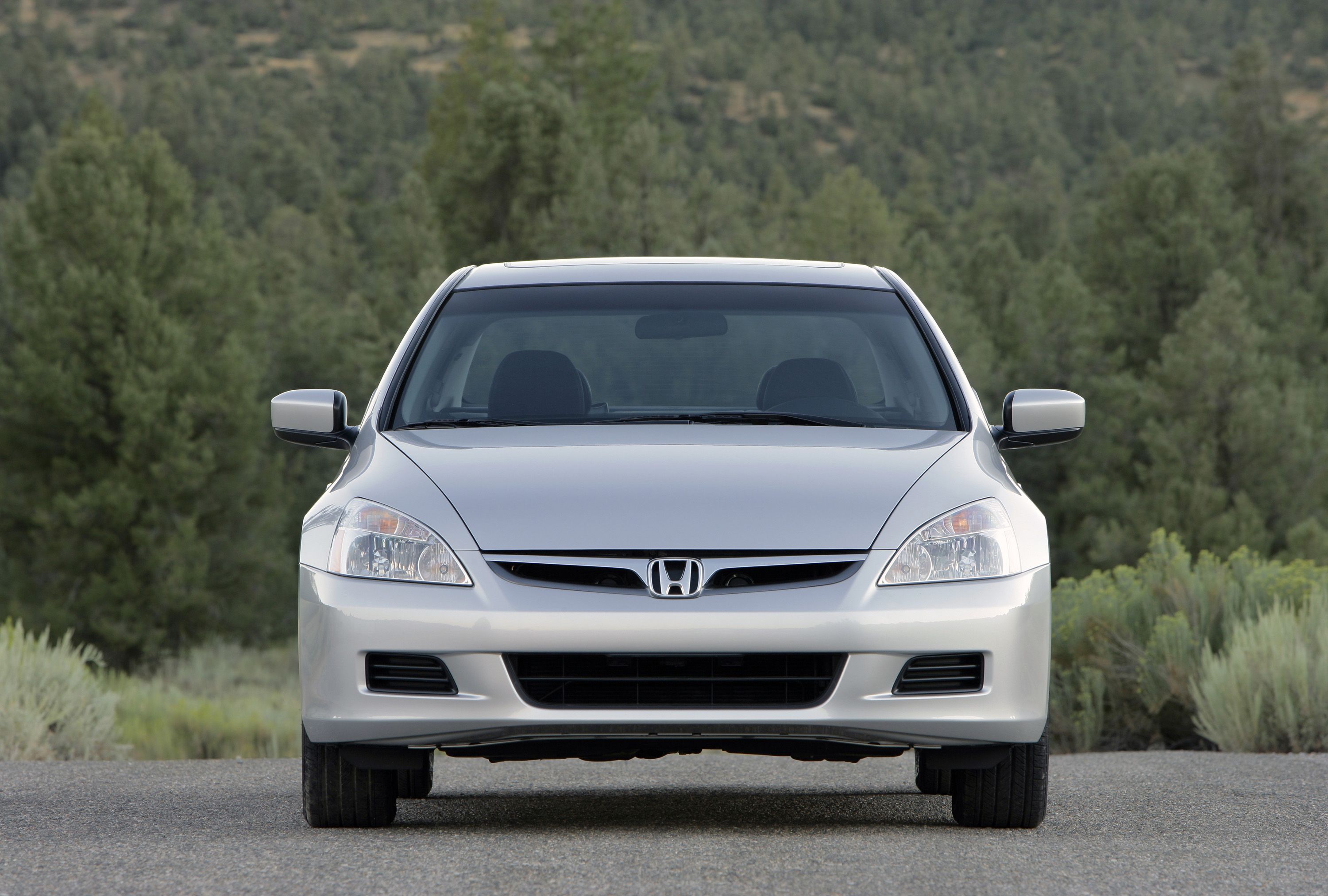
The 2006 Honda Accord Coupe 4-cylinder serves as a balanced example of mid-2000s Japanese automotive engineering, blending fuel efficiency with a sporty aesthetic. This model year, part of the seventh-generation Accord (2003–2007), features the K24A8 2.4-liter i-VTEC engine, offering a reliable daily driver experience with distinct styling differences from the sedan version.
Overview of the 2006 Honda Accord Coupe
The 2006 model year represented the mid-cycle refresh for the seventh-generation Accord. While the exterior styling of the coupe remained largely consistent with the 2003–2005 models, the 2006 update introduced refined taillight designs, revised front fascias, and integrated turn signals in the side mirrors. For buyers specifically seeking the 4-cylinder configuration, the Accord Coupe offers a unique value proposition: the sleek, two-door profile of a sportier car paired with the efficient, low-maintenance K-series powerplant that is widely regarded for its longevity.
Unlike the V6-equipped coupes, which were often geared toward outright performance, the 4-cylinder models focus on grand touring comfort. The weight distribution in the 4-cylinder coupe is slightly more favorable for handling than its V6 counterpart, making it a surprisingly agile vehicle for its size.
Technical Specifications and Powertrain Details
The heart of the 2006 Honda Accord Coupe 4-cylinder is the 2.4-liter DOHC i-VTEC inline-4 engine. This engine was a staple of Honda’s mid-2000s lineup and remains highly respected for its robust design and ability to accumulate high mileage with proper maintenance.
Engine and Performance Metrics
- Engine Displacement: 2,354 cc (2.4 Liters)
- Engine Code: K24A8
- Horsepower: 166 hp @ 5,800 rpm
- Torque: 161 lb-ft @ 4,500 rpm
- Valvetrain: 16-valve DOHC i-VTEC (Intelligent Variable Valve Timing and Lift Electronic Control)
- Compression Ratio: 9.7:1
The inclusion of i-VTEC allows the engine to optimize intake valve timing based on load, providing decent torque at low RPMs for city driving while maintaining efficiency at highway speeds.
Transmission Options
The 2006 4-cylinder coupe was offered with two transmission choices:
- 5-Speed Manual Transmission: Favored by enthusiasts for its precise shifting and ability to extract more utility from the 166-horsepower output.
- 5-Speed Automatic Transmission: Known for reliability and smooth transitions, though it lacks the direct engagement of the manual gearbox.
Fuel Efficiency and Operational Costs
For owners in 2026, fuel economy remains a primary consideration for a vehicle of this age. The 2006 Accord 4-cylinder is remarkably competitive by modern standards, though actual numbers vary based on driving habits and maintenance quality.
The EPA-estimated fuel economy for the 2006 model was approximately 21–24 MPG in the city and 31–34 MPG on the highway, depending on the transmission type. Because the 2006 model utilizes a timing chain rather than a timing belt, owners are spared the high cost of periodic belt replacement, which is a significant factor in the long-term cost of ownership for this specific engine.
Reliability and Maintenance Considerations
The K24 engine is widely considered "bulletproof," but no engine is immune to the effects of aging. By 2026, any 2006 model will have surpassed its original design lifespan for many components, making preventative maintenance more critical than ever.
Common Areas of Attention
- VTEC Solenoid Gasket: This component is known to leak oil over time. Replacing the gasket is a standard, inexpensive repair that prevents engine oil starvation and messy leaks.
- Suspension Bushings: After two decades, the rubber bushings in the front and rear control arms may show signs of dry rot or cracking. Replacing these restores the handling sharpness of the coupe.
- Automatic Transmission Fluid: While Honda transmissions of this era are generally robust, they are sensitive to fluid quality. Regular changes using genuine Honda ATF are recommended to prevent premature clutch pack degradation.
- Oxygen Sensors: These sensors often reach the end of their service life after 100,000 miles, leading to "Check Engine" lights and decreased fuel efficiency.
Trim Levels and Equipment
The 2006 Accord Coupe 4-cylinder was primarily available in the LX and EX trim levels. The LX served as the base model, while the EX offered premium features that define the ownership experience.
| Feature | LX Trim | EX Trim |
|---|---|---|
| Wheels | 16-inch Steel | 16-inch Alloy |
| Audio | 6-Speaker System | 6-Disc CD Changer / Subwoofer |
| Sunroof | Not Available | Standard |
| Interior | Cloth | Leather or Cloth Options |
| Climate Control | Manual | Dual-Zone Automatic |
Comparison: 4-Cylinder vs. V6
Prospective owners often struggle to choose between the 4-cylinder and the 3.0-liter V6 versions. The decision usually boils down to maintenance complexity and driving priority.
The 4-cylinder model features a timing chain, which does not require scheduled replacement, whereas the V6 utilizes a timing belt that must be replaced every 100,000 miles or seven years, involving a significantly higher labor cost. Furthermore, the 4-cylinder is lighter, leading to less wear on front-end suspension components like struts and ball joints over extended periods. While the V6 offers more power for highway passing, the 4-cylinder is generally considered the more economical choice for daily commuting.
Troubleshooting Common Electrical Issues
As vehicles age, electrical connections can oxidize. The 2006 Accord is generally well-built, but owners may occasionally encounter:
- Window Regulator Failure: A common issue where the plastic clips holding the glass break, causing the window to tilt or jam.
- Instrument Cluster Illumination: Dim or flickering backlights are often caused by failing solder joints or a faulty dimmer switch, both of which are manageable DIY tasks for those comfortable with basic electronics.
- Door Lock Actuators: Slow or non-responsive power locks are a frequent failure point in the seventh-generation coupes; replacement units are widely available in 2026.
Frequently Asked Questions
Does the 2006 Honda Accord Coupe 4-cylinder have a timing belt?
No, the 2.4-liter K24 engine uses a timing chain. This is a significant advantage for long-term maintenance, as it generally does not require replacement unless there is an issue with the chain tensioner or guides.
What grade of gasoline is recommended for this engine?
The engine is designed to run on 87-octane (regular) unleaded gasoline. There is no performance or longevity benefit to using higher octane fuels, as the compression ratio is tuned for standard fuel.
Is the 2006 model compatible with modern ethanol blends?
The vehicle is compatible with standard E10 fuel (10% ethanol), which is the most common gasoline available at stations in 2026. It is not recommended to use E85 or higher concentrations of ethanol, as the fuel system components were not originally designed for it.
How do I identify if my car has the premium audio system?
EX-trim coupes typically feature an "EX" badge on the trunk lid and include an external amplifier mounted under the passenger seat and a dedicated subwoofer in the rear deck. LX models typically have a standard head unit without these additions.
What is the most important maintenance task for high-mileage units?
Regular oil changes using the correct 5W-20 viscosity synthetic oil are the most critical task. Clean oil is essential for the proper functioning of the i-VTEC system, as the variable valve timing mechanism relies on oil pressure.
Final Recommendations for Buyers
When purchasing or maintaining a 2006 Honda Accord Coupe 4-cylinder in 2026, prioritize vehicles with verified service records. Despite their reputation for durability, these cars are now at an age where the condition of the individual unit matters more than the reputation of the model line. Inspect the underside for rust, particularly around the rear subframe and rocker panels, as these are common areas for corrosion in colder climates.
If you are choosing between a manual and an automatic, consider your environment. The manual transmission is highly reliable, but ensure the clutch has been serviced if the vehicle has exceeded 150,000 miles. Conversely, if you choose the automatic, test for any hesitation during the 2nd-to-3rd gear shift, as this is the most common sign of internal transmission wear. With disciplined maintenance, this coupe can remain a reliable and enjoyable vehicle for years to come.