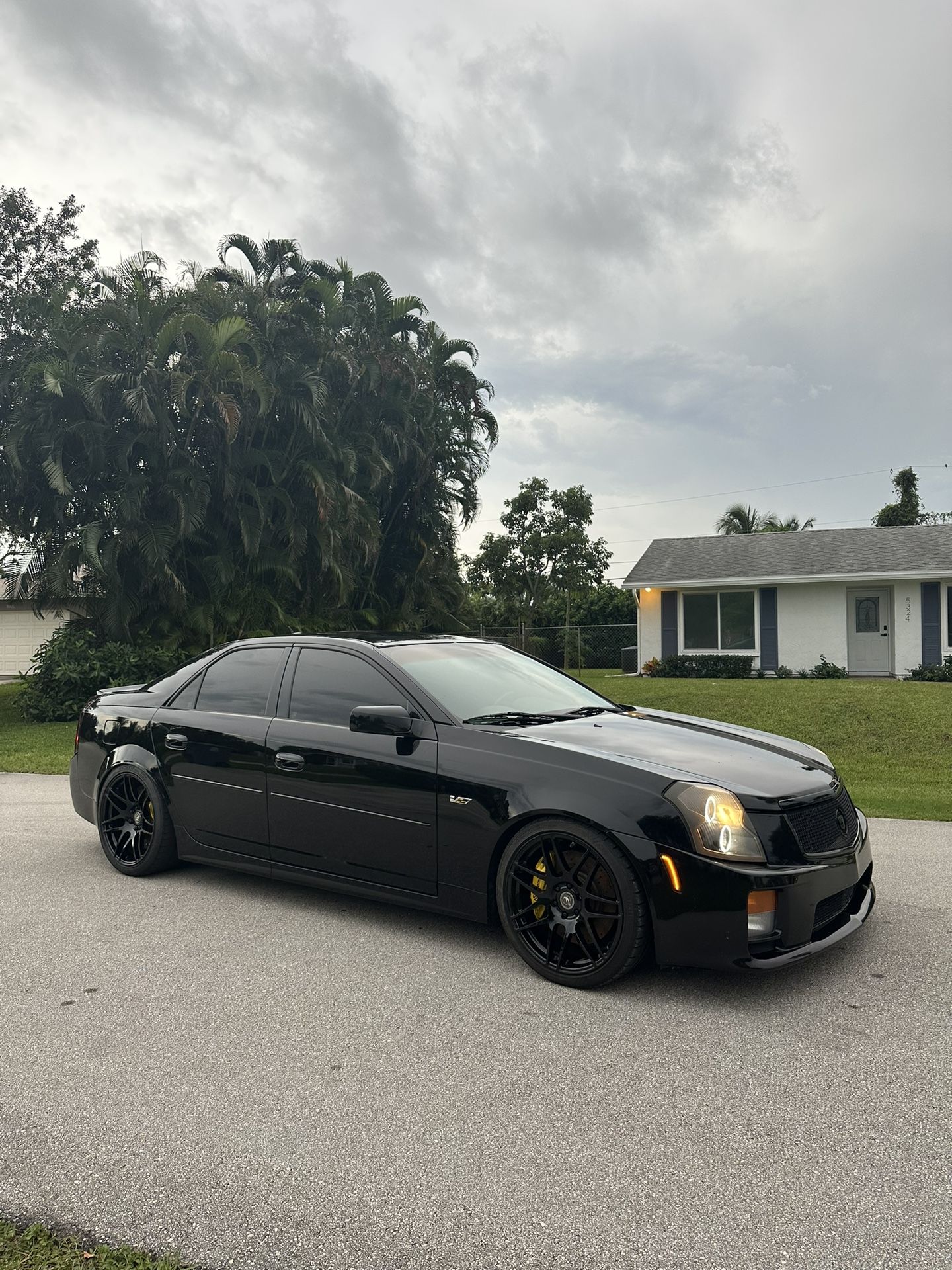
The 2005 Cadillac CTS and Hewlett-Packard (HP) technology of that era represent a fascinating convergence of automotive engineering and portable computing. In todays travel landscape, comparing these two historical artifacts highlights the massive shift in how we navigate, communicate, and manage our journeys compared to two decades ago.
Introduction to the 2005 CTS and HP Computing Era
When looking back at the year 2005, the consumer technology and automotive markets operated under entirely different rules than they do today. The automotive world was deeply entrenched in the era of analog-digital crossover. Vehicles like the 2005 Cadillac CTS—featuring its sharp, angular Art and Science design language—represented modern luxury and performance, yet relied heavily on physical maps, early Garmin GPS units, or basic dealer-installed navigation systems with limited coverage.
Simultaneously, Hewlett-Packard (HP) was a dominant titan in personal computing, producing bulky business notebooks, early Pavilion entertainment laptops, and Pocket PC devices like the HP iPAQ. Travelers in 2005 packing for a trip tossed thick paper guidebooks, printed MapQuest directions, a digital camera, and a heavy HP laptop into their luggage.
Examining how these two distinct entities—a mid-2000s luxury sports sedan and mid-2000s mobile computing hardware—intersect in the modern travel ecosystem provides a unique lens through which to evaluate technological obsolescence, retro-fitting culture, and the evolution of mobility.
The Automotive Contender: The 2005 Cadillac CTS
The 2005 Cadillac CTS was a critical car for General Motors, designed to challenge European sports sedans like the BMW 3 Series and Mercedes-Benz C-Class. Built on the rear-wheel-drive Sigma platform, it offered sharp handling, a choice of 2.8L or 3.6L V6 engines, and a cabin that attempted to modernize American luxury.
Infotainment and Navigation Limitations
By modern standards, the 2005 CTS cockpit feels like a digital desert. The center stack featured an integrated radio and climate control display with a monochrome or small color screen, depending on whether the optional DVD-based navigation system was selected.
- The Navigation DVD: Navigation relied on dual-layer map DVDs that quickly became outdated. Updating maps required purchasing a new disc from the dealership, a practice that feels archaic compared to modern over-the-air updates.
- Audio Connectivity: Bluetooth hands-free calling was rare or non-existent in base models, and smartphone integration protocols like Apple CarPlay and Android Auto were still a decade away. Owners relied on multi-disc CD changers or FM transmitters plugged into cigarette lighter ports to play personal music.
Mechanical and Build Durability
Despite its aging technology, the 2005 CTS remains mechanically robust if properly maintained. Its hydraulic steering, naturally aspirated V6 engines, and traditional mechanical components mean it lacks the complex, un-updatable software modules that plague modern vehicles. This mechanical simplicity has made it a favorite among enthusiasts who appreciate analog driving dynamics, even if the interior electronics are thoroughly outdated.
The Computing Contender: HP Hardware of 2005
In 2005, Hewlett-Packard was transitioning through a major era of mobile computing. The company offered everything from heavy, enterprise-grade HP Compaq notebooks running Windows XP to consumer-focused Pavilion laptops and Windows Mobile-powered HP iPAQ Pocket PCs.
Portability and Performance Trade-offs
Traveling with an HP laptop in 2005 was an exercise in weight management. A typical travel laptop weighed between 5 and 7 pounds, featured a 15-inch 4:3 aspect ratio display, and offered a battery life of roughly two to three hours under light use.
- Connectivity: Wi-Fi was standard via 802.11b/g protocols, but finding an open hotspot required scanning for unsecured networks or visiting a coffee shop. Cellular tethering via smartphones did not exist; mobile data required a bulky PCMCIA cellular data card from providers like Sprint or Verizon.
- Storage and Media: Solid-state drives (SSDs) were commercially non-viable for consumer laptops; instead, noisy mechanical hard drives ranging from 40GB to 80GB stored operating systems, documents, and compressed music files.
The Pocket Computing Alternative: HP iPAQ
For mobile professionals, the HP iPAQ handheld device served as an early precursor to the smartphone. Running Windows Mobile, it allowed users to view documents, manage contacts, and occasionally utilize wired or Bluetooth GPS sleeves for basic pedestrian or vehicular navigation. However, resistive touchscreens required a stylus, and processing power was severely restricted.
Comparing 2005 Tech and Auto Realities to Modern Standards
Evaluating how these two staples of 2005 function in contemporary travel requires contrasting their original engineering goals against the demands of the modern travel landscape.
| Feature Category | 2005 Cadillac CTS & HP Tech | Modern Travel Equivalent |
|---|---|---|
| Navigation | DVD-based maps, paper guides, or early HP iPAQ GPS | Real-time cloud traffic via Waze, Google Maps, or Apple Maps |
| Connectivity | Dial-up, 802.11g Wi-Fi, wired PCMCIA cellular cards | 5G cellular data, ubiquitous Wi-Fi, satellite messaging |
| Audio & Media | CDs, cassette adapters, FM transmitters, local MP3 files | Spotify, Apple Music, podcasts streamed via Bluetooth |
| Vehicle Integration | Auxiliary cords, proprietary 30-pin connectors | Wireless CarPlay, Android Auto, EV battery management apps |
| Portability | 6-lb HP laptops, dedicated digital cameras, separate GPS units | Single smartphone handling all duties with multi-day standby |
Practical Modernization: Bridging the Gap
Travelers who still drive a 2005 Cadillac CTS or collect vintage 2005 HP computing gear face distinct challenges when integrating these items into modern travel routines. Fortunately, aftermarket modifications and creative workarounds allow these legacy tools to remain functional.
Upgrading the 2005 CTS Cabin
Because the factory infotainment system in the 2005 CTS is deeply integrated into the vehicle's climate and audio architecture, replacing the head unit completely can be complex. However, owners frequently employ several strategies:
- Auxiliary and Bluetooth Modulators: Installing hardwired FM modulators or tapping directly into the auxiliary lines of the factory radio enables reliable smartphone audio streaming.
- Dashboard Mounts: Utilizing secure, low-profile magnetic or gravity-mount smartphone holders places modern real-time navigation squarely in the driver's line of sight without altering the dash permanently.
- Dedicated Power Management: Upgrading USB cigarette lighter adapters to fast-charging Power Delivery (PD) units ensures modern phones and tablets stay powered during long road trips.
Resurrecting 2005 HP Laptops for Retro Travel
While using a 2005 HP laptop as a primary travel computer is impractical due to security vulnerabilities in Windows XP and weak battery life, retro tech enthusiasts and digital minimalists occasionally repurpose them:
- Offline Writing and Media: Stripping network connectivity and installing lightweight Linux distributions allows vintage HP laptops to serve as distraction-free writing stations or offline media players for long flights.
- Vintage Diagnostic Tools: Older HP notebooks are frequently kept by automotive enthusiasts to run legacy diagnostic software (such as GM Tech2 emulators) specifically designed to interface with vehicles from the mid-2000s.
Common Pitfalls and Operational Limitations
Attempting to rely on 2005-era infrastructure in the current travel landscape introduces severe security, reliability, and logistical constraints.
- Software Obsolescence: Modern web browsers refuse to render contemporary TLS encryption standards on operating systems from 2005, making vintage laptops virtually useless for booking flights, checking digital boarding passes, or accessing modern travel portals.
- Infrastructure Shifts: Cellular carriers have systematically shut down 2G and 3G networks to reallocate spectrum for 4G and 5G. Any telematics, integrated phone modules, or data cards native to 2005 hardware are entirely non-functional on modern cellular towers.
- Reliability and Wear: Rubber hoses in a 2005 Cadillac CTS and lithium-ion batteries in 2005 HP laptops have long exceeded their design lifespans. Prior to embarking on extended travel, critical automotive components must undergo rigorous inspection, and original laptop batteries should be treated as non-functional fire hazards.
Frequently Asked Questions
Can a 2005 Cadillac CTS navigation system be updated with current maps?
No. General Motors and third-party map vendors discontinued support and map updates for the 2005 CTS generation years ago. Attempting to use the factory navigation system will result in missing newly constructed highways, updated business addresses, and modern traffic data. Drivers must rely on dashboard-mounted smartphones or aftermarket screens.
Is it safe to use a 2005 HP laptop for travel tasks today?
It is strongly discouraged. Windows XP reached end-of-support in 2014, meaning it receives no security patches. Connecting a 2005 HP laptop to public Wi-Fi networks in airports or hotels exposes the device to immediate malware risks and compromises personal data.
How does fuel economy in a 2005 Cadillac CTS compare to modern travel vehicles?
The 2005 CTS with the 3.6L V6 engine achieves roughly 16-18 mpg city and 25-27 mpg highway under ideal conditions. Compared to modern midsize sedans or hybrid crossovers that easily exceed 35 to 45 mpg, the 2005 CTS incurs significantly higher fuel costs for long-distance road trips.
What is the best way to play modern music in a 2005 CTS?
The most reliable method without modifying the factory dash is using a high-quality Bluetooth-to-FM transmitter or installing a hardwired auxiliary input adapter into the back of the factory stereo system. This avoids the static interference common with cheap radio frequency dongles.
Can vintage 2005 tech pass through modern airport security?
Yes. Security checkpoints managed by organizations like the Transportation Security Administration (TSA) permit laptops, older portable electronics, and digital cameras. However, agents may require older electronics to be removed from bags for separate screening just like modern devices.
Final Recommendations for Enthusiasts and Travelers
While a 2005 Cadillac CTS remains a stylish, affordable cruiser with classic rear-wheel-drive dynamics, and a 2005 HP laptop serves as a nostalgic monument to early mobile computing, neither should form the core of your travel infrastructure. Use the CTS as a fun weekend driver equipped with a modern smartphone mount for directions, and leave the vintage HP hardware safely at home on a display shelf. Embracing the mechanical character of mid-2000s machinery while outsourcing navigation and communication to modern pocket technology delivers the ideal balance of retro style and contemporary reliability.