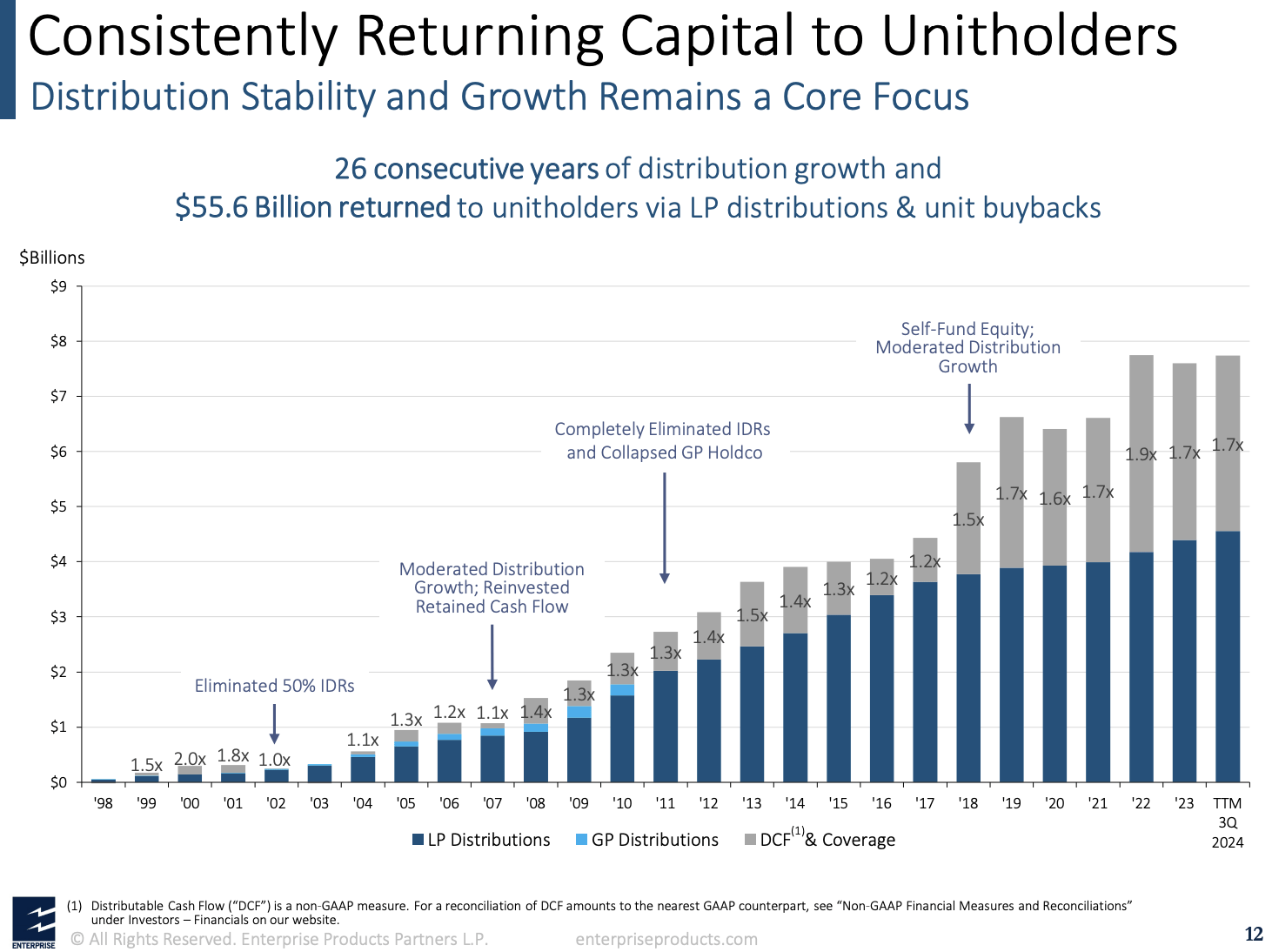
Identifying 10 stocks in the S&P 500 with consistent dividends involves looking at companies that have historically maintained or increased their regular quarterly cash distributions to shareholders across diverse economic cycles. These established corporations typically feature robust cash flows, disciplined balance sheets, and enduring business models capable of rewarding long-term investors regardless of market volatility.
Understanding Dividend Consistency in the S&P 500
Dividend investing remains a cornerstone strategy for individuals seeking steady income streams alongside potential capital appreciation. Within the S&P 500, a benchmark index tracking 500 of the largest publicly traded companies in the United States, certain equities stand out for their unbroken records of returning capital to shareholders. These companies are often categorized by financial analysts into elite cohorts, such as Dividend Aristocrats or Dividend Kings, depending on how many consecutive years they have increased their payouts.
Consistency does not merely mean a company pays a dividend; it signifies an unbroken track record of weathering recessions, inflationary pressures, and structural industry shifts without reducing or eliminating payouts. When evaluating these equities, market participants look beyond high current yields to examine payout ratios, free cash flow generation, and the overall health of the underlying business. A high yield can sometimes serve as a warning sign if the company's earnings cannot comfortably cover the distribution, making sustainability the primary metric for long-term success.
Core Criteria for Evaluating S&P 500 Dividend Stocks
Selecting reliable dividend-paying equities requires examining several fundamental financial metrics. Investors cannot rely solely on historical performance; they must evaluate whether the company possesses the structural earnings power to sustain its distribution in the future.
The Payout Ratio
The payout ratio measures the proportion of earnings a company pays out as dividends to its shareholders. A sustainable payout ratio generally sits below 60% to 75% for most industries, ensuring that the business retains enough capital to reinvest in growth, service debt, and cushion against unexpected economic downturns. Capital-intensive sectors like utilities or real estate investment trusts (REITs) may operate with higher payout ratios due to their predictable, regulated cash flows.
Free Cash Flow and Earnings Stability
Earnings per share can fluctuate due to accounting adjustments, but free cash flow represents the actual cash a company generates after accounting for cash outflows to support operations and maintain its capital assets. Companies with consistent dividends typically exhibit steady, growing free cash flows over decades. This stability allows management teams to raise payments annually, signaling financial strength and managerial confidence to the market.
Balance Sheet Strength and Credit Ratings
A strong balance sheet featuring manageable debt levels and favorable credit ratings protects a company during periods of economic contraction. Highly leveraged firms may be forced to slash dividends to preserve liquidity when borrowing costs rise or revenues decline. S&P 500 constituents with investment-grade balance sheets retain superior access to capital markets, ensuring their distributions remain secure even during severe market stress.
10 Notable S&P 500 Companies with Long-Term Dividend Records
The following selection highlights ten prominent S&P 500 corporations renowned for their long-standing commitments to consistent dividend payments. Each of these companies operates in a distinct sector, offering diversification across consumer goods, industrial services, healthcare, utilities, and financial services.
1. Johnson & Johnson (JNJ)
Operating in the healthcare and pharmaceutical sector, Johnson & Johnson is a classic example of financial resilience. The company manufactures medical devices, pharmaceuticals, and packaged consumer health goods. Its immense scale, diversified revenue streams, and conservative financial management have allowed it to increase its dividend payout for over six consecutive decades, earning it a premier status among income-focused investors.
2. The Procter & Gamble Company (PG)
Procter & Gamble is a titan in the consumer staples sector, housing household-name brands in personal care, cleaning, and hygiene. Because demand for consumer staples remains relatively stable during economic downturns, the company generates reliable cash flows. Procter & Gamble has rewarded shareholders with consistent annual dividend increases for more than 60 years, reflecting the enduring pricing power of its product portfolio.
3. Coca-Cola Company (KO)
As the world's largest beverage corporation, Coca-Cola benefits from a globally recognized brand footprint and an extensive distribution network. The company's asset-light bottling model and resilient consumer demand support strong profit margins. Coca-Cola maintains a multi-decade history of uninterrupted annual dividend growth, appealing to investors who prioritize predictable quarterly income.
4. PepsiCo, Inc. (PEP)
PepsiCo combines a leading beverage portfolio with a massive snacks and convenient foods business, including brands like Frito-Lay and Quaker. This dual-pillar approach provides operational balance across different consumer spending environments. PepsiCo boasts a long-standing track record of increasing its dividend annually, supported by disciplined capital allocation and steady organic revenue growth.
5. Colgate-Palmolive Company (CL)
Colgate-Palmolive focuses on oral care, personal care, and pet nutrition products. Its products represent everyday essentials with high consumer retention rates. The company’s commitment to operational efficiency and global market penetration has enabled it to maintain a consistent history of dividend payments and regular increases spanning many decades.
6. Walmart Inc. (WMT)
As the largest retailer in the world, Walmart leverages its massive supply chain scale to offer everyday low prices, driving high-volume consumer traffic in both inflationary and deflationary periods. Walmart’s steady cash generation and adaptability in retail technology have underpinned its status as a reliable dividend payer with a history of consistent annual increases within the S&P 500.
7. Abbott Laboratories (ABT)
Abbott Laboratories operates across diversified healthcare markets, including medical devices, diagnostics, nutritional products, and established pharmaceuticals. The company's strategic portfolio adjustments and focus on innovation have driven consistent earnings growth. Abbott maintains a long, unbroken record of paying and raising dividends, supported by essential demand for healthcare products.
8. Medtronic plc (MDT)
Medtronic is a leading global developer and manufacturer of medical technology, services, and solutions, specializing in cardiovascular devices, diabetes management, and surgical tools. Because medical procedures often cannot be deferred, Medtronic enjoys steady end-market demand. The company has consistently returned capital to shareholders through decades of annual dividend increases.
9. International Business Machines Corporation (IBM)
IBM has transitioned from a traditional hardware manufacturer into a hybrid cloud and artificial intelligence solutions provider. Despite navigating sweeping technological transformations over its history, IBM has maintained a disciplined capital return policy, supporting long-term dividend consistency for income-focused portfolios.
10. Consolidated Edison, Inc. (ED)
Consolidated Edison is a regulated utility holding company providing electric, gas, and steam service to millions of customers. Regulated utilities operate as local monopolies under government-supervised rate structures, yielding highly predictable revenues. Consolidated Edison stands out in the utility sector for its extensive history of unbroken annual dividend increases.
Comparative Overview of Selected S&P 500 Dividend Stocks
| Company Name | Ticker | Primary Sector | Typical Characteristics |
|---|---|---|---|
| Johnson & Johnson | JNJ | Healthcare | Diversified medical and pharmaceutical revenues; very low debt. |
| Procter & Gamble | PG | Consumer Staples | Essential household brands; stable margins across economic cycles. |
| Coca-Cola Company | KO | Consumer Staples | Global beverage distribution; high brand equity and strong cash conversion. |
| PepsiCo, Inc. | PEP | Consumer Staples | Balanced snacks and beverages; consistent organic volume growth. |
| Colgate-Palmolive | CL | Consumer Staples | High consumer retention in oral and personal care products. |
| Walmart Inc. | WMT | Consumer Discretionary | Massive retail scale; essential everyday goods demand. |
| Abbott Laboratories | ABT | Healthcare | Broad medical device and diagnostics portfolio; steady R&D investment. |
| Medtronic plc | MDT | Healthcare | Essential medical technology and device manufacturing. |
| International Business Machines | IBM | Technology | Enterprise hybrid cloud and AI services; steady cash generation. |
| Consolidated Edison, Inc. | ED | Utilities | Regulated energy delivery; highly predictable cash inflows. |
Sector Dynamics and Diversification Strategies
Relying on a single sector for income generation can expose a portfolio to concentrated regulatory, economic, or technological risks. While consumer staples and utilities frequently dominate dividend lists due to their stable cash flows, building a robust portfolio requires balancing multiple industries.
For instance, healthcare stocks like Johnson & Johnson and Abbott Laboratories benefit from long-term demographic tailwinds, such as aging populations in developed nations. Conversely, technology firms like IBM offer exposure to digital transformation trends, though they may require more careful monitoring of capital expenditure cycles. By spreading investments across consumer goods, healthcare, technology, and utilities, investors can mitigate sector-specific downturns while preserving overall portfolio income stability.
Common Mistakes in Dividend Investing
Investors examining S&P 500 dividend stocks frequently encounter pitfalls that can impair long-term returns. Recognizing these missteps helps in building a more resilient investment approach.
Chasing Yield Without Examining Fundamentals
A high dividend yield often appears attractive, but it can be a symptom of a declining stock price driven by fundamental business deterioration. When a company's share price drops significantly, its dividend yield rises mathematically. If the underlying business is struggling, management may eventually be forced to cut the payout, resulting in both a loss of income and a sharp decline in capital value.
Ignoring Inflation and Payout Growth
Focusing solely on current yield ignores the purchasing power of future cash flows. A company offering a lower initial yield paired with consistent double-digit annual dividend growth can often surpass the income generated by a stagnant, high-yield stock over a ten-year horizon. Evaluating the five-year and ten-year compound annual growth rate of the dividend provides insight into management's commitment to rewarding shareholders against inflationary pressures.
Overlooking Tax Implications
Dividends received from taxable brokerage accounts are subject to income tax. Qualified dividends are generally taxed at preferential long-term capital gains rates, provided holding period requirements are met, whereas ordinary or non-qualified dividends are taxed at higher ordinary income tax rates. Structuring investments across taxable and tax-advantaged accounts, such as IRAs or 401(k)s, can optimize net cash retention.
Frequently Asked Questions
What makes an S&P 500 stock a reliable dividend payer?
Reliable dividend payers combine stable, recurring free cash flows with conservative balance sheets and business models insulated from extreme cyclical volatility. These companies prioritize returning capital to shareholders through decades of uninterrupted payments, supported by manageable payout ratios that leave room for ongoing reinvestment.
Are high-dividend stocks safer than growth stocks?
Not necessarily. While dividend-paying companies are often more established and financially stable, they are still exposed to market risks, interest rate fluctuations, and competitive pressures. A balanced portfolio typically includes both dividend-paying equities for cash flow and growth equities for capital expansion.
How often do S&P 500 companies pay dividends?
Most S&P 500 companies distribute dividends on a quarterly basis, meaning shareholders receive four payments per year. However, payment schedules, record dates, and ex-dividend dates vary by corporation, requiring investors to review individual corporate calendars.
What is the difference between a Dividend Aristocrat and a Dividend King?
A Dividend Aristocrat is an S&P 500 company that has increased its dividend payout for at least 25 consecutive years. A Dividend King represents an even more exclusive tier of companies that have increased their dividends for at least 50 consecutive years.
How can I verify a company's dividend history?
Investors can verify dividend payment histories, ex-dividend dates, and payout ratios through official corporate investor relations websites, regulatory filings with the U.S. Securities and Exchange Commission (SEC), or reputable financial market data platforms.
Next Actions for Dividend Investors
To apply these insights, review your current asset allocation to ensure appropriate sector diversification and evaluate the payout ratios of any income-generating holdings. Consult official investor relations documentation or certified financial professionals to align your equity selections with your specific long-term financial objectives and risk tolerance.