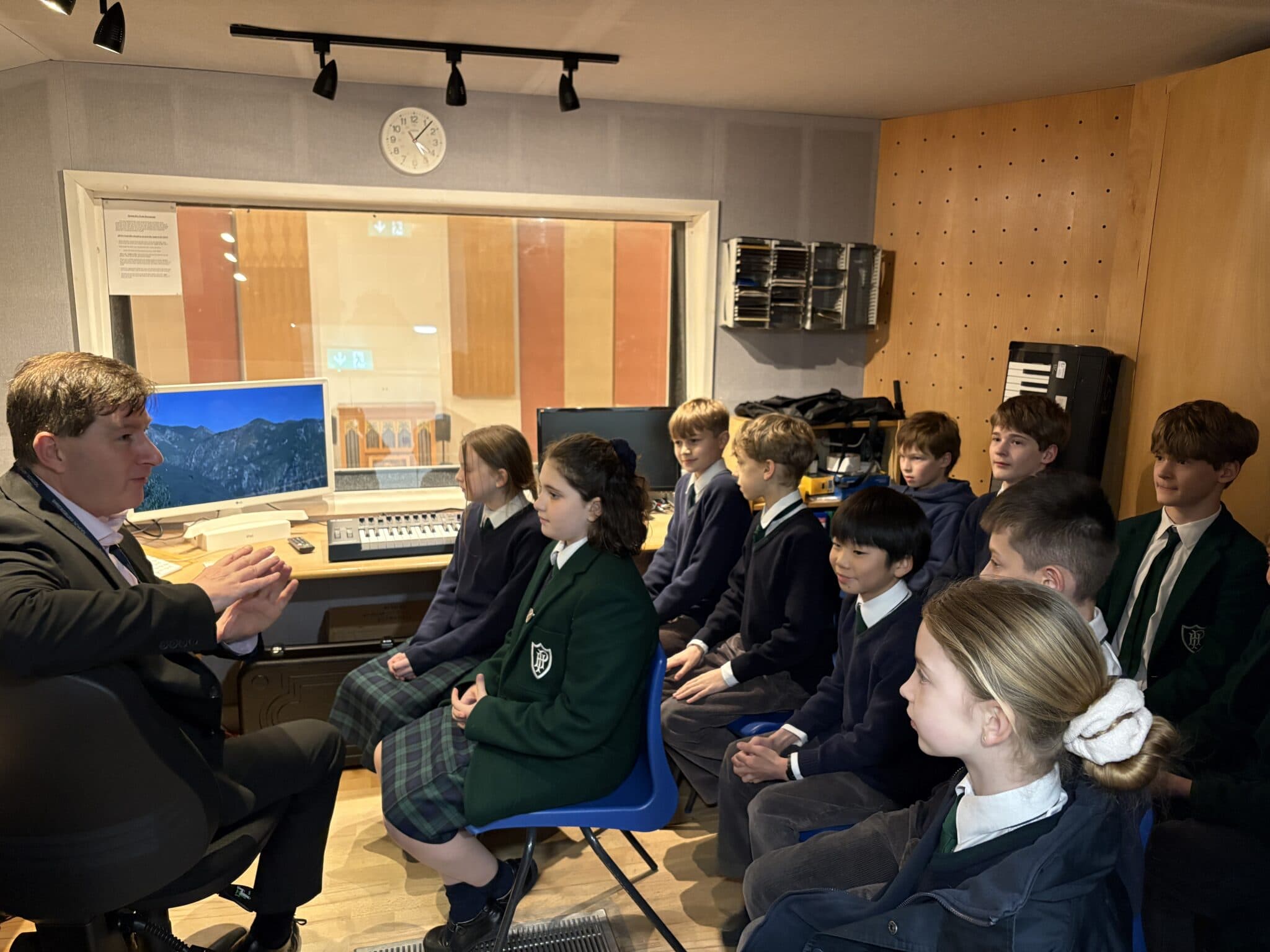
Choosing the right institution for music technology requires balancing acoustic engineering, computer science, electronic hardware design, and contemporary audio production. The premier programs in this discipline integrate rigorous scientific methodologies with creative studio environments, preparing students for careers in spatial audio development, game audio programming, electroacoustic composition, and hardware engineering.
Understanding Music Technology Programs
Music technology is an interdisciplinary field that bridges the gap between artistic expression and technical engineering. Unlike traditional music performance degrees or standard audio engineering programs, a true music technology curriculum delves deep into computer programming, digital signal processing (DSP), physical computing, and psychoacoustics. Students spend as much time writing code in languages like C++, Python, and Max/MSP as they do recording instruments or mixing multi-track stems.
When evaluating these programs, prospective students must examine faculty research specializations, studio infrastructure, and curriculum flexibility. Some institutions lean heavily toward the computer science and software development side of audio, while others focus on commercial music production and sound design for media. Clarifying your career objectives—whether you want to design proprietary audio plugins, build interactive sound engines for video games, or run a high-end recording studio—will dictate which school fits your profile.
Key Criteria for Evaluating Music Technology Schools
Before diving into the top-tier institutions, it is critical to understand the metrics used to measure the strength of a music technology department. A flashy mixing console is secondary to foundational curriculum design and industry placement.
Faculty Expertise and Research Labs
The caliber of a music technology program is directly tied to its faculty. Look for professors who actively publish research in the Audio Engineering Society (AES), contribute to open-source audio software, or hold patents in spatial audio and synthesis. Dedicated research centers—such as computer music labs, spatial audio domes, and physical computing workshops—provide undergraduate and graduate students with hands-on environments to build prototypes and test theoretical concepts.
Technical Facilities and Software Access
A competitive program provides access to professional-grade hardware and software environments. This includes anechoic chambers, immersive audio mixing studios (such as Dolby Atmos setups), modular synthesis hardware, microcontroller development kits (like Arduino and Teensy), and industry-standard digital audio workstations (DAWs) paired with custom programming environments.
The 10 Best Schools for Music Technology
The following institutions represent the leading programs globally for studying music technology, combining rigorous academic frameworks with cutting-edge technical resources.
1. Massachusetts Institute of Technology (MIT) - Experimental Music Studio (EMS)
- Location: Cambridge, Massachusetts, USA
- Focus: Computer music, algorithmic composition, and psychoacoustics
- Overview: MIT’s Experimental Music Studio, housed within the Music and Theater Arts section, approaches music technology through a deeply scientific and computational lens. Students leverage MIT's vast computing resources to explore generative music systems, digital signal processing, and interactive electronic performance. The program is ideal for students who view music as data and want to push the boundaries of how humans interact with sound.
2. Stanford University - Center for Computer Research in Music and Acoustics (CCRMA)
- Location: Stanford, California, USA
- Focus: Physical modeling, DSP, and spatial audio
- Overview: CCRMA is a legendary multidisciplinary facility where music, digital art, and scientific research intersect. Operating primarily at the graduate level, though heavily accessible to advanced undergraduates, CCRMA is renowned for pioneering research in digital waveguide synthesis, physical modeling, and human-computer interaction. Its location in Silicon Valley fosters deep connections with major tech companies developing consumer audio hardware and spatial audio algorithms.
3. New York University (NYU) - Music Technology Program
- Location: New York City, New York, USA
- Focus: Commercial production, software engineering, and interactive media
- Overview: NYU’s Steinhardt School offers one of the most comprehensive undergraduate and graduate music technology programs in the world. Situated in the heart of New York City, the program balances creative applications with rigorous technical training in Max/MSP, C++, and mobile app audio development. Students gain access to advanced multi-channel mixing suites and benefit from proximity to the city's vibrant audio post-production and tech startup ecosystem.
4. University of California, San Diego (UCSD) - Computer Music and Department of Music
- Location: San Diego, California, USA
- Focus: Experimental composition, software synthesis, and hardware hacking
- Overview: UCSD has a rich history in electronic and computer music, heavily influenced by avant-garde traditions and technological innovation. The program emphasizes custom software creation, real-time interactive performance systems, and electroacoustic composition. Students work within advanced computing environments to design custom controllers, write audio plugins, and analyze acoustic phenomena.
5. McGill University - Schulich School of Music
- Location: Montreal, Quebec, Canada
- Focus: Sound recording, acoustic measurement, and audio software engineering
- Overview: McGill offers unique interdisciplinary programs, notably its renowned sound recording and digital audio applications streams. The Schulich School combines rigorous musical training with advanced acoustic engineering and signal processing. Students utilize state-of-the-art recording spaces equipped for advanced spatial audio research, making it a top destination for those pursuing high-end acoustic design and classical recording.
6. Berklee College of Music - Electronic Production and Design (EPD)
- Location: Boston, Massachusetts, USA
- Focus: Contemporary electronic music production, live performance controllers, and film scoring
- Overview: While Berklee is traditionally known for commercial performance, its Electronic Production and Design major stands out for its practical focus on modern music creation technologies. Students learn synthesis, sound design, interactive controllerism, and multi-track production. The curriculum bridges the gap between artistic workflow and technical proficiency in hardware and software integration.
7. Georgia Institute of Technology - Center for Music Technology
- Location: Atlanta, Georgia, USA
- Focus: Robotic musicianship, music informatics, and wearable audio tech
- Overview: Georgia Tech approaches music technology through an engineering-heavy paradigm. The Center for Music Technology is famous for pioneering robotic musicianship (such as robotic drummers and marimba-playing robots) and advanced music information retrieval (MIR). Students here typically hold engineering or computer science backgrounds and focus on hardware prototyping, machine learning for audio, and interactive performance systems.
8. University of Miami - Frost School of Music
- Location: Coral Gables, Florida, USA
- Focus: Music engineering technology
- Overview: The Frost School offers a unique Bachelor of Science in Music Engineering Technology, an elite program that requires dual proficiency in electrical engineering and applied music. Students take rigorous courses in calculus, physics, circuits, and computer programming alongside advanced audio engineering. Graduates are uniquely positioned to design mixing consoles, microphones, and consumer electronics for top audio manufacturers.
9. University of Edinburgh - Reid School of Music
- Location: Edinburgh, Scotland, United Kingdom
- Focus: Sound design, acoustics, and interactive audio
- Overview: Representing a premier European option, the University of Edinburgh offers exceptional programs in sound design and music technology. The curriculum covers everything from field recording and acoustic analysis to generative audio programming and game audio middleware. Students benefit from historical European acoustic traditions paired with modern computing labs.
10. Universitat Pompeu Fabra (UPF) - Music Technology Group (MTG)
- Location: Barcelona, Spain, United Kingdom/Europe
- Focus: Audio signal processing, music information retrieval, and sound synthesis
- Overview: The Music Technology Group at UPF is internationally recognized for its research in audio analysis, processing, and synthesis. While primarily a hub for postgraduate and doctoral research, its academic offerings attract students interested in the mathematical and algorithmic foundations of music technology, machine learning applications in audio, and web-audio development.
Comparative Program Matrix
| Institution | Primary Technical Focus | Key Software/Hardware Tools | Target Degree Level |
|---|---|---|---|
| MIT | Algorithmic composition & psychoacoustics | Python, C++, Custom DSP | Undergrad / Grad |
| Stanford (CCRMA) | Physical modeling & spatial audio | MATLAB, Max/MSP, C++ | Graduate (Advanced Undergrad) |
| NYU | Commercial production & software dev | Max/MSP, Pro Tools, Xcode | Undergrad / Grad |
| UCSD | Experimental software & hardware | SuperCollider, C++, Linux environments | Undergrad / Grad |
| McGill | Acoustic recording & spatial audio | Pyramix, Pro Tools, MATLAB | Undergrad / Grad |
| Berklee | Production, synthesis & performance | Ableton Live, Logic Pro, Hardware Synths | Undergraduate |
| Georgia Tech | Robotic music & machine learning | Python, C++, Microcontrollers | Undergrad / Grad |
| University of Miami | Electrical engineering & audio design | Altium Designer, C++, LTspice | Undergraduate |
| University of Edinburgh | Sound design & interactive audio | Pure Data, FMOD, Wwise | Undergrad / Grad |
| UPF (Barcelona) | Music information retrieval & DSP | Python, C++, Web Audio API | Graduate / Postgrad |
Admission Prerequisites and Technical Portfolio Requirements
Applying to a top music technology program differs significantly from applying to a traditional music conservatory or a standard computer science department. Admissions committees look for a hybrid profile that demonstrates both creative sensibility and technical aptitude.
Mathematics and Programming Foundations
For engineering-heavy programs (such as Georgia Tech, Miami, and Stanford), strong high school or undergraduate performance in mathematics—specifically calculus, linear algebra, and physics—is mandatory. Familiarity with basic programming logic (such as loops, arrays, and functions) in Python, JavaScript, or C++ provides a distinct advantage.
The Technical and Creative Portfolio
Virtually all music technology programs require a portfolio. Depending on the school's focus, your portfolio should include:
- Audio Engineering Samples: Multi-track mixes demonstrating microphone placement, EQ, compression, and spatial imaging.
- Software Projects: Custom audio plugins (VST/AU), patches built in Max/MSP or Pure Data, or scripts written for data analysis or generative composition.
- Composition/Sound Design: Original electronic music, film scoring cues, or interactive game audio implementations demonstrating proficiency with DAWs and virtual instruments.
Career Paths for Music Technology Graduates
A degree in music technology opens doors to diverse industries that require expertise in both audio and computing. Understanding these career trajectories helps prospective students tailor their coursework and independent projects during their studies.
Audio Software Engineer and Plugin Developer
Graduates with strong computer science skills write DSP code for audio software companies (such as Native Instruments, Universal Audio, or Ableton) or tech giants developing consumer operating systems and spatial audio algorithms. Daily tasks include optimizing C++ code for low-latency audio processing and implementing digital emulations of vintage analog hardware.
Interactive Audio Programmer for Gaming and XR
The video game industry and Extended Reality (XR) sectors rely heavily on music technology graduates to implement dynamic, non-linear sound engines. Using middleware like Wwise or FMOD integrated with game engines like Unreal Engine or Unity, sound designers and programmers create immersive acoustic environments that respond in real-time to user actions.
Acoustic Consultant and Hardware Designer
Graduates from engineering-focused tracks often enter acoustic consulting, designing concert halls, recording studios, and architectural spaces for optimal sound isolation and reflection. Others work directly in hardware manufacturing, testing transducer designs, circuit boards, and wireless audio transmission protocols.
Frequently Asked Questions
Do I need to be a virtuoso musician to study music technology?
No. While many programs require a basic audition or submission of original creative work, the emphasis is placed on your understanding of acoustics, programming, and production techniques rather than virtuosic performance on an acoustic instrument. However, a strong ear and foundational understanding of music theory remain essential.
Is a Bachelor of Science (B.S.) better than a Bachelor of Arts (B.A.) in Music Tech?
It depends entirely on your career goals. A Bachelor of Science program typically requires rigorous coursework in mathematics, physics, and computer science, making it ideal for software development and acoustic engineering. A Bachelor of Arts or Bachelor of Music leans heavier toward composition, media scoring, and commercial studio production.
Can I learn music technology entirely through online tutorials instead of going to school?
While online resources, forums, and video tutorials are exceptional for learning specific software tools like Ableton or Pro Tools, formal academic programs provide structured access to high-end hardware, collaborative multidisciplinary peers, faculty mentorship, and research grants that are difficult to replicate independently.
What programming languages are most important for music technology?
C++ remains the gold standard for developing high-performance audio plugins and real-time DSP applications. Python is widely used for music information retrieval (MIR) and machine learning applications in audio. Visual programming languages like Max/MSP and Pure Data are essential for rapid prototyping of interactive systems.
How important is access to physical hardware studios in the modern era?
While modern in-the-box production and software-based synthesis have democratized music creation, physical hardware laboratories—featuring anechoic chambers, modular synthesizers, and multi-channel spatial audio speaker arrays—provide empirical learning experiences that software simulations cannot fully replicate.
Next Steps and Action Plan
- Audit Your Skill Set: Assess your current competencies in mathematics, computer programming, and music production to determine whether your target schools should skew toward engineering or creative production.
- Build a Hybrid Portfolio: Begin developing a portfolio that showcases both your technical projects (such as Max patches or code snippets) and your creative output (such as mixed tracks or sound design reels).
- Review Admissions Deadlines: Check official university admissions timelines, noting that many competitive programs have early deadlines for scholarship consideration.
- Contact Department Advisors: Reach out to admissions counselors or student ambassadors at your shortlisted institutions to inquire about specific software requirements, hardware lab access, and faculty research opportunities.