The 1-800 Contacts commercial campaigns are widely recognized for their humorous, highly relatable scenarios highlighting the frustrations of buying contact lenses through traditional eye care providers. These advertisements popularized the brand through television and digital platforms by emphasizing fast shipping, price matching, and easy prescription verification, cementing the company as a dominant direct-to-consumer retailer in the optical industry.
Understanding the 1-800 Contacts Brand and Advertising Footprint
To understand why the 1-800 Contacts commercial strategy has remained a staple of modern television advertising, one must examine how the company positioned itself within the optical market. Founded in the mid-1990s, the enterprise set out to simplify an industry traditionally controlled by local optometrists and brick-and-mortar optical dispensaries. Before online ordering became ubiquitous, acquiring replacement contact lenses often required returning to the prescribing clinic, waiting for stock to arrive, and paying significant markup prices.
The company's marketing strategy capitalized on these friction points. Rather than relying solely on product-focused feature advertising, the creative teams behind the campaigns focused on narrative-driven comedy. These spots typically feature customers finding themselves in absurd, exaggerated situations where missing or damaged contact lenses completely derail their day—only to be saved by the rapid, user-friendly ordering process provided by the brand.
By framing the procurement of medical devices like contact lenses as an everyday, stress-free transaction, the commercials shifted consumer perception. They demystified online prescription verification and reassured buyers that ordering lenses over the phone or internet was both safe and legally compliant under federal regulations such as the Fairness to Contact Lens Consumers Act.
Key Themes and Creative Evolution in 1-800 Contacts Commercials
Over the decades, the creative direction of these advertisements has evolved alongside media consumption habits, moving from early late-night cable spots to multi-channel digital video campaigns. However, several core themes remain consistent across their broadcast history.
The Frustrated Customer Archetype
A recurring trope in these commercials is the individual caught mid-crisis due to a lost or torn lens. Whether trying to read a presentation, navigate a social gathering, or recognize a spouse across a room, the protagonists face immediate, relatable embarrassment. This comedic exaggeration isolates the pain point—the inconvenience of traditional lens acquisition—and presents the toll-free number or website as an immediate resolution.
Highlighting Core Value Propositions
Beyond humor, the commercials consistently drive home specific operational advantages:
- Price Matching: Reassuring customers they do not have to overpay compared to their doctor's office.
- Easy Prescription Verification: Explaining that the company handles the communication with the eye doctor directly.
- Fast Delivery: Showcasing how quickly boxes arrive at the consumer's doorstep.
| Campaign Era | Primary Medium | Core Creative Focus | Notable Consumer Takeaway |
|---|---|---|---|
| Late 1990s – Early 2000s | Cable TV & Radio | Direct response, memorability of the phone number | Ordering lenses by phone is fast and accessible. |
| 2010s | Broadcast TV & Digital | Situational comedy, customer service convenience | Online ordering does not mean sacrificing customer support. |
| 2020s & Beyond | Omnichannel (Connected TV, Social) | Speed, app integration, prescription renewal services | Digital eye exams and seamless reordering fit modern lifestyles. |
The Regulatory and Operational Reality Behind the Ads
While the commercials portray a frictionless experience, buying contact lenses online involves strict regulatory frameworks. Contact lenses are classified as medical devices by regulatory bodies such as the U.S. Food and Drug Administration (FDA). Consequently, companies cannot simply sell lenses to any consumer without verifying a valid, unexpired prescription written by a licensed optometrist or ophthalmologist.
The commercials often gloss over the administrative mechanics of this process to maintain a fast comedic pace, but the underlying operational workflow is robust. When a customer places an order, the retailer is legally required to verify the prescription with the prescribing doctor. Under the provisions of the Fairness to Contact Lens Consumers Act, doctors are given a specific window—typically eight business days—to respond to a verification request. If the doctor does not respond within that timeframe, the prescription is legally deemed verified, and the order can be fulfilled.
1-800 Contacts built a significant portion of its brand equity around streamlining this verification bottleneck. By investing in technology that automates doctor outreach and utilizing a vast database of prescriber contact information, the company minimized the delays that traditionally plagued online optical retailers.
Impact on Consumer Behavior and the Optical Industry
The persistent visibility of these commercials has profoundly influenced consumer buying patterns within the vision care sector. By normalizing the separation of the eye exam from the physical purchase of the lenses, the company disrupted traditional retail models where optical shops relied heavily on high lens markups to subsidize low-cost or free exams.
Independent eye care professionals historically pushed back against online retailers, citing concerns over patient eye health and compliance with wearing schedules. In response, digital platforms adapted by integrating services like online vision assessments and prescription renewals, bridging the gap between telehealth and physical retail. The commercials played a pivotal role in this shift by educating the public on their consumer rights—specifically, that patients have a legal right to a copy of their prescription and can purchase their corrective lenses from any provider of their choice.
Frequently Asked Questions
Who is the actor in the famous 1-800 Contacts commercials?
The company has utilized various actors and comedians across different campaigns over the years rather than relying on a single permanent spokesperson. Many spots feature ensemble casts playing everyday consumers in comedic situations, though certain voiceover artists and recurring character actors have become recognizable staples of their broadcast history.
Do I need a prescription to order from 1-800 Contacts?
Yes. Contact lenses are regulated medical devices, and federal law requires a valid, unexpired prescription from a licensed eye care professional to purchase them. The company collects your prescription details during checkout and handles the legal verification process directly with your eye doctor.
How does the price match guarantee work in their advertisements?
The company matches lower verifiable prices found on other authorized online retailers for identical contact lens products at the time of purchase. Customers typically need to provide the competitor's pricing details to customer service representatives to validate the adjustment.
Can 1-800 Contacts help me get a new prescription?
Yes, the company offers digital vision assessment tools and telehealth options in eligible jurisdictions, allowing users to renew qualifying expired prescriptions online through a licensed optometrist without visiting a physical clinic.
Are contact lenses bought online the same as those from an eye doctor?
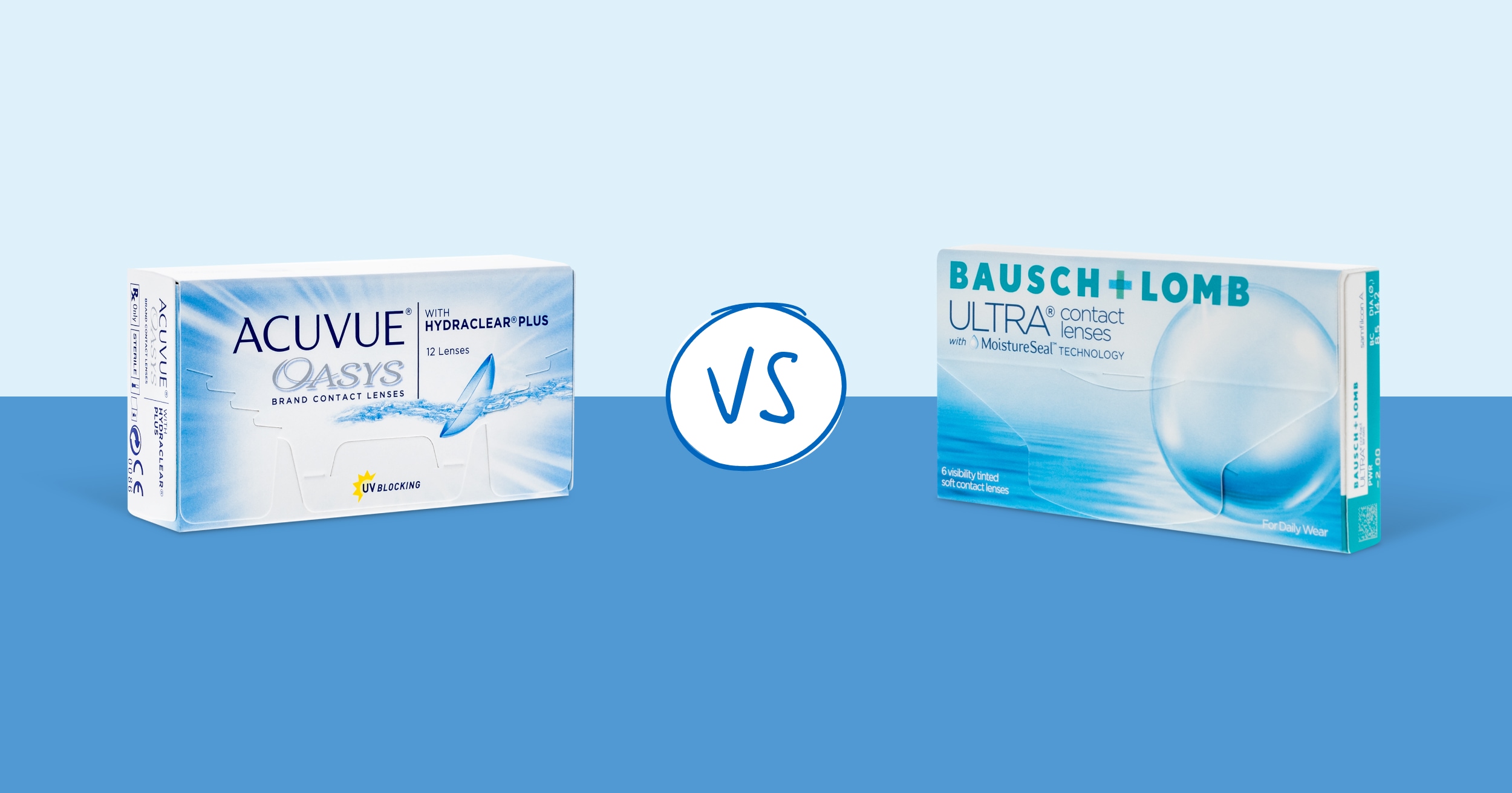
Yes. Online retailers source their contact lenses directly from the same major manufacturers—such as Alcon, CooperVision, Bausch + Lomb, and Johnson & Johnson Vision Care—meaning the physical product received is identical to what a doctor's office dispenses.
Practical Next Steps for Lens Purchasers
If you are considering purchasing contact lenses online after seeing these advertisements, gather your current box or physical prescription before starting. Verify that your prescription has not passed its expiration date, which is typically set at one year from the exam date depending on state regulations. Compare total costs including shipping, processing fees, and potential manufacturer rebates against your eye doctor's quote to determine the most cost-effective option for your specific brand of lenses.