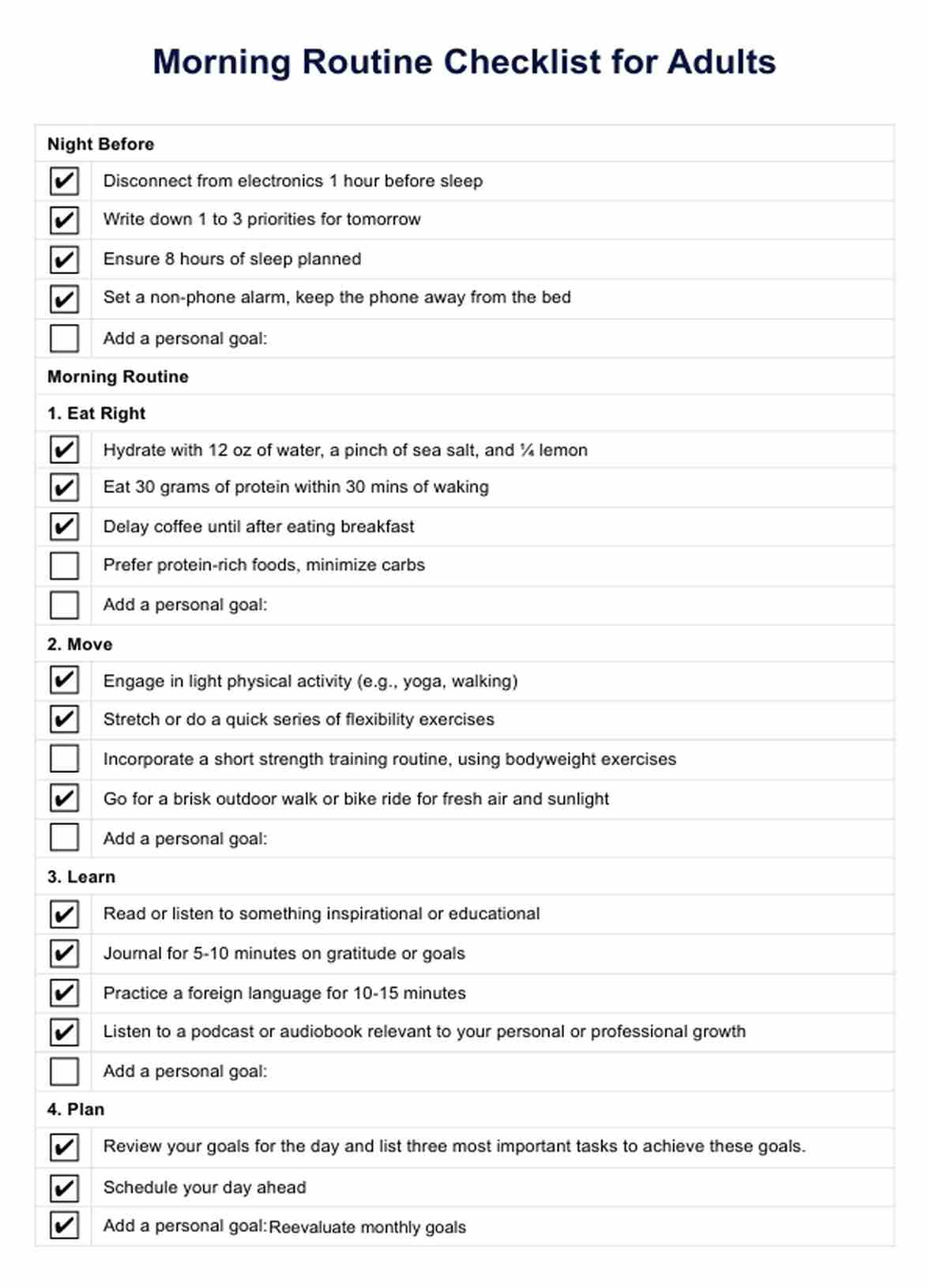
A proper morning routine is a deliberate sequence of habits performed upon waking that optimizes physical, cognitive, and emotional readiness for the day. Rather than following rigid trends, an effective routine relies on circadian regulation, hydration, purposeful movement, and task prioritization to minimize decision fatigue and maximize executive function during peak morning hours.
The Physiology of Waking: Why Routine Matters
The human body operates on a circadian rhythm, an internal process that regulates the sleep-wake cycle over a 24-hour period. When you wake up, your body undergoes a transition characterized by a spike in cortisol—the "cortisol awakening response"—which prepares the system for activity. A chaotic or reactive start to the day, often triggered by immediate digital interaction, can exacerbate stress and disrupt the regulation of neurotransmitters like dopamine and serotonin.
A structured morning routine serves as a buffer. By front-loading predictable, low-friction activities, you conserve your "decision budget." Research into cognitive load suggests that individuals have a finite capacity for high-level decision-making each day. By automating your first 60 to 90 minutes, you ensure that your limited mental energy is preserved for your most important tasks rather than being depleted by trivial choices like what to wear, eat, or check first.
Foundational Pillars of a Productive Morning
While personal preferences vary, the most effective routines share common physiological and psychological anchors. These are not merely suggestions but biological prerequisites for high-performance functioning.
1. Light Exposure and Circadian Anchoring
Light is the primary "zeitgeber," or external cue, that resets your internal clock. Upon waking, seeking natural sunlight within the first 30 minutes signals the pineal gland to stop producing melatonin and initiates the timing for sleep release later that evening. If you live in a location with limited sunlight or wake before dawn, artificial bright light therapy—utilizing 10,000 lux lamps—can serve as a substitute to inhibit melatonin production effectively.
2. Hydration and Metabolic Activation
During sleep, the body loses significant moisture through respiration and perspiration. Starting the day with 16 to 20 ounces of water is essential for cognitive clarity and cellular function. Dehydration, even at mild levels, is linked to reduced concentration and increased feelings of fatigue. Avoid relying on caffeine as the first source of hydration; waiting 60 to 90 minutes after waking to consume caffeine allows your natural adenosine clearance to occur, which may help prevent the mid-afternoon energy "crash."
3. Purposeful Movement
Physical activity in the morning does not require a full gymnasium session. The goal is to increase core body temperature and blood flow. Whether through a brisk walk, a series of stretches, or bodyweight movements, activating the musculoskeletal system enhances lymphatic drainage and releases brain-derived neurotrophic factor (BDNF), which supports neuroplasticity and mood regulation.
Comparison of Morning Routine Philosophies
To build a routine that lasts, one must distinguish between high-maintenance trends and sustainable, foundational habits. The following table compares common approaches to morning time management.
| Strategy | Focus | Best For | Potential Drawback |
|---|---|---|---|
| The Deep Work Start | Immediate task immersion | Creative professionals | May lead to burnout if unbuffered |
| The Physical First | Exercise-centric priming | Those with sedentary jobs | Requires significant time allocation |
| The Mindful Ritual | Meditation and journaling | High-stress environments | Can become a form of procrastination |
| The Modular Routine | Flexible "menu" of habits | Shift workers / Parents | Requires high self-discipline |
Overcoming Common Obstacles
The most frequent reason morning routines fail is the pursuit of perfection. If a routine is too complex, a single interruption—such as a crying child, a pet emergency, or an early meeting—can derail the entire morning, leading to the "all-or-nothing" fallacy.
Managing Decision Fatigue
If you find yourself paralyzed by the number of things you want to accomplish (e.g., meditation, reading, exercise, journaling), utilize the "Modular Method." Instead of having one fixed sequence, treat your habits as a menu. On days when you have 60 minutes, perform all modules. On days when you have 15 minutes, select one high-impact habit from each category—movement, nutrition, and mental prep.
The Digital Distraction Trap
Checking email, social media, or news feeds before you have completed your core routine is a primary source of cognitive fragmentation. When you consume digital information first, you switch your brain from "proactive mode" to "reactive mode." Your priorities shift from your own objectives to the agendas of others. Enforce a "digital sunset" at night and a "digital sunrise" policy in the morning, keeping your phone in another room until your routine is complete.
Structuring Your Routine: A Step-by-Step Guide
- Prepare the Night Before: The quality of your morning is often determined by the final two hours of your previous night. Lay out your clothing, identify your top three priorities for the next day, and clear your workspace. This reduces the number of decisions required upon waking.
- Delayed Gratification: Avoid the "snooze" button. Repeatedly drifting in and out of sleep leads to sleep inertia—a state of grogginess that can persist for hours. If you struggle with this, place your alarm device across the room, forcing you to physically exit the bed.
- The Buffer Zone: Spend the first 10 minutes in a non-stimulated state. Whether it is hydration, stretching, or quiet reflection, keep this time free from electronic output.
- The "Eat the Frog" Pivot: Immediately following your routine, begin your most demanding task. Your willpower is typically at its highest in the morning. Completing a difficult objective early creates a feedback loop of accomplishment that carries through the afternoon.
Frequently Asked Questions
How long does a proper morning routine need to be?
There is no universal duration. A routine can be highly effective in as little as 15 minutes if it focuses on high-leverage activities like light exposure, hydration, and task prioritization. The objective is consistency, not volume.
Can I change my routine if I am a "night owl"?
Your chronotype—your body’s natural tendency to sleep at certain times—is partially genetic. If you are naturally inclined to work later, forcing a 5:00 AM routine may be counterproductive. Align your routine with your natural rhythm, but ensure you are still incorporating light exposure and movement shortly after waking, regardless of the time.
Should I eat breakfast as part of my morning routine?
Nutritional timing is highly individual. If you prefer intermittent fasting, you may choose to delay your first meal until later in the morning. If you engage in strenuous physical activity early, a protein-rich breakfast may be necessary to support muscle recovery and metabolic stability.
What should I do if I miss a day?
Do not attempt to "make up" for the lost time by cramming habits into a shorter window, as this increases stress. Accept the deviation, treat it as an anomaly, and return to your established routine the following day. Resilience, rather than rigidity, is the hallmark of a successful habit-former.
Is coffee harmful as part of a morning routine?
Caffeine is a stimulant that can affect cortisol levels. Consuming it too early may interfere with your body’s natural wake-up hormone production. Delaying caffeine intake by 60 to 90 minutes often results in a more sustained energy profile and may help you avoid a mid-afternoon crash.
Final Recommendation: Start Small
Do not attempt to implement a five-part morning routine overnight. Choose one foundational change—such as drinking 16 ounces of water before any other beverage or placing your phone in another room—and practice it for 14 consecutive days. Once the behavior becomes an unconscious part of your morning, layer in the next habit. A proper morning routine is an evolving asset that should be adjusted based on your changing professional and personal requirements. By focusing on biological alignment rather than external trends, you build a sustainable architecture for your day.