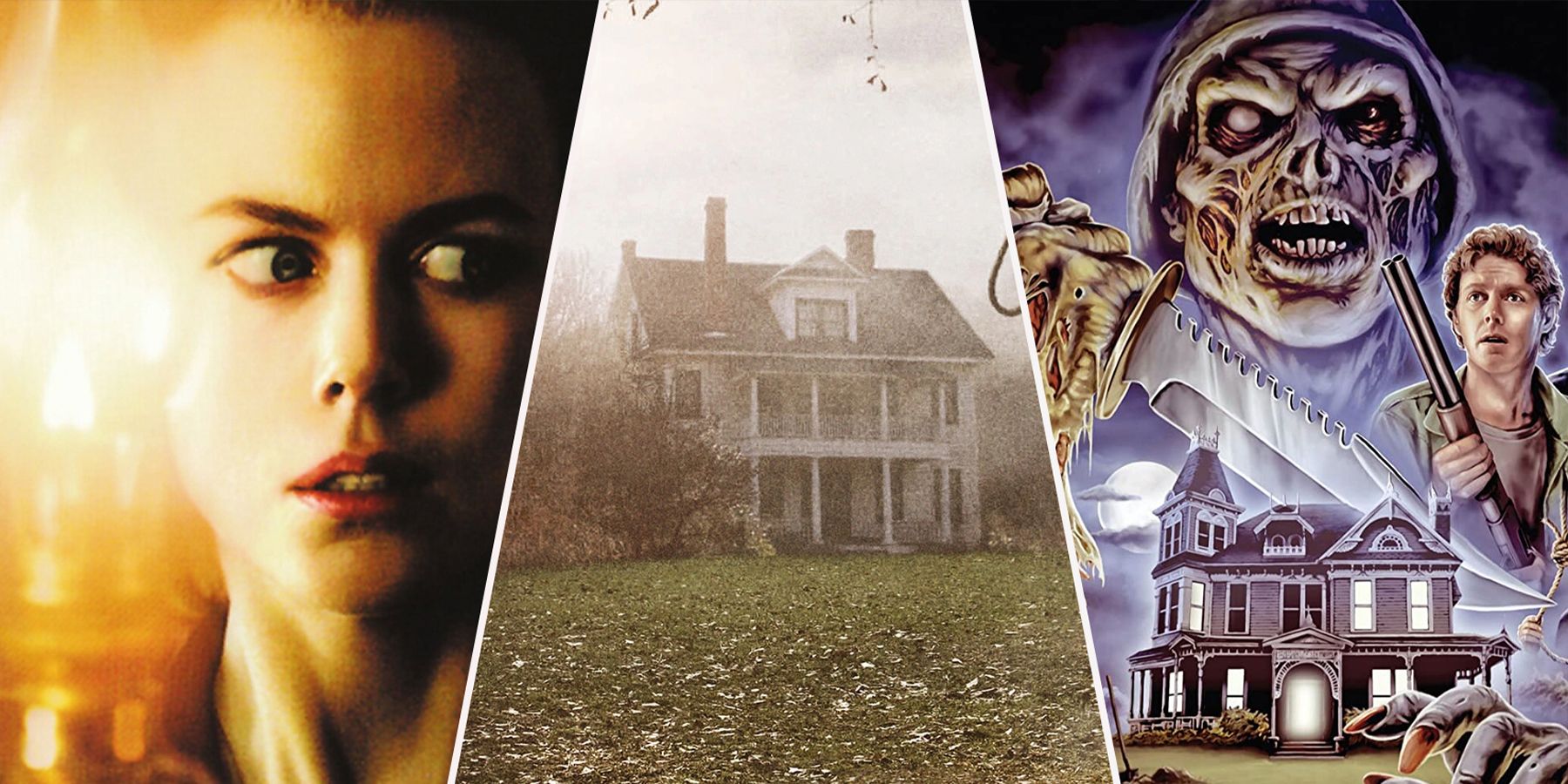
A horror movie summary is a concise narrative distillation that captures a film's premise, plot trajectory, and atmospheric tone. Whether written as a one-sentence logline, a one-page synopsis, or a detailed treatment, its primary goal is to communicate the source of fear, the stakes for the characters, and the unique hook that distinguishes the story within the genre.
Effective horror summaries do more than recount events; they translate the visceral experience of dread into prose. In 2026, the demand for high-quality horror content across streaming platforms and independent cinema has made the ability to summarize horror effectively a critical skill for screenwriters, marketers, and critics alike. Writing a summary that resonates requires a deep understanding of genre tropes, pacing, and the psychological levers that trigger fear in an audience.
The Strategic Importance of the Horror Movie Summary
The horror genre is uniquely dependent on "the hook"—the central conceit or monster that drives the narrative. A summary serves as the gateway to this hook. In the professional film industry, a summary is often the only thing a producer or executive reads before deciding whether to request a full script or view a screener.
Loglines vs. Synopses vs. Treatments
Understanding the different tiers of a horror movie summary is essential for any writer. Each serves a distinct purpose in the lifecycle of a film:
- The Logline: A single sentence (usually 25–50 words) that captures the protagonist, the inciting incident, the primary conflict, and the "ticking clock" or stakes. In horror, the logline must emphasize the antagonist or the supernatural force.
- The Short Synopsis: Typically one to three paragraphs (250–500 words). This format is often used for festival programs, streaming service descriptions, or press kits. It focuses on the setup and the rising action without necessarily spoiling the ending.
- The Long Synopsis/Treatment: A detailed breakdown (1–10 pages) that covers the entire three-act structure, including the climax and the resolution. This is used for internal development and pitching to financiers.
The Psychology of the "Scare" in Prose
A horror summary must evoke the same feeling as the film itself. If the movie is a "slow burn," the summary should use rhythmic, atmospheric language. If it is a "slasher," the summary should be punchy, violent, and fast-paced. As of 2026, industry standards place a high premium on "elevated horror" summaries that highlight thematic depth—such as grief, trauma, or social commentary—alongside the traditional scares.
Structural Components of a Professional Horror Summary
To write a summary that satisfies both creative and commercial requirements, you must follow a structural framework that mirrors the cinematic experience.
Establishing the Ordinary World and the "Inciting Dread"
Every horror summary must begin by grounding the reader in a specific reality. This is the "Ordinary World." You must introduce the protagonist and their vulnerability. For example, a summary for a haunted house film should not start with the ghost; it should start with the family's reason for moving into the house—perhaps a fractured marriage or a financial crisis.
The inciting incident in horror is often referred to as the "inciting dread." This is the moment the supernatural or antagonistic force first makes its presence known. In your summary, this must be clear and unavoidable. It is the point of no return for the characters.
Navigating the Second Act: The Escalation of Stakes
The middle section of your summary should detail the "Fun and Games" (in the parlance of Blake Snyder’s Save the Cat methodology) or, in the case of horror, the "Fear and Games." This is where the threats escalate.
- Internal vs. External Conflict: Ensure the summary mentions how the external threat (the monster) exacerbates the characters' internal struggles.
- The Midpoint: Describe a major shift where the characters go from being victims to trying to take proactive action, often leading to a disastrous realization.
The Climax: Dealing with the Reveal
In a professional synopsis intended for production, you must include the ending. The climax of a horror movie summary should describe the final confrontation. It should answer the question: Does the protagonist survive, and if so, at what cost? In 2026, "bleak" or "ambiguous" endings are highly marketable in the indie horror scene, so ensure the tone of the resolution matches the sub-genre expectations.
Writing for Different Horror Sub-genres
The language used in a horror movie summary must adapt to the specific sub-genre of the film. A "one size fits all" approach will fail to capture the nuances that fans and producers look for.
Psychological Horror: Summarizing the Unseen
When writing a summary for psychological horror, focus on the protagonist's deteriorating mental state. Use words like "unraveling," "hallucination," "paranoia," and "perception." The "monster" in these summaries is often an abstraction or a manifestation of guilt. The summary should leave the reader questioning what is real, mirroring the experience of the viewer.
Slasher and Splatter: Focus on the Antagonist
For slashers, the summary needs to emphasize the antagonist's "mythos" or unique gimmick. Is it a masked killer with a specific moral code? Is it an unstoppable force of nature? The summary should also highlight the "body count" or the creative nature of the threat. The pacing of the prose should be rapid to reflect the high-stakes pursuit.
Folk and Cosmic Horror: Conveying Scale and Tradition
Folk horror summaries require an emphasis on setting and isolation. Use descriptors that evoke ancient traditions, secluded communities, and the "uncanny" nature of the landscape. For cosmic horror (Lovecraftian), the summary must convey a sense of "existential insignificance." The threat should feel vast, ancient, and incomprehensible.
Comparison of Horror Summary Formats
The following table outlines the technical specifications for various summary types as utilized in the 2026 film industry.
| Summary Type | Ideal Word Count | Primary Audience | Objective | Spoilers Included? |
|---|---|---|---|---|
| Logline | 25–50 words | Agents, Producers | Hook the reader instantly | No |
| Elevator Pitch | 100–150 words | Executives, Investors | Convey tone and commercial viability | Usually No |
| Short Synopsis | 300–500 words | Press, Festivals, Viewers | Provide plot overview and atmosphere | No |
| Full Synopsis | 800–1,200 words | Directors, Lead Actors | Explain the complete narrative arc | Yes |
| Film Treatment | 2,500+ words | Production Designers, DP | Detailed visual and narrative roadmap | Yes |
Common Mistakes to Avoid in Horror Summarization
Even experienced writers can fall into traps that make their horror summaries feel generic or uninspired.
Over-reliance on Tropes
Avoid phrases like "All hell breaks loose" or "They thought they were safe." These are clichés that signal a lack of originality. Instead, describe the specific way the horror manifests. Instead of saying a character is "terrified," describe their physical reaction or the impossible choice they have to make.
Giving Away the Twist (and When to Do It)
If you are writing a summary for a public-facing platform (like a movie review site or a streaming blurb), never include the twist. However, if you are writing for a Writers Guild of America (WGA) registered script submission or a production company, you must include the twist. Hiding the ending from a producer is a common amateur mistake; they need to know if the ending is satisfying and "producible."
Neglecting the "Why Now?"
A common flaw in horror summaries is failing to explain why the horror is happening now. Why didn't the ghost haunt the previous owners? Why has the killer emerged after twenty years? A professional summary clarifies the "inciting incident" to ensure the logic of the story holds up under scrutiny.
Marketing the Horror: Using Tone and Atmosphere in Prose
In 2026, the "vibe" of a movie is often as important as the plot. When writing a horror movie summary, your word choice (diction) acts as your cinematography.
- Sensory Language: Don't just tell the story; describe the sounds, smells, and textures. Words like "viscous," "cacophonous," "stale," and "frigid" help build a sensory world in the reader's mind.
- Active Voice: Use the active voice to maintain momentum. "The creature stalks the hallway" is much more effective than "The hallway is being stalked by the creature."
- The "Stinger": End your summary with a "stinger"—a final sentence that leaves a lingering image or a haunting question. This ensures the summary stays with the reader long after they’ve finished reading.
Frequently Asked Questions
What is the difference between a horror movie summary and a horror movie review?
A horror movie summary is an objective (or narrative) account of the film's plot and themes, usually written by the creators or distributors. A review is a subjective evaluation of the film's quality, acting, and execution, written by a critic. While a summary explains what the movie is, a review explains how well the movie succeeded.
How do I write a summary for a horror movie that doesn't have a clear monster?
In "liminal" or "abstract" horror, focus on the environment and the psychological effect it has on the characters. Describe the "liminal spaces"—hallways that never end, rooms that change shape—and the feeling of being watched by an unseen presence. The "threat" in your summary becomes the environment itself.
Should I include the "jump scares" in my summary?
Generally, no. Jump scares are a technical cinematic device. In a summary, focus on the "dread" (the anticipation of the scare) rather than the "shock" (the scare itself). If a specific scare is central to the plot—such as a character seeing something they shouldn't—it can be mentioned, but don't list every "boo" moment.
How much back-story should be included in a summary?
Only include as much back-story as is necessary to understand the current conflict. If the protagonist's childhood trauma is the reason they are being targeted by a demon, mention it briefly. If it's just flavor text, leave it out. A horror summary should always prioritize the "here and now."
Is AI useful for writing horror movie summaries in 2026?
As of 2026, many writers use AI to generate first drafts of loglines or to check for pacing. However, AI often struggles with the "emotional subtext" and the "unsettling" nuances that make horror effective. Human editing is essential to ensure the tone isn't generic and that the summary feels truly disturbing.
Practical Recommendations for Your Next Summary
If you are currently tasked with writing a horror movie summary, begin by identifying your Primary Fear. Is the fear death, loss of identity, or the unknown? Once identified, ensure every paragraph of your summary reinforces that specific fear.
Next, determine your audience. If you are pitching to a studio, focus on the "marketability"—the unique monster and the target demographic. If you are writing for an audience, focus on the "mood"—the promise of a specific type of thrill. Finally, read your summary aloud. Horror is a rhythmic genre; if the summary feels clunky or mechanical when spoken, it will not succeed in building the necessary tension in the reader's mind.