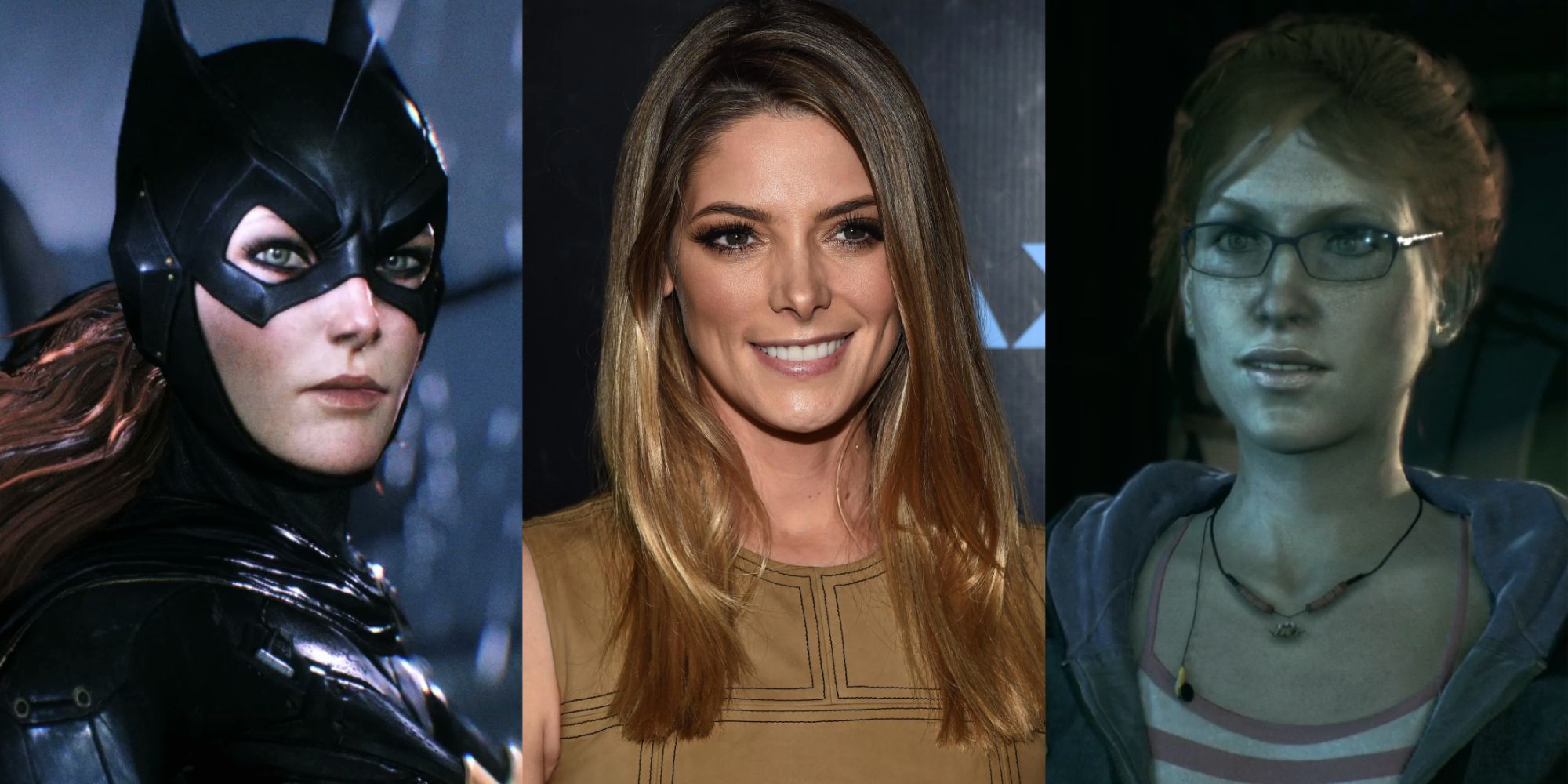
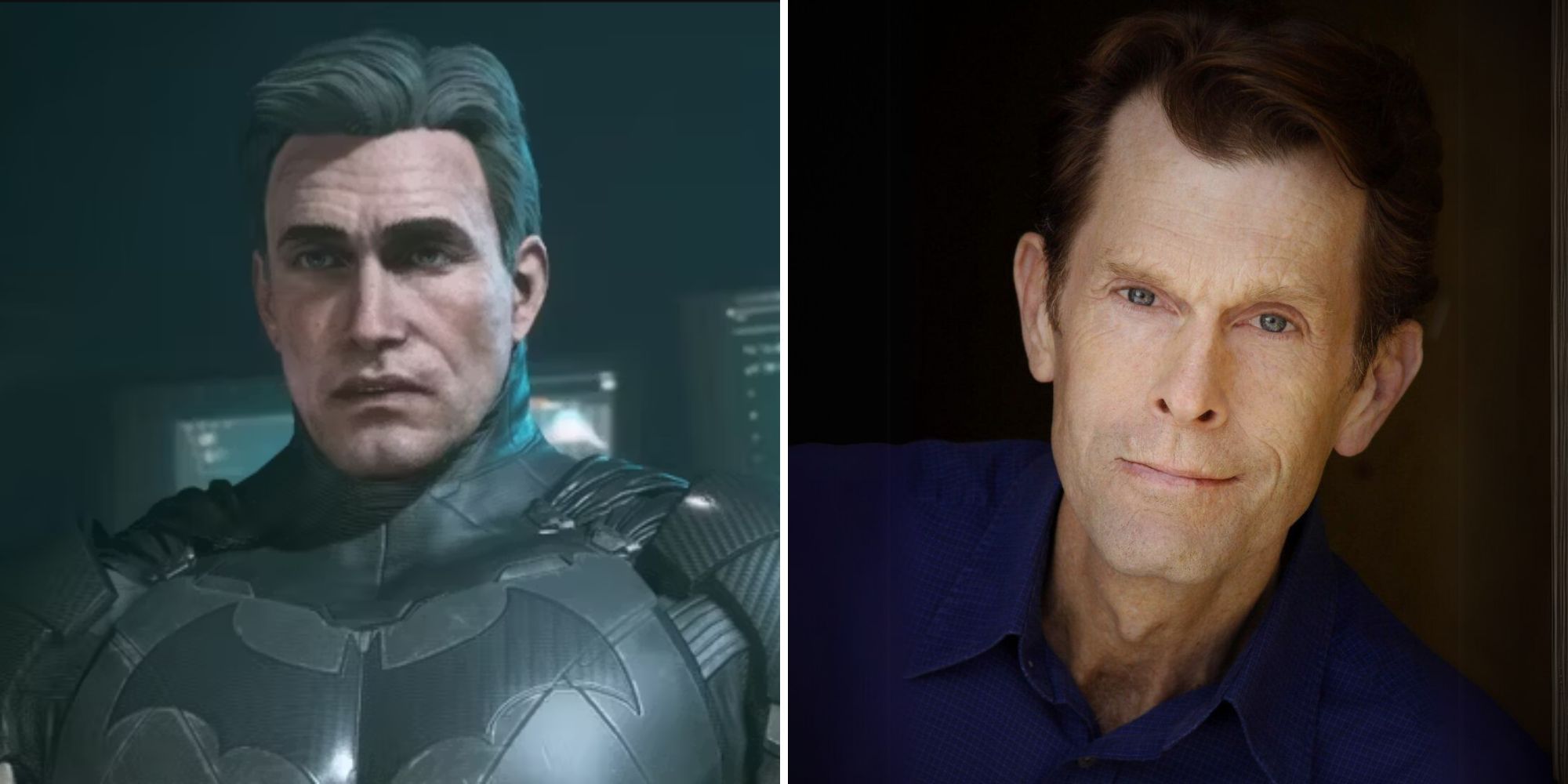
The primary voice actor for Batman in the Arkham series is the late Kevin Conroy, who voiced the character in Arkham Asylum, City, Knight, and Suicide Squad: Kill the Justice League. For the prequel title Batman: Arkham Origins and the VR entry Batman: Arkham Shadow, the role was voiced by Roger Craig Smith.
The "Arkhamverse," a term used to describe the gritty, interconnected universe established by Rocksteady Studios and WB Games Montréal, redefined how audiences perceive the Dark Knight. Central to this success was the vocal performance that grounded the character across a decade of storytelling. While several actors have donned the cowl in various media, the Arkham games are defined by two distinct voices that represent different eras of Bruce Wayne’s life. Understanding who these actors are, their technical approaches to the role, and the legacy they left behind is essential for any fan of the franchise.
The Definitive Batman: Kevin Conroy’s Arkham Legacy
For many fans, Kevin Conroy is not just a voice actor; he is the definitive voice of Batman. His journey with the character began long before the first Arkham game, specifically in the 1992 Batman: The Animated Series. However, the Arkham games allowed Conroy to explore a much darker, more mature, and physically taxed version of the Caped Crusader.
In Batman: Arkham Asylum (2009) and Batman: Arkham City (2011), Conroy brought a sense of weary authority to the role. Unlike the animated series, which had to adhere to broadcast standards, the games allowed for a more visceral performance. Conroy’s Batman in these titles is a man of few words, using a deep, gravelly resonance that commands respect and instills fear. His ability to distinguish between the "playboy" persona of Bruce Wayne and the "creature of the night" persona of Batman became a masterclass in vocal range.
By the time Batman: Arkham Knight was released in 2015, Conroy had refined the performance to reflect a Batman at his breaking point. The technical depth of his work in Knight is particularly noteworthy due to the increased use of facial motion capture. Conroy had to synchronize his vocal delivery with the nuanced facial expressions of the character model, ensuring that every grunt of pain or stoic command felt authentic to the high-fidelity visuals. Following his passing in late 2022, his final performance in the Arkhamverse was featured in Suicide Squad: Kill the Justice League (2024), marking the end of an era that spanned over thirty years.
The Prequel Shift: Roger Craig Smith and the Young Batman
In 2013, the franchise took a step back in time with Batman: Arkham Origins, developed by WB Games Montréal. Because the game focused on a younger, more hot-headed Bruce Wayne during his second year of crime-fighting, the developers opted for a different voice. Roger Craig Smith, known for his work as Ezio Auditore in Assassin’s Creed and Chris Redfield in Resident Evil, was cast to bring this less-refined Batman to life.
Smith’s task was daunting: he had to inhabit a role previously defined by Conroy while making it his own. His performance in Origins is characterized by a higher level of aggression and raw emotion. This Batman yells, he loses his temper, and he lacks the surgical composure seen in the later games. Smith used a slightly higher register than Conroy, punctuated by a rasp that suggested a man still figuring out how to weaponize his voice against the criminal underworld.
While some fans were initially skeptical of the change, Smith’s performance was eventually lauded for its intensity, particularly in his confrontations with Troy Baker’s Joker. Smith returned to the role for the 2024 VR title Batman: Arkham Shadow, which served as a mid-prequel set between Origins and Asylum. This return solidified Smith as the "official" voice for the younger Arkham Batman, providing a logical continuity to the character’s vocal aging process within the series timeline.
Technical Voice Acting in the Arkham Series
Voice acting in a AAA video game like the Arkham series involves much more than just standing in a booth and reading lines. It is a highly technical process that involves several layers of performance and engineering.
Booth Recording vs. Performance Capture
In the earlier games, recording was primarily "booth-based." Actors would record their lines individually, and the audio engineers would later mix them to sound like a conversation. However, for key cinematic moments, Rocksteady began utilizing more ensemble recordings to capture natural chemistry. Kevin Conroy and Mark Hamill (the Joker) famously preferred recording their lines together in the same room whenever possible to feed off each other's energy—a rarity in the gaming industry.
The Grunt Sessions
A significant part of the "Arkham Batman voice actor" job involves "efforts" or "grunts." These are the non-verbal sounds a character makes when punching, taking damage, or gliding. Both Conroy and Smith had to spend hours recording dozens of variations of these sounds to ensure that the gameplay felt responsive. These sessions are notoriously taxing on the vocal cords, requiring the actors to maintain the character's specific "Batman rasp" while exerting themselves physically in the booth.
Spatial Audio and Processing
From a technical standpoint, the voice you hear in the game is rarely the "raw" audio from the microphone. Sound designers apply various filters to Batman’s voice to account for the environment. If Batman is speaking through his comms link, a radio filter is applied. If he is in a large cavern like the Batcave, digital reverb is used to match the acoustics of the space. The voice actor must provide a "clean" and consistent performance so these technical layers can be applied effectively.
Comparative Overview of Arkham Batman Actors
The following table outlines the appearances and roles of the primary actors within the Arkhamverse as of 2026.
| Game Title | Voice Actor | Release Year | Character Context |
|---|---|---|---|
| Batman: Arkham Asylum | Kevin Conroy | 2009 | Prime Batman, mid-career. |
| Batman: Arkham City | Kevin Conroy | 2011 | Prime Batman, facing a city-wide crisis. |
| Batman: Arkham Origins | Roger Craig Smith | 2013 | Prequel; Year Two Batman, aggressive and raw. |
| Batman: Arkham Knight | Kevin Conroy | 2015 | Final Arkham trilogy chapter; peak exhaustion. |
| Batman: Arkham VR | Kevin Conroy | 2016 | Investigation-focused, psychological. |
| Suicide Squad: Kill the Justice League | Kevin Conroy | 2024 | Post-Arkham Knight; final performance. |
| Batman: Arkham Shadow | Roger Craig Smith | 2024 | VR Prequel; Bridge between Origins and Asylum. |
Supporting the Mask: The Importance of the Foil
A voice actor's performance is only as strong as their supporting cast. In the Arkham series, the vocal interplay between Batman and his rogues' gallery is what brings Gotham to life. The most notable partnership was between Kevin Conroy and Mark Hamill. Their relationship, spanning multiple decades, created a psychological depth that few games achieve.
In Arkham City, the ending—featuring a final exchange between the two—is considered one of the greatest moments in gaming history. Conroy’s stoic, grieving tone perfectly balanced Hamill’s chaotic, fading laughter. This chemistry was so vital that when Roger Craig Smith took over in Origins, he was paired with Troy Baker, who voiced a younger Joker. Baker carefully channeled Hamill’s energy while adding his own youthful spin, allowing Smith to play off a different kind of insanity. This demonstrates that "voicing Batman" in the Arkham series is as much about listening and reacting as it is about delivering lines.
The Evolution of the Batman Voice Post-2024
As we look at the franchise from the perspective of 2026, the vocal landscape has stabilized. With the release of Batman: Arkham Shadow in late 2024, it became clear that the Arkhamverse would continue to live on through prequels and VR experiences. Roger Craig Smith has effectively become the guardian of the role for future projects set in the character's early years.
However, the industry continues to honor Kevin Conroy's contribution. Modern sound engineering has allowed developers to preserve the "Conroy Sound" as the gold standard. While there is often debate about the use of AI in voice acting, the consensus among the Arkham community and the Conroy estate has largely been one of preservation and respect, focusing on the human performances already captured. The legacy of the Arkham Batman voice is now split between the nostalgic, authoritative history of Conroy and the energetic, evolving future of Smith.
Frequently Asked Questions
Why didn't Kevin Conroy voice Batman in Arkham Origins?
The developers, WB Games Montréal, wanted to portray a Batman who was younger and less experienced. They felt that Kevin Conroy’s voice carried a weight and maturity that didn't fit a version of Bruce Wayne who was still in his second year of fighting crime. Roger Craig Smith was cast to provide a more energetic, aggressive, and unrefined vocal performance suitable for a prequel.
Is Roger Craig Smith the permanent replacement for Batman?
In the context of the Arkhamverse, Roger Craig Smith is the voice for the "early years" of the character, as seen in Arkham Origins and Arkham Shadow. While he has voiced Batman in other media (such as Batman Ninja), he is not a "replacement" but rather a collaborator in the character's history. For other DC projects outside the Arkhamverse, actors like Jason O'Mara or Bruce Greenwood often step into the role.
What was Kevin Conroy’s final game as Batman?
Kevin Conroy’s final performance as the Arkham version of Batman was in Suicide Squad: Kill the Justice League, which was released in early 2024. Although he passed away in November 2022, he had completed his voice work and motion capture sessions for the game prior to his death. He also provided voices for Justice League: Crisis on Infinite Earths (an animated film) around the same time.
How did the Arkham games change Batman's voice?
Prior to the Arkham games, Batman's voice in media was often more heroic or "cartoonish." The Arkham series introduced a level of grit and realism that required the actors to use more vocal texture. This included more audible breathing, straining during combat, and a lower, more menacing whisper for "Predator" sequences. This technical evolution influenced almost all subsequent Batman media, including live-action portrayals.
Who voiced Batman in the Arkham Knight DLCs?
Kevin Conroy voiced Batman in all the story DLCs for Arkham Knight, including The Season of Infamy. Even in the smaller challenge maps and story expansions where you might play as other characters (like Robin or Nightwing), any voice lines for Batman were recorded by Conroy during the main production of the game.
Recommendation for Fans
If you are interested in the evolution of the Batman voice, the best next step is to play the games in release order rather than chronological order. Start with Arkham Asylum to hear Kevin Conroy at his peak, then experience Roger Craig Smith’s take in Arkham Origins to appreciate the contrast in their performances. Watching the "Behind the Scenes" features included in the Return to Arkham collection provides excellent technical insight into how these actors approached the psychological aspects of the role. For those with VR capabilities, Batman: Arkham Shadow is an essential 2024 addition that showcases how the vocal legacy continues to adapt to new technology.