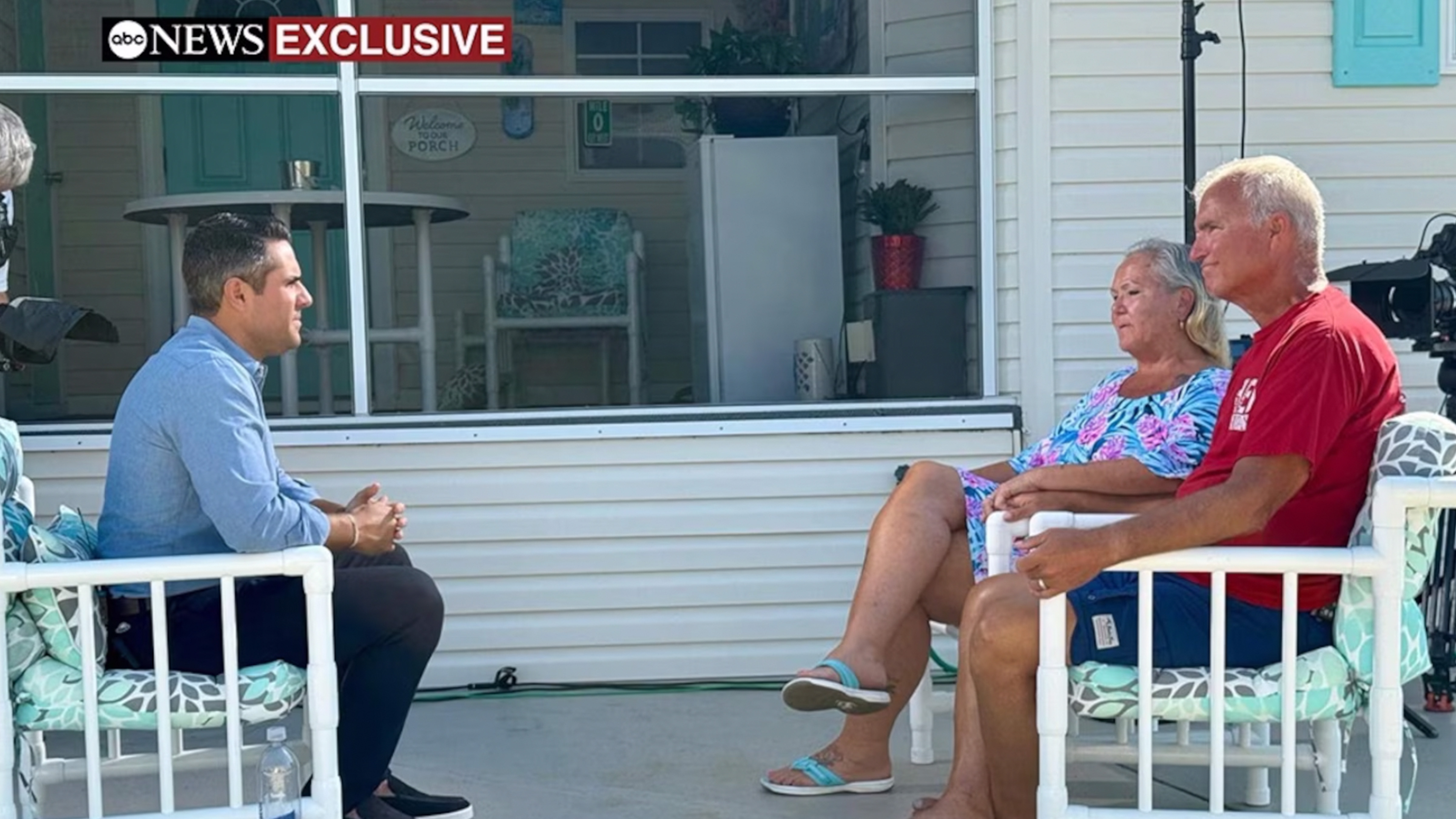
The phrase "Anna Kepner stepmother" surfaces in online searches, reflecting public interest in personal profiles, biographical details, and family relationships associated with figures discussed in digital media. Navigating these search queries requires separating verified public records from unverified speculation, understanding the context of modern biographical research, and examining how personal relationships are portrayed across online platforms.
Understanding the Search Intent Behind Biographical Queries
When users search for terms involving specific individuals and family roles, such as an "Anna Kepner stepmother" query, their intent generally falls into a few distinct categories. Some readers seek to verify biographical facts, while others look for news stories, social media profiles, or specific details mentioned in viral posts or digital commentary.
In the digital landscape, names associated with family titles frequently trend due to public interest in lifestyle content, creator culture, or personal profiles shared across social networks. Understanding the boundaries of public versus private information is essential when evaluating these queries. Many individuals who appear in search engine autocomplete suggestions are private citizens or family members of public figures who maintain limited public profiles, meaning that verifiable details are often scarce outside of official public records or direct, authorized statements.
The Role of Social Media in Modern Biographical Searches
Platforms like TikTok, Instagram, YouTube, and X (formerly Twitter) heavily influence search trends. Content creators often share glimpses of their family lives, including dynamics involving stepchildren, blended families, and parental figures.
- Narrative Framing: Social media content is frequently edited for engagement, presenting specific angles of complex family relationships.
- Algorithm Amplification: Viral clips or trending audio clips can propel names into search engine suggestions even if the underlying context is minor or localized.
- Attribution Gaps: Distinguishing between scripted entertainment, personal vlogs, and factual biographical reporting can be challenging for casual observers.
Evaluating Public Records and Documented Information
When researching individuals who feature in online discussions, relying on verifiable sources is critical to separating fact from rumor. Unlike public figures who hold elected office or major corporate positions, private individuals have legal and ethical expectations of privacy regarding their family structures.
| Information Category | Typical Source Reliability | Common Pitfalls to Avoid |
|---|---|---|
| Official Public Records | High (Government databases, court filings, vital statistics) | Outdated information, homonyms, or restricted access due to privacy laws. |
| Mainstream Journalism | Moderate to High (Verified news outlets, editor-reviewed publications) | Sensationalized headlines or reliance on unverified social media chatter. |
| Social Media & Blogs | Low to Moderate (Personal accounts, fan pages, commentary sites) | Fabricated stories, misattributed quotes, and targeted harassment. |
Privacy Standards and Ethical Considerations
In contemporary media consumption, readers and researchers must navigate the line between public curiosity and individual privacy rights. Major search engines and web platforms have established policies regarding personal data, doxxing, and harassment. When a search query points toward a private family member, professional journalism standards dictate that speculation should not be presented as fact.
Blended family dynamics, including the roles of stepmothers, stepfathers, and stepchildren, are deeply personal. Public commentary often misinterprets legal guardianships, custody arrangements, or familial titles, leading to widespread misinformation across unverified forums and content-aggregation websites.
Common Misconceptions in Family-Related Digital Searches
Digital searches involving family roles frequently suffer from systemic misunderstandings. Recognizing these common pitfalls helps maintain analytical clarity when evaluating online profiles.
- Title Misattribution: Terms like "stepmother" or "stepfather" are sometimes used colloquially or incorrectly in viral posts to generate dramatic tension or emotional engagement.
- Identity Confusion: Common names frequently lead to search engine mix-ups, where details pertaining to one individual are incorrectly attributed to another person sharing the same name.
- Out-of-Context Media: Photos or videos taken years prior are often recirculated with new, unverified captions to fit a trending online narrative.
How to Verify Information Responsibly
For readers seeking accurate details regarding names and biographical queries appearing in search trends, adhering to a structured verification process prevents the spread of misinformation.
- Check Primary Sources: Look for statements directly from verified accounts or official documentation rather than third-party rumor mills.
- Assess the Publisher: Evaluate whether the website publishing the claim maintains journalistic standards, corrections policies, and transparent authorship.
- Beware of Clickbait: Headlines designed to provoke emotional reactions ("You won't believe what happened next") almost invariably lack substantive factual backing.
Frequently Asked Questions
What does the search query "Anna Kepner stepmother" refer to?
This search query typically stems from online discussions, social media trends, or digital content exploring family relationships and personal profiles. Because specific details can vary widely across different online platforms, verifying claims requires looking at primary sources rather than unverified commentary.
Are all details found in online biographical searches accurate?
No. Online search trends and autocomplete suggestions are driven by user activity rather than factual verification. Social media posts, rumor blogs, and unmoderated forums frequently contain speculation, misattributed quotes, or entirely fabricated narratives about private individuals.
How can I distinguish between verified news and social media rumors?
Verified news adheres to journalistic standards, including independent fact-checking, named sources, and correction policies. In contrast, rumors on social media often rely on anonymous sources, emotional appeals, and sensationalized headlines designed to maximize engagement.
Why do private family members appear in search engine trends?
Algorithms prioritize terms based on search volume and user engagement. If a specific name or familial title is mentioned in a viral video, blog post, or forum discussion, it can quickly trigger algorithmic suggestions even if the underlying subject is a private citizen.
What are the privacy implications of searching for individuals online?
While public records are accessible, searching for and sharing details about private individuals or family members can cross ethical boundaries. Respecting personal privacy and avoiding the amplification of unverified gossip helps maintain digital safety standards.
Recommended Next Actions
When encountering ambiguous search queries or trending digital profiles, readers should exercise critical thinking and prioritize verified journalistic reporting. Avoid engaging with or sharing unverified claims on social media platforms, and rely on established news organizations for accurate, contextualized information regarding public figures and contemporary media trends.