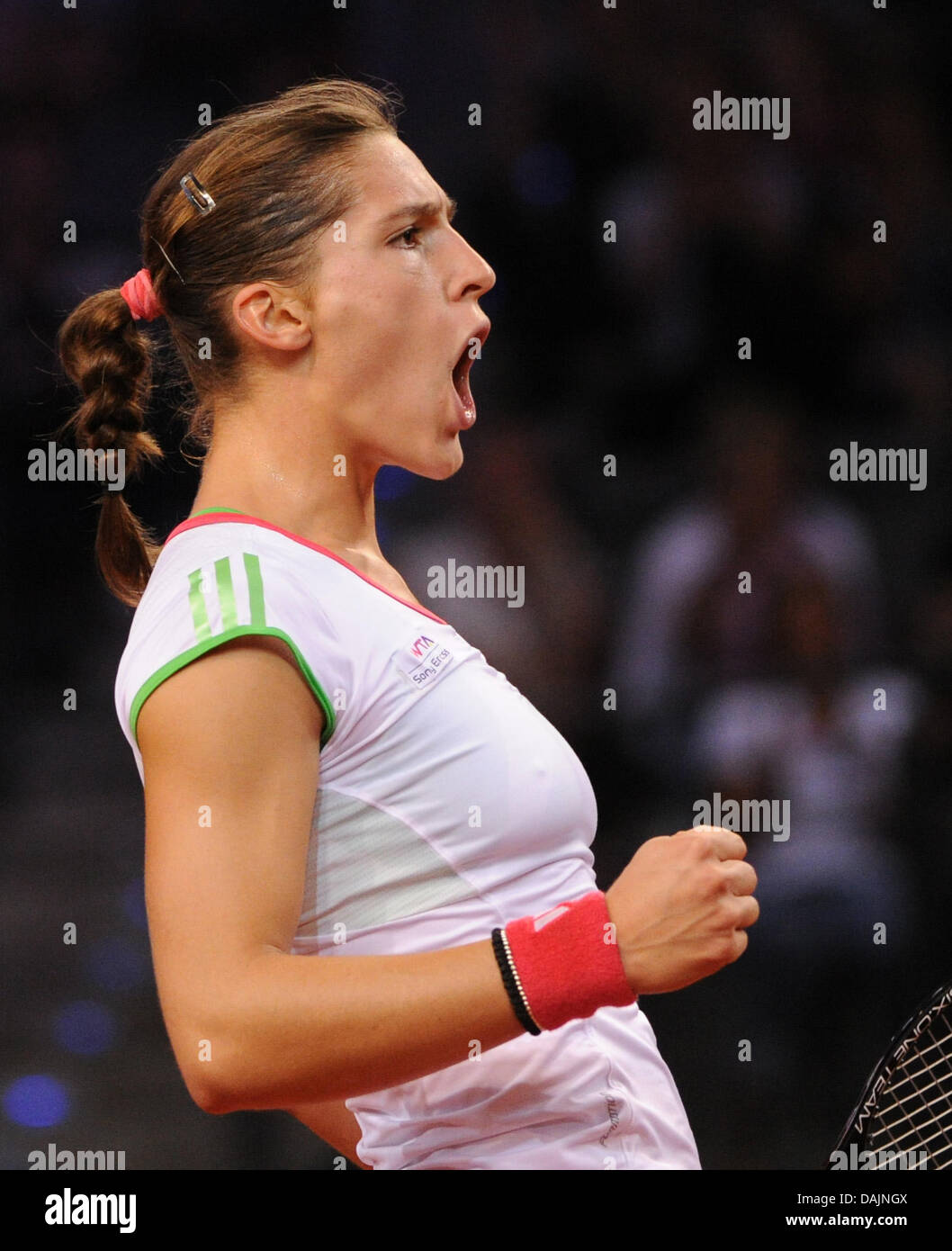
The name "Andrea" in the context of tennis most prominently evokes professional players who have made notable impacts on the international stage, such as Andrea Petkovic, the former top-10 German player known for her analytical insights and charismatic court presence, or Andrea Jaeger, the prodigious American talent of the 1980s. Understanding these athletes requires a close examination of their competitive achievements, tactical approaches, training regimens, and enduring legacies within the sport.
Introduction and Disambiguation in Professional Tennis
When searching for "Andrea the tennis player," enthusiasts and sports researchers typically encounter historical and modern figures who shaped the sport in distinct eras. Because multiple notable competitors share the first name Andrea, precision is vital to understand their respective contributions.
The two most prominent figures bearing this name in tennis history are:
- Andrea Jaeger: An American former World No. 2 professional player who reached two Grand Slam singles finals and later dedicated her life to philanthropy and humanitarian work.
- Andrea Petkovic: A German former World No. 9 player, multi-time Women's Tennis Association (WTA) singles title winner, and respected tennis broadcaster and author.
This profile explores the defining characteristics, career milestones, and tactical foundations associated with these athletes, providing a thorough perspective on their influence on the game.
Historical Context: The Impact of Andrea Jaeger
Early Career and Meteoric Rise
Andrea Jaeger burst onto the professional tennis scene in the late 1970s and early 1980s with an aggressive baseline game and exceptional court coverage. Turning professional at a young age, Jaeger quickly established herself as a formidable force against established champions of the era, including Chris Evert and Martina Navratilova.
Her tactical profile was defined by exceptional consistency, precision, and an aggressive two-handed backhand that neutralized opponents' serves. Jaeger reached the final of the French Open in 1982 and Wimbledon in 1983, cementing her status among the elite tier of women's tennis during a highly competitive golden era of the sport.
Transition Away from Professional Sports
Despite her immense success on the court, shoulder injuries prompted Jaeger to transition away from competitive tennis prematurely. Rather than remaining in the traditional sports ecosystem, she redirected her dedication toward charitable initiatives. She founded the Little Angels Foundation, supporting children facing cancer and other life-threatening illnesses, demonstrating that an athlete's impact extends far beyond tournament trophies.
Modern Era Excellence: The Career of Andrea Petkovic
Breakthrough and Playing Style
Shifting to the 21st century, Andrea Petkovic represents a modern archetype of the professional tennis player—combining intellectual depth with athletic rigor. Reaching a career-high ranking of World No. 9 in 2011, Petkovic earned victories over numerous Grand Slam champions and captured multiple WTA singles titles across hard courts, clay, and grass.
Petkovic’s playing style relied on a heavy topspin forehand, strategic variety, and exceptional court movement. Uniquely analytical, she often deconstructed matches through biomechanical and tactical lenses, utilizing her high tennis IQ to outmaneuver power hitters. Her signature celebration—the "Petko Dance"—became a fan-favorite trademark during her peak years on the WTA Tour.
Resilience and Career Longevity
Petkovic’s career was notably characterized by resilience. She overcame a series of severe injuries—including stress fractures in her back and ankle ligament tears—that threatened to prematurely end her time on the professional tour. Through rigorous rehabilitation, sports science adaptation, and mental fortitude, she continually fought her way back into the top tier of international rankings.
Comparative Overview of Major Career Milestones
| Athlete | Peak Ranking | Grand Slam Best Result | Notable Playing Characteristics | Post-Playing Endeavors |
|---|---|---|---|---|
| Andrea Jaeger | World No. 2 | Runner-up (French Open 1982, Wimbledon 1983) | Exceptional baseline consistency, precise two-handed backhand, excellent court coverage. | Philanthropy, founding the Little Angels Foundation, nursing. |
| Andrea Petkovic | World No. 9 | Quarterfinalist (Australian Open, French Open, US Open) | Heavy topspin forehand, strategic variety, high tennis IQ, tactical versatility. | Sports broadcasting, journalism, authoring fiction and non-fiction. |
Technical and Tactical Analysis of Elite Play
Succeeding at the professional level requires more than raw power; it demands a mastery of biomechanics, tactical adaptation, and physical conditioning. Analyzing players like Petkovic and Jaeger highlights several core components essential for high-level tennis performance.
1. Biomechanical Efficiency
Modern tennis demands kinetic chain efficiency—generating power from the ground up through the legs, rotating through the core, and transferring energy through the shoulder and arm into the racquet. Both athletes exemplified clean stroke production, minimizing injury risk while maximizing ball speed and directional control.
2. Tactical Flexibility
Adapting to different court surfaces (clay, grass, and hard courts) requires distinct tactical adjustments:
- Clay Courts: Require sliding proficiency, patience in rallies, and heavy topspin to exploit high bounces.
- Grass Courts: Demand lower center of gravity, slice utilization, and quick transitions to the net.
- Hard Courts: Favor flat or moderately topped groundstrokes with emphasis on first-strike tennis and baseline control.
Frequently Asked Questions
Who is the most famous tennis player named Andrea?
The two most prominent tennis players with this name are Andrea Jaeger, a former World No. 2 American star from the early 1980s, and Andrea Petkovic, a former World No. 9 German player and multi-time WTA title winner who played into the 2020s.
What was Andrea Petkovic's highest career ranking?
Andrea Petkovic reached a career-high singles ranking of World No. 9 in October 2011, following a stellar season that included reaching the quarterfinals of three Grand Slam tournaments.
Did Andrea Jaeger win any Grand Slam titles?
While Andrea Jaeger did not win a Grand Slam singles title, she reached two Grand Slam singles finals (the French Open in 1982 and Wimbledon in 1983) and won a Grand Slam mixed doubles title at the 1981 French Open alongside Jimmy Arias.
What is Andrea Petkovic doing now?
Following her retirement from professional tennis, Andrea Petkovic has established a successful career in media, working as a tennis broadcaster, analyst, and journalist, as well as authoring books.
How did injuries impact Andrea Petkovic's career?
Petkovic faced multiple major injuries, including back stress fractures and ankle issues, which caused significant ranking drops. However, her dedication to rehabilitation allowed her to stage multiple successful comebacks into the upper echelons of the sport.
Conclusion and Next Actions
For sports fans, historians, and aspiring athletes studying the evolution of professional tennis, examining the careers of players named Andrea offers valuable lessons in tactical intelligence, physical resilience, and life beyond competitive sports. To explore further, review official Women's Tennis Association (WTA) historical archives or read autobiographical and journalistic works written by former tour competitors for firsthand insights into professional sports life.