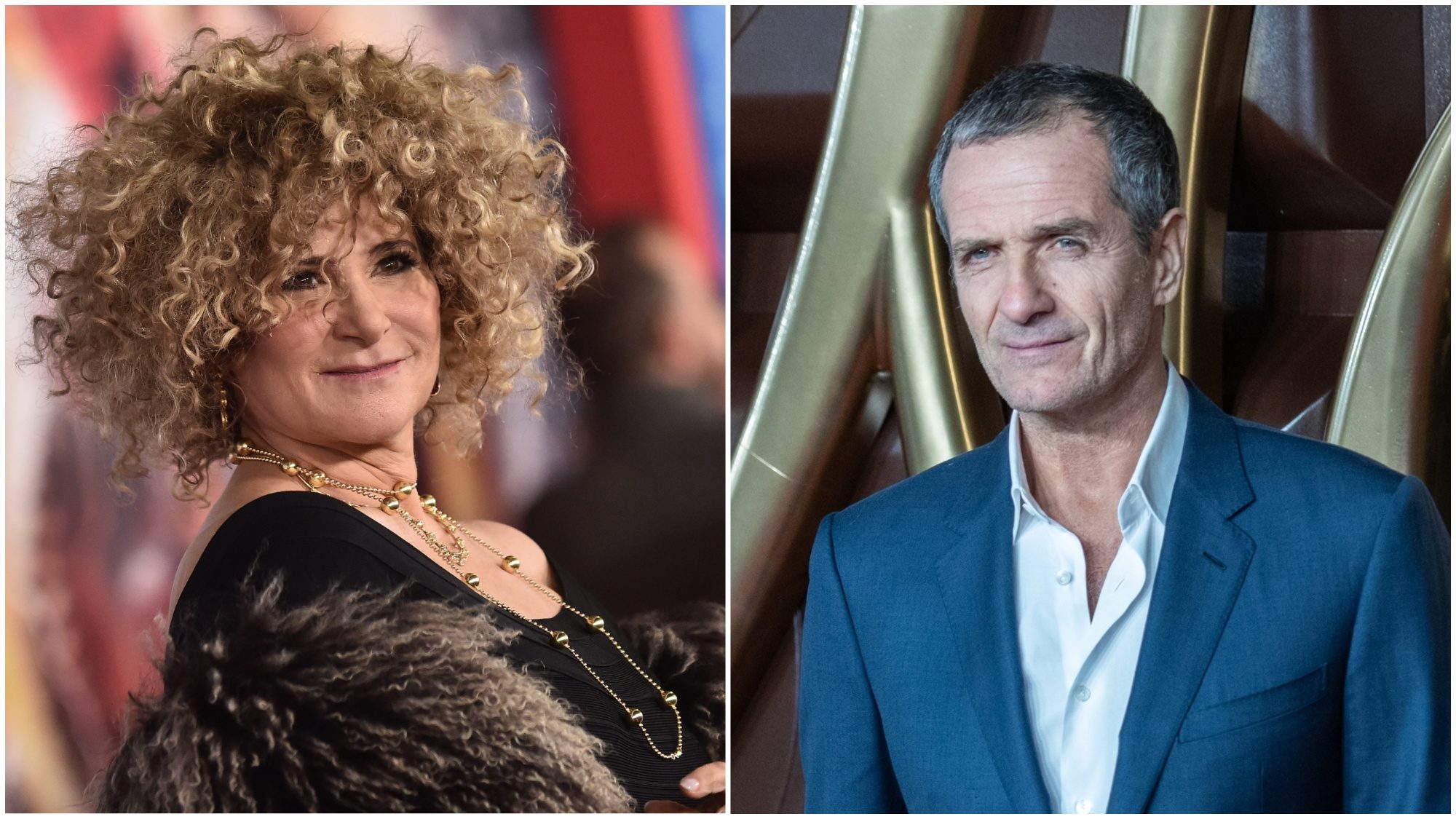
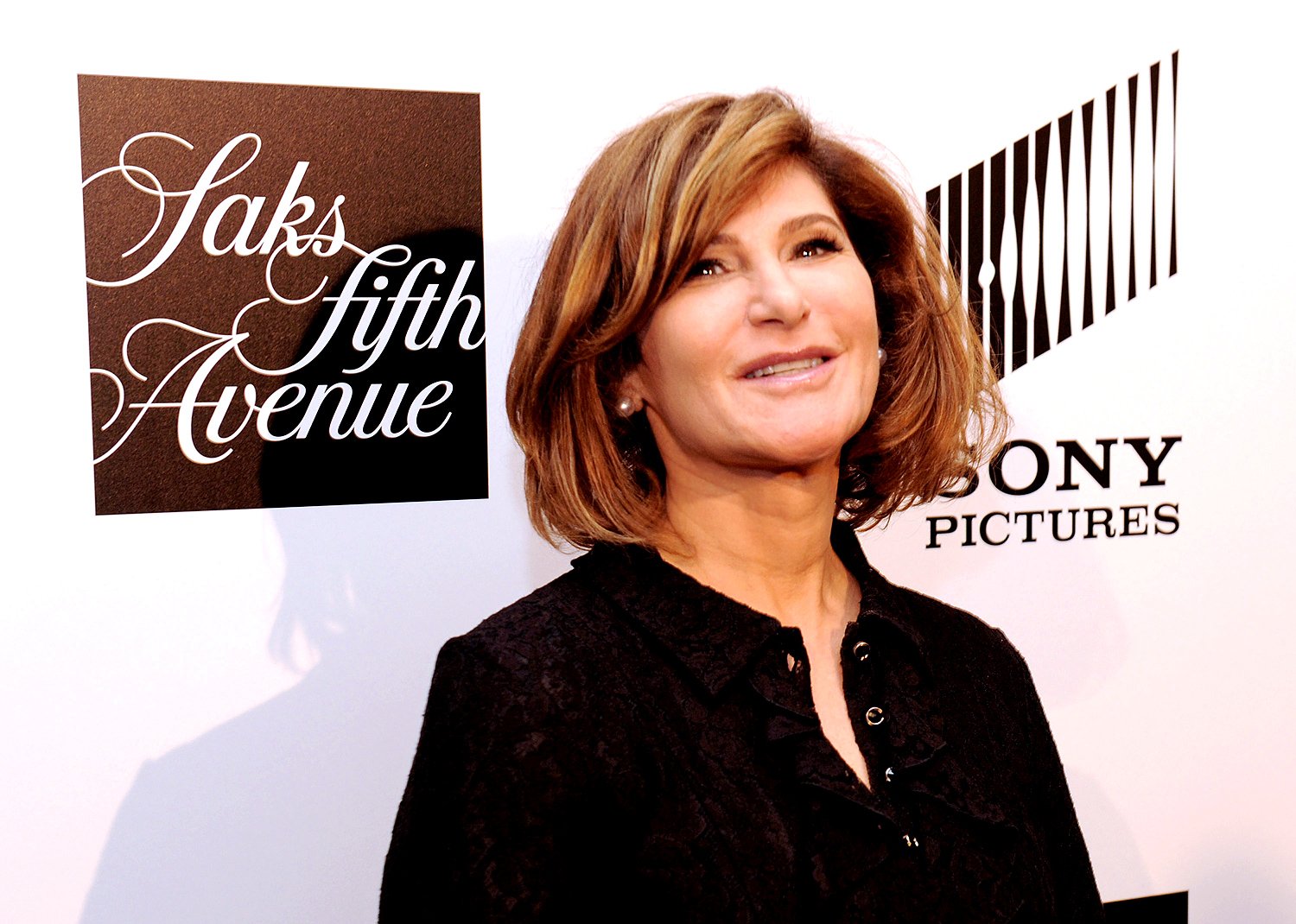
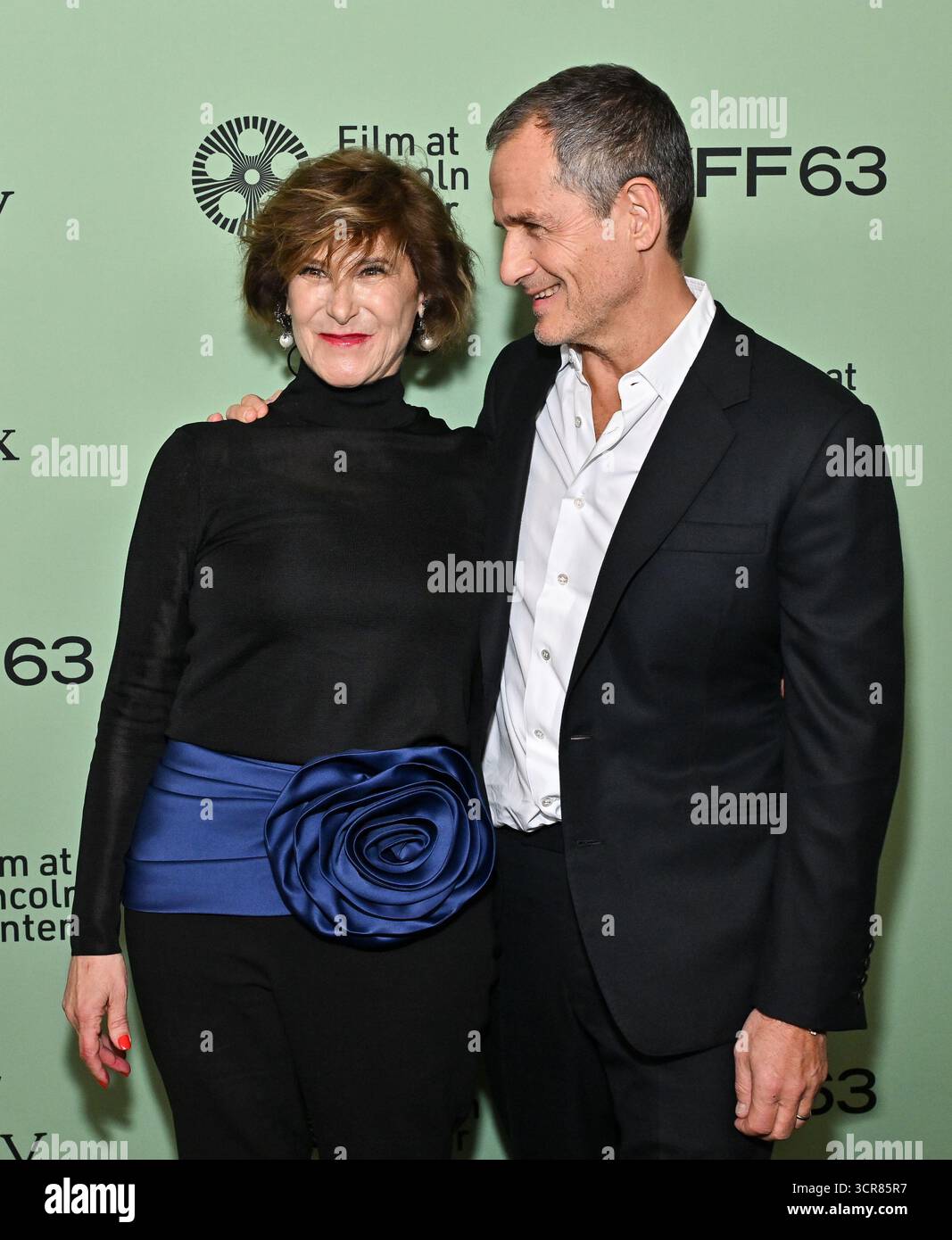
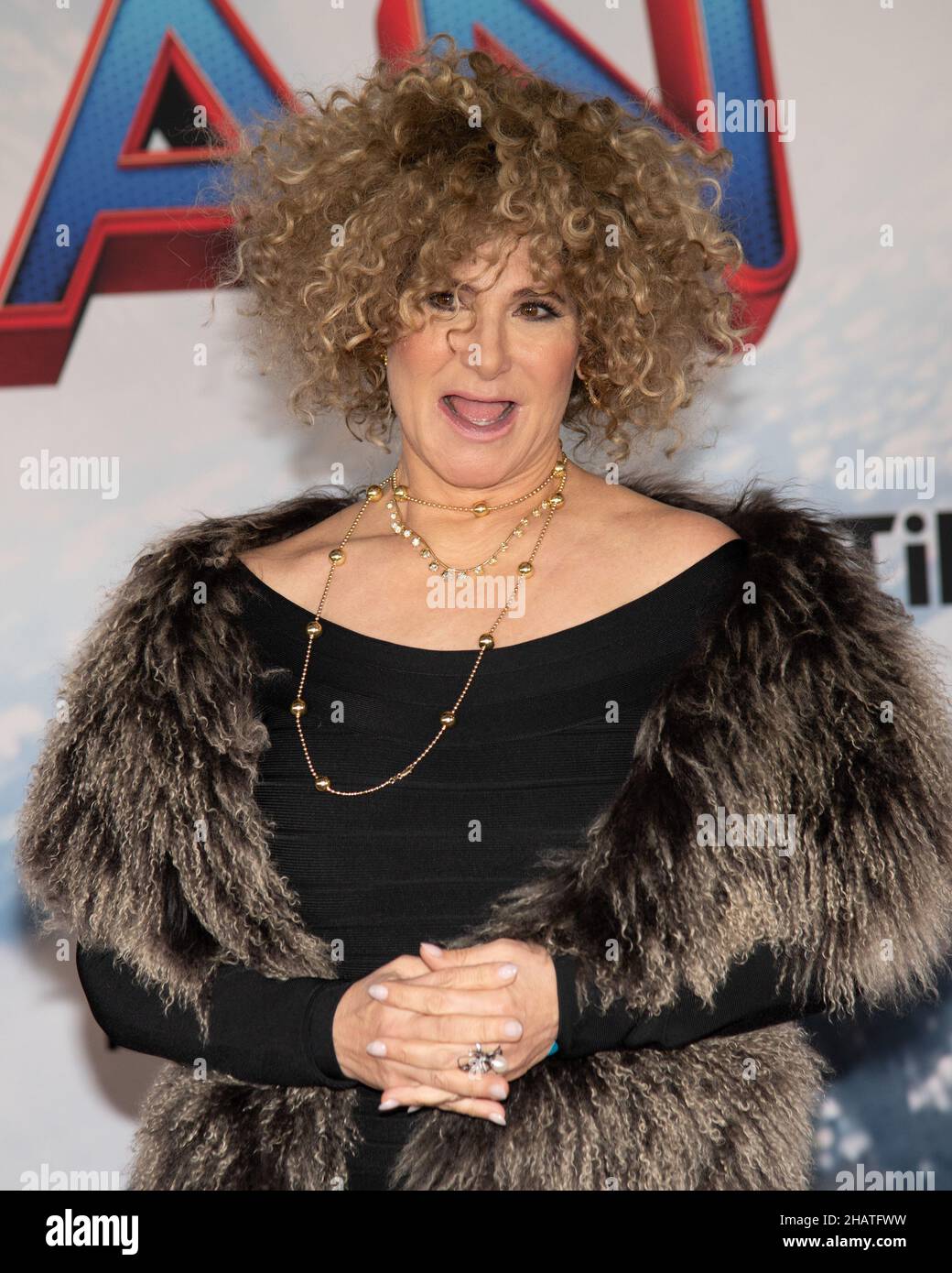
Amy Pascal stands as one of the most influential and enduring figures in modern Hollywood, having shaped the landscape of commercial cinema, superhero franchises, and critically acclaimed prestige pictures over a career spanning several decades. As the former chairperson of Sony Pictures Entertainment's Motion Picture Group and the founder of Pascal Pictures, her production slate ranges from blockbuster Spider-Man adaptations to academy-award-winning animated features and provocative dramas. Understanding her extensive filmography requires examining her executive tenure, her transition to an independent producer, and the specific creative properties that define her cinematic legacy.
Introduction to Amy Pascal and Her Impact on Modern Cinema
Amy Pascal’s career trajectory is unique in contemporary Hollywood, bridging the gap between high-level studio executive management and hands-on creative producing. Entering the industry through the executive ranks at companies like Columbia Pictures, 20th Century Fox, and eventually leading Sony Pictures, she oversaw greenlighting strategies for dozens of blockbuster franchises and independent-leaning projects alike. After stepping down as studio chief, she transitioned into a producer role through her banner, Pascal Pictures, maintaining a vital partnership with Sony while expanding her creative reach. Her portfolio spans massive intellectual property management, high-profile auteur collaborations, and groundbreaking animation, establishing her as a central architect of 21st-century studio filmmaking.
Executive Tenure Versus Independent Producing: A Career Overview
To fully understand the movies associated with Amy Pascal, it is essential to distinguish between the films she oversaw as a corporate studio executive and the projects she actively produces under her own banner. Her career falls into two distinct yet overlapping chapters.
| Studio Executive Era (Sony/Columbia Pictures) | Independent Producer Era (Pascal Pictures) |
|---|---|
| - Broad oversight of studio slates | - Direct, hands-on creative collaboration with filmmakers |
| - Greenlighting major franchises | - Co-production arrangements with major studios (e.g., Sony, Universal) |
| - Managing studio finances and corporate risk | - Examples: Spider-Man: Into the Spider-Verse, Little Women |
| - Examples: Sam Raimi's Spider-Man trilogy, The Social Network, Casino Royale, Moneyball |
The Columbia Pictures and Sony Executive Years
During her tenure running Sony Pictures' motion picture division, Pascal managed the day-to-day operations of greenlighting, marketing, and distributing hundreds of films. This era was characterized by a mix of high-risk commercial bets and prestige auteur projects. She championed films that combined commercial viability with critical acclaim, navigating shifting industry trends toward intellectual property and cinematic universes. Her executive oversight laid the groundwork for Sony's modern franchise strategies, particularly in reviving dormant brands and establishing long-term filmmaker relationships with directors like David Fincher, Paul Greengrass, and Quentin Tarantino.
The Launch of Pascal Pictures
Following her departure from the executive suite, Pascal established Pascal Pictures, shifting her professional focus from corporate resource allocation to individual project development. This transition allowed her to work directly in the trenches of physical production, script development, and talent packaging. Pascal Pictures secured a first-look deal with Sony Pictures, ensuring her continued involvement with the studio's crown jewel properties while granting her the autonomy to pursue distinct, character-driven stories and boundary-pushing animated features.
Landmark Superhero Franchises and Intellectual Property
No discussion of Amy Pascal's filmography is complete without examining her deep involvement with the Spider-Man intellectual property. Her stewardship of Marvel characters at Sony spans multiple cinematic iterations, creative reboots, and historical corporate milestones.
The Sam Raimi Spider-Man Trilogy
As a studio executive, Pascal championed the 2002 Spider-Man directed by Sam Raimi, a project that predated the modern interconnected cinematic universe era and proved that comic book adaptations could achieve massive box-office success while retaining emotional resonance. She oversaw the production of Spider-Man (2002), Spider-Man 2 (2004), and Spider-Man 3 (2007). These films established technical milestones in visual effects and set commercial benchmarks for the industry, navigating complex studio notes, talent management, and soaring production budgets.
Rebooting and Integrating: The Amazing Spider-Man and MCU Partnership
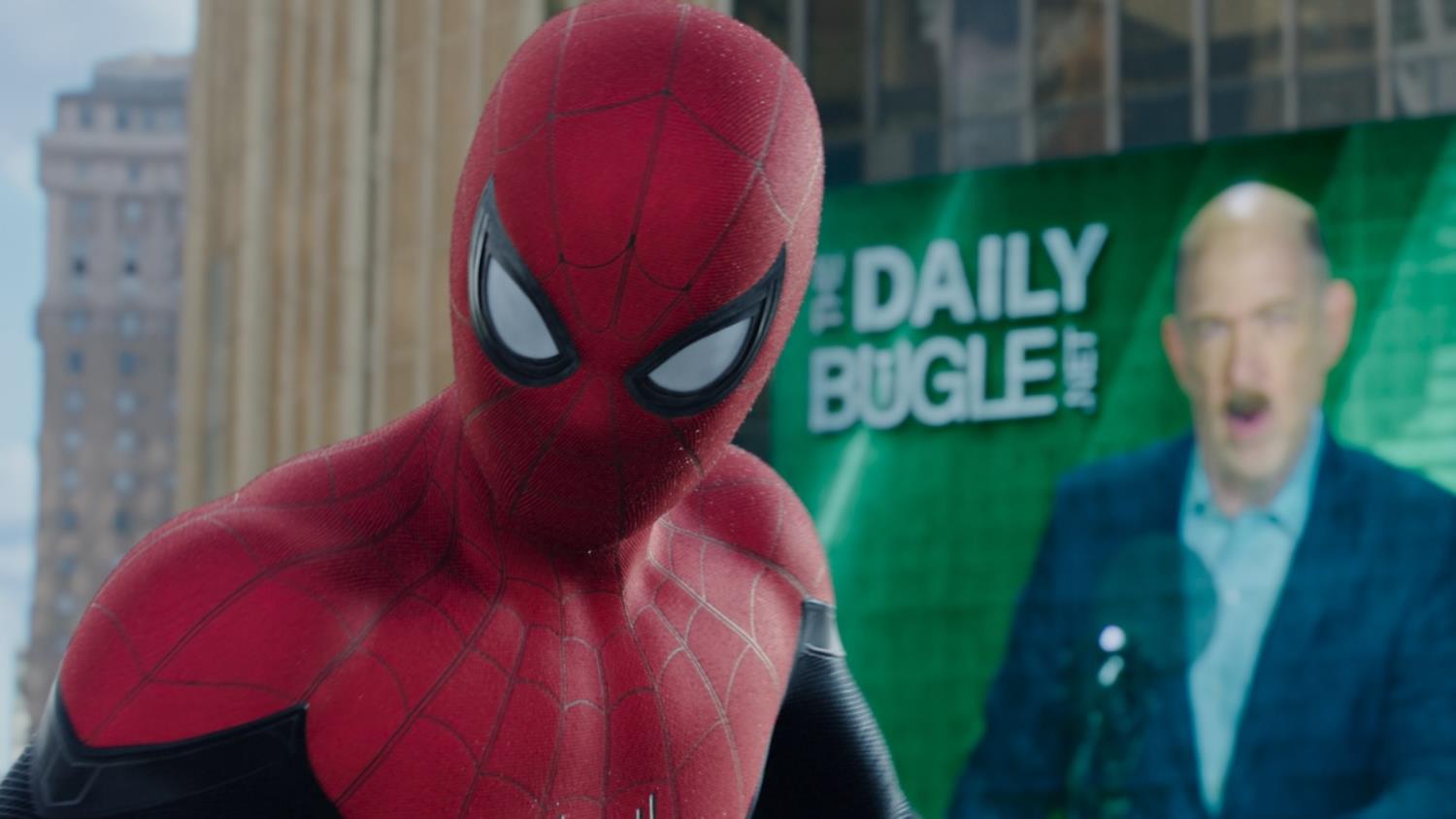
Following the conclusion of Raimi's trilogy, Pascal managed subsequent iterations of the web-slinger. She oversaw The Amazing Spider-Man (2012) and its sequel (The Amazing Spider-Man 2 [2014]) starring Andrew Garfield. When those films underperformed relative to aggressive studio expectations, Pascal executed one of the most unprecedented corporate maneuvers in modern film history: negotiating a landmark deal with Marvel Studios President Kevin Feige and Disney. This agreement allowed the Spider-Man character to enter the Marvel Cinematic Universe (MCU), starting with Tom Holland's introduction in Captain America: Civil War (2016) and continuing through the standalone trilogy (Spider-Man: Homecoming [2017], Spider-Man: Far From Home [2019], and Spider-Man: No Way Home [2021]). As a producer under Pascal Pictures, she co-produced these MCU crossover hits alongside Feige, balancing Sony's ownership rights with Marvel's creative formula.
Expanding the Sony Spider-Man Universe
Beyond Peter Parker, Pascal has played a pivotal role in expanding Sony's catalog of Marvel-licensed characters into a broader shared universe. She has produced and guided spin-off films and villain-centric properties, including:
- Venom (2018) and its sequels, which proved the commercial viability of anti-hero standalone features.
- Morbius (2022) and Madame Web (2024), exploring secondary tiers of comic lore.
- Live-action ensemble and character expansions designed to maximize the library of available intellectual property.
Revolutionary Animation: The Spider-Verse Trilogy
Perhaps the most universally acclaimed portion of Pascal's independent producing career is her work on the animated Spider-Verse films. Co-produced alongside Phil Lord, Christopher Miller, Avi Arad, and Christina Steinberg, these films redefined aesthetic boundaries for major studio animation.
Spider-Man: Into the Spider-Verse (2018)
Spider-Man: Into the Spider-Verse combined computer-generated imagery with traditional hand-drawn comic book techniques, creating a visual lexicon that influenced the entire animation industry. Pascal championed the project's daring stylistic choices and diverse protagonist, Miles Morales. The film won the Academy Award for Best Animated Feature, proving that comic book cinema could achieve artistic heights through innovative visual storytelling.
Spider-Man: Across the Spider-Verse (2023)
Continuing the narrative, Spider-Man: Across the Spider-Verse expanded the multiverse concept with intricate animation styles for distinct dimensions, deepening the emotional stakes for Miles Morales and Gwen Stacy. The film received widespread critical acclaim and massive commercial success, cementing Pascal's reputation as a producer capable of supporting bold, director-driven visions within a commercial framework.
Prestige Drama, Comedy, and Auteur Collaborations
While superhero cinema dominates public awareness of her catalog, Pascal's career encompasses a wide array of genres, reflecting a commitment to prestige filmmaking, literary adaptations, and adult-skewing dramas.
Literary Adaptations and Period Dramas
Pascal has frequently collaborated with veteran filmmakers to bring classic and contemporary literature to the screen. A prime example is Greta Gerwig’s adaptation of Little Women (2019). Pascal recognized the viability of a fresh, nonlinear retelling of Louisa May Alcott's classic novel, securing top-tier talent and steering the production to critical acclaim and multiple Academy Award nominations. Similarly, her executive career featured prestige literary adaptations such as Memoirs of a Geisha (2005) and The Girl with the Dragon Tattoo (2011), directed by David Fincher.
Biographical and Contemporary Dramas
Under her leadership and production banner, Pascal has backed films rooted in contemporary history and complex human dynamics:
- The Social Network (2010): Directed by David Fincher and written by Aaron Sorkin, this film chronicled the founding of Facebook. Pascal supported the project through its turbulent development, recognizing the cultural impact of the subject matter.
- Moneyball (2011): A sports drama starring Brad Pitt and Jonah Hill that translated complex statistical sabermetrics into a compelling cinematic narrative, overcoming initial studio skepticism regarding its commercial appeal.
- The Post (2017): Directed by Steven Spielberg and starring Meryl Streep and Tom Hanks, focusing on the publication of the Pentagon Papers. Pascal served as a producer, bringing together legendary cinematic talents to tell a vital journalism story.
Key Films Associated with Amy Pascal
The following table highlights a representative selection of major films produced or executive-produced by Amy Pascal across her career, illustrating the breadth of her catalog.
| Film Title | Release Year | Primary Role | Genre / Notes |
|---|---|---|---|
| Spider-Man | 2002 | Executive Producer | Superhero / Launched modern comic book blockbusters |
| Memoirs of a Geisha | 2005 | Executive Producer | Period Drama / Multiple Academy Award winner |
| The Social Network | 2010 | Executive Producer | Biographical Drama / Directed by David Fincher |
| Moneyball | 2011 | Executive Producer | Sports Drama / Adapted from Michael Lewis's book |
| The Amazing Spider-Man | 2012 | Executive Producer | Superhero / Franchise reboot |
| The Post | 2017 | Producer | Historical Drama / Directed by Steven Spielberg |
| Spider-Man: Into the Spider-Verse | 2018 | Producer | Animated / Academy Award for Best Animated Feature |
| Little Women | 2019 | Producer | Literary Adaptation / Directed by Greta Gerwig |
| Spider-Man: No Way Home | 2021 | Producer | Superhero / MCU crossover event |
| Spider-Man: Across the Spider-Verse | 2023 | Producer | Animated / Visual and narrative milestone |
Frequently Asked Questions
What is Amy Pascal's role in the Spider-Man movies?
Amy Pascal has served in varying capacities across every major cinematic iteration of Spider-Man for over two decades. She oversaw the Sam Raimi trilogy and The Amazing Spider-Man films as a studio executive at Sony Pictures. Following her transition to independent producing via Pascal Pictures, she co-produced the Marvel Studios crossover films (Homecoming, Far From Home, No Way Home) and the animated Spider-Verse trilogy.
Did Amy Pascal win any Academy Awards?
While producers receive nominations for Best Picture, Pascal's primary Oscar association in the win column comes through the projects she championed and produced. For instance, Spider-Man: Into the Spider-Verse, which she produced, won the Academy Award for Best Animated Feature Film at the 91st Academy Awards.
What is Pascal Pictures?
Pascal Pictures is an independent production company founded by Amy Pascal after stepping down as chairperson of Sony Pictures Entertainment's Motion Picture Group. The company maintains a first-look deal with Sony Pictures and focuses on developing feature films, television projects, and franchise properties, including the Spider-Verse franchise and literary adaptations like Little Women.
How did the Sony and Marvel Studios deal for Spider-Man happen?
The historic partnership allowing Spider-Man to appear in the Marvel Cinematic Universe was negotiated in 2015 by Amy Pascal and Marvel Studios President Kevin Feige. Facing underperformance with The Amazing Spider-Man 2, Pascal and studio leadership agreed to share creative control with Disney, allowing Marvel to integrate the character into the MCU while Sony retained financing, distribution, and final creative authority over standalone Spider-Man films.
What non-superhero movies has Amy Pascal produced?
Beyond comic book adaptations, Pascal has produced and executive-produced numerous prestige dramas and comedies. Notable examples include Greta Gerwig's Little Women (2019), Steven Spielberg's The Post (2017), The Social Network (2010), Moneyball (2011), and The Girl with the Dragon Tattoo (2011).
Conclusion and Next Actions
Amy Pascal's filmography reflects a rare ability to navigate the competing demands of corporate studio blockbusters and high-art independent storytelling. Whether analyzing her foundational contributions to modern comic book cinema, her championing of groundbreaking animation, or her support for prestige auteur projects, her body of work remains central to the study of contemporary Hollywood. For film enthusiasts and industry researchers looking to explore her career further, examining her transition from executive suite oversight to hands-on producer-driven storytelling offers a masterclass in modern film development, franchise management, and creative persistence.