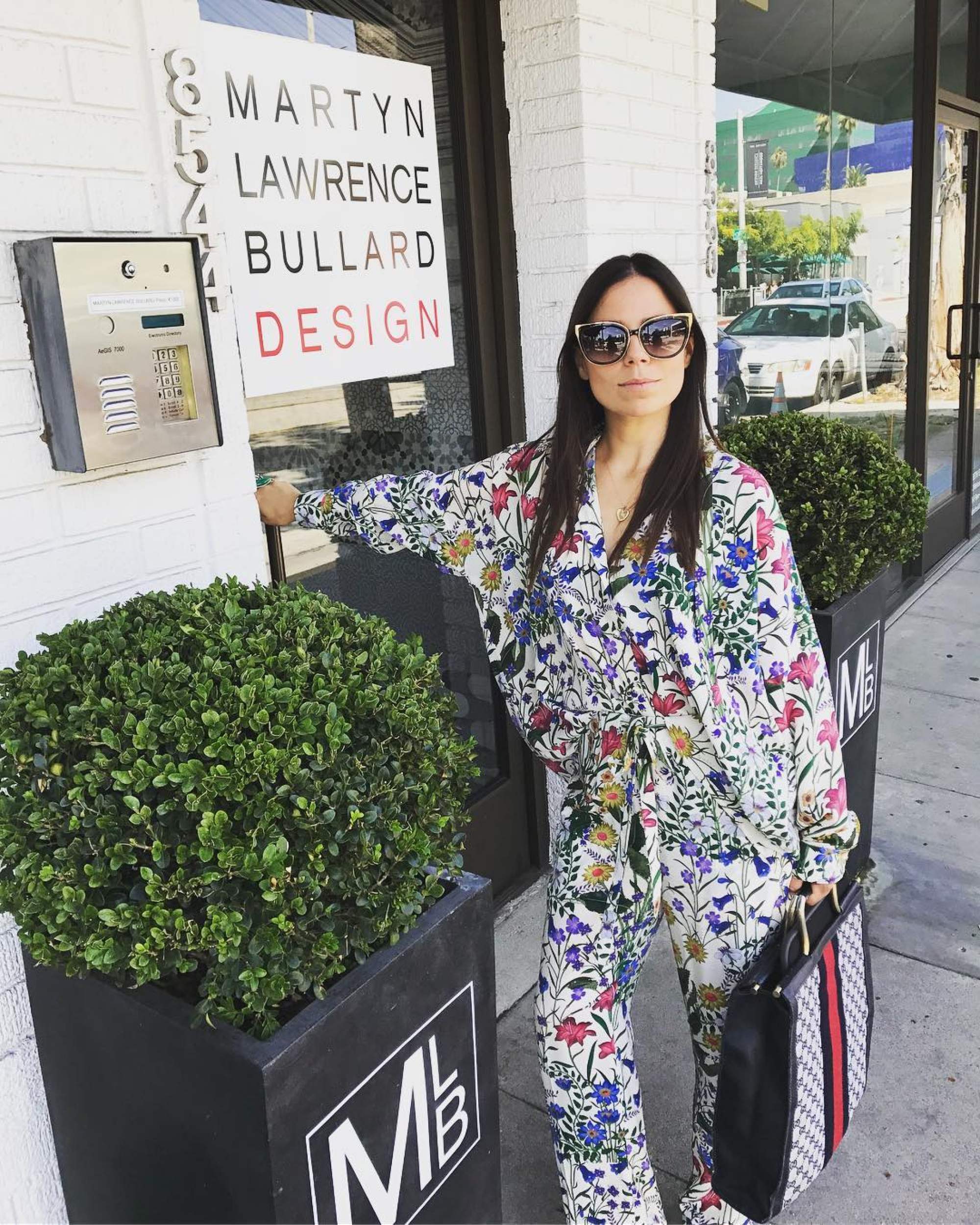
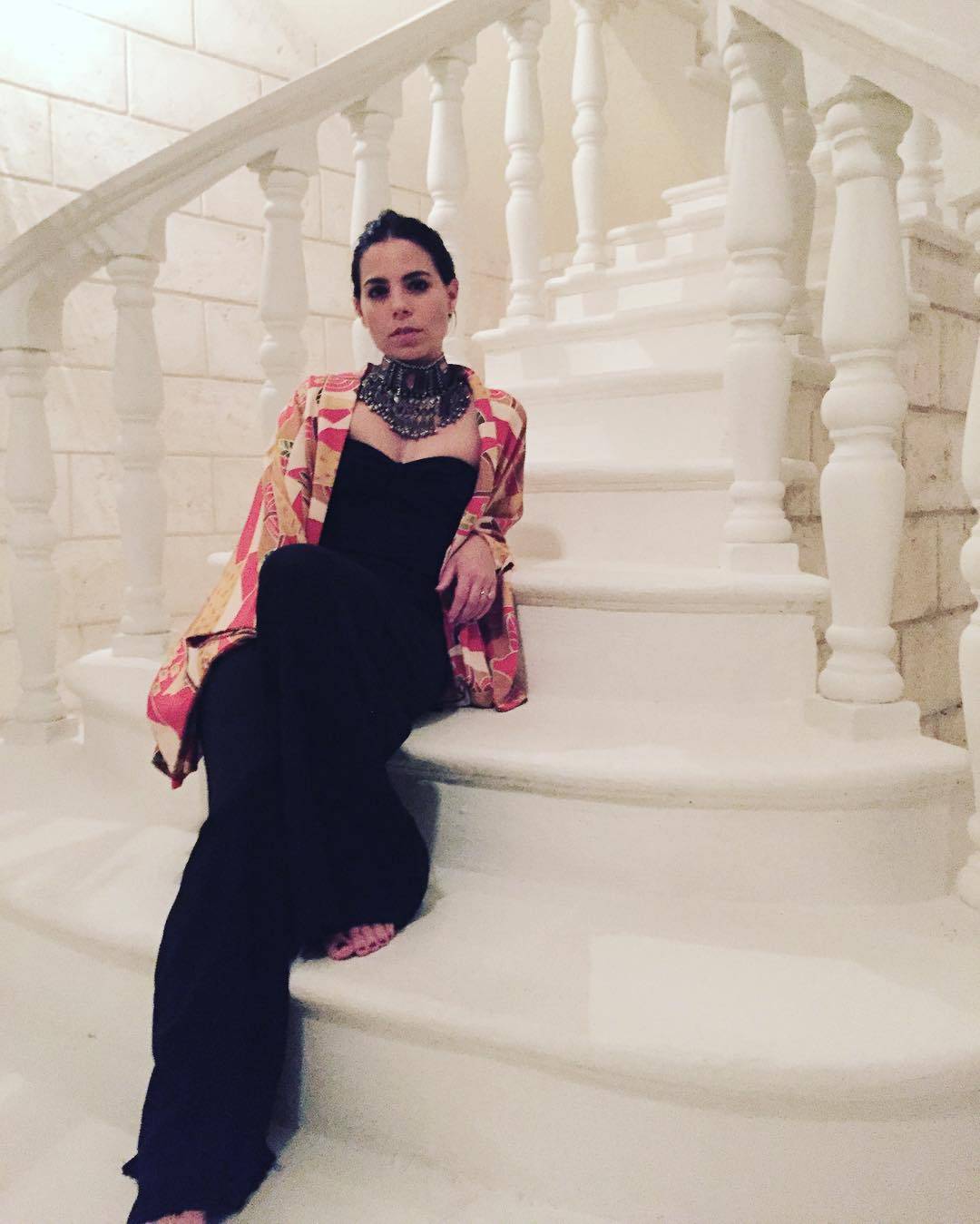
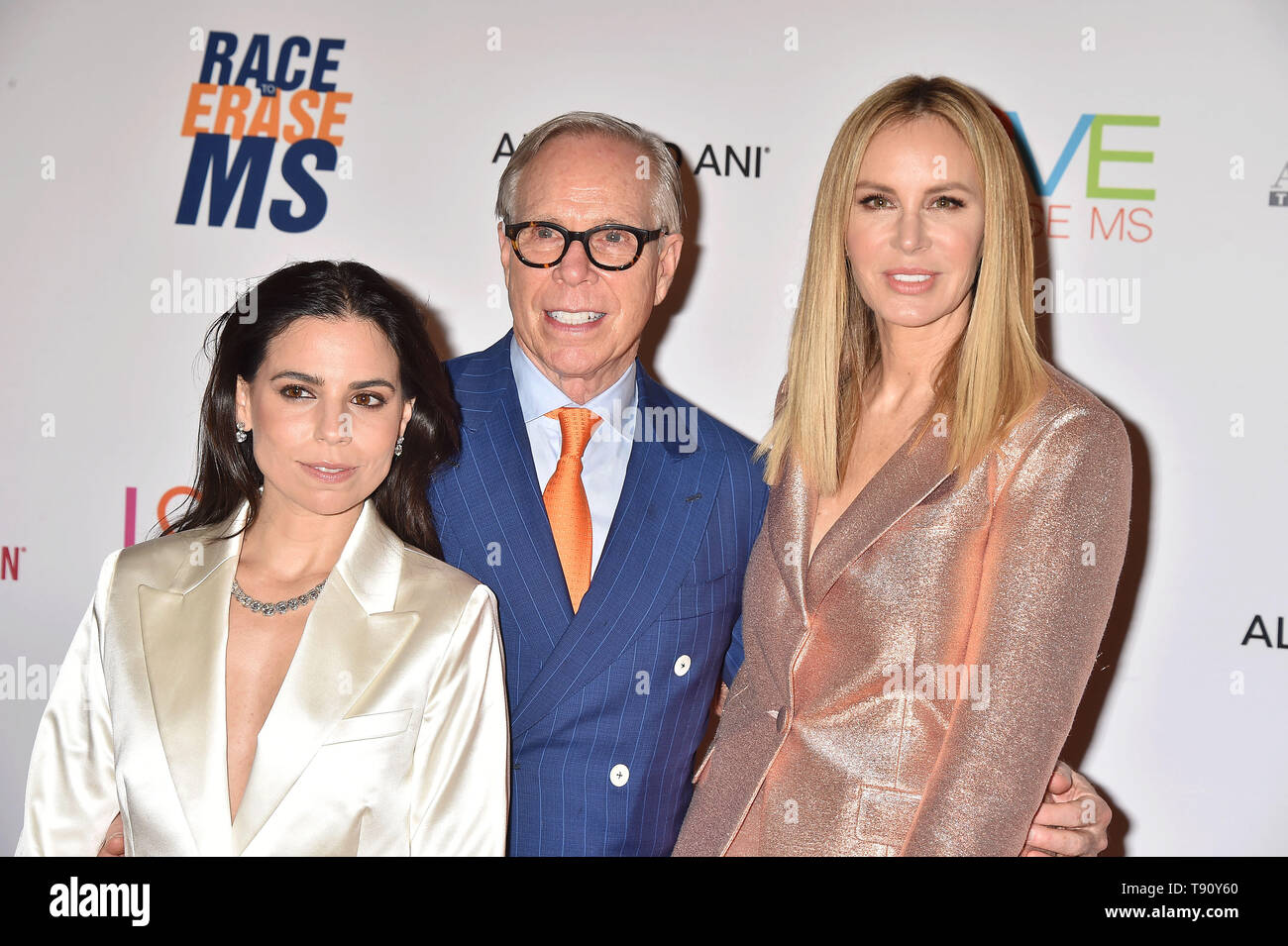
Ally Hilfiger represents a distinctive intersection between inherited American fashion heritage and contemporary creative independence. As the daughter of Tommy Hilfiger, she grew up within the inner sanctum of one of the most recognizable global lifestyle brands, yet her professional journey has been defined by a departure from corporate uniformity toward individualistic design, art, and personal advocacy. Understanding her role in the context of American sportswear requires looking past the surname to examine how she navigates the balance between a multi-generational legacy and her own contributions to the cultural landscape.
The evolution of American sportswear, a category defined by ease, functionality, and a democratic approach to style, finds an interesting case study in the Hilfiger family. While Tommy Hilfiger revolutionized the aesthetic in the 1980s and 90s by blending preppy sensibilities with hip-hop oversized silhouettes, Ally Hilfiger has channeled that same foundational DNA into more eclectic, artistic ventures. Her career trajectory—spanning reality television, fashion design, and visual art—reflects how the children of fashion moguls redefine luxury for a new generation. By examining her work alongside the established standards of the Hilfiger brand, one can see the shift from mass-market global retail to a more fragmented, personality-driven model of influence.
The Foundations of the Hilfiger Sportswear Identity
To appreciate the legacy that Ally Hilfiger grew up within, one must first recognize the structural significance of the Tommy Hilfiger brand. Launched in 1985, the company was instrumental in codifying "American Sportswear"—a term encompassing button-down shirts, chinos, rugby shirts, and denim, designed with a relaxed fit and a patriotic color palette. This style was never about formal evening wear; it was about the idealized, aspirational lifestyle of the American suburbs and, subsequently, the grit of urban street culture.
The "Hilfiger aesthetic" relies on specific technical pillars: color blocking, iconic branding (the red, white, and blue logo), and a focus on durable, everyday textiles. This foundation allowed the brand to scale globally, transforming it into a multibillion-dollar entity. For Ally, this was not merely an industry; it was the backdrop of her formative years. Her exposure to the inner workings of fashion shows, retail strategy, and the logistics of global branding provided an unconventional education, setting the stage for her own creative evolution.
Ally Hilfiger: Creative Divergence from the Corporate Path
Unlike many heirs to global fashion houses who step immediately into executive management, Ally Hilfiger pursued a more exploratory path. Her foray into the industry began with a focus on design and artistic expression rather than supply chain management or retail strategy. Her early design work, such as the NAHM label she co-founded, displayed a desire to pivot away from the rigid expectations of legacy American sportswear.
NAHM focused on high-quality, versatile women's wear, leaning into a more sophisticated, curated aesthetic compared to the logo-heavy youth market of her father’s company. This shift highlights a common transition for the next generation of fashion families: moving from "lifestyle branding"—which encompasses everything from towels to cologne—to "product focus," where the design value is intrinsic to the garment rather than the name on the label.
The Transition to Artistic Independence
Beyond fashion design, Ally has consistently utilized visual art as a medium to express her identity. Her work, which often features vibrant, abstract, and deeply personal imagery, serves as an antithesis to the hyper-commercialized world of sportswear. By pivoting toward the fine arts, she effectively decoupled her personal identity from the expectations of the Hilfiger corporate brand. This is a critical distinction for the modern consumer; today’s audience tracks the "authenticity" of creators, and her decision to move into galleries rather than boardrooms has paradoxically increased her relevance as a cultural figure.
The Evolution of American Sportswear: A Comparative Analysis
American sportswear has fundamentally changed since the inception of the Hilfiger brand. The shift toward "athleisure," sustainable textiles, and minimalist direct-to-consumer models has challenged the traditional retail giants. The following table illustrates the conceptual shift from the legacy model that defined the Hilfiger name to the modern approach championed by independent creatives like Ally.
| Feature | Legacy American Sportswear | Contemporary Independent Design |
|---|---|---|
| Primary Driver | Brand recognition & logo visibility | Material quality & unique aesthetics |
| Production | Mass-market, global supply chains | Small-batch, curated production |
| Marketing | Traditional media & high-reach ads | Personality-led, digital community |
| Fit Philosophy | Standardized for broad appeal | Focused on silhouette and individual style |
| Sustainability | Focus on durability and longevity | Focus on supply chain ethics and materials |
This table clarifies why the Hilfiger legacy remains a benchmark—it provided the infrastructure—but why contemporary creators now prioritize narrative and personal story over volume.
Managing the Weight of a Legacy
Living with a highly recognizable name presents a unique set of challenges and opportunities. For Ally Hilfiger, the challenge has been to utilize the platform provided by her family to amplify her own work without becoming a mere proxy for the brand’s past. Her public transparency regarding her personal health struggles—specifically her journey with Lyme disease—has become a significant part of her public identity.
This level of vulnerability is rare within the high-fashion world, where image curation is typically paramount. By openly discussing her health, she has managed to build a relationship with an audience that values empathy as much as aesthetics. This creates a brand of "lived-in" influence. Where traditional sportswear companies sell an image of the "perfect, carefree American," Ally Hilfiger sells an image of the "resilient, authentic individual." This shift is indicative of the broader change in how legacies are maintained in the 21st century: they are no longer static monuments, but evolving, transparent stories.
Practical Perspectives for Aspiring Fashion Entrepreneurs
For those observing the transition between generations of fashion families, there are several lessons to be learned from the Hilfiger lineage:
- Understand the Infrastructure: Before attempting to innovate, one must understand how a global fashion brand functions. The logistics of the Hilfiger brand offer a masterclass in global distribution and brand positioning.
- Define a Specific Niche: The most successful next-generation designers often move away from generalist "lifestyle" branding. Instead, they focus on a specific product category—such as tailored outerwear, sustainable denim, or high-concept art—to establish credibility outside of their family name.
- Leverage Transparency: In the current era, audiences are skeptical of polished, corporate narratives. A brand is more likely to succeed when it acknowledges the complexity of its founder's life and values.
- Balance Heritage with Risk: The advantage of a legacy name is the initial platform and reputation; the risk is the inertia of expectation. Successful heirs find ways to use the legacy as a foundation rather than a cage.
Frequently Asked Questions
How does Ally Hilfiger’s work differ from the Tommy Hilfiger brand? While the Tommy Hilfiger brand is defined by mass-market, logo-centric American sportswear, Ally’s personal work focuses on fine art and more niche, design-focused fashion. Her projects emphasize individual expression and artistic process rather than the scalable, commercial requirements of the legacy brand.
Does Ally Hilfiger still work with the family business? While she has participated in various projects and campaigns associated with the family’s brand, her primary professional focus remains on her own artistic career, including her painting and independent creative ventures. She maintains a supportive relationship with the legacy of the company while maintaining professional independence.
What is the defining characteristic of American sportswear today? Current American sportswear prioritizes versatility, comfort, and sustainable material sourcing. Unlike the early decades of the genre, which emphasized rigid branding, the modern iteration is driven by the consumer's need for functional clothing that can transition seamlessly between environments while maintaining a recognizable personal style.
Is the Hilfiger name essential to Ally’s success? The Hilfiger name provided a platform of visibility, but Ally’s longevity in the creative field is tied to her ability to branch into new mediums like fine art. Her ability to build an audience that engages with her as an individual, rather than just as an heiress, is a testament to her shift away from the traditional fashion-dynasty model.
How can someone enter the fashion industry without a family legacy? Entering the industry today relies heavily on digital community-building and specialized product design. Emerging designers often start with small, direct-to-consumer lines that address specific market gaps, using social media as a low-cost tool for brand awareness and market validation.
Next Steps for Fashion Enthusiasts and Students
If you are examining the intersection of legacy fashion and contemporary creativity, your next step should be to look beyond the retail floor. Study the evolution of specific design houses that have successfully transitioned from family-owned entities to global institutions, and compare them with smaller, designer-led brands that prioritize artistic narrative. Observe how the "sportswear" label is being redefined by younger creators who incorporate technology and sustainability at the design level. By analyzing these shifts, you gain a clearer picture of how American fashion will continue to evolve through the remainder of the decade.