Allstate auto insurance "loss of use" coverage refers to the rental reimbursement benefit that helps pay for a rental car while your own vehicle is undergoing repairs for a covered insurance claim. This coverage acts as an optional add-on to your policy, bridging the gap between your car being in the shop and your return to the road, helping you maintain your daily mobility without significant out-of-pocket expenses.
Understanding Loss of Use in Auto Insurance
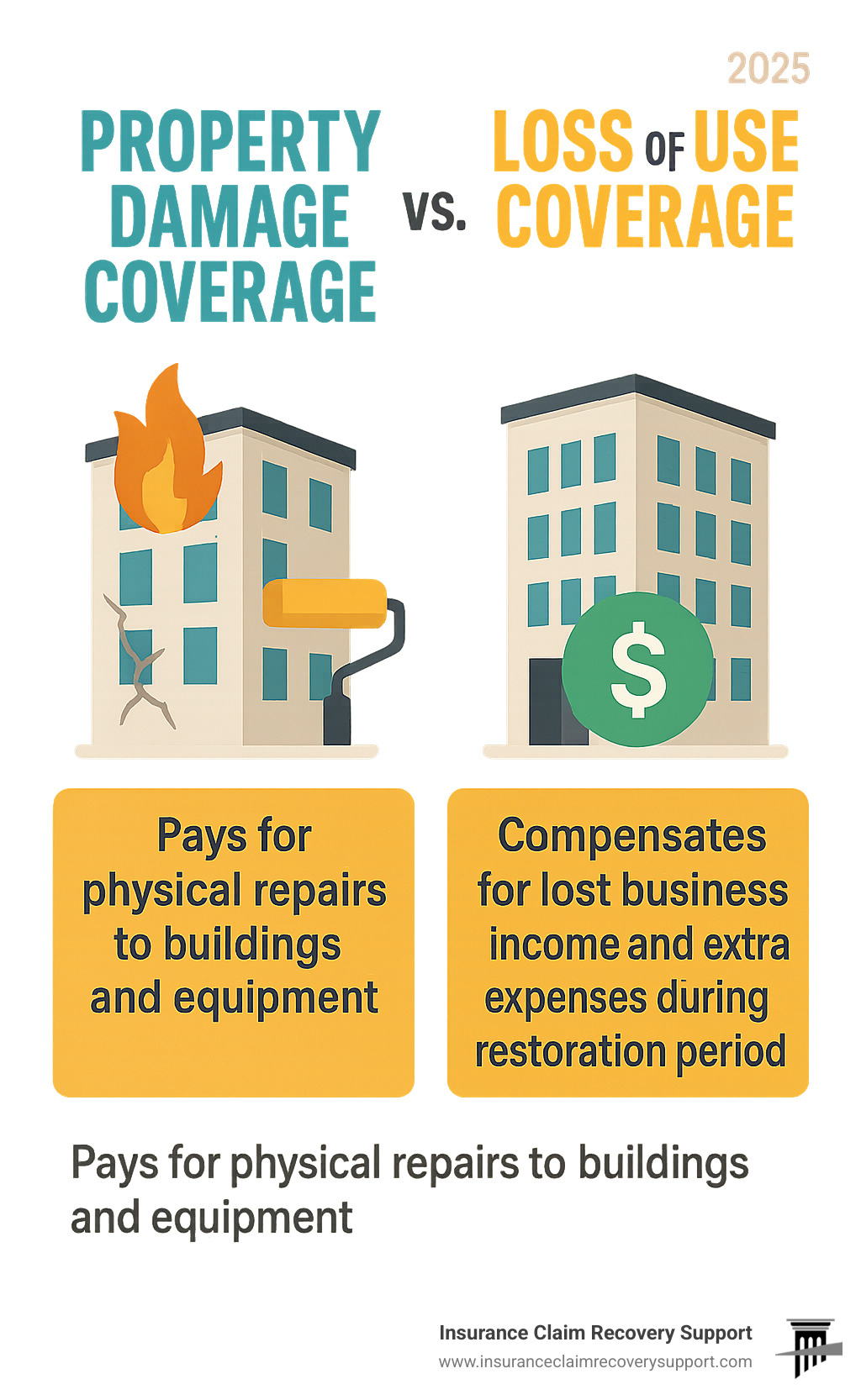
When consumers search for "loss of use" coverage regarding auto insurance, they are often referring to Rental Reimbursement Coverage. In the insurance industry, "loss of use" is a broad legal and technical term often associated with home insurance (loss of use of your residence) or third-party liability (where an at-fault driver is responsible for the victim's loss of use of their vehicle). However, within the context of a personal Allstate auto insurance policy, the mechanism to cover your transportation needs after an accident is technically defined as Rental Reimbursement.
Understanding this distinction is vital because it determines how you file your claim. If your car is damaged in a collision and you have added Rental Reimbursement to your policy, Allstate helps cover the cost of a rental car. If another driver hits you and is at fault, their liability coverage may be responsible for providing you with a rental or paying for your alternative transportation—this is known as a "loss of use" claim against their policy.
Prerequisites for Rental Reimbursement Coverage
To access rental coverage through Allstate, you must have proactively selected the Rental Reimbursement option as part of your auto insurance policy before the accident occurs. It is not a standard feature included in basic liability-only policies.
Eligibility and Policy Integration
- Add-on Requirement: This coverage is an endorsement. You cannot add it to your policy after an accident has occurred to cover that specific incident.
- Comprehensive or Collision Attachment: Generally, insurance providers require you to hold Comprehensive or Collision coverage on your policy before you are eligible to add Rental Reimbursement. This ensures that you are adequately protected for the vehicle repair itself before adding the auxiliary rental benefit.
- Policy Limits: Every policy comes with a defined daily limit (e.g., $30, $50, or $100 per day) and a maximum total benefit per claim (e.g., $900 or $1,500). Once these limits are reached, the policyholder is responsible for any remaining rental costs.
How the Coverage Works During Repairs
When you experience a covered loss—such as a collision with another vehicle, hitting an object, or damage covered under comprehensive sections like theft or fire—the rental reimbursement process follows a specific lifecycle.
The Claims Process
- Initial Notification: Once you report the claim to Allstate, an adjuster will evaluate the damage. If the repair is approved, you will discuss the rental need.
- Rental Selection: Allstate often works with preferred rental partners (such as Enterprise Rent-A-Car). Using a partner agency often streamlines the billing process, as the rental company may bill the insurance company directly.
- Direct Billing vs. Reimbursement: In a direct billing scenario, you may not have to pay for the rental upfront, provided the cost stays within your daily limit. In a reimbursement scenario, you pay the agency out-of-pocket and submit the receipts to Allstate to be paid back for the covered amount.
- The "Loss of Use" Duration: The coverage applies only for the time your vehicle is physically being repaired or while it is considered a "total loss." If the vehicle is a total loss, the coverage usually ends a few days after you receive a settlement offer.
Factors Influencing Rental Costs
Even with insurance coverage, policyholders must be mindful of how rental costs are managed to avoid hidden expenses.
Daily Limit Optimization
If your policy provides $50 per day, but you choose a premium SUV that costs $85 per day, you are responsible for the $35 difference. It is important to match your vehicle needs with your policy limits.
Time Constraints
Rental reimbursement is not an indefinite benefit. It is tethered strictly to the time required to complete repairs. If the repair shop experiences delays in receiving parts, you must coordinate with your adjuster to ensure they are aware of the extended timeline. However, Allstate will only pay for the period reasonably required to perform the necessary repairs.
Comparison: First-Party vs. Third-Party Claims
It is essential to distinguish between using your own insurance versus claiming against someone else's.
| Feature | Your Policy (Rental Reimbursement) | Third-Party (Loss of Use Liability) |
|---|---|---|
| Prerequisite | You must have added the endorsement. | Requires the other driver to be at fault. |
| Convenience | Faster, as Allstate facilitates the process. | Slower, requiring negotiation with the other party. |
| Limits | Defined by your specific policy limits. | Generally based on "reasonable" rental rates. |
| Approval | Determined by your policy contract. | Subject to the other driver's liability limits. |
If you are not at fault, you have the right to seek compensation for "loss of use" from the at-fault party's insurance. This is separate from your own rental reimbursement coverage. If you are at fault, your own Rental Reimbursement coverage is your only mechanism to offset costs.
Common Mistakes and Troubleshooting
Failing to Verify Coverage
Many drivers assume they have "full coverage" and that rental cars are included. Always log in to your account via the Allstate mobile app or the official website to verify your "Declarations Page." If you do not see "Rental Reimbursement" listed, you do not have this protection.
Misunderstanding "Loss of Use" vs. "Rental Reimbursement"
If you are hit by another driver, do not simply accept "we will get you a rental." Be explicit in asking if their policy covers your "loss of use." If they are unwilling or unable to provide a car, you may need to rely on your own policy and allow Allstate to seek subrogation (getting the money back from the other party) on your behalf.
Delayed Receipt Submission
If you are paying out-of-pocket for your rental, keep all itemized receipts. Delaying the submission of these documents can slow down your reimbursement timeline. Ensure that the receipts clearly show the dates of rental, the daily rate, and the total charges.
Frequently Asked Questions
Can I get a rental car if my car is stolen?
Yes, if you have Comprehensive coverage and Rental Reimbursement, this usually applies to theft. However, there is often a waiting period (often 24 to 48 hours) from the time the police report is filed before the rental coverage kicks in. Check your specific policy for the waiting period duration.
Does Allstate pay for fuel or insurance on the rental car?
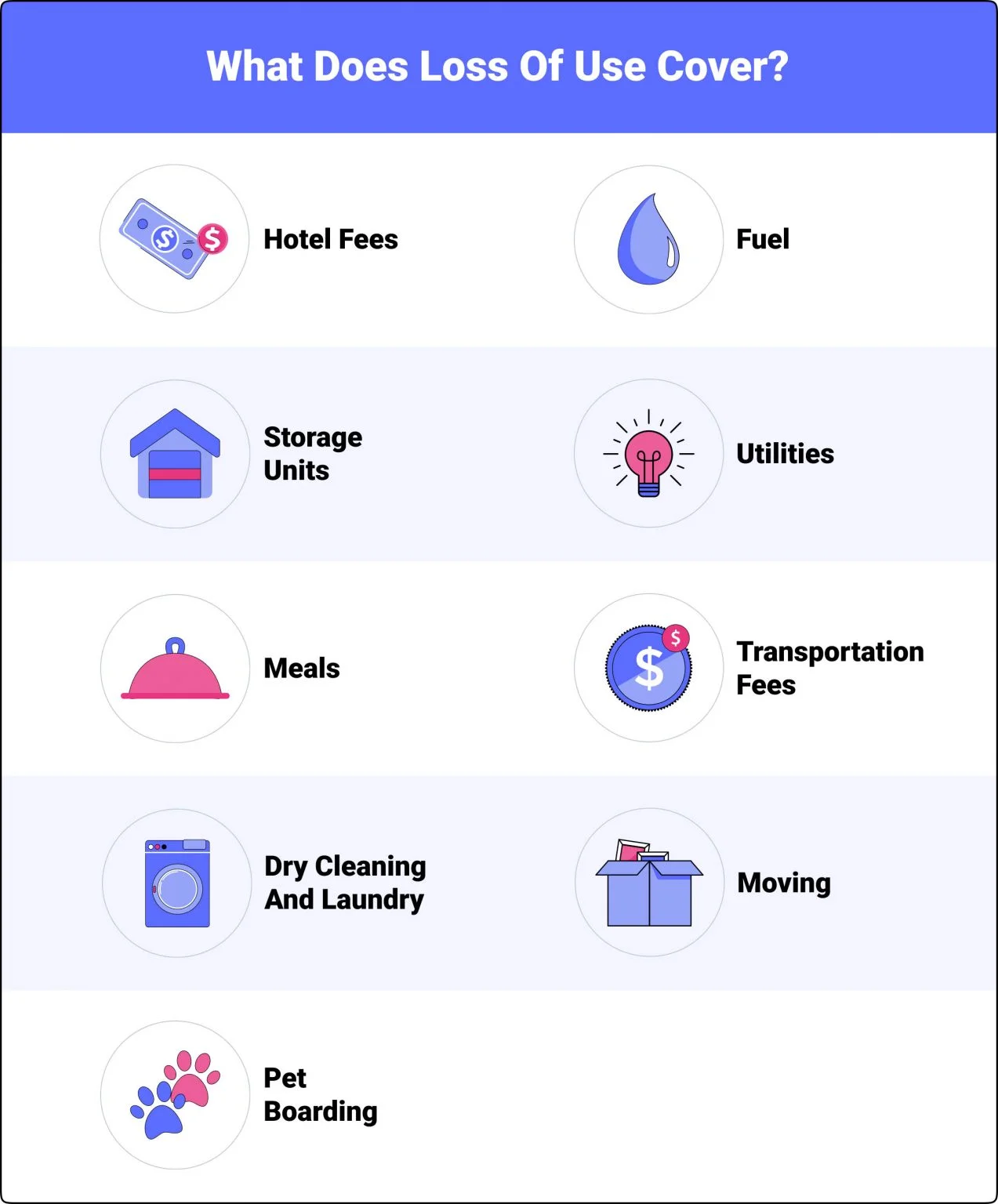
Typically, no. Rental reimbursement coverage generally covers the daily base rate of the vehicle rental, including taxes. Costs such as gasoline, additional insurance offered by the rental agency (like Collision Damage Waivers), or upgrades are usually the responsibility of the policyholder.
What happens if the repairs take longer than expected?
Rental reimbursement is limited by your policy's "max per claim" cap. If the shop takes 20 days to fix your car, but your policy limit is capped at 15 days, you will be responsible for the final five days of rental costs. Communicate early with your adjuster if the shop provides an extended repair estimate.
Can I use my own money to upgrade the rental car?
Yes. If you prefer a larger vehicle than what your policy allowance covers, you can pay the difference between the rental agency's rate for that car and the daily limit provided by your policy.
Is "Loss of Use" available for motorcycles or RVs?
Availability depends on your specific policy and the state where you live. While standard auto insurance often includes this as an option, specialty vehicles may require a different type of endorsement. Consult your local Allstate agent to verify what is available for your specific vehicle class.
Final Recommendation
If you depend on your vehicle daily, verify your current coverage today. If you find you lack Rental Reimbursement, consider adding it to your policy during your next renewal. The cost of this add-on is typically minimal compared to the unexpected expense of paying for a rental car for two or three weeks while your vehicle is in the shop. To check your status, log in to the Allstate mobile application or contact your local agent to review your Declarations Page.