While alligators are not native to Illinois, sightings in the Chicago River and surrounding lagoons typically stem from the illegal release of exotic pets. These animals cannot survive Chicago’s freezing winters due to their ectothermic nature. If you spot a crocodilian, contact 311 or Chicago Animal Care and Control immediately to ensure professional removal and relocation.
The History and Frequency of Alligator Sightings in Chicago
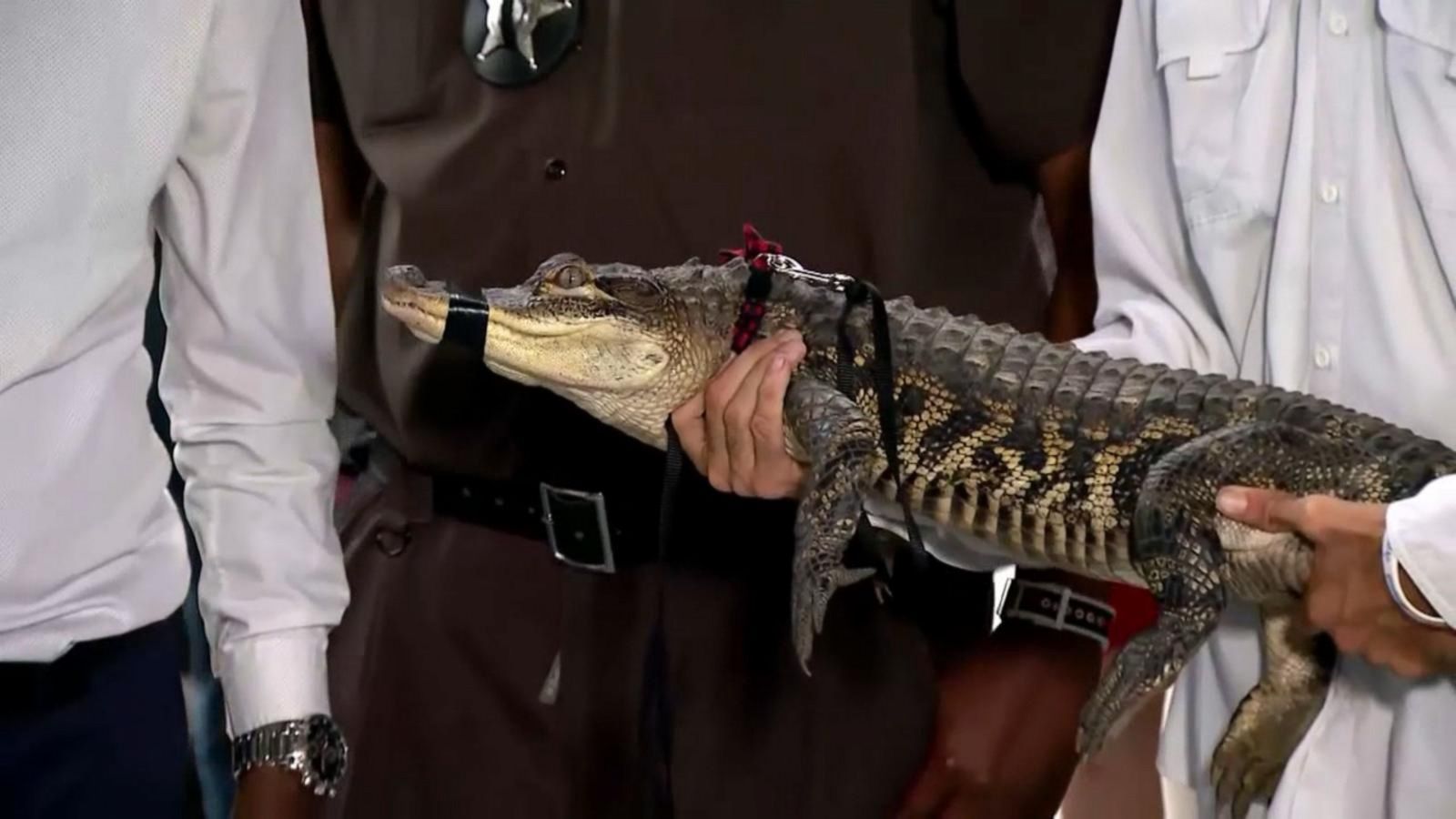
The presence of an alligator in the Chicago River or city lagoons is a rare but recurring phenomenon that captures the public imagination. The most significant event in recent history occurred in July 2019, when a four-foot-long American alligator, later dubbed "Chance the Snapper," was discovered in the Humboldt Park Lagoon. While this specific instance was in a lagoon rather than the main stem of the Chicago River, it highlighted the vulnerability of the city’s waterways to non-native species.
Historically, Chicago has seen sporadic reports of crocodilians in the river system dating back several decades. In 2010, an alligator was captured near the Chicago River's North Branch, and smaller caimans have occasionally been pulled from the water by the Illinois Department of Natural Resources (IDNR). In almost every documented case, these animals were former pets that outgrew their enclosures or became too difficult for their owners to manage, leading to their abandonment in the nearest body of water.
By 2026, urban wildlife management has become more sophisticated, yet the fundamental cause of these sightings remains the same: the intersection of the illegal wildlife trade and a lack of public understanding regarding the biological needs of apex predators. The Chicago River, which has seen significant water quality improvements over the last twenty years, can temporarily support an alligator during the humid summer months, but it remains a death trap for the species once temperatures drop.
The Capture of Chance the Snapper: A Case Study in Urban Wildlife Response
The 2019 Humboldt Park incident serves as the definitive blueprint for how Chicago handles unexpected crocodilian visitors. After local residents spotted the alligator, the city initially attempted to use local traps and police resources. When these efforts failed, the city brought in Frank Robb, an alligator expert from St. Augustine, Florida.
Robb’s approach was technical and methodical. He prioritized quiet observation to understand the animal's patterns and used a fishing pole with a specialized "snatch hook" to capture the alligator without causing it physical harm. This event emphasized the need for specialized knowledge in urban wildlife management. It also demonstrated the power of social media and local news in turning a public safety concern into a cultural moment, as thousands of Chicagoans followed the "hunt" in real-time.
From a management perspective, the capture of "Chance" led to stricter discussions regarding the Illinois Wildlife Code and the enforcement of the Herptiles-Waterlife Act. It proved that while the Chicago River system is vast, an animal of that size could be successfully removed if the response is coordinated and led by subject-matter experts rather than general law enforcement.
Biological Limitations: Why Alligators Cannot Survive Chicago Winters
The primary reason alligators are considered "unexpected" and unsustainable urban wildlife in Chicago is their physiology. Alligators are ectothermic, meaning they rely on external environmental sources to regulate their body temperature. In their native habitats in the southeastern United States, alligators can survive brief cold snaps through a process called brumation.
The Mechanism of Brumation
During brumation, an alligator’s metabolism slows down significantly. They often submerge themselves in water, leaving only their snouts above the surface to breathe. As the surface of the water freezes, the alligator remains suspended in a lethargic state. However, this is a survival mechanism for temperatures that dip slightly below freezing for short durations—not for the sustained, sub-zero "Polar Vortex" conditions common in Chicago.
The Lethal Threshold
In Chicago, the water temperature in the river and lagoons eventually drops to a point where the alligator’s internal organs begin to fail. Unlike the American Beaver or the North American River Otter—both of which reside in the Chicago River and have evolved thick fur and high metabolic rates to handle the cold—the alligator has no biological defense against a Midwestern winter. If an alligator is not captured by October or November, its survival probability drops to nearly zero.
The Source: The Illegal Exotic Pet Trade in Illinois
The presence of alligators in Chicago is a direct consequence of the exotic pet trade. Under the Illinois Herptiles-Waterlife Act, it is generally illegal for private citizens to possess crocodilians without specific permits, which are usually reserved for educational or scientific institutions. Despite these regulations, a black market persists.
People often purchase "baby" alligators when they are only 6 to 10 inches long, failing to realize that the American Alligator (Alligator mississippiensis) can grow to over 12 feet and live for 50 years. When the animal becomes aggressive or grows too large for a standard aquarium—usually around the three-year mark—owners often choose to release them into the Chicago River.
This act of "mercy" is, in reality, a death sentence for the animal and a risk to the local ecosystem. Released pets can introduce pathogens to native fish and turtle populations and pose a threat to small pets and local waterfowl.
Chicago’s Broader Urban Wildlife Ecosystem in 2026
While alligators are an anomaly, the Chicago River is home to a thriving ecosystem of native and naturalized species. As of 2026, the river’s health has reached a point where wildlife sightings are common for rowers, cyclists along the Riverwalk, and residents of the downtown area.
| Species | Status in Chicago River | Potential for Conflict | Common Misidentification |
|---|---|---|---|
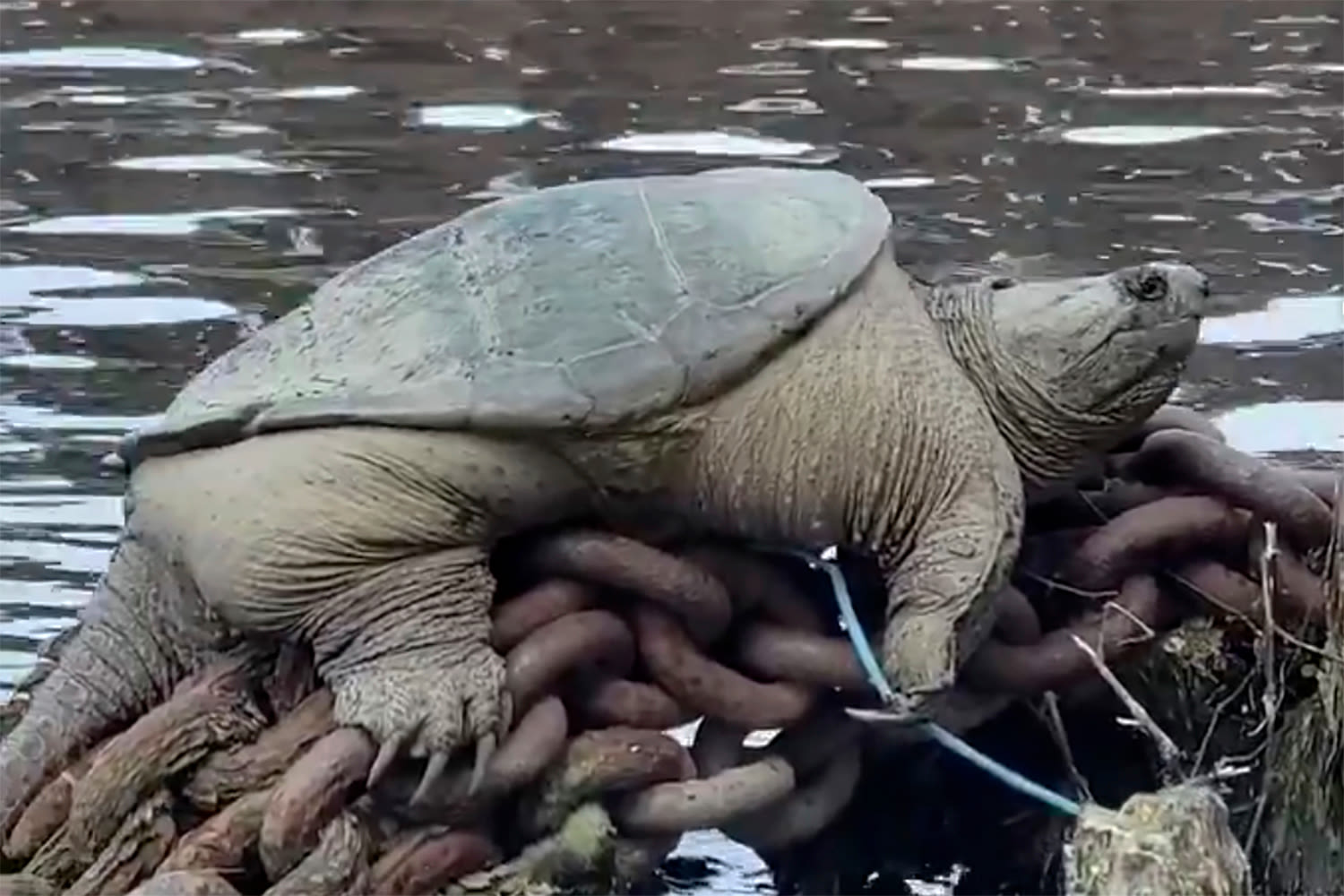
| Common Snapping Turtle | Native / Common | Low (Bite risk if handled) | Often mistaken for a small alligator from a distance. |
| American Beaver | Native / Increasing | Low (Property damage to trees) | Large splashes are often attributed to "monsters" or gators. |
| Coyote | Native / Urban Resident | Low (Small pets at risk) | Occasionally seen swimming across the river. |
| Black-crowned Night Heron | Native / Endangered | None | Their distinctive calls can sound "prehistoric" at night. |
| Invasive Carp | Non-native / High Presence | Medium (Impacts native fish) | Large surfacing fish are sometimes confused with reptiles. |
The recovery of the Chicago River has led to the return of apex predators like the river otter and the bald eagle. These species indicate a healthy food chain. However, the introduction of a non-native apex predator like an alligator disrupts this balance, even if only temporarily.
Public Safety and Environmental Protocol
If you encounter an alligator or an unidentified large reptile in the Chicago River or any city park, following the correct protocol is essential for both your safety and the welfare of the animal.
- Maintain Distance: Do not attempt to approach, feed, or capture the animal. Even a small four-foot alligator has a bite force capable of causing severe injury or bone fractures.
- Document the Location: Take a photo or video from a safe distance (at least 30 feet) to help authorities confirm the species. Note specific landmarks or GPS coordinates.
- Call 311: Chicago’s non-emergency line is the primary intake for animal control issues. They will coordinate with the IDNR and Chicago Animal Care and Control.
- Keep Pets Away: Alligators are opportunistic hunters. Keep dogs on short leashes and away from the water's edge if a sighting has been reported in the area.
It is important to remember that alligators are generally shy and will attempt to avoid human contact. Most sightings turn out to be large snapping turtles, floating logs, or carp. However, authorities take every report seriously to prevent the animal from suffering as the weather cools.
The Ethical Implications of Non-Native Species
The fascination with "urban alligators" often masks a deeper ethical issue. These animals are displaced and suffering. When an alligator is found in Chicago, it cannot simply be "put back" into the river. If captured alive, they must be transported to licensed sanctuaries, often in southern states.
The Illinois Department of Natural Resources emphasizes that the release of any non-native species into public waters is a violation of state law. The cost of capturing these animals—often involving thousands of dollars in city resources and specialized labor—falls on the taxpayers. Furthermore, the trauma of being in a high-traffic, noisy urban environment with inadequate food sources is significant for the animal.
FAQs About Alligators in Chicago
Can an alligator survive a Chicago winter if it stays in the deeper parts of the river?
No. While the bottom of the Chicago River stays slightly warmer than the surface ice, it does not remain warm enough to sustain an alligator’s metabolic functions. The water temperature consistently drops below 40°F (4°C), which is the threshold for cold-stunning and eventual death for crocodilians.
Are there "sewer alligators" in Chicago like the legends in New York?
The "sewer alligator" is a persistent urban legend. Chicago’s sewer system is a dark, toxic environment filled with high levels of methane and industrial runoff. No alligator could survive more than a few days in such conditions, let alone grow to a significant size. Any alligator found in Chicago is recently released into surface waters.
What happened to Chance the Snapper?
After his capture in 2019, Chance the Snapper was relocated to the St. Augustine Alligator Farm Zoological Park in Florida. He transitioned from a cold, stressed urban environment to a managed habitat where he received veterinary care and a consistent diet. As of 2026, he remains a permanent resident there, serving as an educational ambassador regarding the dangers of the exotic pet trade.
Is it legal to own a caiman or a small alligator in Chicago?
No. The Chicago Municipal Code and the Illinois Herptiles-Waterlife Act prohibit the private ownership of crocodilians. These animals are classified as "dangerous animals," and possession can lead to hefty fines, confiscation of the animal, and potential criminal charges.
How do alligators even get to Chicago?
Most are brought into the state illegally from southern states where they are sold in roadside shops or by unlicensed breeders. They are transported in small containers and sold to buyers who are unaware of the legal restrictions or the logistical reality of caring for a reptile that will eventually weigh several hundred pounds.
Final Recommendation for Residents
The appearance of an alligator in the Chicago River is a symptom of a breakdown in responsible pet ownership. If you or someone you know possesses an exotic reptile that has become unmanageable, do not release it into the wild. Instead, contact the Chicago Herpetological Society or a local wildlife sanctuary. These organizations offer "no-questions-asked" surrender programs that prioritize the health of the animal and the safety of the Chicago ecosystem. Protecting the Chicago River means respecting its natural inhabitants and ensuring that unexpected urban wildlife is handled with professional care rather than being left to succumb to the elements.