On June 14, 2016, two-year-old Lane Thomas Graves was fatally attacked by an alligator at Disney’s Grand Floridian Resort & Spa. The tragedy occurred at the edge of the Seven Seas Lagoon, leading to an immediate overhaul of wildlife management policies, the installation of physical barriers, and the establishment of the Lane Thomas Foundation to support grieving families.
The Events of June 14, 2016: A Detailed Chronology
The evening of June 14, 2016, began as a typical night for the Graves family, who were visiting Walt Disney World from Elkhorn, Nebraska. The family was relaxing on the beach area of the Grand Floridian Resort & Spa, a flagship luxury property situated on the Seven Seas Lagoon. At approximately 9:00 PM, while an outdoor movie was playing nearby, two-year-old Lane Thomas Graves was wading in shallow water at the edge of the lagoon.
According to witness reports and subsequent investigations by the Florida Fish and Wildlife Conservation Commission (FWC), an alligator emerged from the water and grabbed the child. Lane’s father, Matt Graves, immediately entered the water and attempted to pry the alligator's jaws open, suffering minor lacerations to his hands in the process. Despite his desperate efforts, the alligator pulled the child into deeper water.
The emergency response was immediate and massive. The Orange County Sheriff’s Office, Reedy Creek Improvement District emergency services, and the FWC launched a 16-hour search and recovery operation. Utilizing sonar equipment, divers, and helicopters, the teams scoured the man-made lagoon. During the search, wildlife officials trapped and euthanized five alligators found in the vicinity to determine if any were the animal involved in the attack. On the afternoon of June 15, the child’s body was recovered intact nearby; a medical examiner later determined the cause of death was drowning and traumatic injuries.
Immediate Response and Wildlife Management
In the immediate wake of the attack, Disney closed all resort beaches and marinas across its Florida properties. The incident sparked an intense debate regarding wildlife safety in a state where alligators are indigenous and ubiquitous. While Disney had "No Swimming" signs posted at the Seven Seas Lagoon, the signs did not explicitly mention the presence of alligators, a point that became a central focus of public and legal scrutiny.
The FWC's final report concluded that the attack was a "predatory event." The alligator was estimated to be between 4 and 7 feet long. The investigation noted that alligators in the Seven Seas Lagoon had likely lost their natural fear of humans due to illegal feeding, although there was no evidence the Graves family had fed the animal.
To address the immediate threat, Disney and the FWC intensified their "nuisance alligator" removal program. Between the 2016 incident and 2026, data indicates that the number of alligators removed from Disney properties significantly increased, with the company working closely with state-contracted trappers to monitor and manage the population in the interconnected waterways of the 27,000-acre resort.
Structural and Policy Changes at Walt Disney World
The 2016 tragedy resulted in a fundamental shift in how Disney manages its landscape and guest safety. As of 2026, the safety measures implemented in the months following the attack remain the gold standard for Florida resort management. These changes were designed to create a physical and psychological "buffer zone" between guests and the natural wildlife.
Installation of Physical Barriers
Prior to the incident, the beaches at the Grand Floridian and the Polynesian Village Resort were open stretches of sand leading directly into the water. Following the attack, Disney installed a permanent barrier system along the shoreline of the Seven Seas Lagoon. This consists of a large-sized rock wall (riprap) and a reinforced mesh fence designed to prevent alligators from easily beaching themselves while simultaneously discouraging guests from approaching the water's edge.
Enhanced Signage and Guest Education
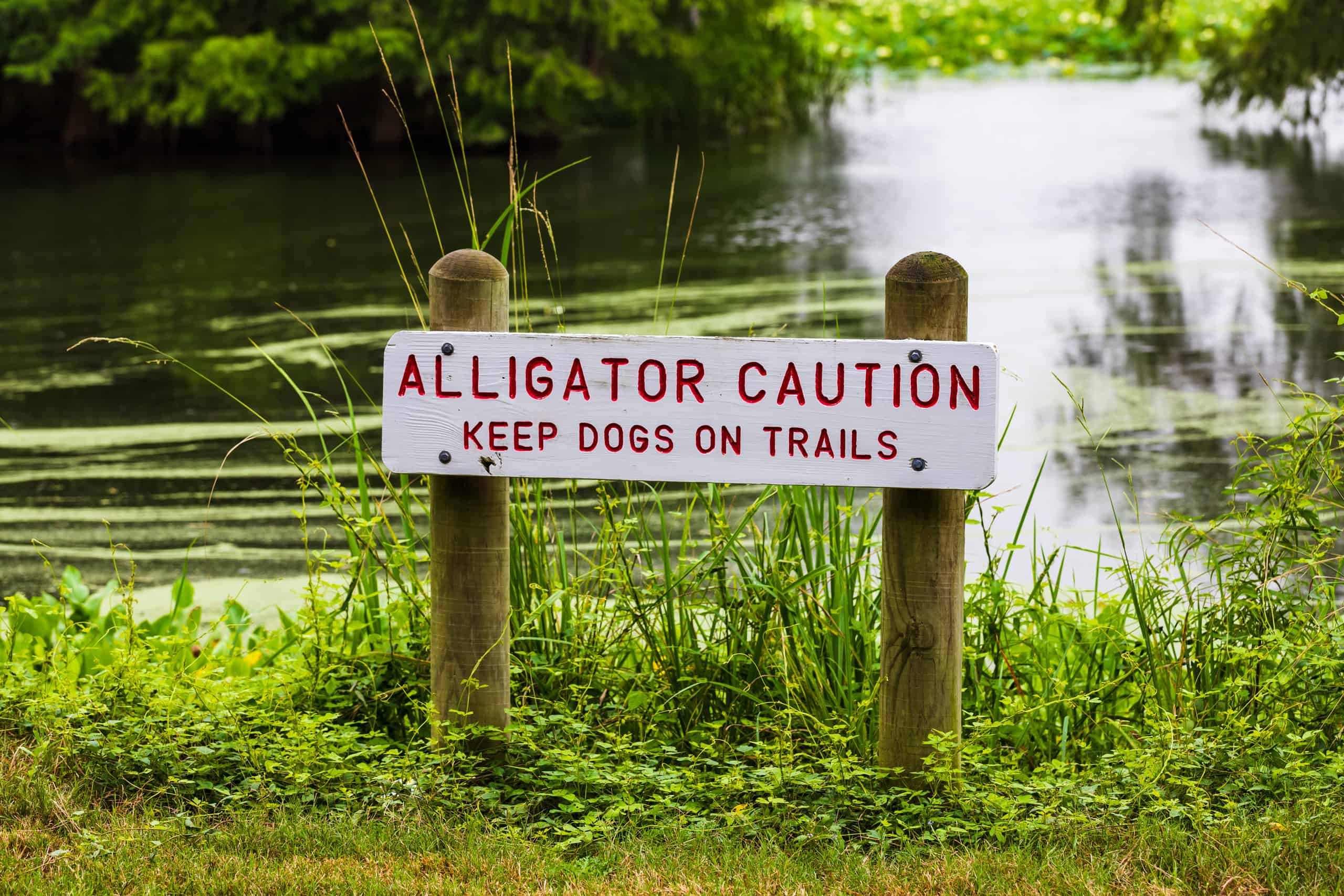
The most visible change was the overhaul of warning signs. The generic "No Swimming" signs were replaced with high-visibility warnings that explicitly state: "DANGER: ALLIGATORS AND SNAKES IN AREA. STAY AWAY FROM THE WATER. DO NOT FEED THE WILDLIFE." These signs feature pictograms to ensure the message is understood by international guests and those with limited English proficiency.
Staff Training and Response Protocols
Disney implemented rigorous training for its "Cast Members." Staff at lakeside resorts are now trained to identify alligator behavior and are authorized to clear beach areas immediately if a sighting is reported. Furthermore, the protocol for reporting sightings to the FWC was streamlined to ensure that any alligator exhibiting "nuisance" behavior—such as approaching humans or lingering in guest areas—is removed within hours.
Comparing Safety Standards: Pre-2016 vs. 2026
The following table outlines the specific transformations in safety protocols at Disney’s waterfront properties over the decade following the incident.
| Feature | Pre-June 2016 Protocol | 2026 Standard Protocol |
|---|---|---|
| Waterfront Signage | General "No Swimming" notices. | Explicit alligator/snake danger warnings with icons. |
| Physical Barriers | Open sand beaches with direct water access. | Rock walls and mesh fencing along shorelines. |
| Wildlife Monitoring | Reactive removal based on sightings. | Proactive, daily monitoring and population control. |
| Guest Interaction | Informal "beachfront" activities allowed near water. | Restricted "viewing only" zones; activities moved inland. |
| Staff Training | General safety and guest service. | Specific "Wildlife Awareness" and emergency response. |
| Reporting Systems | Internal management logs. | Integrated reporting with state (FWC) databases. |
The Lane Thomas Foundation and Charitable Legacy
Rather than pursuing a public and protracted legal battle, Matt and Melissa Graves focused on honoring their son’s memory through the Lane Thomas Foundation. Established shortly after the tragedy, the foundation provides financial and emotional support to families of children undergoing solid organ transplants at Omaha’s Nebraska Medicine.
The choice of mission was deeply personal. The Graves family stated that they wanted to help families facing the "unimaginable," much like the situation they found themselves in. Disney has been a significant supporter of the foundation, and in 2017, a lighthouse memorial was dedicated at the Grand Floridian. The lighthouse is the symbol of the foundation, representing a beacon of hope for families in their darkest hours. By 2026, the foundation has helped hundreds of families navigate the complexities of pediatric organ transplants, turning a localized tragedy into a national source of support.
Legal and Liability Implications for the Theme Park Industry
The 2016 alligator attack remains a landmark case in Florida tort law and premises liability. Under Florida law, landowners generally do not have a duty to warn invitees of the presence of wild animals (ferae naturae) unless the landowner has "possessed" the animal or the animal is not indigenous to the area. However, an exception exists if the landowner knows or should know that a specific animal poses a danger in a specific area.
While a settlement was reached between the Graves family and Disney (the terms of which remain confidential), the incident prompted other Florida resorts to re-evaluate their liability. The legal consensus shifted toward the "duty to warn" regarding indigenous predators, especially in areas where guests are encouraged to congregate, such as resort beaches. This has led to the universal adoption of alligator warning signs across Florida’s hospitality sector, from golf courses to luxury hotels.
Wildlife Management in Central Florida: The Broader Context
Florida is home to an estimated 1.3 million alligators. They inhabit all 67 counties and can be found in virtually any body of fresh water. The Florida Fish and Wildlife Conservation Commission manages the Statewide Nuisance Alligator Program (SNAP), which allows for the removal of alligators that are at least four feet in length and believed to pose a threat to people, pets, or property.
Since 2016, the FWC has seen a steady volume of nuisance alligator complaints as human development continues to encroach on natural habitats. In 2026, the balance between conservation and public safety remains a primary concern for the state. Statistics from the FWC highlight that while unprovoked alligator attacks remain statistically rare, the risk is never zero in a subtropical environment.
Safety Guidelines for Florida Visitors
- Observe the 4-Foot Rule: Alligators under four feet are generally not considered a threat to adults but should still be avoided.
- Avoid Dusk and Dawn: Alligators are most active and most likely to feed during low-light hours.
- Never Feed Alligators: Feeding alligators causes them to associate humans with food, making them bold and dangerous.
- Maintain Distance: Experts recommend staying at least 60 feet away from any alligator in the wild.
- Supervise Children and Pets: Small children and pets are most at risk due to their size and the way their movements can mimic prey.
Frequently Asked Questions
Did the family sue Disney after the attack?
The Graves family reached an undisclosed settlement with Disney. In a public statement, Matt and Melissa Graves noted that they intended to focus on their family and the Lane Thomas Foundation rather than litigation. Consequently, no lawsuit was filed in public court, and both parties worked toward a resolution that emphasized safety improvements and charitable work.
Are there still alligators at Disney World?
Yes, alligators are native to the Florida ecosystem and will always be present in the canals, lakes, and lagoons of Walt Disney World. However, Disney employs a robust monitoring and removal program. Any alligator that exhibits a lack of fear of humans or exceeds a certain size in guest areas is removed and processed through the FWC’s Nuisance Alligator Program.
Is it safe to stay at the Grand Floridian now?
As of 2026, the Grand Floridian and other Disney resorts are considered extremely safe. The combination of reinforced fencing, rock barriers, and aggressive wildlife management has effectively mitigated the risk of alligator encounters in guest-accessible beach areas. Guests are encouraged to enjoy the views but must strictly adhere to the posted warnings to stay away from the water.
What happened to the alligator that attacked Lane Graves?
The FWC trapped and euthanized several alligators during the search for the child. Through forensic analysis and the location of the captures, officials were confident they removed the alligator responsible for the attack. In nuisance cases involving human fatalities, the animals are always euthanized rather than relocated to prevent any future incidents.
Why were there no fences before the incident?
Historically, Disney and many other Florida resorts aimed for an "unspoiled" aesthetic that allowed guests to feel connected to the natural landscape. Because the Seven Seas Lagoon is man-made, there was a common misconception that alligator presence was lower than in natural lakes. The 2016 event fundamentally changed this philosophy, prioritizing physical safety over unobstructed lakefront views.
Practical Recommendations for Guests
If you are planning a visit to a lakeside resort in Florida in 2026, the most important action you can take is to respect the boundaries. The barriers and signs at Disney’s Grand Floridian are not suggestions; they are critical safety infrastructure.
Always keep children within arm's reach when near any body of water, even if fences are present. If you spot an alligator on Disney property, do not attempt to photograph it from a close distance. Instead, notify the nearest Cast Member. They have a direct line to wildlife management teams who can assess whether the animal needs to be removed. By maintaining a respectful distance from Florida's native wildlife, guests can enjoy the unique environment of the Sunshine State safely and responsibly.