The Alibaba Group sustainability initiative is a comprehensive Environmental, Social, and Governance (ESG) framework designed to achieve carbon neutrality in direct operations by 2030. By 2026, the initiative has evolved into a sophisticated ecosystem-wide strategy, targeting not only Alibaba’s internal emissions but also a "Scope 3+" goal to reduce 1.5 gigatons of carbon emissions across its entire digital commerce environment by 2035.
The Strategic Framework of Alibaba’s Sustainability Commitment
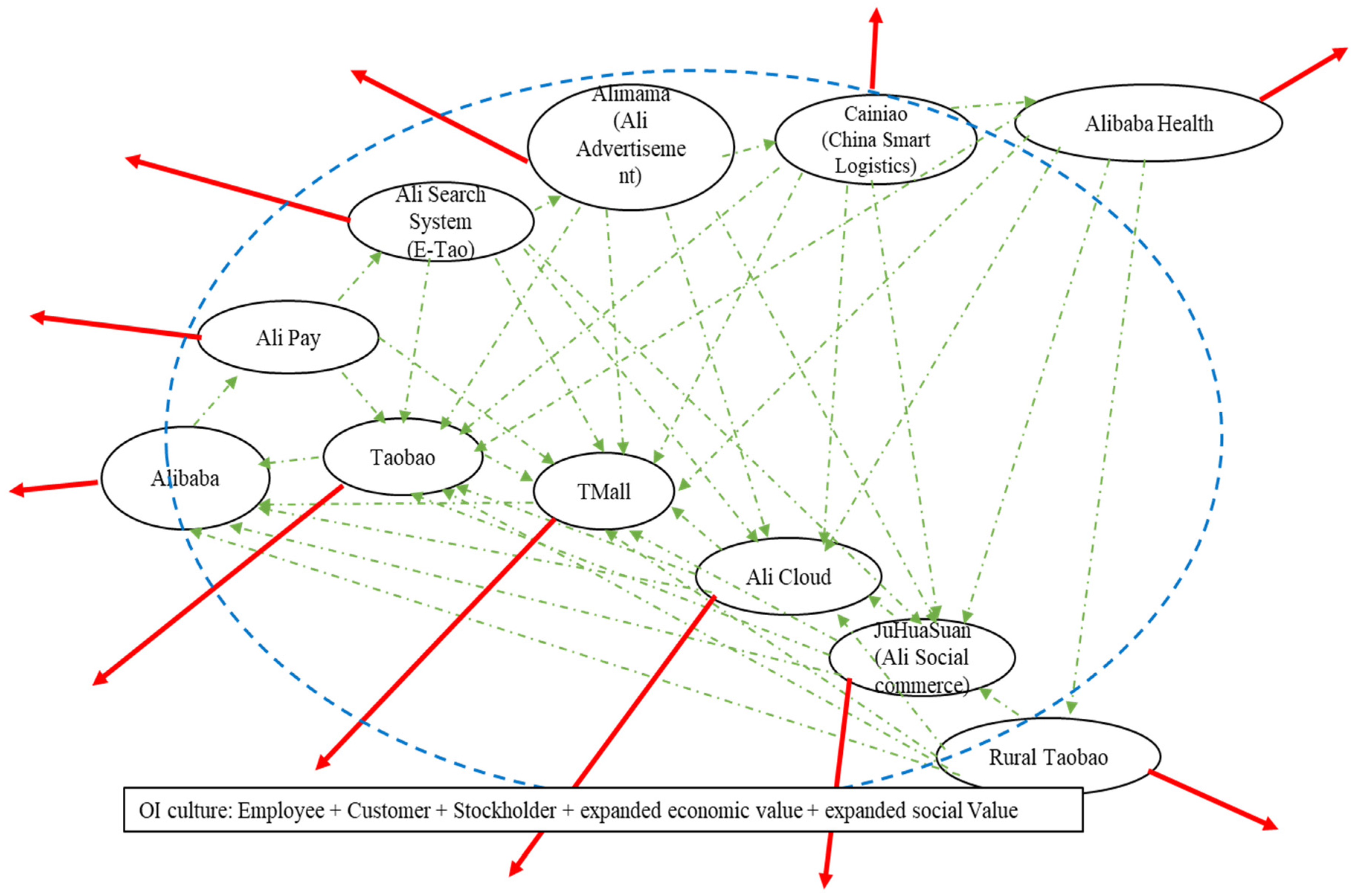
Alibaba Group’s approach to sustainability is structured around a multi-layered commitment that distinguishes between its own operational footprint and its broader influence on the global supply chain. In the context of 2026, the company has integrated these goals into its core business units—including Alibaba Cloud, Cainiao Logistics, and its various e-commerce platforms—to ensure that sustainability is not a secondary objective but a fundamental operational requirement.
Carbon Neutrality by 2030 (Scope 1 and 2)
The most immediate tier of the initiative involves achieving net-zero emissions for Scope 1 (direct emissions from owned or controlled sources) and Scope 2 (indirect emissions from the generation of purchased electricity). This involves a massive transition to renewable energy sources for its massive data center networks and corporate offices. By 2026, Alibaba has significantly increased its procurement of wind and solar energy, leveraging direct purchase agreements with renewable energy providers in China and international markets.
Scope 3 Value Chain Reductions
Scope 3 emissions, which encompass the entire value chain—including the production of goods sold on its platforms and the logistics handled by third parties—represent the largest portion of Alibaba's carbon footprint. The initiative aims to reduce Scope 3 emission intensity by 50% by 2030. This requires working closely with millions of merchants and thousands of logistics partners to adopt greener manufacturing processes and lower-emission transportation methods.
The Innovation of "Scope 3+"
Perhaps the most ambitious aspect of the Alibaba sustainability initiative is the concept of Scope 3+. Recognizing that as a platform operator, Alibaba can influence behavior far beyond its direct legal responsibility, the company established a goal to facilitate the reduction of 1.5 gigatons of carbon emissions across its ecosystem by 2035. This involves incentivizing consumers to choose "green" products and encouraging merchants to use circular packaging solutions.
Green Logistics: The Role of Cainiao Network
Logistics is a carbon-intensive sector, and Alibaba’s logistics arm, Cainiao, is the primary vehicle for implementing green supply chain solutions. As of 2026, Cainiao has pioneered several technologies that have become benchmarks for the global logistics industry.
Intelligent Packaging and Waste Reduction
One of the primary goals of the sustainability initiative is the elimination of unnecessary waste in the delivery process. Cainiao uses AI-driven algorithms to optimize packaging sizes, ensuring that the smallest possible box is used for every shipment, which significantly reduces the consumption of cardboard and plastic filler. Furthermore, the company has expanded its "carton recycling" program, where consumers can leave used packaging at pickup stations for reuse.
Sustainable Last-Mile Delivery
The "last mile" of delivery is often the most inefficient. Alibaba has invested heavily in electric vehicle (EV) fleets and autonomous delivery robots (Xiaomanlv) to handle short-range transport. By 2026, a substantial percentage of Cainiao’s urban delivery network has transitioned to zero-emission vehicles. Additionally, the proliferation of smart pickup lockers has reduced the number of failed delivery attempts, thereby lowering the total mileage and emissions associated with each package.
Alibaba Cloud: Decarbonizing the Digital Frontier
Data centers are the engines of the digital economy, but they are also significant consumers of electricity. The Alibaba sustainability initiative places a heavy emphasis on making Alibaba Cloud carbon neutral.
Energy Efficiency and PUE Ratings
Alibaba has focused on reducing its Power Usage Effectiveness (PUE) through advanced cooling technologies. By 2026, the company has widely deployed soaking-plate liquid cooling and immersion cooling systems, which allow data centers to operate without traditional energy-hungry air conditioning. These innovations have helped Alibaba Cloud data centers achieve PUE levels significantly below the global industry average.
Green Energy Transition for Infrastructure
To meet its 2030 targets, Alibaba Cloud has shifted toward a "clean energy first" policy for its global infrastructure. This includes:
- Direct Power Purchase Agreements (PPAs): Long-term contracts with solar and wind farms.
- On-site Generation: Installing solar panels on the rooftops of data centers and logistics hubs.
- Energy Storage: Utilizing large-scale battery systems to manage the intermittent nature of renewable energy, ensuring that cloud services remain stable even when the sun isn't shining or the wind isn't blowing.
The Circular Economy and Consumer Participation
A core pillar of the sustainability initiative is the promotion of a circular economy, where products are reused, refurbished, and recycled rather than discarded.
Xianyu: The Power of Second-hand Trading
Alibaba’s second-hand marketplace, Xianyu (Idle Fish), plays a critical role in the Scope 3+ strategy. By facilitating the resale of millions of items annually, the platform extends the lifecycle of consumer goods, effectively reducing the need for new manufacturing. By 2026, Xianyu has integrated carbon accounting tools that show users exactly how much carbon they have "saved" by buying or selling used items, gamifying the sustainability experience to increase engagement.
Green Incentives for Consumers
On platforms like Tmall and Taobao, Alibaba has introduced "green labels" for products that meet specific environmental standards. The sustainability initiative leverages big data to promote these products to eco-conscious consumers. Furthermore, the Alibaba Carbon Ledger allows individuals to track their low-carbon behaviors—such as declining disposable cutlery or choosing green shipping options—and earn rewards or discounts, fostering a culture of environmental responsibility among its billion-plus user base.
Measuring Success: Metrics and Verification
To maintain transparency and accountability, Alibaba provides detailed ESG reports that align with international standards, such as the Task Force on Climate-related Financial Disclosures (TCFD) and the Global Reporting Initiative (GRI).
| Sustainability Pillar | Primary Goal (By 2030) | Status as of 2026 | Key Technology/Strategy |
|---|---|---|---|
| Direct Operations | 100% Carbon Neutrality | On Track (Approx. 65% achieved) | Renewable Energy PPAs, EV Fleets |
| Cloud Computing | 100% Clean Energy | Highly Advanced (80% achieved) | Liquid Cooling, AI Energy Mgmt |
| Value Chain | 50% Reduction in Intensity | Progressing (30% reduction) | Merchant Training, Green Packaging |
| Ecosystem (Scope 3+) | 1.5 Gigatons Reduced (by 2035) | Growing (200M+ tons reduced) | Xianyu, Carbon Ledger, AI Routing |
Challenges and Future Outlook
Despite significant progress by 2026, the Alibaba sustainability initiative faces ongoing challenges. The sheer scale of the Alibaba ecosystem means that even small inefficiencies can lead to massive environmental impacts.
The Complexity of Scope 3+
Calculating the exact carbon reduction of a billion different consumer choices is an immense data challenge. While the "Carbon Ledger" is a pioneering tool, ensuring the scientific accuracy of these "avoided emissions" requires constant refinement of carbon accounting methodologies. Alibaba continues to work with international environmental NGOs and academic institutions to validate its Scope 3+ data.
Global Regulatory Compliance
As Alibaba operates in various jurisdictions, it must navigate a patchwork of different environmental regulations. From the European Union’s Carbon Border Adjustment Mechanism (CBAM) to various national plastic bans, the company must ensure its sustainability initiative remains flexible enough to meet local requirements while maintaining a unified global strategy.
Practical Guidance for Businesses Joining the Ecosystem
For merchants and partners looking to align with the Alibaba sustainability initiative, several steps are recommended to ensure compliance and maximize the benefits of the platform's green tools.
- Adopt Green Packaging: Utilize Cainiao’s standardized, recyclable packaging solutions to reduce waste and lower shipping costs.
- Participate in the Carbon Ledger: List products with verified environmental certifications to gain visibility among the growing demographic of eco-conscious shoppers.
- Optimize Energy Use on the Cloud: Leverage Alibaba Cloud’s energy-efficiency tools to monitor and reduce the carbon footprint of digital operations.
- Engage in Circularity: For electronics and fashion brands, consider official trade-in or refurbishment programs hosted on Xianyu to improve brand loyalty and sustainability metrics.
Frequently Asked Questions
What is the difference between Scope 3 and Scope 3+ in Alibaba’s strategy?
Scope 3 refers to the emissions within Alibaba’s direct value chain, such as the manufacturing of goods sold by merchants or third-party logistics. Scope 3+ is a broader concept introduced by Alibaba that includes the "avoided emissions" across its entire ecosystem—including consumer behavior—that the company does not legally own but can influence through platform design and incentives.
How does Alibaba verify its carbon reduction claims?
Alibaba uses a combination of internal data tracking and third-party audits. The company’s ESG reports are prepared in accordance with global standards like the GRI and SASB. For the Scope 3+ initiative, Alibaba has collaborated with organizations like the Carbon Trust to develop rigorous methodologies for calculating avoided emissions.
Can small merchants afford to participate in the sustainability initiative?
Yes. Alibaba has designed many of its sustainability tools to be cost-neutral or even cost-saving for small and medium-sized enterprises (SMEs). For example, AI-optimized packaging reduces material costs, and green logistics options often involve more efficient routing that can lower delivery fees.
How does Alibaba Cloud contribute to the sustainability goal?
Alibaba Cloud contributes by aiming for 100% renewable energy use by 2030. It utilizes advanced cooling technologies to reduce the energy required to run data centers and provides "Green Cloud" tools to help its customers monitor and optimize their own digital carbon footprints.
Is the 1.5 gigaton reduction goal realistic?
It is an extremely ambitious goal that requires significant changes in consumer behavior and merchant operations. As of 2026, Alibaba is making progress through the massive scale of its platforms, but reaching the 1.5 gigaton target by 2035 will depend on the continued global shift toward sustainable consumption and the maturation of carbon accounting technologies.
Final Recommendation
For stakeholders—including investors, merchants, and consumers—the Alibaba Group sustainability initiative represents one of the most significant private-sector efforts to address climate change. By 2026, it is clear that Alibaba is no longer just "reporting" on ESG but is actively re-engineering its business model to prioritize carbon efficiency.
Next Action: Businesses operating on Alibaba’s platforms should conduct a sustainability audit using the tools available in the Alibaba Merchant Center. Consumers are encouraged to check their "Carbon Ledger" on the Taobao or Alipay apps to understand how their purchasing habits contribute to these global goals.