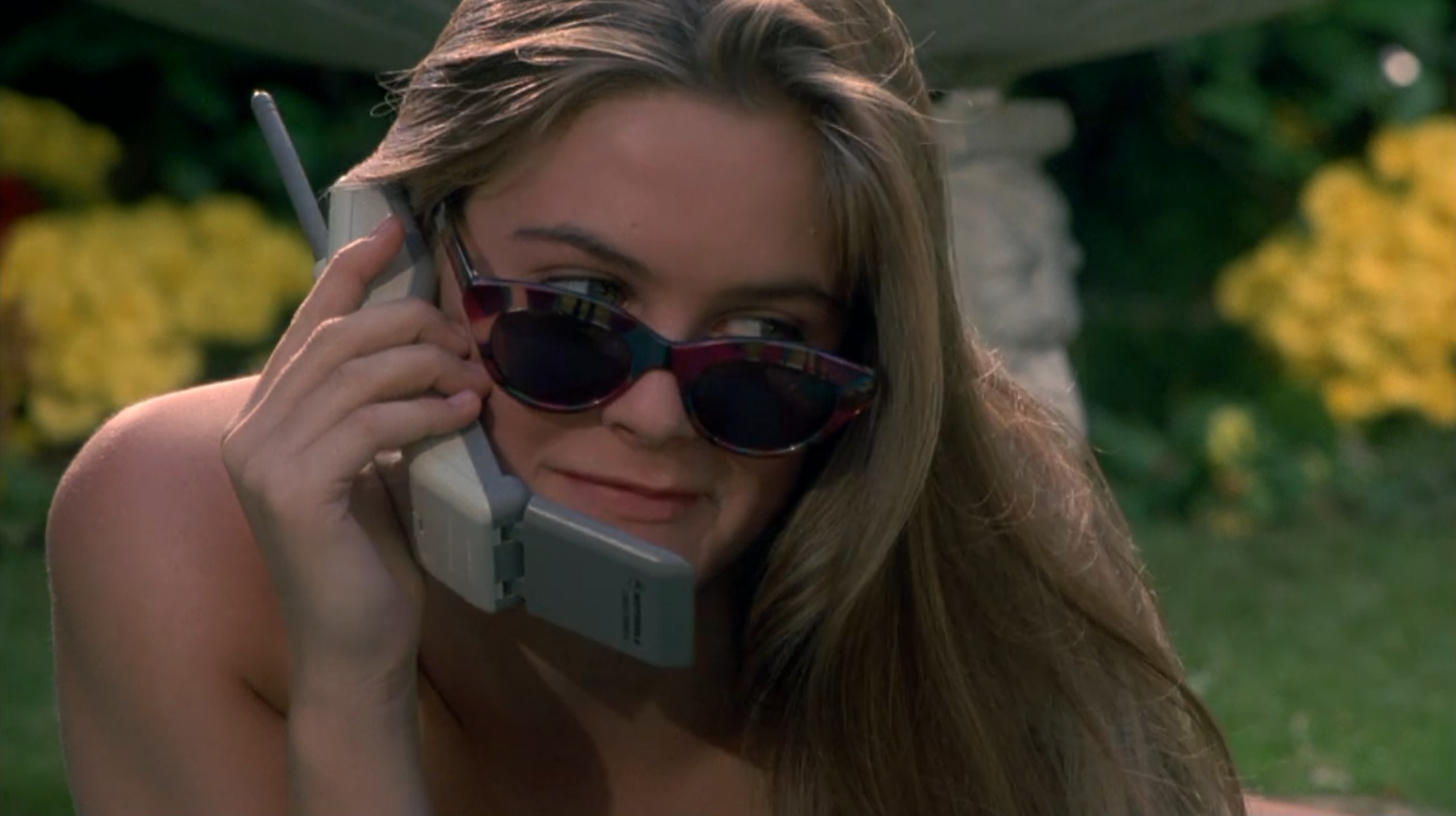
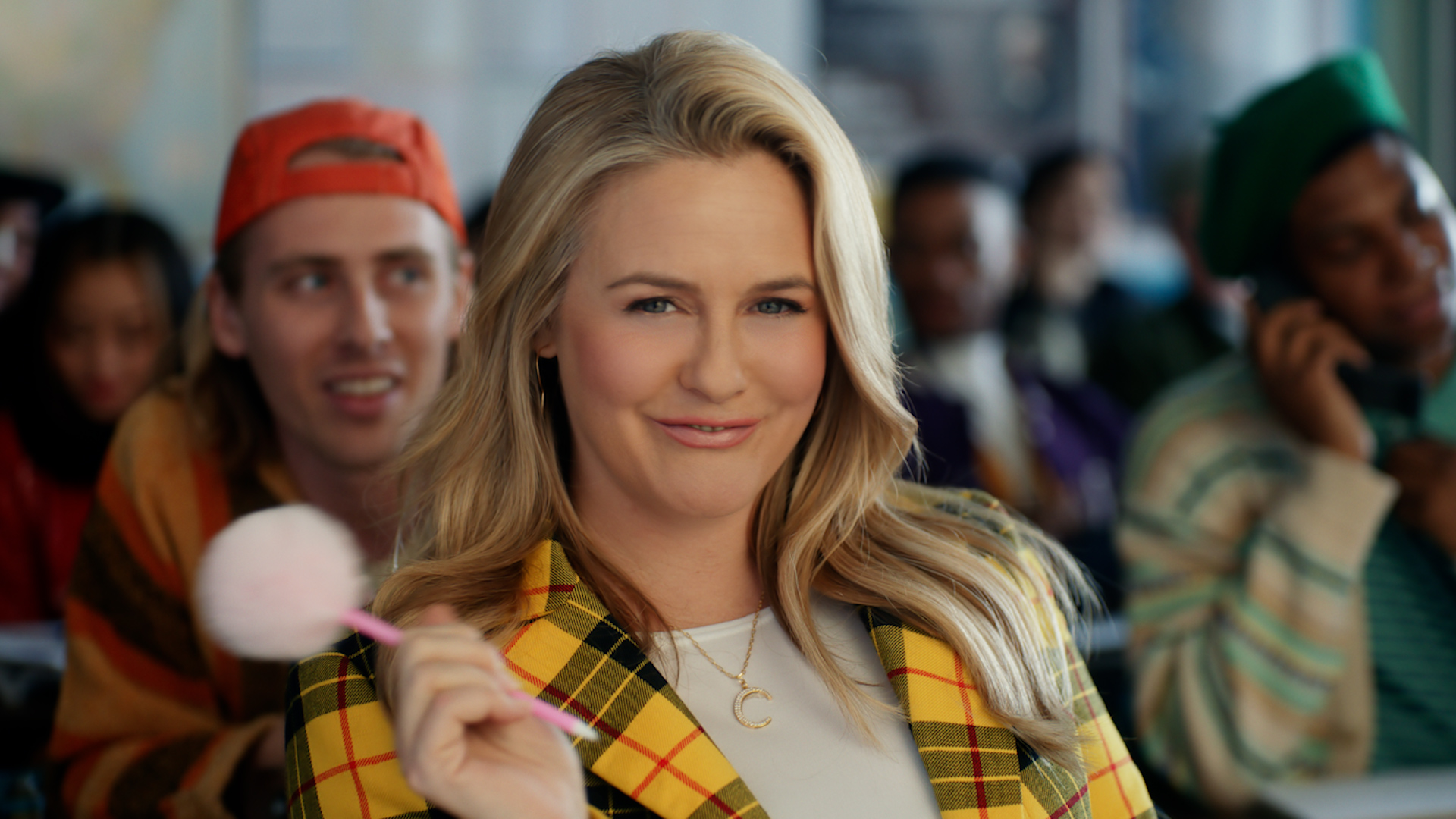
In the 1993 psychological thriller The Crush, Alicia Silverstone portrays Adrian Forrester, a manipulative and obsessed teenager who fixates on an older tenant, Nick Eliot, played by Cary Elwes. This breakout performance, Silverstone’s feature film debut, is widely cited as the catalyst for her meteoric rise in 1990s cinema, effectively establishing her screen presence and ability to play complex, dark characters.
The Narrative Context of The Crush
Released in April 1993, The Crush follows the story of Nick Eliot, a magazine writer who moves into a new home and rents a guest house from the Forrester family. He soon finds himself the object of 14-year-old Adrian’s intense and increasingly dangerous romantic obsession. When Nick rebuffs her advances, Adrian’s behavior shifts from infatuation to calculated psychological warfare, leading to a series of escalating events that threaten Nick's career, reputation, and safety.
At the time of its release, the film was marketed as a high-stakes thriller, capitalizing on themes of teenage obsession and the vulnerability of adult authority figures. For audiences in 1993, the film occupied a space between standard coming-of-age drama and slasher-adjacent suspense. Alicia Silverstone’s role is the engine of the film; without a compelling portrayal of Adrian, the stakes of the conflict would not carry the necessary weight to sustain the thriller elements of the plot.
Alicia Silverstone’s Portrayal of Adrian Forrester
Silverstone’s performance is notable for its refusal to rely on traditional "damsel in distress" or innocent tropes. Adrian Forrester is defined by a jarring duality: she maintains a veneer of precocious, charming adolescence while harboring a sociopathic detachment that manifests when she does not get her way.
Key Elements of the Performance:
- Calculated Manipulation: Silverstone utilizes subtle facial expressions and a tone of voice that shifts rapidly between vulnerability and cold indifference. This is crucial during scenes where Adrian attempts to gaslight Nick or influence her parents' perception of him.
- Intensity vs. Innocence: The success of the film rests on whether the audience believes the protagonist is being stalked, rather than just annoyed. Silverstone manages to imbue Adrian with a sense of entitlement that makes her behavior feel grounded in a warped logic, rather than mere impulsive rebellion.
- The Power Dynamic: By playing against Cary Elwes—who brings a grounded, weary professionalism to his role—Silverstone’s performance highlights the discomfort of an adult being targeted by a minor who occupies a position of perceived domestic safety.
The Impact on Silverstone’s Career
Prior to The Crush, Silverstone was known primarily for her commercial work and a guest appearance on The Wonder Years. Her performance as Adrian Forrester caught the attention of both critics and industry executives, proving that she could command a screen even when tasked with a morally ambiguous role.
The immediate aftermath of The Crush solidified her as a "teen scream" icon of the early 90s. This specific type of role—the dangerous, alluring, or complex young woman—was a sought-after archetype in the era's film landscape. Following this success, she moved into music videos for Aerosmith, which further cemented her pop-culture status, eventually leading to her definitive role as Cher Horowitz in Clueless (1995). While Cher and Adrian represent polar opposites of the spectrum—one a good-hearted socialite, the other a malevolent antagonist—both roles demonstrated Silverstone's natural charisma and ability to define the aesthetic of a decade.
Critical Reception and Industry Perception
During its initial theatrical run, The Crush received mixed reviews, but critical consensus frequently pointed to Silverstone as the standout element of the film. Reviewers noted that while the script followed many of the established tropes of the "fatal attraction" subgenre, Silverstone’s performance elevated the material.
| Aspect of Film | Critical Assessment | Impact on Performance |
|---|---|---|
| Plot Structure | Standard thriller tropes | Relies on the lead to create tension |
| Acting Depth | High for the genre | Silverstone provides essential nuance |
| Visual Style | 90s aesthetic, dark lighting | Enhances the "creepy" nature of Adrian |
| Pacing | Moderate/Slow-burn | Allows character development over action |
Critics of the era often compared the film to other cautionary tales of the time. However, the unique contribution of Silverstone’s performance was the portrayal of a "villain" who was not a monster in the traditional sense, but a girl who believed she was the victim. This framing forced the audience to engage with the uncomfortable reality of a child weaponizing their own youth against an adult.
Comparison: The Stalker Archetype in 90s Cinema
To understand the weight of Silverstone’s role, it is helpful to place it within the context of the "stalker" archetype popular in the 1990s.
- The Professionalized Threat: Unlike the adult stalkers common in films like Fatal Attraction, Adrian Forrester is a minor. This creates a legal and moral barrier for the protagonist (Nick) that prevents him from easily neutralizing the threat.
- The Lack of Empathy: While many thrillers provide a "backstory" to explain a character's villainy, The Crush focuses on the visceral reaction to Adrian's immediate actions. Silverstone manages to make the audience fear her without needing to humanize her in a way that would weaken the suspense.
- Domestic Intrusion: The film plays on the fear of the home being invaded. Because Adrian lives in the main house, she is a constant presence. Silverstone plays this not as a jump-scare monster, but as a persistent, unblinking shadow.
Frequently Asked Questions
Did Alicia Silverstone do her own stunts in The Crush?
While most of the film’s tension is psychological rather than physical, Silverstone performed many of her own character beats, including the scenes involving the horse and the physical confrontations. Stunt doubles were utilized for more complex sequences, as is standard practice in film production to ensure safety and continuity.
How did the audience perceive Adrian Forrester in 1993?
In 1993, audiences were divided. Some viewed the character as a terrifying portrayal of teenage obsession, while others found the premise of a minor pursuing an adult male uncomfortable. The performance was widely praised, but the content of the film sparked debates regarding the portrayal of minors in eroticized thriller contexts.
Is The Crush considered a cult classic today?
Yes, in 2026, The Crush is frequently studied and viewed as a quintessential example of 90s psychological thriller tropes. It is often cited in discussions about the "stalker film" era and serves as a major reference point for Alicia Silverstone’s filmography.
Why is this role considered a breakout performance?
It moved Silverstone from the realm of television and commercials into the high-profile world of feature films. By anchoring a major studio movie, she proved she could carry a film’s narrative weight, which directly led to the casting decisions that defined the middle of the decade.
What was the relationship between Silverstone and Cary Elwes on set?
Both actors have spoken in retrospective interviews about the professional atmosphere on set. Despite the intense and often uncomfortable nature of the scenes they shared, the actors maintained a respectful working relationship, which was essential for the technical execution of their scenes.
Conclusion and Recommendations for Further Viewing
Alicia Silverstone’s role in The Crush remains a masterclass in early career potential. It captures a specific moment in time where thriller narratives were shifting toward domestic settings and younger antagonists. For those interested in analyzing the evolution of the 1990s "stalker" thriller, The Crush is essential viewing, not merely for the plot, but for the performance of a young actress who would go on to shape a generation of cinema.
To fully appreciate the scope of this performance, viewers should consider watching it alongside other 1990s psychological thrillers, such as Fear (1996) or Single White Female (1992). These films, when viewed together, demonstrate the variety of ways that "obsession" was portrayed in the decade, with Silverstone’s take on Adrian Forrester remaining one of the most chillingly effective.