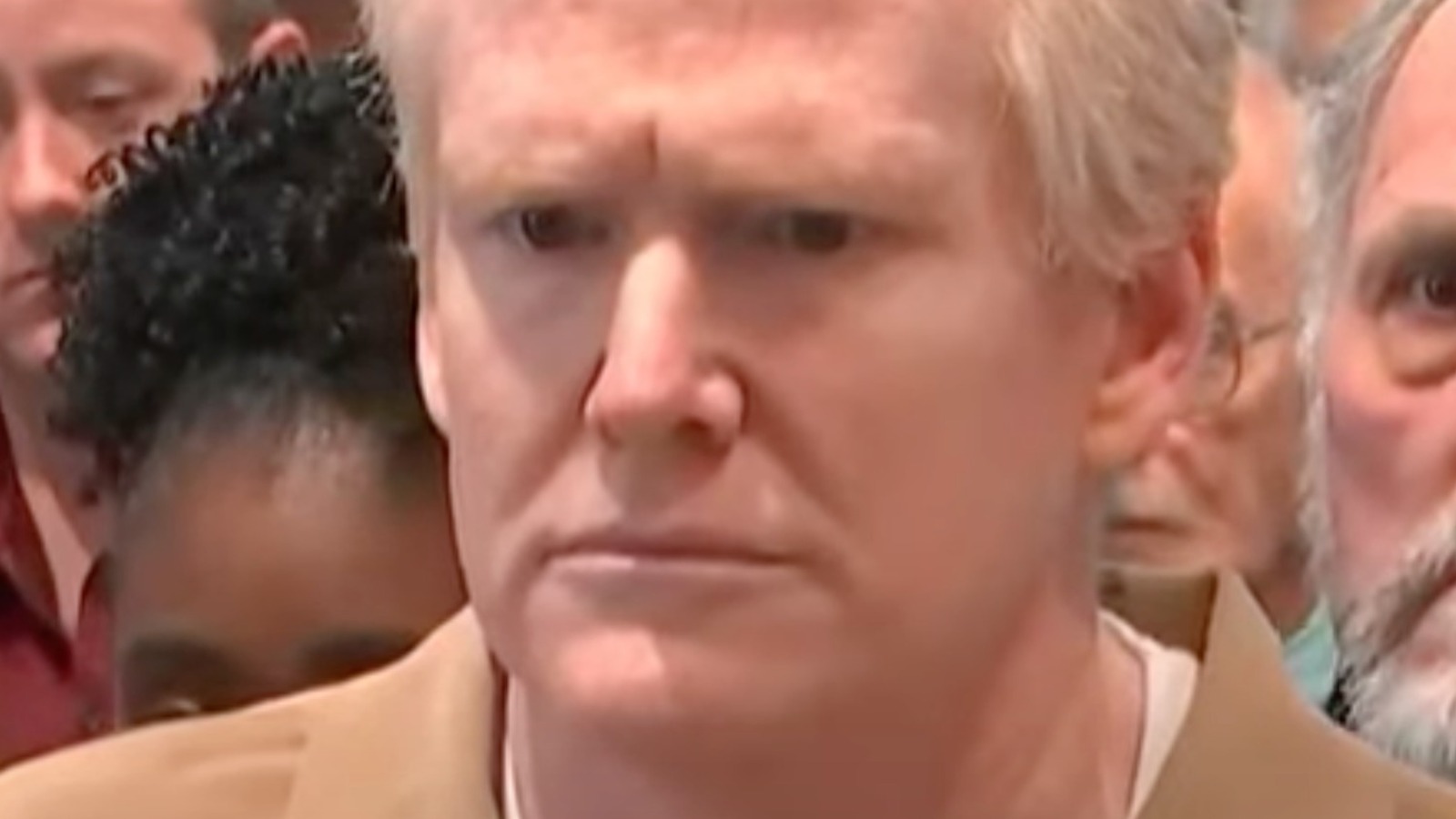
Randolph Murdaugh III was the patriarch of a legal dynasty that dominated South Carolina’s Lowcountry for nearly a century. A former Solicitor for the 14th Judicial Circuit, he died of natural causes on June 10, 2021, just three days after the murders of his daughter-in-law, Maggie, and grandson, Paul. His passing signaled the end of an era of unprecedented local power.
The Patriarch of the Lowcountry Legal Dynasty
To understand Alex Murdaugh, one must first understand the shadow cast by his father, Randolph Murdaugh III. For decades, the name "Murdaugh" was synonymous with the law in a five-county region of South Carolina: Allendale, Beaufort, Colleton, Hampton, and Jasper. Randolph III was the third generation of his family to hold the office of Solicitor, a position equivalent to a District Attorney.
The family’s grip on the 14th Judicial Circuit began in 1920 with Randolph Murdaugh Sr. and continued through Randolph "Buster" Murdaugh Jr. until Randolph III took the mantle in 1987. Under his leadership, the family’s private law firm, Peters, Murdaugh, Parker, Eltzroth & Detrick (PMPED), grew into a regional powerhouse. This dual influence—controlling the prosecutor’s office while simultaneously running a lucrative personal injury firm—created a legal environment where the Murdaugh family was often seen as the ultimate authority.
By 2026, looking back at the collapse of this empire, historians and legal analysts point to Randolph III as the final "traditional" patriarch who maintained the family’s veneer of respectability and immense local influence before the scandals involving his son, Alex, fully came to light.
Professional Career and Judicial Influence
Randolph Murdaugh III served as the elected Solicitor from 1987 until his retirement in 2006. Even after stepping down, he continued to serve as a part-time "special prosecutor" in the office, maintaining his presence in the halls of justice.
His tenure was defined by a formidable reputation in the courtroom. Known for his charisma and deep understanding of the local jury pool, Randolph III was rarely challenged. In the Lowcountry, he was a figure of both respect and fear. His ability to secure convictions as a prosecutor was matched only by his firm’s ability to secure massive settlements for plaintiffs in civil cases.
Hampton County, the family’s base of operations, became known nationally as a "judicial hellhole" for corporate defendants. This reputation was largely built during Randolph III's era, as the PMPED firm successfully sued railroads and large corporations, frequently winning multi-million dollar verdicts from local juries who viewed the Murdaughs as their champions.
The Role of the Solicitor in South Carolina
In South Carolina, the Solicitor is the chief law enforcement officer of a judicial circuit. They decide which cases to prosecute and how to allocate resources. For 86 consecutive years, a Murdaugh held this office. Randolph III’s 19-year term was the final chapter of this direct control. His influence extended beyond the courtroom into the political fabric of the state, as he was a major donor and power broker within the Democratic party in South Carolina for decades.
The Murdaugh Family Structure
Randolph III and his wife, Elizabeth "Libby" Murdaugh, raised four children who would all, in various ways, remain connected to the family’s legal and social legacy:
- Randolph "Randy" Murdaugh IV: Followed the family path into the law and became a partner at PMPED.
- Richard Alexander "Alex" Murdaugh: Also a lawyer at the firm, who would eventually be convicted of murdering his wife and son.
- John Marvin Murdaugh: Built a successful business outside the law firm, operating equipment dealerships.
- Lynn Murdaugh Goettee: Pursued a career in victim advocacy within the South Carolina legal system.
Randolph III was known to be a demanding but devoted father who placed immense value on the family name. The expectations for his sons were high: they were to be leaders in the community, successful trial lawyers, and protectors of the "Murdaugh Way."
The Tragedy of June 2021: A Timeline of Death
The summer of 2021 remains one of the most scrutinized periods in Southern legal history. The timing of Randolph III’s death is inextricably linked to the murders that brought his son to justice.
- June 7, 2021: Maggie and Paul Murdaugh are shot and killed at the family’s Moselle estate in Colleton County. On this same night, Alex Murdaugh claimed to be visiting his ailing father at his home in Almeda.
- June 10, 2021: Randolph Murdaugh III dies at his home at the age of 81. He had been battling cancer and other health issues for some time, but his condition deteriorated rapidly following the news of the murders.
- June 13, 2021: A large funeral is held for Randolph III, drawing hundreds of mourners, including high-ranking state officials, judges, and law enforcement officers.
The defense during Alex Murdaugh’s murder trial argued that Alex was a "loving son" who was distraught over his father’s terminal illness, using this as a psychological reason why he could not have committed the murders. Conversely, the prosecution suggested that the impending death of the family patriarch—and the likely loss of his protection—may have contributed to the "perfect storm" of financial pressure and personal desperation that led Alex to kill his wife and son.
Comparing the Generations of Murdaugh Solicitors
The succession of power from father to son for nearly a century is rare in American law. The following table illustrates the timeline of Randolph III’s lineage in the 14th Judicial Circuit.
| Generation | Name | Term in Office | Notable Impact |
|---|---|---|---|
| First | Randolph Murdaugh Sr. | 1920–1940 | Established the office; died in a train-car collision that some viewed with suspicion. |
| Second | Randolph "Buster" Murdaugh Jr. | 1940–1986 | Served for 46 years; known for his iron-fisted control and colorful courtroom personality. |
| Third | Randolph Murdaugh III | 1987–2006 | Expanded the family firm (PMPED) into a civil litigation powerhouse; retired the family "monarchy." |
| Fourth | (None) | N/A | Alex Murdaugh served as a part-time volunteer; the family lost the elected seat after 2006. |
The "Great Man" Shadow and Alex Murdaugh
Many who knew the family suggested that Alex Murdaugh lived in the perpetual shadow of his father. Randolph III was seen as the "real deal"—a sharp, effective prosecutor and a man of his word. In contrast, Alex was often viewed as the "lesser" of the brothers in terms of legal acumen, relying more on the family name and social connections than on his own trial skills.
Evidence presented during the 2023 trial suggested that Alex may have been embezzling millions of dollars from his firm and clients for over a decade. This began while his father was still active at the firm. One of the central unanswered questions is how much Randolph III knew about his son's financial misconduct. While there has never been formal evidence linking Randolph III to Alex’s crimes, the culture of the firm—where a Murdaugh’s actions were rarely questioned—was certainly established under his leadership.
The Alibi Defense
During the investigation into the deaths of Maggie and Paul, Alex used his father’s failing health as a cornerstone of his alibi. He claimed he left the Moselle property to visit his father in Almeda to check on him. The prosecution later proved, via cell phone data and a video found on Paul’s phone, that Alex was at the kennels with the victims just minutes before they were killed. The tragedy of Randolph III’s illness became a tool used by his son to attempt to mask a double homicide.
Legacy and the Tarnished Name
The death of Randolph III marked the beginning of a total collapse for the Murdaugh brand. Within months of his passing:
- Alex Murdaugh was forced out of the PMPED law firm for stealing funds.
- A botched "assisted suicide" attempt occurred on a roadside in Hampton County.
- Dozens of indictments for financial crimes were issued against Alex.
- The PMPED firm rebranded as the Parker Law Group to distance itself from the Murdaugh name.
Randolph III died before the full extent of the family's disgrace was public knowledge. He was spared the sight of his son being sentenced to two consecutive life terms for the murder of his own grandson and daughter-in-law. However, for the people of South Carolina, Randolph III represents the peak of a system that allowed a single family to exert nearly total control over a judicial circuit for eighty-six years.
Frequently Asked Questions
What was the official cause of death for Randolph Murdaugh III?
Randolph Murdaugh III died of natural causes following a lengthy battle with cancer and other underlying health issues. He was 81 years old at the time of his death on June 10, 2021. His health had been in decline for several months, and he was reportedly in hospice care or receiving palliative care at his home in the days leading up to his passing.
Did Randolph Murdaugh III know about Alex's financial crimes?
There is no public evidence or legal testimony confirming that Randolph III was aware of Alex Murdaugh’s decade-long embezzlement schemes. However, given that they worked in the same firm and Randolph III remained an influential figure there until his death, many skeptics question how such vast sums of money could go missing without the patriarch's knowledge. No charges were ever brought against Randolph III.
Was Randolph III involved in the investigation of the boat crash?
Following the 2019 boat crash involving his grandson Paul Murdaugh, which resulted in the death of Mallory Beach, Randolph III and his son Randy IV appeared at the hospital. Reports from that night suggested the family was attempting to influence the investigation and prevent Paul from being identified as the driver. While Randolph III's presence was noted, he was never charged with any obstruction of justice.
How much was Randolph Murdaugh III worth?
While an exact net worth was never publicly disclosed in probate records, Randolph III was extremely wealthy. His wealth was derived from his decades as a successful personal injury attorney at PMPED and his family's vast real estate holdings across the Lowcountry. The family owned thousands of acres of land, including the Moselle hunting estate (which was later sold to pay off Alex's debts and legal fees).
Who took over the Solicitor's office after Randolph III?
Randolph III was the last Murdaugh to hold the elected office. After his retirement in 2006, the office was eventually won by Duffie Stone. While Stone was not a Murdaugh, he was seen as an ally of the family for many years, which led to calls for his recusal during the early stages of the Maggie and Paul Murdaugh murder investigation.
Practical Considerations and Historical Impact
For those researching the Murdaugh case or Southern legal history, Randolph Murdaugh III serves as a case study in how localized power functions. His life demonstrates how a family can build a legitimate legacy of public service while simultaneously creating a private empire that is shielded from outside scrutiny.
If you are following the ongoing legal fallout of the Murdaugh family in 2026, it is essential to distinguish between the various Randolphs:
- Randolph Sr.: The founder (died 1940).
- Randolph Jr. ("Buster"): The long-term Solicitor (died 1998).
- Randolph III: The subject of this article and Alex’s father (died 2021).
- Randolph IV ("Randy"): Alex’s brother, who remains a practicing attorney.
Understanding these distinctions is critical for navigating the complex web of lawsuits and historical records associated with the 14th Judicial Circuit.
For further verified details on the history of the 14th Circuit Solicitors, you may visit the South Carolina Commission on Prosecution Coordination. For records related to the family's legal firm, the South Carolina Bar provides historical data on licensed attorneys in the region.