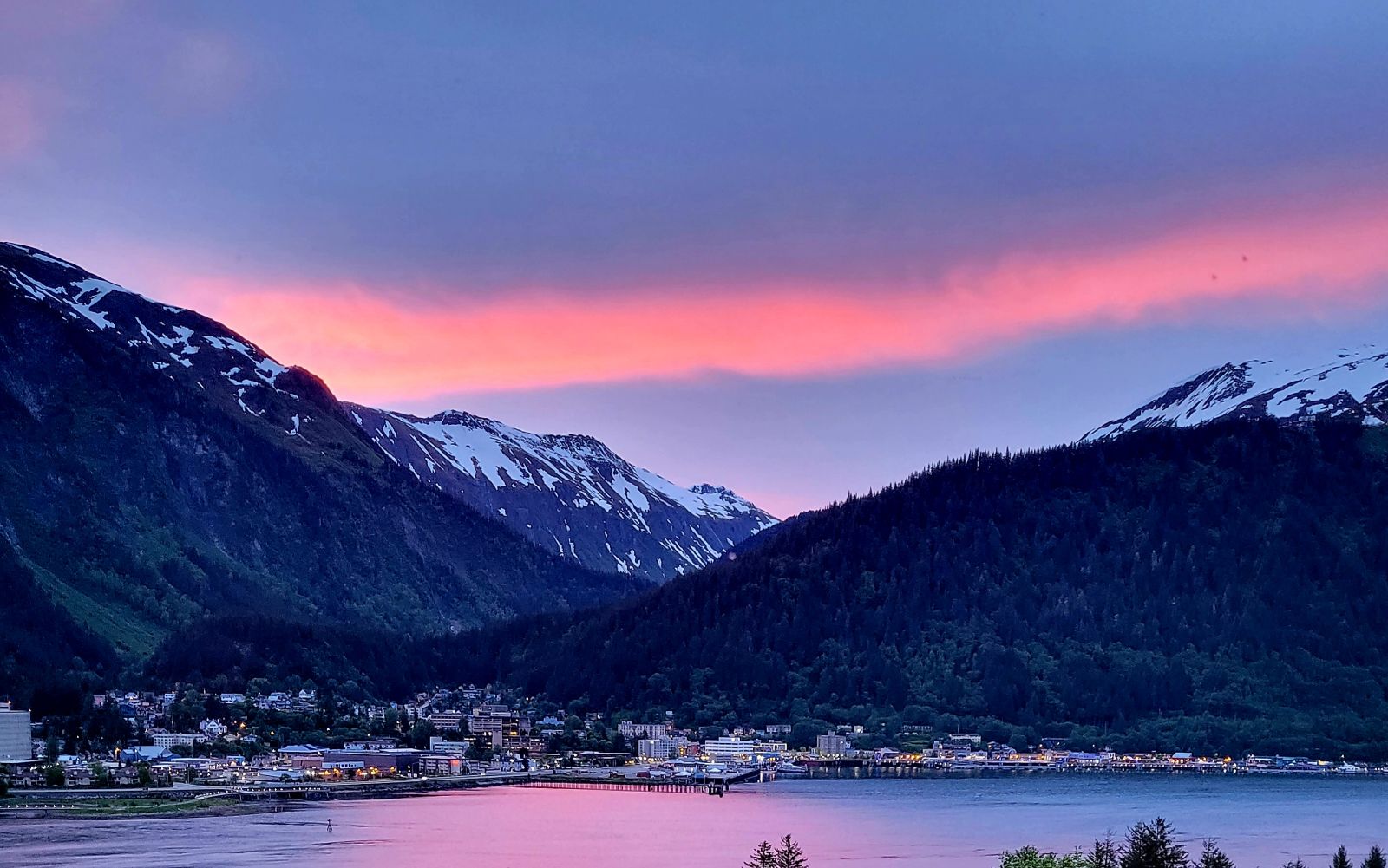
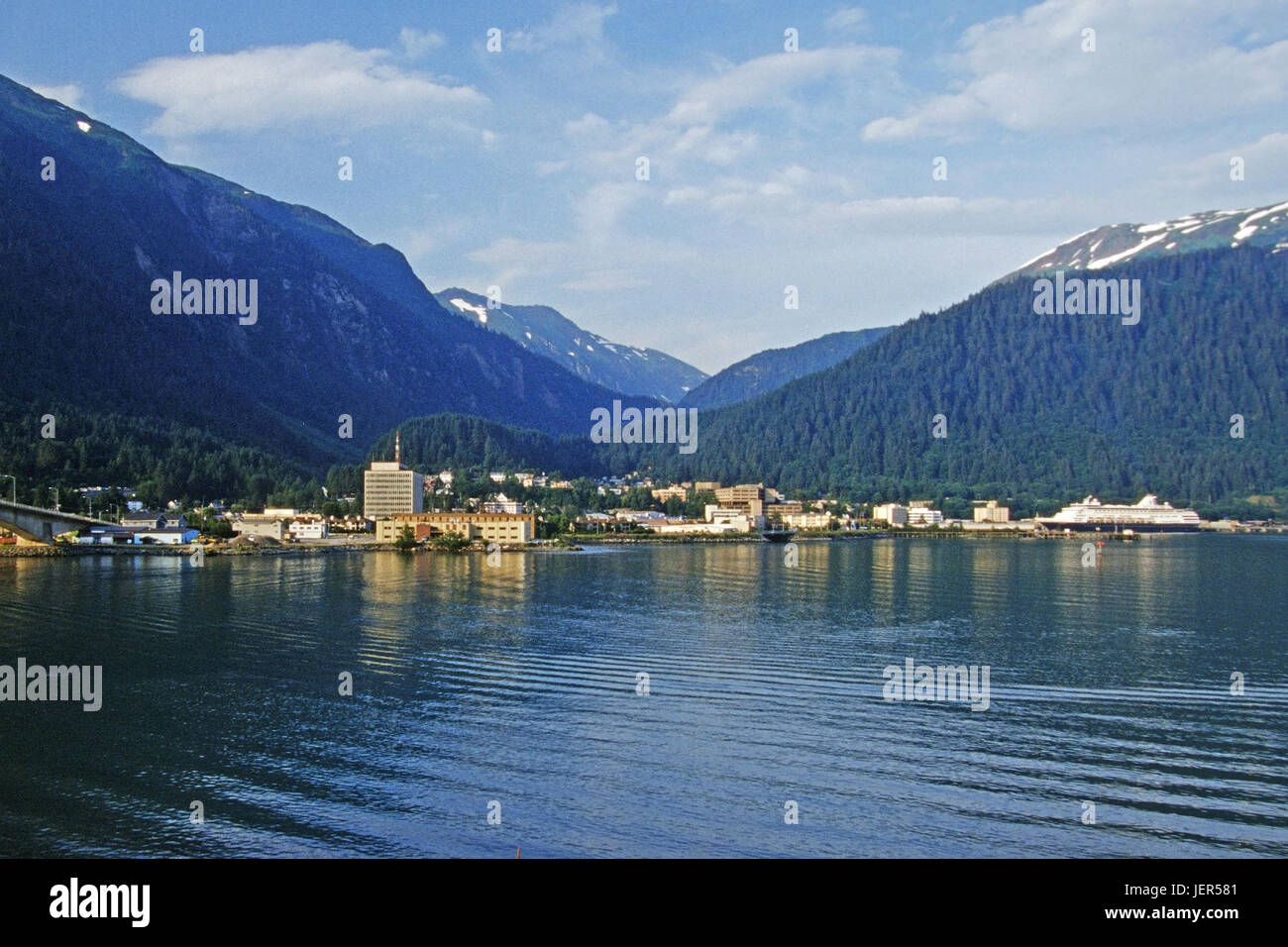
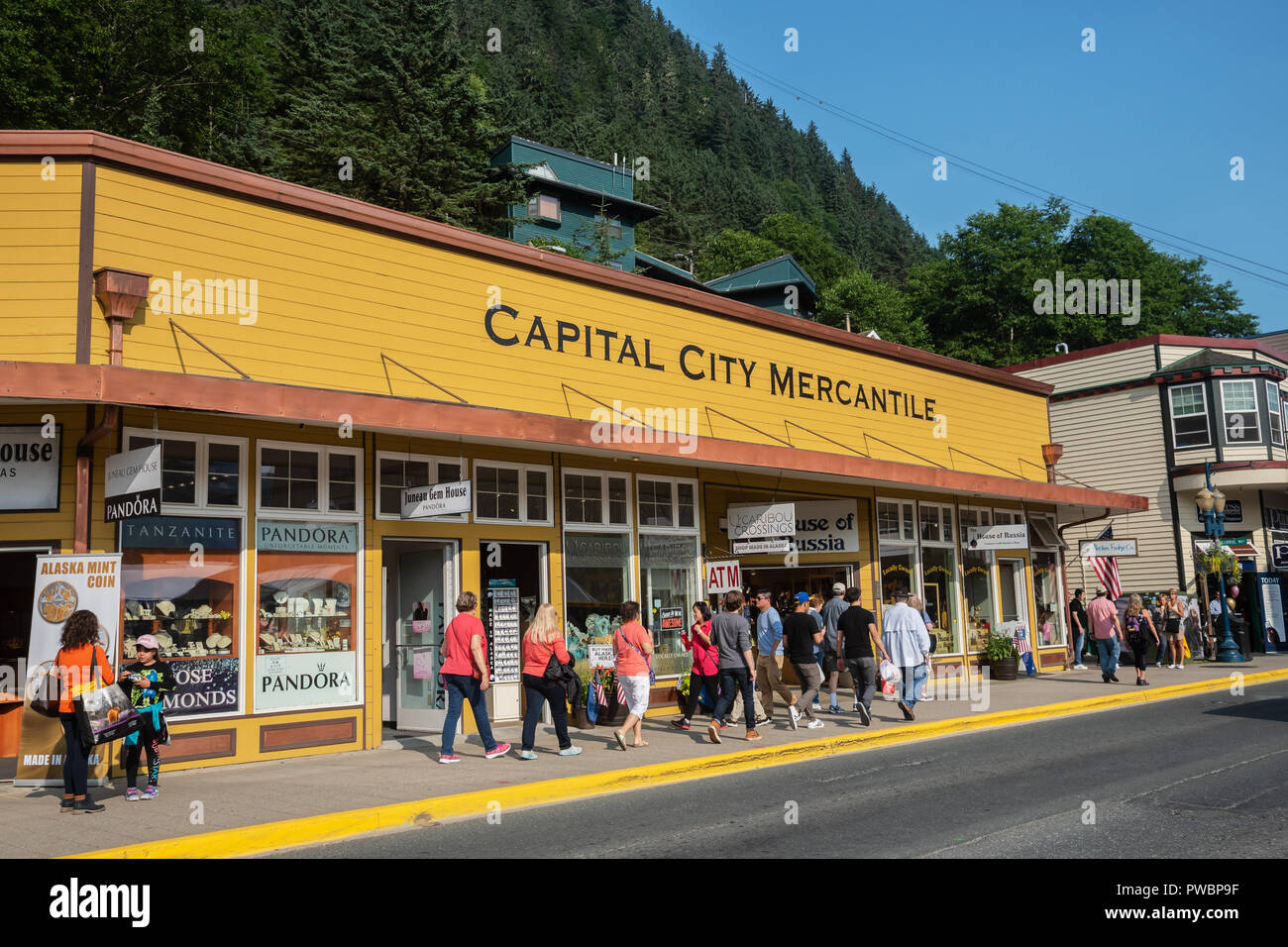
Juneau is Alaska’s capital city, a unique municipality situated in the state’s panhandle along the Gastineau Channel. Accessible only by sea or air, it serves as the political and administrative heart of Alaska, characterized by its stunning glacial landscapes, rich Tlingit heritage, and a history rooted in the 1880s gold rush.
The Unique Geography of Alaska’s Capital City
When discussing Alaska’s capital city, the most striking feature is its geographical isolation. Juneau is the only state capital in the United States that is not accessible by a road network connecting it to the rest of the state or the North American continent. Hemmed in by the massive Juneau Icefield to the east and the waters of the Gastineau Channel to the west, the city exists as a virtual island on the mainland.
As of 2026, the debate regarding a "road to Juneau" remains a staple of local discourse. For decades, various proposals for the Juneau Access Project have attempted to bridge the gap between the city and the continental road system, but environmental challenges, extreme terrain, and astronomical costs have kept the city reliant on the Alaska Marine Highway System and air travel. This isolation has preserved a distinct cultural and social atmosphere, where the arrival of the daily ferry or flight is a significant rhythmic beat in the community’s life.
The city encompasses a massive land area—approximately 3,255 square miles—making it one of the largest municipalities by area in the United States. However, the vast majority of this land is comprised of rugged mountains, glaciers, and the dense temperate rainforest of the Tongass National Forest. The developed portion of the city is concentrated in a narrow strip of land along the coast, creating a high-density urban core surrounded by absolute wilderness.
Historical Foundations: From A’akw Kwáan to Gold Rush Hub
The history of Alaska’s capital city begins long before European or American arrival. The area has been the ancestral home of the A’akw Kwáan and Taku Kwáan Tlingit people for thousands of years. Their culture, deeply intertwined with the salmon-rich waters and the cedar forests, remains a foundational pillar of modern Juneau. The Tlingit influence is visible throughout the city, from the stunning totem poles in the Savikko Park to the architecture of the Walter Soboleff Building.
The modern city’s trajectory changed forever in 1880. Following a tip from a Tlingit leader named Kowee, prospectors Richard Harris and Joe Juneau discovered gold in Silver Bow Basin. This strike triggered one of the first major gold rushes in Alaska. The settlement was briefly named Harrisburg and Rockwell before the miners eventually voted to name it Juneau in 1881.
Juneau’s ascent to political prominence occurred in 1906, when the capital of the Alaska Territory was moved from Sitka. The shift was primarily driven by Juneau's burgeoning economic power and its more central location relative to the growing mining operations in the north. Unlike many other gold rush towns that became ghost towns once the veins ran dry, Juneau’s status as the governmental seat provided a permanent economic foundation that allowed it to survive the closure of the great Alaska-Juneau (A-J) and Treadwell mines in the mid-20th century.
The Mechanics of Government in Juneau
As the seat of power, the government is the primary employer in Alaska’s capital city. The Alaska State Capitol is an architectural anomaly among U.S. state capitols. Completed in 1931 during the territorial era, it lacks the traditional dome found in most states. Instead, it features a Beaux-Arts facade with columns made of Tlingit-quarried marble.
Inside these walls, the Alaska State Legislature meets annually for a session that typically runs from January through May. During these months, the city’s population and energy levels swell as lawmakers, lobbyists, and journalists descend upon the capital. The legislative session is a critical period for the city, influencing everything from hotel occupancy rates to the local dining scene.
Beyond the legislature, Juneau houses the Alaska Supreme Court and the executive offices of the Governor. The Governor’s Mansion, a stately white home overlooking the channel, has been the official residence of Alaska’s leaders since 1912. Managing the state’s massive natural resource wealth—specifically the Permanent Fund—is a central theme of the work performed here. In 2026, the administrative functions of the city continue to evolve as remote work and digital governance integrate with the traditional, face-to-face nature of Alaskan politics.
The Economy of Alaska’s Capital City in 2026
While government provides the "stable floor" of Juneau’s economy, the "ceiling" is increasingly defined by the tourism industry. Juneau is one of the most popular cruise ship destinations in the world. Between May and September, the city welcomes over a million visitors. This influx is managed through a complex set of agreements between the City and Borough of Juneau (CBJ) and the cruise lines to balance economic benefits with the quality of life for residents.
The economic landscape of 2026 reflects a sophisticated diversification:
- Government Sector: Provides roughly one-quarter of all jobs in the city.
- Tourism: Focused on the Mendenhall Glacier, whale watching, and the Mount Roberts Tramway.
- Fishing: Juneau remains a significant port for both commercial fishing fleets and cold-storage processing.
- Mining: The Greens Creek Mine on Admiralty Island continues to be one of the largest silver mines in the world, providing high-wage industrial jobs that balance the service-heavy tourism sector.
Managing the "tourist footprint" has become a central political issue. In 2026, Juneau utilizes a "ship limit" system to prevent overcrowding on the busiest days, ensuring that the infrastructure and the environment—particularly the sensitive Mendenhall Glacier area—are protected for future generations.
Essential Logistics: Access and Transportation
Reaching Alaska’s capital city requires planning, as you cannot simply drive a car into town from the Alcan Highway. There are two primary methods of arrival:
By Air
Juneau International Airport (JNU) is the city's lifeline. Alaska Airlines provides year-round daily jet service connecting Juneau to Seattle and Anchorage. Smaller regional carriers, such as Alaska Seaplanes and Ward Air, provide essential links to smaller Southeast Alaska communities like Haines, Skagway, and Hoonah. Because of the mountainous terrain and frequent coastal fog, flights are occasionally subject to weather delays, a reality of life that locals call "being weathered in."
By Sea
The Alaska Marine Highway System (AMHS) is the state-run ferry service that functions as a "floating highway." These vessels carry passengers and vehicles from terminals in Bellingham, Washington, or Prince Rupert, British Columbia, through the Inside Passage to Juneau’s Auke Bay terminal. For those moving to the capital or traveling with a vehicle, the ferry is the only viable option. Additionally, the city serves as a major hub for international cruise lines, which dock directly in the downtown waterfront area.
Comparative Infrastructure of Major Alaska Hubs
| Feature | Juneau (Capital) | Anchorage | Fairbanks |
|---|---|---|---|
| Population (2026 Est.) | ~32,000 | ~285,000 | ~33,000 |
| Road Access | None (Sea/Air only) | Full Highway Access | Full Highway Access |
| Primary Economy | Government, Tourism, Mining | Logistics, Oil/Gas, Military | Education, Military, Mining |
| Climate Type | Maritime (Rainy/Mild) | Transitional | Continental (Cold/Dry) |
| Average Annual Snow | 85-90 inches | 75-80 inches | 60-65 inches |
The Mendenhall Glacier and Environmental Stewardship
No discussion of Alaska’s capital city is complete without the Mendenhall Glacier. Located only 12 miles from downtown, it is one of the most accessible glaciers in North America. Managed by the U.S. Forest Service as part of the Mendenhall Glacier Recreation Area, it offers a dramatic visual record of climate change.
By 2026, the glacier has significantly receded from its 20th-century position, leading to the creation of new lakefront areas and shifting trail access. The Forest Service has implemented updated visitor management plans to handle the high volume of tourists while protecting the black bears and spawning salmon that inhabit the area. The "Nugget Falls" trail remains a primary attraction, allowing visitors to walk to the base of a massive waterfall right next to the glacial face.
Environmental stewardship in Juneau extends beyond the glacier. The city is a leader in renewable energy in the region, primarily through Alaska Electric Light & Power (AEL&P), which utilizes hydroelectric power from Snettisham. This allows the city to run on clean energy for much of the year, although backup diesel generators are occasionally required during particularly cold or dry spells when reservoir levels are low.
Living in Juneau: Cost and Culture
Living in Alaska’s capital city offers a high quality of life with significant costs. Because all goods—from groceries to construction materials—must arrive by barge or plane, the cost of living is roughly 25-30% higher than the U.S. national average. Housing is particularly constrained due to the lack of buildable land between the mountains and the sea.
Despite the costs, the culture of Juneau is vibrant and active. The city boasts a robust arts scene, anchored by the Juneau Douglas City Museum and the Perseverance Theatre, which is Alaska’s only professional regional theater. Outdoor recreation is a way of life; even in the rainy "shoulder seasons," residents can be found hiking the Perseverance Trail, skiing at Eaglecrest Ski Area on Douglas Island, or kayaking in Fritz Cove.
The social fabric is tight-knit. In a city where you cannot drive away, community cooperation is essential. This is evidenced by the "Juneau way"—a blend of rugged self-reliance and a willingness to help neighbors during the heavy snowfalls or "Taku winds" that occasionally buffet the city.
Frequently Asked Questions
Why isn't Anchorage the capital of Alaska?
While Anchorage is the largest city and the economic hub, Juneau remains the capital due to historical precedent and the significant cost and political complexity of moving the capital. Multiple ballot initiatives to move the capital to the "railbelt" (the area between Anchorage and Fairbanks) have failed over the decades, as voters often decide that the expense of building a new capital complex is not worth the investment.
Can you drive from Juneau to the rest of Alaska?
No. There are no roads connecting Juneau to the outside world. You can drive within the city limits (which offer about 45 miles of main road), but to leave with a vehicle, you must use the Alaska Marine Highway ferry system.
What is the weather like in Alaska’s capital city?
Juneau has a mid-latitude oceanic climate, which is much milder but much wetter than interior Alaska. It receives an average of 62 inches of rain per year downtown and significantly more in the nearby valleys. Winters are cold but rarely reach the extreme sub-zero temperatures found in Fairbanks, while summers are cool and damp with average highs in the low 60s Fahrenheit.
Is Juneau a good place for see the Northern Lights?
While Juneau is far enough north to see the Aurora Borealis, its coastal location means it is frequently cloudy. To see the Northern Lights in Juneau, you need a combination of high solar activity and a rare clear night. Fairbanks is generally a better destination for dedicated aurora viewing.
What is the "Capital Move" debate?
The capital move debate refers to the long-standing political argument about whether to move the seat of government closer to the majority of the population in Anchorage. Supporters of a move argue for better accessibility, while opponents cite the historical significance of Juneau and the massive projected costs of relocating thousands of government employees and infrastructure.
Next Steps for Visitors and Researchers
If you are planning a visit to Alaska’s capital city in 2026, your first step should be to secure transportation well in advance, as flights and ferry cabins fill up quickly during the summer months. For those interested in the legislative process, visiting between February and April offers the best opportunity to see the state government in action. Researchers looking for historical or demographic data should consult the City and Borough of Juneau official website or the Alaska State Archives, which are located within the city. Whether you are drawn by politics, history, or the sheer raw beauty of the Tongass National Forest, Juneau remains one of the most distinctive and culturally rich cities in the United States.