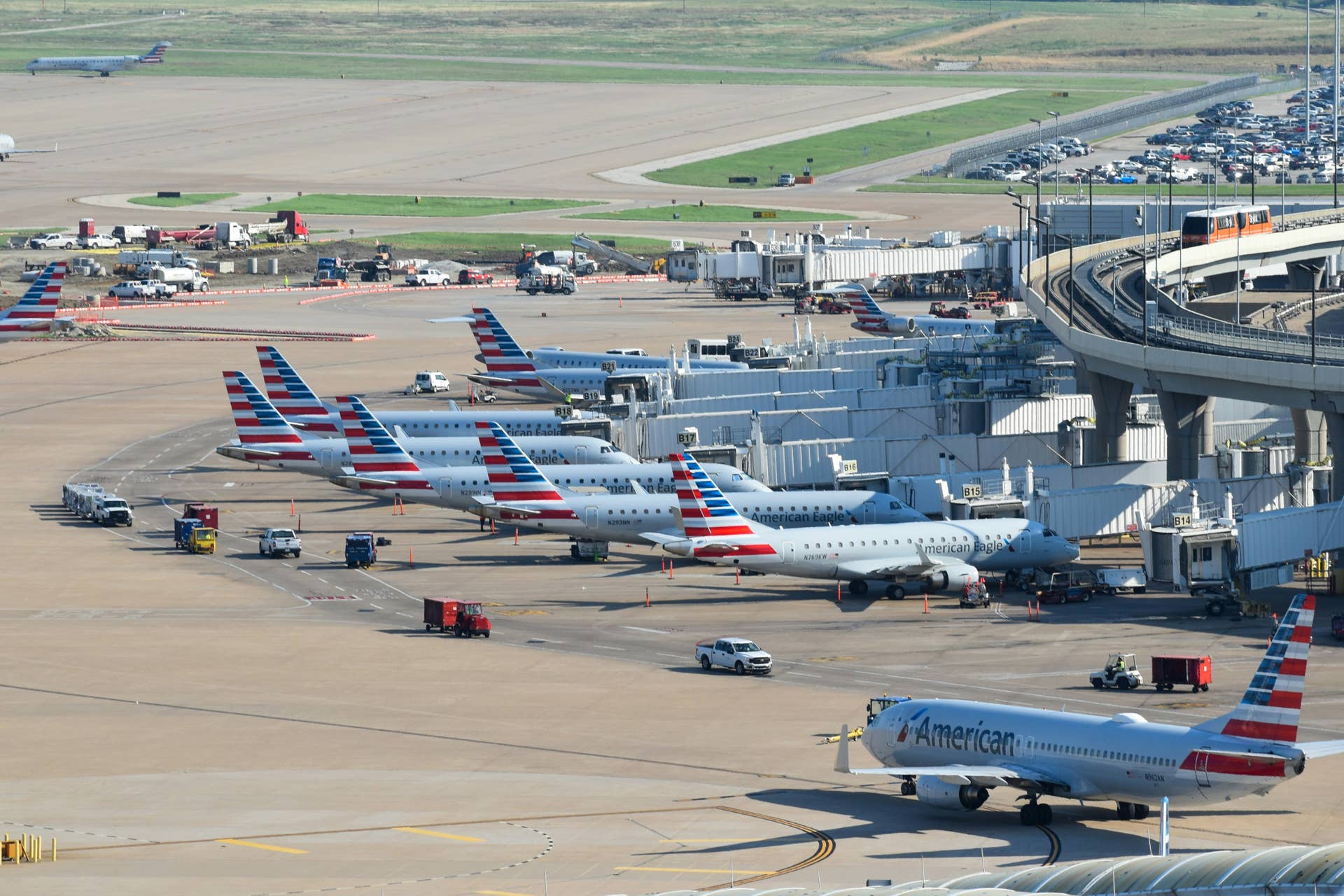
In 2026, travelers in the United States continue to face significant flight disruptions, with Newark Liberty (EWR), Fort Lauderdale-Hollywood (FLL), and Orlando International (MCO) consistently ranking among the airports with the most delays. These delays are primarily driven by a combination of high-density airspace, seasonal weather patterns, and ongoing air traffic control staffing shortages.
Understanding the Landscape of US Flight Delays in 2026
Flight delays are more than just a nuisance; they are a complex interplay of infrastructure limits, meteorological events, and operational logistics. When analyzing which airports have the most delays in the US, experts typically look at "on-time performance," defined by the Department of Transportation (DOT) as a flight that arrives or departs within 15 minutes of its scheduled time.
As we navigate through 2026, the aviation industry has reached a state of high-capacity utilization. While technological advancements in the Federal Aviation Administration’s (FAA) NextGen program have improved some routing efficiencies, the sheer volume of passengers—coupled with the increasing frequency of extreme weather events—keeps the delay statistics high at major hubs. Travelers heading through the Northeast corridor or Florida "sun-spot" destinations generally face the highest risk of schedule disruptions.
The Top 10 Airports with the Most Delays in the US
The following airports have historically and currently in 2026 shown the highest percentage of delayed departures and arrivals. The reasons range from geographic vulnerability to the structural limitations of the airports themselves.
1. Newark Liberty International Airport (EWR)
Located in the heart of the most congested airspace in the world, Newark Liberty remains a frequent leader for flight delays. Its proximity to John F. Kennedy (JFK) and LaGuardia (LGA) means that any minor disruption in the New York/New Jersey area ripples through Newark’s schedule. In 2026, despite terminal upgrades, the primary bottleneck remains the limited number of runways and the complexity of the departure corridors that must be shared with neighboring airports.
2. Fort Lauderdale-Hollywood International Airport (FLL)
Fort Lauderdale has seen a massive surge in traffic over the last few years. As a primary hub for low-cost carriers and a gateway to the Caribbean, the high volume of narrow-body aircraft operations often leads to ground stops. Additionally, Florida’s unpredictable afternoon thunderstorms and the occasional disruption from space launch activity at nearby Cape Canaveral contribute to its high delay rankings.
3. Orlando International Airport (MCO)
Orlando is a massive leisure hub, meaning it handles a high volume of families and large groups. This demographic often leads to slower boarding processes, which can cause "cascading delays" throughout the day. In 2026, Orlando also faces the challenge of being a primary destination for "sun-seekers" during the summer months when convective weather is most prevalent, often resulting in daily ground delay programs.
4. Chicago O’Hare International Airport (ORD)
O’Hare is a critical "mega-hub" for both United and American Airlines. While the O’Hare Modernization Program has added significant runway capacity, the airport’s location in the Midwest makes it highly susceptible to winter snowstorms and spring thunderstorms. When weather hits Chicago, the impact is national, as thousands of connecting passengers are displaced.
5. Dallas/Fort Worth International Airport (DFW)
As one of the world’s busiest airports by aircraft movements, DFW operates like a finely tuned machine. However, when the machine breaks, it breaks spectacularly. Large-scale weather systems moving across the Great Plains can shut down operations for hours. In 2026, DFW continues to struggle with "ramp congestion," where aircraft wait for gates to open during peak arrival banks.
6. Harry Reid International Airport (LAS)
Las Vegas is a unique case where the sheer volume of weekend traffic creates significant bottlenecks. The airport is surrounded by mountainous terrain and restricted military airspace, leaving air traffic controllers with narrow "gates" for arrivals and departures. High temperatures in the summer also occasionally affect aircraft performance, leading to weight restrictions or delayed departures.
7. San Francisco International Airport (SFO)
San Francisco’s primary delay factor is one of the most famous in aviation: the morning fog. The airport’s runway configuration requires high visibility for simultaneous parallel landings. When the marine layer rolls in, the arrival rate is essentially cut in half, leading to immediate delays that can last well into the afternoon.
8. LaGuardia Airport (LGA)
While the new terminals at LaGuardia have transformed the passenger experience on the ground, the "pavement" remains the same. LaGuardia is a small, land-constrained airport with two intersecting runways. There is simply no room for error; one blown tire or a minor mechanical issue on the runway can halt all operations for an hour or more.
9. Boston Logan International Airport (BOS)
Boston faces the dual challenge of being a coastal airport with intense winter weather and being part of the congested Northeast corridor. Wind shifts are a frequent problem here, requiring the FAA to change runway configurations mid-day, which inevitably leads to a backlog of planes waiting to take off.
10. Denver International Airport (DEN)
Denver is a massive hub that serves as the gateway to the West. While it has plenty of space and many runways, it is plagued by high-altitude weather and intense wind shear. In 2026, Denver’s ongoing construction and expansion projects have also added a layer of operational complexity that contributes to taxi-time delays.
Regional Trends: Why Certain Hubs Consistently Struggle
When looking at the airports with the most delays in the US, geographical clusters emerge. The Northeast Corridor (Boston, New York, Philadelphia, DC) is the most difficult region to manage. The airports are physically close together, and their departure and arrival paths often overlap. If a storm hits Philadelphia, it almost certainly affects JFK and EWR, creating a regional gridlock.
The Florida Peninsula represents the second most troubled region. In 2026, the combination of increased private jet traffic, commercial growth, and "rocket launch windows" from the Space Coast has made Florida's airspace some of the most restricted in the nation. Travelers flying into MCO, FLL, or MIA (Miami) should expect that afternoon weather in the summer will almost certainly result in a 30-to-60-minute delay.
Seasonal Impact: When Delays Are Most Frequent
Delays are not distributed evenly throughout the year. Data from 2025 and early 2026 shows two distinct "delay seasons":
- The Winter Crunch (December – February): This is driven by de-icing requirements and runway snow removal. Airports like ORD, DEN, and BOS see their on-time performance drop significantly during these months.
- The Summer Thunderstorm Season (June – August): This is arguably worse than winter because thunderstorms are unpredictable and can cause sudden airport closures. This season hits the hubs in the South and East Coast the hardest.
Travelers who fly during the "shoulder seasons" (late September through mid-November or April through May) typically experience the highest rates of on-time arrivals.
Comparative Data: US Airport Delay Statistics 2025-2026
The following table outlines the performance metrics for the most delay-prone airports based on average data compiled through the 2025-2026 period.
| Airport Code | Airport Name | Avg. On-Time Arrival % | Primary Cause of Delay | Peak Delay Month |
|---|---|---|---|---|
| EWR | Newark Liberty | 68% | Airspace Congestion | July |
| FLL | Fort Lauderdale | 71% | Convective Weather | August |
| MCO | Orlando Intl | 73% | High Volume / Weather | June |
| SFO | San Francisco | 74% | Marine Layer (Fog) | October |
| ORD | Chicago O'Hare | 75% | Winter Weather | January |
| LGA | LaGuardia | 76% | Runway Constraints | July |
| DFW | Dallas/Fort Worth | 77% | Severe Storms | May |
| DEN | Denver Intl | 78% | High Winds / Snow | December |
| BOS | Boston Logan | 78% | Regional Congestion | February |
| JFK | John F. Kennedy | 79% | International Sequencing | July |
How to Avoid Delays: Strategies for Travelers
While you cannot control the weather or the FAA, you can control your itinerary. Savvy travelers in 2026 use the following tactics to minimize the impact of airport delays:
Book the First Flight of the Day
Statistics consistently show that flights departing before 8:00 AM are significantly more likely to be on time. This is because the aircraft is usually already at the gate from the previous night, and the "ripple effect" of delays from other cities hasn't had time to start.
Opt for Non-Stop Flights
Every connection is a point of failure. If you are flying through a high-delay hub like Chicago or Newark, your chances of a disruption double. Even if a non-stop flight is more expensive, the "hidden cost" of a missed connection—hotels, meals, and lost time—often makes the direct flight a better value.
Monitor the "Inbound" Flight
Most airline apps now allow you to see where your plane is coming from. If your flight is at 4:00 PM, but the plane scheduled to fly you is currently stuck in a ground stop in another city, you can anticipate the delay hours before the airline officially announces it. This gives you a head start on rebooking.
Use Secondary Airports
In major metropolitan areas, choosing a secondary airport can drastically reduce delay risks.
- Instead of EWR/JFK/LGA, consider HPN (Westchester) or ISP (Islip).
- Instead of ORD, consider MDW (Midway).
- Instead of SFO, consider SJC (San Jose) or OAK (Oakland).
- Instead of LAX, consider BUR (Burbank) or SNA (Orange County).
Air Traffic Control and Infrastructure Challenges in 2026
The year 2026 has been a turning point for US aviation infrastructure. The FAA has aggressively moved toward satellite-based navigation, which allows planes to fly closer together and follow more direct routes. However, two major hurdles remain:
- Staffing Shortages: There is still a critical shortage of certified professional air traffic controllers, particularly at the "Tracon" facilities that manage the busy airspace around New York and Florida. When staffing levels are low, the FAA must increase the spacing between aircraft for safety, which naturally results in delays.
- Aging Physical Infrastructure: While terminals are being rebuilt, the runways and taxiways at many US airports are decades old. Maintenance on these surfaces requires temporary closures, which can reduce an airport’s capacity by 25% or more during the construction period.
Your Rights as a Passenger: Compensations and Policies
In 2026, the DOT has strengthened protections for passengers facing significant delays. If an airline cancels your flight or makes a significant change to your schedule, you are entitled to a full refund to your original form of payment—not just a travel voucher—if you choose not to travel.
For significant delays (typically defined as 3 hours or more) that are within the airline's control—such as mechanical issues or crew scheduling—most major US carriers have committed to providing:
- Meal vouchers.
- Hotel accommodations for overnight delays.
- Ground transportation to and from the hotel.
It is important to note that delays caused by weather or Air Traffic Control are considered "force majeure" events. In these cases, airlines are generally not legally required to provide hotels or meals, though they will usually rebook you on the next available flight at no extra charge.
FAQs
Which US airport has the most delays right now?
As of 2026, Newark Liberty International (EWR) consistently ranks as the airport with the most delays, primarily due to its location in the highly congested Northeast airspace and its limited runway capacity compared to the volume of flights.
What time of day is best to avoid flight delays?
The best time to fly is early morning, specifically for departures scheduled before 8:00 AM. These flights have the highest on-time percentage because the aircraft are typically positioned overnight and the national airspace system has not yet become congested.
Why does Orlando (MCO) have so many delays?
Orlando’s delays are driven by two main factors: high passenger volume consisting of leisure travelers who may take longer to board, and frequent convective weather (thunderstorms) that creates daily ground stops during the summer months.
Do I get a refund if my flight is delayed by 4 hours?
Under 2026 DOT guidelines, if an airline makes a "significant change" to your schedule (which usually includes a delay of 3+ hours for domestic and 6+ hours for international), and you choose not to take the flight, you are entitled to a cash refund. If you still choose to fly, you are generally not entitled to a refund but may be eligible for amenities like meal vouchers.
Does weather in another city affect my flight?
Yes. The US aviation system uses a "hub and spoke" model. If a major hub like Chicago O’Hare (ORD) is experiencing a blizzard, the planes and crews that were supposed to fly to your city will be stuck there, causing a "downstream" delay for your flight, even if your local weather is perfectly clear.
Are delays getting worse in 2026?
While technological improvements are being made, the total number of flights has increased, and weather patterns have become more volatile. Consequently, while some specific bottlenecks have been cleared, the overall frequency of delays remains high in major metropolitan hubs.
Practical Recommendation
When traveling through airports with the most delays in the US, the most effective tool at your disposal is information. Before leaving for the airport, download your airline’s mobile app and a third-party flight tracking app. If you see your inbound aircraft is delayed or if the FAA has issued a "Ground Delay Program" for your destination, contact the airline immediately to explore alternative routings. In 2026, the most successful travelers are those who are proactive rather than those who wait for an announcement at the gate.