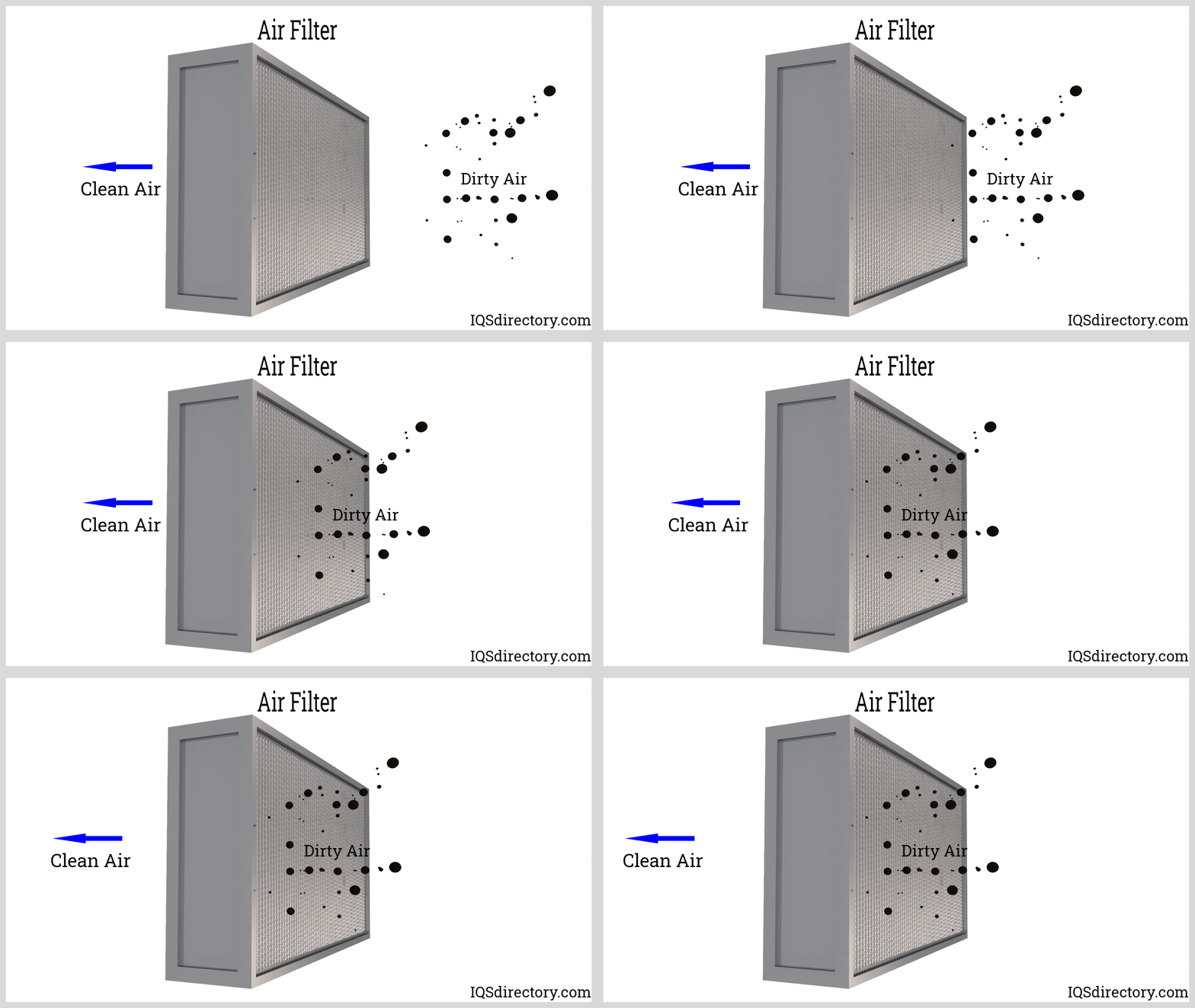
To ensure your HVAC system operates efficiently, the air filter must be installed so the arrow on the frame points in the direction of the airflow. This means the arrow should point toward the furnace or air handler unit and away from the return air duct where the air enters the system.
Installing an air conditioner filter might seem like a minor maintenance task, but the physics of airflow within a modern HVAC system is a delicate balance. As of 2026, heating, ventilation, and air conditioning (HVAC) technology has become significantly more sensitive to static pressure and resistance. A filter installed backward or a restricted airflow path can lead to system-wide failures, increased energy consumption, and poor indoor air quality. Understanding the mechanics of "air flow on ac filter" is the first step toward preserving the longevity of your home’s most expensive appliance.
The Mechanical Importance of Airflow Direction
The primary purpose of an AC filter is to protect the internal components of the HVAC system—specifically the blower motor and the evaporator coil—from dust, hair, and debris. While it also improves indoor air quality for residents, its functional priority is mechanical protection.
Most air filters are designed with a specific structural orientation. One side of the filter is typically reinforced with a wire mesh or a more rigid cardboard lattice. This reinforcement is strategically placed on the "downstream" side (the side facing the unit). The air pressure generated by the blower motor is substantial; if the filter is installed correctly, the airflow pushes the filtering media against this reinforcement, keeping it securely in place.
If the filter is installed backward, the air pressure pushes the media away from its support structure. In high-efficiency systems common in 2026, this can cause the filter media to sag, flutter, or even be sucked into the blower fan. A collapsed filter allows unfiltered air to bypass the media entirely, coating the evaporator coils in dust. This layer of grime acts as an insulator, preventing the refrigerant from absorbing heat effectively, which eventually leads to the coil freezing over and the compressor potentially failing.
How to Identify the Correct Airflow Direction
Finding the correct direction for your AC filter requires identifying the relationship between your return ducts and your air handler. There are three primary ways to ensure you have the orientation correct.
1. Locate the Printed Arrow
The most straightforward method is to look at the side of the filter frame. Manufacturers print a small arrow, often accompanied by the words "Air Flow." This arrow represents the path the air should take. To orient it correctly, the arrow must point toward the "guts" of the machine—the blower motor and the heating/cooling elements.
2. Inspect the Filter Construction
If the arrow is missing or faded, examine the physical build of the filter. On pleated filters, one side will usually have a metal wire mesh or a visible grid. This is the "back" of the filter. The air should hit the soft, fuzzy side first and exit through the reinforced side. On fiberglass filters, the side with the colored tint (often blue or green) is usually the "upstream" side that should face the incoming air, while the white side faces the unit.
3. Determine the System Intake
You must identify where the air is coming from. In a basement or closet installation, the large duct returning air from the house is the "Return." The filter slot is located where this return duct meets the main air handler cabinet. The air moves from the duct into the unit. Therefore, the arrow should point away from the duct and toward the unit. If your filter is located behind a ceiling or wall grille, the air is being sucked into the wall. In this case, the arrow should point toward the wall/ductwork inside.
The Physics of Static Pressure and Filter Resistance
In the context of 2026 HVAC standards, "static pressure" is a critical metric. This refers to the resistance the blower motor must overcome to move air through the ductwork and the filter.
Every filter has a Pressure Drop rating, which measures how much it slows down the air. A clean, correctly installed filter provides a predictable amount of resistance. However, when a filter is installed backward, the turbulence created by the misplaced reinforcement can increase this resistance.
High-efficiency motors (such as ECM motors) will attempt to compensate for this resistance by ramping up their speed. While this maintains airflow, it significantly increases electricity usage and puts undue stress on the motor bearings. Over time, this leads to premature motor failure, a repair that can cost homeowners upwards of $800 to $1,500 in current 2026 pricing.
Comparing Filter Types and Their Impact on Airflow
Not all filters are created equal. The MERV (Minimum Efficiency Reporting Value) scale remains the industry standard for measuring filter effectiveness. However, as MERV ratings increase, the density of the filter media also increases, which inherently restricts airflow.
| Filter Type | MERV Rating | Airflow Impact | Best For |
|---|---|---|---|
| Fiberglass | 1–4 | Minimal | Protecting the system only; high airflow. |
| Pleated Polyester | 5–8 | Low to Moderate | Standard residential use; balances flow and filtration. |
| High-Efficiency Pleated | 11–13 | Moderate to High | Allergy sufferers; requires frequent changes to prevent restriction. |
| HEPA (High-Efficiency) | 17–20 | Very High | Specialized medical/cleanroom use; requires specialized blowers. |
| Washable/Electrostatic | 1–4 | Variable | Sustainability-focused; can restrict flow if not dried perfectly. |
The MERV 13 Standard in 2026
By 2026, MERV 13 has become a common recommendation for residential homes due to increased concerns regarding fine particulate matter (PM2.5) and outdoor pollutants. While MERV 13 filters provide excellent filtration, they are much more sensitive to proper orientation. Because the pleats are so dense, installing a MERV 13 filter backward can almost double the initial pressure drop, suffocating the HVAC system much faster than a lower-rated filter would.
Consequences of Restricted Airflow
When airflow is compromised—whether by a backward filter, a clogged filter, or an improperly sized filter—the entire refrigeration cycle is disrupted.
- Evaporator Coil Freezing: The evaporator coil needs a constant stream of warm air to prevent the refrigerant inside from dropping below freezing temperatures. Without enough airflow, the moisture in the air condenses and freezes on the coil. This ice further blocks airflow, creating a destructive feedback loop.
- Heat Exchanger Cracking: During the heating season, insufficient airflow causes the heat exchanger to overheat. Modern systems have safety switches (limit switches) to shut the unit down, but repeated overheating can cause the metal to fatigue and crack, potentially leaking carbon monoxide into the home.
- Short Cycling: The system may turn on and off rapidly. This "short cycling" happens because the system reaches its internal temperature limits too quickly due to the lack of air movement, even if the house itself hasn't reached the desired thermostat setting.
Step-by-Step Guide to Changing Your AC Filter
To ensure you maintain the correct airflow and system health, follow this standardized procedure:
- Turn Off the System: Use the thermostat to turn the HVAC system to "Off." This prevents the blower from turning on while the filter is removed, which could suck debris directly into the internal components.
- Locate the Access Panel: Find the filter slot. It is typically found in the return air plenum (near the unit), in a dedicated filter rack, or behind a return air grille in the ceiling or wall.
- Note the Old Filter’s Orientation: Before removing the old filter, look at the arrow. If the system was working well, the new filter should face the same way.
- Inspect the Area: Use a flashlight to look inside the slot. Check for dust buildup or any signs that air has been "bypassing" the filter (dark streaks on the cabinet).
- Insert the New Filter: Slide the new filter into the tracks. Ensure the arrow points toward the blower motor. If the filter feels loose, you may need a different thickness (e.g., a 1-inch vs. a 2-inch filter).
- Secure the Cover: Replace the access door or grille. An unsealed filter door can pull in "unconditioned" air from an attic or crawlspace, reducing efficiency.
- Record the Date: Write the date of installation on the side of the filter frame. In 2026, many homeowners also sync this with their smart home app for automated reminders.
Troubleshooting Common Airflow Issues
Sometimes, even with a correctly oriented filter, airflow remains poor. If you feel weak air coming from your supply vents, consider these variables:
- Duct Leakage: Even with a perfect filter, holes in the return ducts can pull in attic dust, bypassing the filter entirely and clogging the internal coil.
- Closed Registers: Ensure that at least 80% of your home's supply registers are open. Closing too many vents increases static pressure, mimicking the effect of a clogged filter.
- Blower Speed Settings: In some 2026 variable-speed systems, the blower speed may need to be adjusted by a professional to match the specific MERV rating of the filter you've chosen.
- Dirty Secondary Coil: In high-efficiency furnaces, there is a secondary heat exchanger that can become clogged with micro-dust that passes through low-MERV filters.
Frequently Asked Questions
What happens if I can't find an arrow on my AC filter?
If your filter lacks a printed arrow, look for the side with the wire reinforcement or a plastic mesh. This reinforced side must face the HVAC unit. If both sides look identical (common in some cheap fiberglass filters), look at the "weave." The smoother, flatter side is usually the exit (downstream) side.
How often should I check the airflow on my filter in 2026?
Standard advice used to be every 90 days, but with the higher-efficiency filters common in 2026, you should inspect the filter every 30 days. If you have pets, live in a high-pollen area, or use your AC/furnace constantly, you may need to replace it every month to maintain optimal airflow.
Does a thicker filter (like a 4-inch or 5-inch) improve airflow?
Yes. Contrary to intuition, a thicker pleated filter often has less resistance than a 1-inch filter of the same MERV rating. This is because the larger surface area (the "folds" or pleats) allows more air to pass through at a lower velocity, reducing the pressure drop while maintaining high filtration.
Can a filter be too efficient for my system's airflow?
Absolutely. If you install a MERV 16 filter in a system designed for MERV 8, the blower motor may not be powerful enough to pull air through it. This results in the same mechanical failures as a clogged or backward filter. Always check your HVAC manufacturer’s maximum MERV recommendation.
Is it okay to use "reusable" filters if I'm worried about airflow?
Reusable or washable filters are excellent for reducing waste, but they require meticulous maintenance. If they are not completely dry before reinstallation, they can grow mold. Furthermore, they often have lower MERV ratings and can become "loaded" with deep-seated dust that washing doesn't remove, eventually restricting airflow permanently.
Practical Recommendation for Homeowners
To maintain the best "air flow on ac filter" and protect your investment, the most effective strategy in 2026 is the "Visual Verification Method." Every time you change your filter, take a permanent marker and draw a large arrow on the HVAC cabinet itself, pointing in the direction of the airflow. This removes any future guesswork. Additionally, consider upgrading to a "smart" pressure-drop sensor. These small devices, widely available since the early 2020s, monitor the actual resistance across your filter and send an alert to your smartphone when the airflow drops below a safe threshold, ensuring you never run your system with a restricted or backward filter.