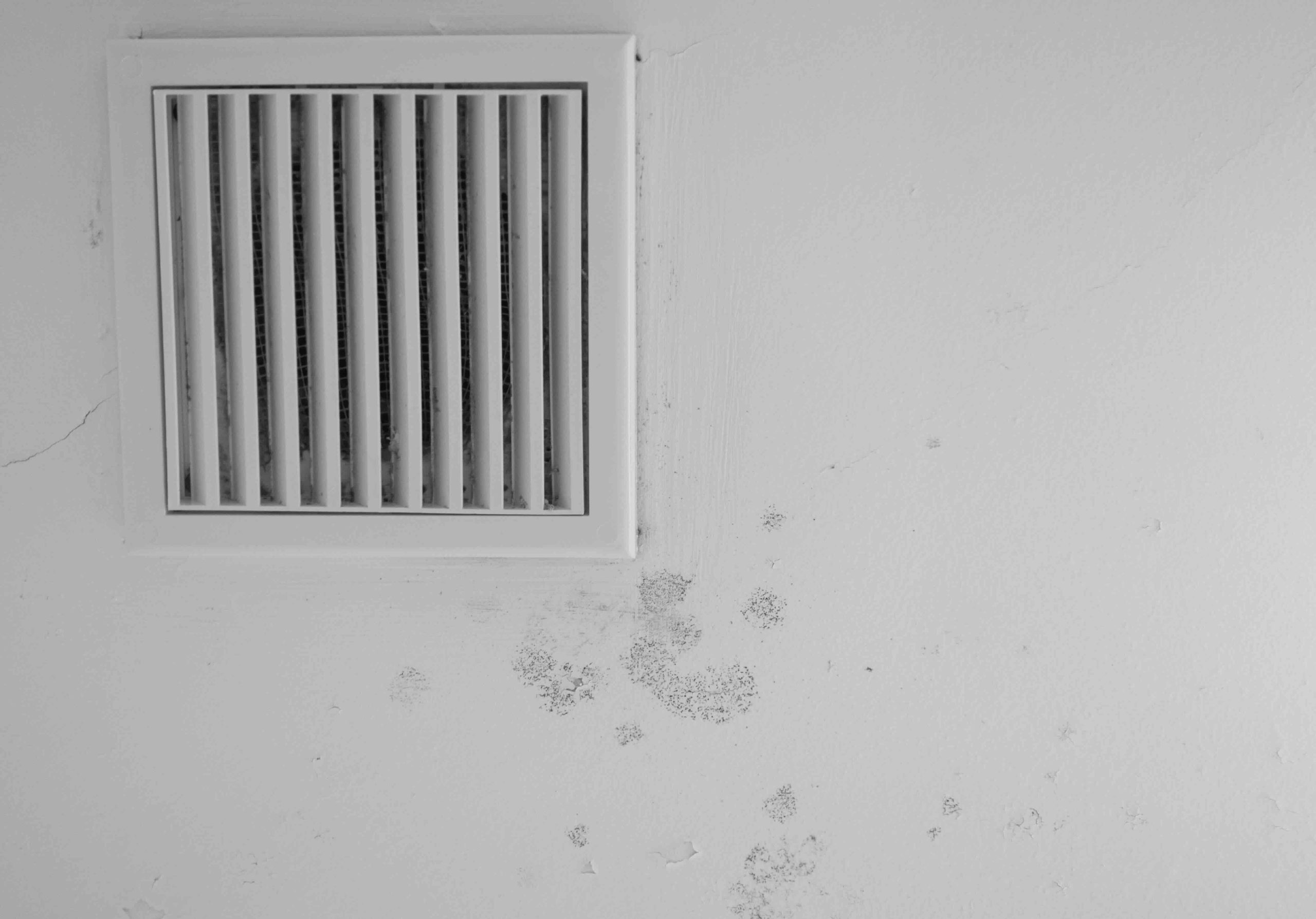
Professional air duct mold remediation in Covington, LA, requires a systematic approach to identify moisture sources, contain fungal spores, and physically remove contaminants from the HVAC system. Utilizing NADCA-certified methods and EPA-registered antimicrobials, specialists restore indoor air quality by addressing the unique humidity challenges inherent to the Louisiana Northshore climate.
The humid, subtropical environment of Covington, Louisiana, presents a persistent challenge for homeowners maintaining healthy indoor air quality. With average relative humidity levels often exceeding 70%, the air conditioning systems in St. Tammany Parish work overtime, creating an environment where condensation and organic dust can easily lead to mold proliferation within ductwork. When mold takes hold in an HVAC system, it is no longer a simple cleaning task; it becomes a remediation project requiring specialized equipment, containment protocols, and adherence to state licensing regulations.
The Reality of Mold Growth in Covington HVAC Systems
In Covington, the proximity to Lake Pontchartrain and the frequent heavy rainfall contribute to high outdoor humidity. When this humid air enters a home and meets the cold surfaces of air ducts, the "dew point" is reached, causing water droplets to form. This moisture, combined with the microscopic organic matter (skin cells, pet dander, and dust) that naturally settles in ducts, provides the perfect substrate for mold species such as Aspergillus, Penicillium, and Cladosporium.
Mold remediation in this region is not merely an aesthetic concern. The HVAC system acts as the "lungs" of the home. If mold is growing on the interior insulation of a plenum box or within the supply vents, every time the blower motor engages, it distributes fungal spores and volatile organic compounds (VOCs) throughout the living space. In 2026, the focus on healthy building standards has intensified, making professional remediation a critical component of property maintenance for Covington residents.
Identifying the Signs of Mold in Your Ductwork
Detecting mold in a central air system requires a combination of sensory observation and technical inspection. Because much of the ductwork in Louisiana homes is located in attics or crawlspaces, the problem often goes unnoticed until it becomes systemic.
Sensory Cues and Physical Symptoms
The most common indicator is a persistent "musty" or "earthy" odor that intensifies when the air conditioner or heater is running. Homeowners may also notice physical symptoms that improve when they leave the house, such as:
- Unexplained sneezing or chronic sinus congestion.
- Itchy, watery eyes or skin irritation.
- Increased frequency of asthma attacks in sensitive individuals.
Visible Indicators
While some "dust" around vents is normal (often just soot or skin cells), mold presents differently. Look for:
- Patchy, fuzzy growth: This may appear black, green, or white on the surface of supply registers.
- Standing water: Moisture inside the duct or around the cooling coils is a precursor to mold.
- Discolored insulation: If the fiberglass lining inside your ducts appears dark or slimy, it likely contains fungal colonies.
The Professional Remediation Process: A Step-by-Step Breakdown
In 2026, professional remediation follows the ACR, The NADCA Standard, which emphasizes source removal over chemical fogging. A reputable Covington contractor will follow these specific stages to ensure the mold is not just killed, but physically removed from the premises.
1. Inspection and Moisture Source Identification
Remediation is pointless if the cause of the mold is not addressed. Technicians use borescope cameras to inspect deep into the duct runs and moisture meters to detect leaks in the plenum or high humidity levels resulting from an oversized AC unit. In Covington, common culprits include disconnected duct boots, failing vapor barriers, or a clogged primary condensate drain line.
2. Containment and Pressure Management
To prevent cross-contamination, the work area must be isolated. Professionals seal all supply and return registers with plastic adhesive "boots." The HVAC system is then placed under negative pressure using a high-efficiency particulate air (HEPA) filtration device. This ensures that any spores disturbed during the cleaning process are pulled into a vacuum rather than being released into the home's bedrooms and living areas.
3. Mechanical Agitation and Extraction
Mold sticks to surfaces; it cannot be removed by air pressure alone. Technicians use various tools to physically dislodge the growth:
- Rotary Brushes: For rigid metal ductwork, spinning brushes scrub the interior walls.
- Air Whips and Skippers: For flexible ductwork (common in newer Covington builds), pneumatic tools use compressed air to "whip" the interior surfaces without tearing the delicate plastic lining.
- HEPA Vacuuming: All dislodged debris is extracted into a localized containment system or a truck-mounted vacuum.
4. Antimicrobial Treatment and Encapsulation
Once the system is physically clean, an EPA-registered antimicrobial solution is applied. These products are specifically labeled for HVAC use and are designed to kill any remaining microscopic spores. In cases where the interior fiberglass lining is slightly degraded but salvageable, a sealant (encapsulant) may be applied to prevent fibers and spores from becoming airborne in the future.
| Feature | Standard Air Duct Cleaning | Professional Mold Remediation |
|---|---|---|
| Primary Goal | Dust and debris removal | Fungal spore elimination and source control |
| Containment | Basic or none | Strict negative pressure and HEPA filtration |
| Chemicals | Rarely used | EPA-registered disinfectants and fungicides |
| Equipment | Compressed air/Vacuum | Mechanical agitation, HEPA scrubbers, Borescopes |
| Verification | Visual inspection | Post-remediation verification (PRV) or lab testing |
| Louisiana Licensing | Standard business license | LSLBC Mold Remediation License (if >$1,000) |
Louisiana Regulations and Licensing for Covington Contractors
Louisiana is one of the few states with strict laws governing mold remediation. Under the Louisiana State Licensing Board for Contractors (LSLBC), any person or entity performing mold remediation when the cost of the work (including labor and materials) exceeds $1,000 must hold a specialty license in Mold Remediation.
Covington residents should verify that their chosen professional:
- Holds a valid LSLBC license.
- Carries specific pollution occurrence insurance (standard general liability often excludes mold).
- Has completed the required 24 hours of continuing education in mold remediation techniques.
It is also a conflict of interest in many jurisdictions for the same company to perform the initial mold testing and the subsequent remediation. For large-scale issues, consider hiring an independent Indoor Environmental Professional (IEP) to conduct air sampling before and after the work.
Cost Factors for Remediation in the Northshore Area
Estimating the cost of mold remediation in Covington depends on several variables. Because Louisiana homes often utilize "flex duct" in hot attics, the labor intensity can be higher than in regions with basement-based rigid ductwork.
- System Size: The number of zones and total linear footage of the ductwork.
- Accessibility: Is the unit in a cramped crawlspace or a high-pitched attic?
- Type of Ductwork: Metal ducts are easier to remediate than internally lined fiberglass ducts. If the mold has deeply penetrated fiberglass insulation, the ductwork may need to be replaced rather than cleaned.
- Extent of Growth: Surface mold on vents is significantly less expensive to treat than a system-wide infestation involving the evaporator coils and the air handler.
Typically, professional remediation for a single-family home in the Covington area ranges from $1,500 to $4,500, depending on whether component replacement is necessary.
DIY vs. Professional Remediation: Knowing the Risks
While a homeowner can easily clean a surface-level dust buildup on a vent cover, attempting DIY mold remediation in an HVAC system is generally discouraged.
Using bleach is a common mistake; bleach is mostly water and can actually provide the moisture mold needs to return, especially on porous surfaces like duct liner. Furthermore, without professional-grade negative pressure equipment, a homeowner attempting to "scrub" mold will likely broadcast millions of spores into the air, significantly worsening the indoor air quality and potentially contaminating carpets, upholstery, and clothing.
Preventing Recurrence in the Louisiana Climate
Remediation is an investment that must be protected through proactive maintenance. Given Covington's climate, the following steps are essential to ensure mold does not return:
- Dehumidification: Ensure your AC unit is correctly sized. An oversized unit "short cycles," meaning it cools the air quickly but doesn't run long enough to remove humidity. If humidity remains above 55%, consider a whole-home dehumidifier.
- UV-C Germicidal Lights: Installing ultraviolet lights near the evaporator coil can prevent the growth of biofilms and mold on the wettest part of the system.
- High-Efficiency Filtration: Use pleated filters with a MERV rating of 11 to 13 to trap spores before they enter the ductwork.
- Regular Inspections: Twice-yearly HVAC maintenance should include a check of the condensate pan and drain line to prevent standing water.
FAQ: Essential Questions for Covington Homeowners
Can mold in air ducts be "killed" with ozone or fogging alone?
No. The Environmental Protection Agency (EPA) and NADCA emphasize that "killing" mold is not enough; the dead spores can still be allergenic or toxic. The "source removal" of the physical mold colony is the only recognized method for effective remediation. Fogging is a secondary step used only after mechanical cleaning.
How long does the remediation process take for a standard Covington home?
For a typical 2,000-square-foot home, the process usually takes 5 to 8 hours. If extensive containment or internal insulation replacement is required, it may span two days. The home is generally habitable during this time, provided the technicians use proper containment.
Will insurance cover mold remediation in my air ducts?
In Louisiana, coverage depends on the cause of the mold. If the growth resulted from a sudden, accidental discharge of water (like a burst pipe), it may be covered. However, mold caused by high humidity, poor maintenance, or "seepage" is typically excluded or limited by a specific mold rider in your policy.
Is it safe to stay in the house during the remediation?
Yes, as long as the contractor utilizes negative pressure containment. This ensures that the air inside the ducts is being sucked out of the house through a HEPA-filtered exhaust, preventing any spores from entering your breathing zone.
Why does mold smell worse when the heater is on?
When the furnace runs, the heat can dry out mold colonies, causing them to release more spores and microbial volatile organic compounds (mVOCs). Additionally, the heat helps distribute these gases more rapidly throughout the home.
Summary of Next Actions
If you suspect mold in your HVAC system, your first step should be a visual inspection of your air handler and vents. If you see spotting or smell a musty odor, contact a licensed professional for a comprehensive assessment. Ensure any contract specifically mentions the NADCA ACR standards and verify the contractor's LSLBC license status. Addressing the issue early not only protects your family’s health but also prevents the need for an expensive full-system replacement.