The return of the American Horror Story (AHS) franchise to production and thematic prominence in 2026 has reignited public fascination with the "haunted" aesthetic, specifically regarding its influence on Detroit’s architectural landscape. By highlighting the city’s historic, often decaying, structures, the series has paradoxically accelerated interest in adaptive reuse, preservation, and the aesthetic of "gothic urbanism" in Michigan’s largest city.
The Intersection of Gothic Media and Urban Reality
For over a decade, American Horror Story has utilized distinctive locations to ground its supernatural narratives in unsettling reality. When showrunners integrate themes or visual cues reminiscent of Detroit’s architectural past—characterized by ornate Art Deco, Beaux-Arts, and abandoned industrial brutalism—the city’s public image experiences a shift.
Detroit is not merely a setting; it is a repository of 20th-century American history. When media properties highlight the city’s architectural "bones," they often inadvertently frame the discourse around "ruin porn" versus genuine structural heritage. In 2026, the discussion has matured. Architecture enthusiasts and city planners are leveraging the cultural attention generated by high-profile media like AHS to secure funding for historic preservation, shifting the narrative from urban decay to architectural resilience.
Historic Detroit Architecture: A Study in Resilience
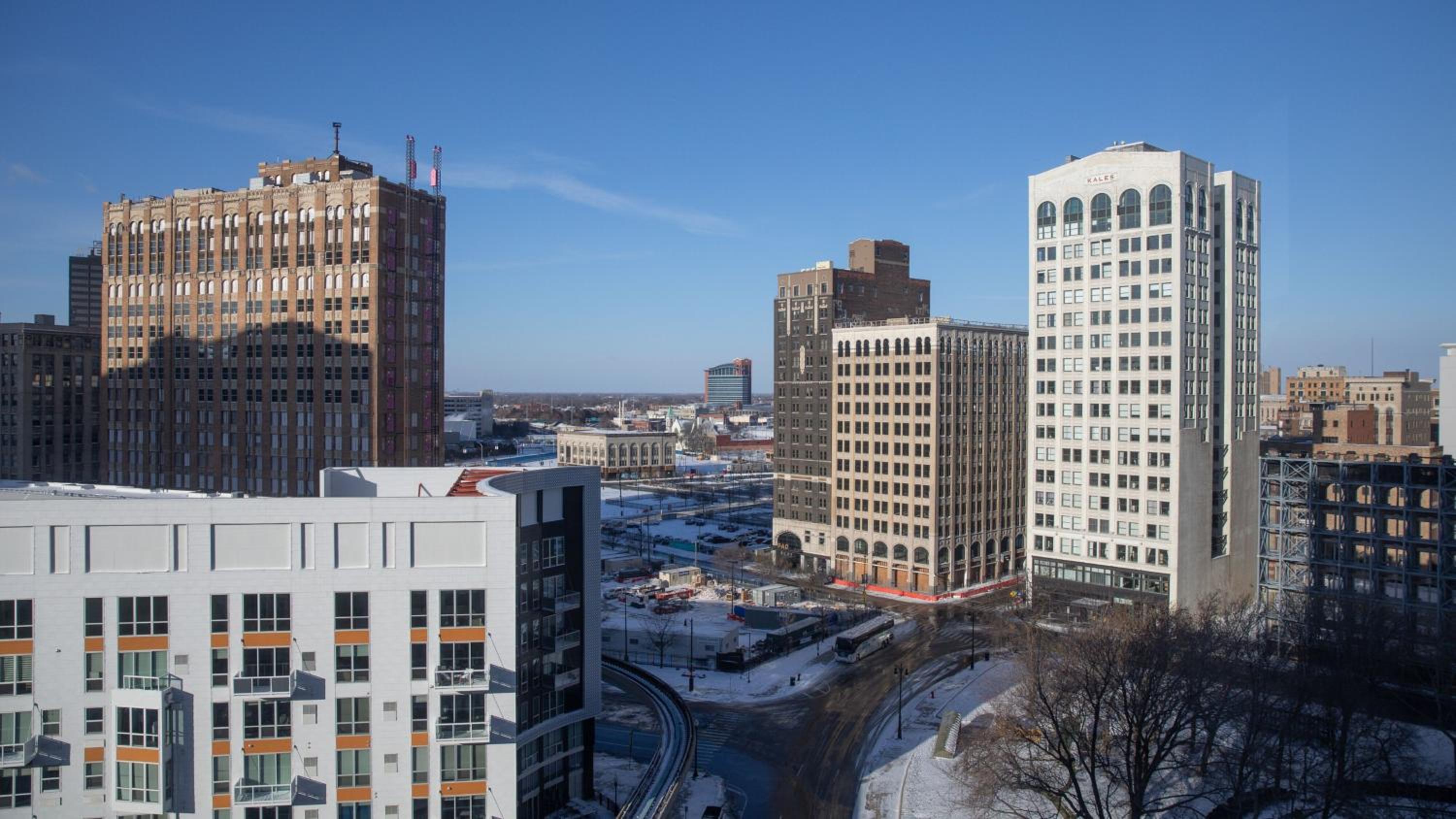
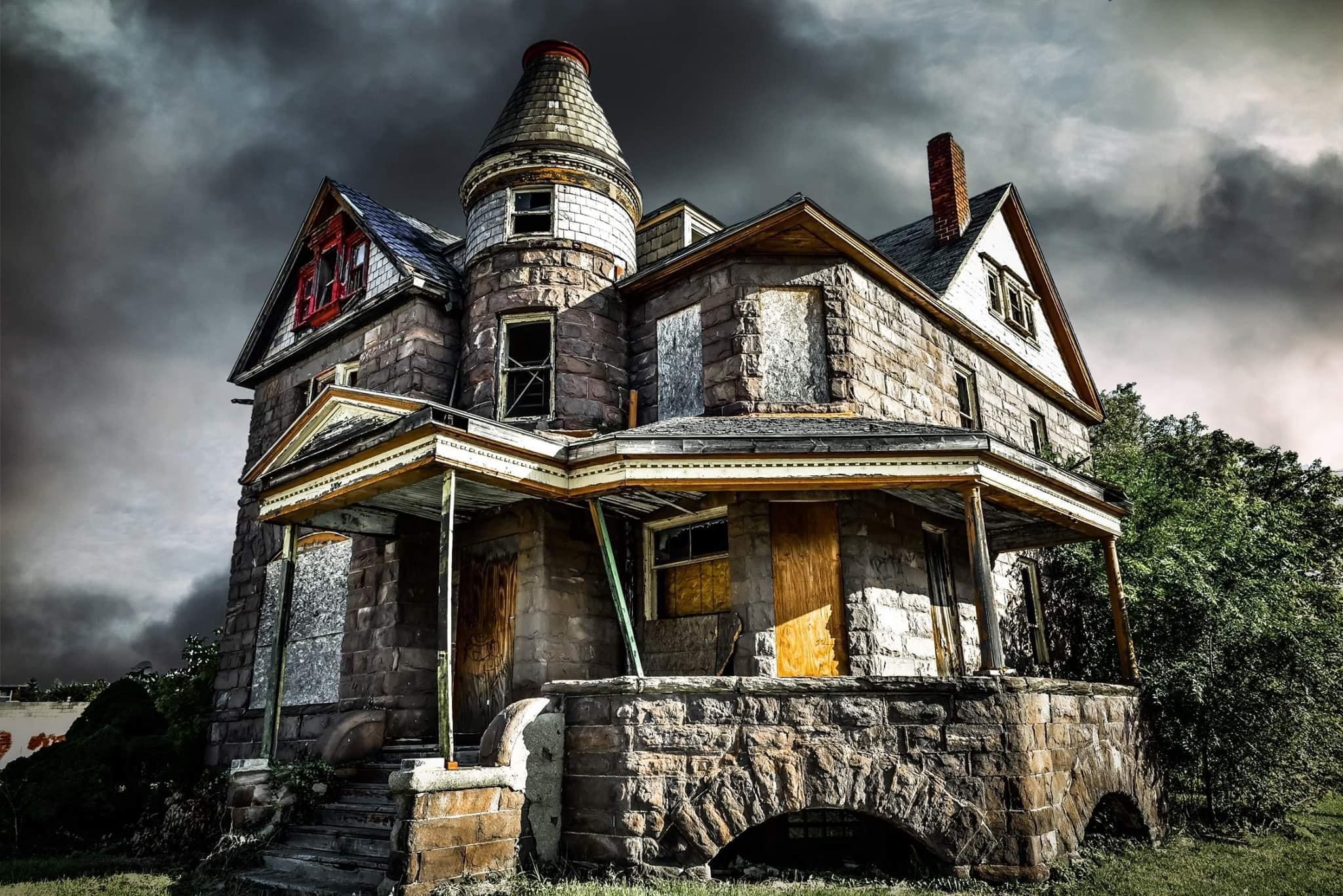
Detroit’s architectural identity is dominated by structures built during the city’s rapid expansion in the 1920s and 30s. The Guardian Building and the Fisher Building represent the pinnacle of Art Deco, while the surrounding residential areas—specifically neighborhoods like Boston-Edison—feature grand, Tudor-revival and Victorian homes that often mirror the "haunted mansion" tropes seen in various AHS seasons.
The "impact" of media returning to these motifs is multifaceted:
- Increased Tourism to Historic Districts: Similar to the interest generated in Savannah or New Orleans by supernatural-themed media, Detroit has seen a uptick in "architectural tourism." Visitors are less interested in the sensationalist aspects of "ghost stories" and more focused on the genuine craftsmanship of the early 20th century.
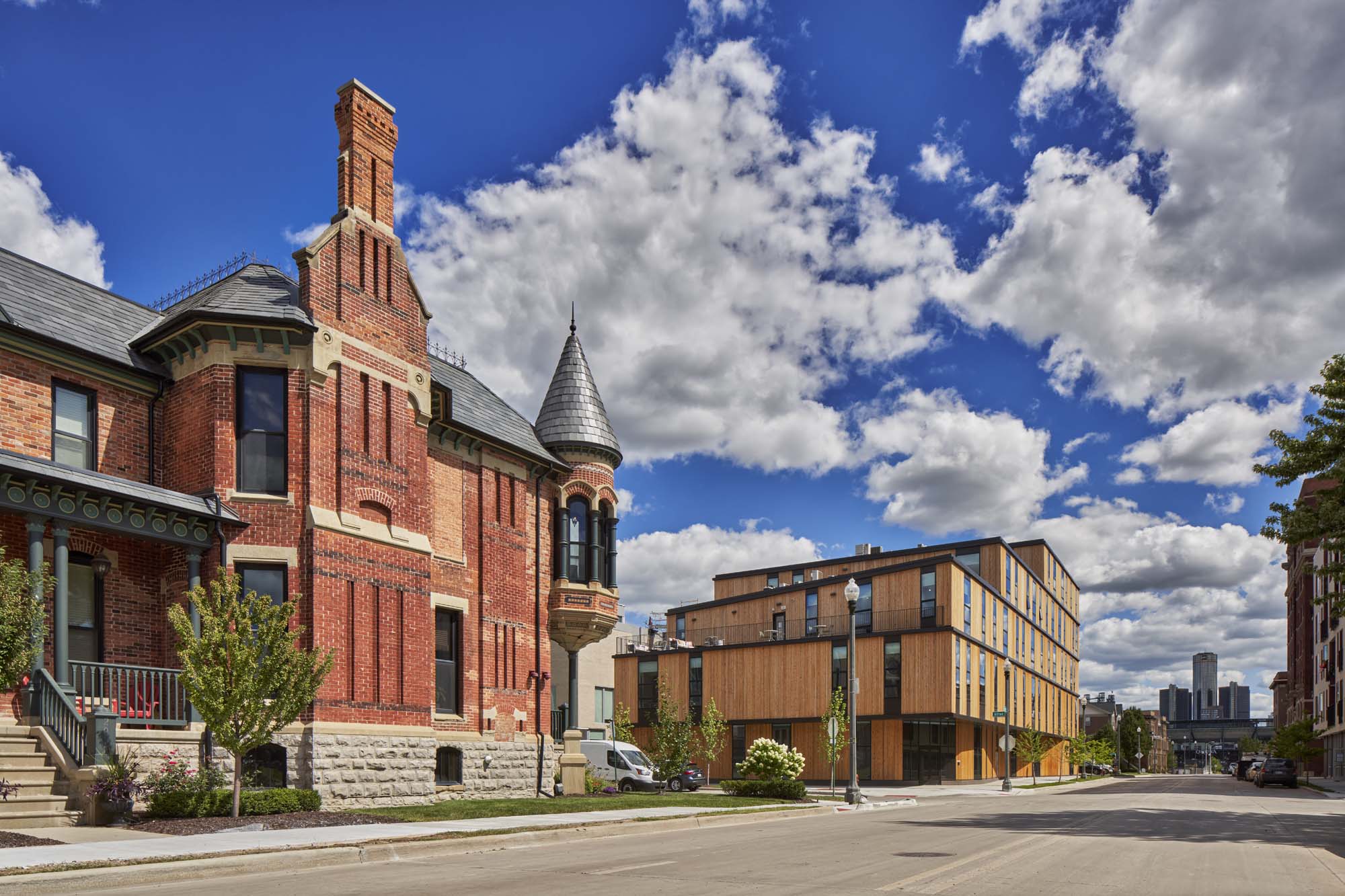
- Pressure for Adaptive Reuse: As public interest grows in these "cinematic" buildings, developers face increased pressure to renovate rather than demolish. The city’s strict historic district guidelines in 2026 now emphasize the value of these structures as cultural assets, effectively curbing the cycle of demolition that characterized the late 20th century.
- Aesthetic Influence on New Construction: Contemporary architects in Detroit are increasingly incorporating "Neo-Gothic" or "Industrial-Refined" elements into new developments, borrowing the dark, moody textures favored by the show’s production designers to maintain a sense of local continuity.
The Role of Adaptive Reuse in Modern Planning
Adaptive reuse is the process of repurposing an existing building for a use other than that for which it was originally designed. In Detroit, this is not just an architectural trend; it is an economic necessity.
When a television production highlights the scale of a vacant manufacturing plant or a forgotten mid-century theater, it brings global attention to the building’s potential. By 2026, many of these "cinematic" locations have been successfully transformed into mixed-use facilities, combining residential apartments with retail and tech workspaces. This process preserves the exterior historical integrity while updating the internal infrastructure for modern building codes.
Comparative Table: Traditional Preservation vs. Adaptive Reuse
| Factor | Traditional Preservation | Adaptive Reuse |
|---|---|---|
| Primary Goal | Maintaining original state | Updating function for modern use |
| Architectural Focus | Restoration of facades and interiors | Structural integration of new systems |
| Economic Driver | Historical grants and tax credits | Real estate development and leasing |
| Public Sentiment | Strong appreciation for legacy | Excitement regarding community growth |
| Sustainability | High (retains embodied carbon) | High (minimizes landfill waste) |
Challenges in Navigating Preservation and Modernization
While media-driven interest provides momentum, it creates challenges for property owners and city planners. The primary conflict arises between the desire to maintain the "gritty" aesthetic popularized by visual media and the need to provide safe, modern living environments.
- Building Code Compliance: Many of the historic structures featured in media contain lead, asbestos, or outdated wiring. Upgrading these systems to 2026 standards often requires significant structural modifications that can conflict with historic preservation requirements.
- Gentrification Risks: As neighborhoods once seen as "bleak" (a frequent trope in horror media) become popular due to their unique architectural value, housing prices rise. This often displaces the long-term residents who sustained the community during its less "photogenic" years.
- The "Haunted" Stigma: Owners of historic properties often struggle to balance a building’s storied, perhaps "spooky" history with the need to market the space as a modern, safe, and desirable place to live or work.
FAQ: Understanding Detroit's Architectural Evolution
1. Has the return of AHS directly caused more buildings to be saved? While the show does not fund construction, it influences public perception. Popular culture acts as a catalyst for public awareness, which encourages civic leaders and private investors to prioritize the rehabilitation of landmarks that might otherwise be ignored.
2. What qualifies as an historic structure in Detroit? Buildings are generally considered historic if they are over 50 years old and possess architectural or cultural significance. Many of these are listed on the National Register of Historic Places, which provides a framework for federal tax incentives for rehabilitation.
3. Is "ruin porn" still a relevant issue in 2026? The term has largely fallen out of favor as the city has successfully redeveloped many of its vacant cores. In 2026, the focus has shifted from the aesthetics of decay to the success stories of neighborhood revitalization and adaptive reuse.
4. How can I learn more about the specific history of a Detroit building? The Detroit Historical Society and the State Historic Preservation Office (SHPO) provide extensive databases on city landmarks. Property records at the county clerk’s office can also provide chronological data on ownership and use.
5. Are there financial incentives for renovating old buildings in Detroit? Yes. Both Michigan and the federal government offer historic rehabilitation tax credits to developers who follow strict restoration guidelines. These incentives are crucial for making complex, expensive projects viable.
Practical Recommendations for Preservationists and Residents
If you are a resident or investor looking to engage with Detroit's architectural landscape, it is important to distinguish between the fictionalized version presented on screen and the logistical reality of the city.
First, support local historic preservation non-profits. Organizations like Preservation Detroit act as the primary voice for the protection of the city’s architectural heritage. They offer walking tours and advocacy programs that provide a more accurate, grounded understanding of the buildings than any media depiction.
Second, if you are looking to purchase or renovate property, consult with an architect who specializes in historic preservation. In 2026, the regulatory environment is complex, and failing to adhere to city zoning and historical commission guidelines can result in significant delays and financial penalties. Focus your efforts on the "bones" of the structure; the aesthetic style—whether it be the dark, moody interiors of a horror set or a light-filled contemporary space—is a secondary layer that can be adapted once the structural safety is guaranteed.
Finally, appreciate the city’s architecture for what it is: a living, breathing testament to human ingenuity. While media influences may come and go, the physical structures of Detroit remain a permanent, evolving part of the American story. By participating in their preservation, residents ensure that the city’s architectural legacy continues to thrive long after the current cultural trends have faded.