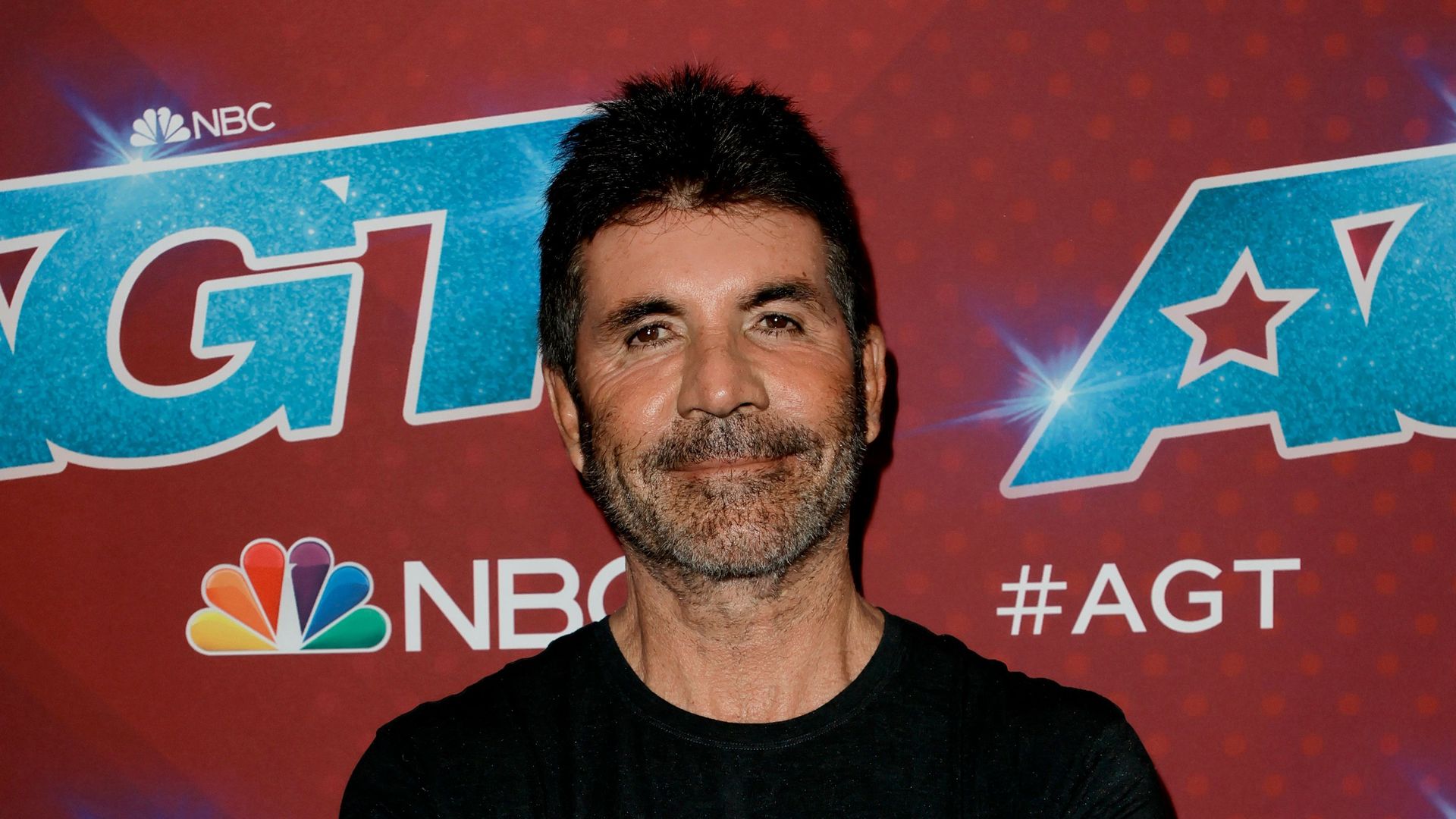
The agt extreme accident regulations refer to the complex framework of safety protocols, OSHA-mandated workplace standards, and industry-specific stunt guidelines governing high-risk performances on the television production America’s Got Talent: Extreme. These regulations prioritize rigorous pre-stunt risk assessments, independent rigging inspections, and mandatory on-site emergency medical response teams to mitigate the inherent dangers of "extreme" variety acts.
Understanding the Regulatory Landscape of AGT Extreme
The production of America’s Got Talent: Extreme (often abbreviated as AGT Extreme) represents a unique intersection of entertainment law, workplace safety, and high-risk mechanical engineering. Unlike a standard variety show, the "extreme" iteration of the franchise involves pyrotechnics, high-altitude rigging, vehicular stunts, and escape artistry. Consequently, the regulatory environment is not governed by a single "rulebook" but rather a collection of state and federal mandates, union requirements, and private insurance stipulations.
In 2026, the industry looks back at the safety evolution of this format as a benchmark for reality television. The regulations are primarily enforced through the Occupational Safety and Health Administration (OSHA) and, specifically in the context of many US-based productions, the California Division of Occupational Safety and Health (Cal/OSHA), regardless of whether the shoot occurs in California, as many production companies are headquartered there and adhere to its stringent standards as a baseline.
The Role of OSHA in Stunt Production
OSHA does not have a specific "stunt" sub-chapter, but it applies the General Duty Clause, Section 5(a)(1) of the Occupational Safety and Health Act. This clause requires employers to provide a place of employment that is "free from recognized hazards that are causing or are likely to cause death or serious physical harm." For AGT Extreme, this means the production company (typically Marathon Productions or Fremantle) must demonstrate that every reasonable precaution was taken to prevent accidents.
Regulations demand that:
- Hazard Visualizations: Every stunt must be storyboarded with a focus on "fail-points."
- Redundancy Systems: Any life-critical system (such as a harness or a cable) must have a secondary backup that engages automatically if the primary fails.
- Qualified Personnel: Only certified stunt coordinators and riggers can oversee the setup and execution of high-risk acts.
The 2021 Incident and Its Impact on Regulations
To understand the current agt extreme accident regulations, one must examine the 2021 accident involving stunt performer Jonathan Goodwin. During a rehearsal, Goodwin was crushed between two suspended cars that caught fire and subsequently fell. This incident led to a total suspension of production and triggered a federal investigation.
The fallout from this accident resulted in a tightening of "Extreme" regulations across the industry. Investigators focused on whether the "release mechanisms" used for the cars met mechanical safety standards and whether the timing of the stunt allowed for a sufficient margin of error. Since then, regulations for AGT Extreme and similar shows have shifted from "performance-first" to "safety-first" verification models.
Mandatory Risk Assessment Reports (RAR)
By 2026, every act appearing on a high-risk talent show must submit a Risk Assessment Report (RAR). This is a technical document that outlines:
- Probability of Failure: A statistical analysis of the mechanical components.
- Mitigation Strategies: What happens if a cable snaps or a fire starts prematurely.
- The "Kill Switch" Protocol: A clear hierarchy of who has the authority to stop a stunt in mid-performance if a safety threshold is crossed.
Industry-Wide Labor-Management Safety Committee Bulletins
While OSHA provides the legal floor, the Industry-Wide Labor-Management Safety Committee provides the ceiling. They issue "Safety Bulletins" that are considered the gold standard for AGT Extreme accident regulations.
Safety Bulletin #7: Standard Stunt Procedures
This bulletin is the most frequently cited in AGT Extreme regulations. It requires a "safety meeting" on set before any stunt is performed. This meeting must include the stunt coordinator, the performer, the director, and the medical team. The regulation stipulates that if any change is made to the stunt after the meeting, the performance must be paused until a new safety meeting is conducted.
Safety Bulletin #35: Working with Fire and Pyrotechnics
Many extreme acts involve fire. Regulations require that a state-licensed pyrotechnician be present and that all materials used on set—including the performer's clothing and the surrounding set dressing—be treated with fire retardants. For AGT Extreme, this often involves "fire watches" where personnel are stationed with extinguishers, out of camera view, for the duration of the act.
Technical Specifications and Rigging Inspections
The mechanical aspect of extreme stunts is where regulations become highly technical. In AGT Extreme, acts often involve "aerial rigging"—the use of cables, trusses, and motors to suspend performers or objects.
Structural Integrity Requirements
The regulations require that all rigging structures have a safety factor of at least 5:1. This means if a cable is holding a 200-pound performer, it must be rated to hold at least 1,000 pounds. For "dynamic loads" (where the performer is moving or dropping), this ratio often increases to 10:1 to account for the G-forces involved.
Third-Party Verification
A key component of the updated agt extreme accident regulations is the requirement for third-party inspection. The production's internal riggers cannot be the only ones to sign off on a high-risk setup. An independent structural engineer or a certified "Master Rigger" must often provide a written "Safe to Fly" certificate before the cameras roll.
Medical Response and Emergency Planning
Regulations mandate a specific level of medical preparedness for "Extreme" productions that far exceeds that of a standard sitcom or talk show.
| Requirement Type | Standard Production | AGT Extreme Production |
|---|---|---|
| Medical Personnel | 1 Set Medic (EMT-B) | 2+ Paramedics (ALS) & Trauma Nurse |
| Emergency Vehicles | None (Call 911) | Dedicated On-Site Ambulance |
| Equipment | Basic First Aid/AED | Advanced Life Support & Extrication Tools |
| Hospital Mapping | Not Required | Pre-verified Level 1 Trauma Center Route |
| Communication | Cell Phone | Dedicated Emergency Radio Channel |
The "Golden Hour" rule is a critical part of the regulation. This rule states that the production must have a protocol in place to ensure a critically injured performer can reach a Level 1 Trauma Center within 60 minutes of an accident. If the filming location is too remote to satisfy this, a medevac helicopter must be on standby.
The Role of Insurance and Bonding
No "Extreme" production can move forward without specialized insurance. The underwriters for these policies effectively act as a secondary regulatory body. They often hire their own safety consultants to review the "agt extreme accident regulations" implemented by the production.
If an act is deemed "uninsurable" due to a lack of safety redundancy, the production is legally barred from filming it. This "bonding" process ensures that there are funds available not only for medical expenses in the event of an accident but also for long-term disability care, which became a major talking point following the permanent injuries sustained by performers in the early 2020s.
Legal Liability and the "Waiver of Liability"
A common misconception is that performers on AGT Extreme sign away all their rights in a "Waiver of Liability." Under modern labor regulations, a waiver does not protect a production company from gross negligence.
If an accident occurs because the production failed to follow its own safety protocols or violated OSHA standards, the waiver is generally considered unenforceable. The agt extreme accident regulations ensure that there is a "paper trail" of safety checks. If that trail is missing a step, the production faces significant legal and financial exposure.
The "Stunt Performer" Classification
There is a regulatory distinction between a "contestant" and a "professional stunt performer." Professional performers are usually members of SAG-AFTRA, which provides an additional layer of protection. SAG-AFTRA regulations require that a "Stunt Coordinator" be someone with a proven track record (typically 10+ years) and that they have the final say on the safety of an act, even over the Executive Producer.
Common Failures in Safety Regulation Compliance
Despite rigorous standards, accidents happen when regulations are bypassed for the sake of "the shot." Common regulatory failures include:
- Time Pressure: Rushing a rehearsal to stay on filming schedule, which leads to skipped safety checks.
- Communication Breakdown: The rigger and the performer not being on the same radio frequency.
- Environmental Factors: High winds or unexpected temperature drops affecting mechanical releases or pyrotechnic timing.
Current regulations in 2026 emphasize the "Stop-Work Authority," which gives every crew member, from the lighting technician to the production assistant, the legal right to halt a stunt if they see an unsafe condition without fear of retaliation.
Frequently Asked Questions
What happened to AGT Extreme after the 2021 accident?
Following the accident involving Jonathan Goodwin, the show was paused for a significant period to allow for federal and internal investigations. It eventually returned with a much heavier emphasis on safety transparency and stricter adherence to the Industry-Wide Labor-Management Safety Committee's bulletins. The incident served as a catalyst for new safety standards across all "extreme" reality formats.
Are the safety regulations different for international versions of the show?
While each country has its own labor laws (such as the HSE in the UK), the "AGT" brand generally enforces a global safety standard that meets or exceeds the local requirements. Production companies like Fremantle typically apply the most stringent set of rules (often the US/California standards) to their international productions to maintain insurability and brand reputation.
Who is responsible for inspecting the equipment on AGT Extreme?
The responsibility lies with a hierarchy of professionals. The primary inspection is done by the Lead Rigger and the Stunt Coordinator. However, under updated agt extreme accident regulations, a third-party safety consultant or structural engineer is often required to perform a secondary inspection and "sign off" on high-stakes mechanical systems.
Can a performer refuse to do a stunt if they feel unsafe?
Yes. Under both OSHA regulations and SAG-AFTRA union rules, a performer has the absolute right to refuse any task they believe to be imminently dangerous. Furthermore, the "Stop-Work Authority" implemented on modern sets encourages performers to voice concerns without the risk of being cut from the show.
How does the production handle "acts of God" like weather in the regulations?
Weather is a major factor in "Extreme" safety. Regulations require the presence of on-site meteorologists or high-precision weather monitoring equipment for outdoor stunts. There are specific "cut-off" thresholds for wind speed, lightning proximity, and precipitation. If the wind exceeds a certain limit (usually 15-20 mph for aerial stunts), the regulation mandates an automatic postponement.
Conclusion and Recommendations for Producers
The agt extreme accident regulations are a testament to the fact that high-risk entertainment requires high-level oversight. For producers and stunt coordinators in 2026, the primary goal is the "Zero-Incident Mandate."
For those involved in high-risk television production, the following steps are recommended:
- Prioritize Transparency: Keep exhaustive logs of every safety meeting and equipment check.
- Empower the Safety Team: Ensure the Stunt Coordinator and Medical Lead have "Veto Power" over any performance.
- Invest in Redundancy: If a stunt relies on a single mechanical point of failure, redesign it.
- Continuous Training: Regularly update crew and performers on the latest OSHA and SAG-AFTRA safety bulletins.
Safety in "extreme" entertainment is not about eliminating risk—as the risk is the product—but about managing that risk through disciplined adherence to established regulations.
Disclaimer: This article provides an overview of television production safety regulations for informational purposes and does not constitute legal advice. For specific compliance requirements, consult with a qualified safety professional or entertainment labor attorney.