Purchasing a supercar for under $100,000 in 2026 requires navigating the delicate balance between original purchase price, ongoing maintenance liabilities, and historical depreciation curves. While true "supercar" status—defined by mid-engine architecture, high-output powertrains, and specialized chassis construction—often commands six-figure premiums, the secondary market offers viable entry points for enthusiasts who prioritize performance and brand pedigree over factory-fresh warranties.
Defining the Supercar Segment Under Six Figures
The term "supercar" is frequently diluted in automotive discourse, often conflating high-performance sports cars with dedicated supercars. To manage expectations, this analysis focuses on vehicles that possess the visual presence, exotic engineering, and performance credentials associated with the segment, while remaining accessible in the used market.
In the 2026 marketplace, a $100,000 budget is a threshold that separates mass-market performance cars from the exotic tier. While you can purchase a brand-new high-performance sedan or coupe for this price, those vehicles do not carry the "supercar" designation. To find a true supercar, one must look at vehicles that are ten to twenty years old. These cars have entered the "depreciation trough," where the initial massive loss in value has stabilized, though the cost of parts and specialized labor remains at supercar levels.
The True Cost of Ownership: Beyond the Sticker Price
The most significant error prospective owners make is assuming the purchase price represents the total cost of entry. With supercars, the acquisition is merely the beginning of a long-term financial commitment. When purchasing a vehicle that originally retailed for $150,000 to $200,000, you are inheriting the maintenance schedule of that original price point, not the current market value.
- Scheduled Major Services: Many supercars require engine-out services for timing belt replacements or clutch service every three to five years. These operations can easily cost between $5,000 and $12,000 depending on the manufacturer and regional labor rates.
- Consumables: Carbon-ceramic brakes, specialized tires, and performance-grade fluids are not priced like standard components. A single brake rotor replacement on some legacy exotic models can exceed $2,000, excluding labor.
- Insurance Premiums: Insuring a vehicle with an exotic pedigree often requires specialized "agreed value" insurance rather than standard daily-driver policies. Premiums fluctuate based on the vehicle’s specific classification, intended annual mileage, and the driver’s claims history.
Top Contenders in the $100,000 Market
When evaluating vehicles at this price point, you are primarily looking at the mid-to-late 2000s and early 2010s model years. These cars represent the last generation of naturally aspirated, analog-focused engineering before the widespread adoption of heavy hybridization and turbocharged forced induction.
| Vehicle Model | Architecture | Characterizing Feature | Primary Maintenance Risk |
|---|---|---|---|
| Audi R8 (V8/Early V10) | Mid-Engine, AWD | Daily-driver usability | MagneRide suspension failure |
| Aston Martin V8 Vantage | Front-Mid, RWD | Grand Touring luxury | Sportshift transmission wear |
| Porsche 911 (997/991) | Rear-Engine, RWD/AWD | Refined daily performance | IMS bearing (997) or bore scoring |
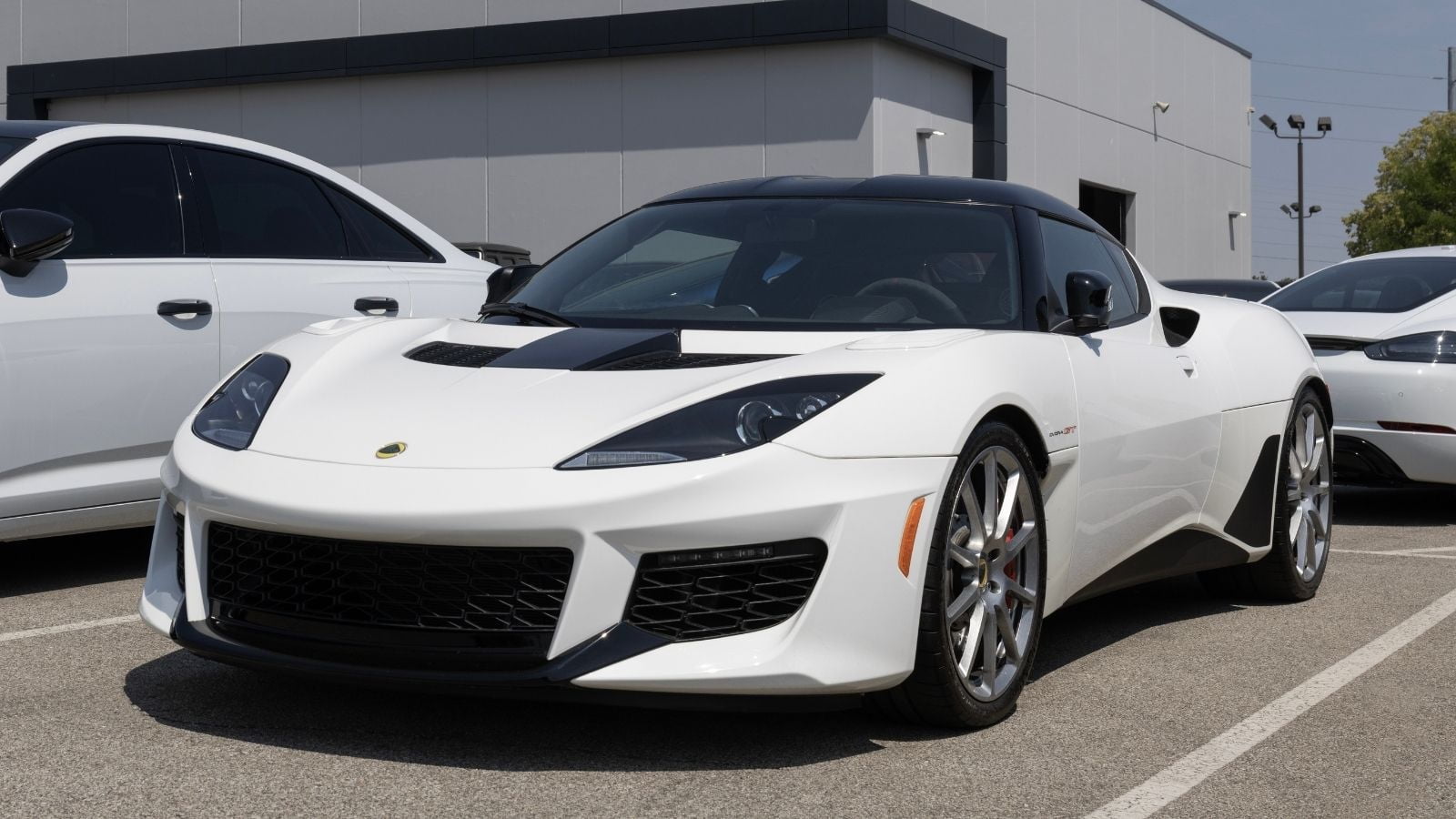
| Lotus Evora | Mid-Engine, RWD | Lightweight handling | Interior trim and electronics |
| Maserati GranTurismo | Front-Engine, RWD | Ferrari-derived V8 sound | Electrical system glitches |
The Audi R8 Advantage
The first-generation Audi R8 remains the gold standard for the "entry-level" supercar buyer. Because it shares significant engineering DNA with the Lamborghini Gallardo, it offers a mid-engine platform that is surprisingly reliable. In 2026, finding a clean V8 model with reasonable mileage is achievable under the $100k mark. Its strength lies in its usability; it lacks the temperament of Italian exotics while providing a high-revving, gated-shifter experience that is increasingly rare.
The Porsche 911 Paradox
While purists argue whether the 911 is a "supercar" or a "sports car," models like the 997.2 or early 991 Turbo possess performance figures that rival or exceed most exotics of their era. The benefit of the 911 is the depth of the aftermarket and the availability of specialized independent mechanics. Unlike an Aston Martin or a Ferrari, you can often find parts through standard channels, and there is a massive community dedicated to troubleshooting and maintenance.
Critical Due Diligence Before Acquisition
Never purchase a supercar without an authorized Pre-Purchase Inspection (PPI) conducted by a technician specializing in that specific brand. A standard mechanic at a general repair shop is insufficient; they lack the diagnostic equipment and the nuance to identify "supercar-specific" fatigue.
- Service History: A vehicle with a thick binder of receipts is always worth a premium over one with a "gap" in its service history. Verify that the previous owner followed the manufacturer’s intervals, not just the mileage intervals.
- Electronic Health: Modern exotics are governed by complex ECU networks. Ensure the car is scanned for "hidden" fault codes that may have been cleared by a battery disconnect.
- The "Cold Start" Test: Always observe the car being started after it has sat overnight. Supercar engines have specific tolerances that manifest as noise or smoke if the valve guides, rings, or timing chains are worn.
Managing Risks and Avoiding Common Pitfalls
The most common mistake is buying the cheapest example available on a public listing site. In the supercar world, the "cheapest" car is often the most expensive to own. Deferred maintenance is a silent killer of portfolios. If a car hasn't been driven in three years, rubber seals, fuel pumps, and cooling hoses will likely fail within the first few hundred miles of use.
Furthermore, consider the resale potential. While many buyers enter this market for the experience, the $100k segment can be volatile. Depreciation on high-mileage examples can be steep if the brand is not historically significant. Conversely, well-maintained, lower-production models (such as manual-transmission variants) often hold their value or appreciate, potentially offsetting some of your maintenance costs.
Frequently Asked Questions
Are supercars under $100k reliable enough for daily driving? Generally, no. While some models like the Audi R8 are more robust, most supercars are not designed for the wear and tear of daily commuting. Frequent use increases the rate of wear on exotic-grade parts, and the harsh suspension and low ground clearance make them impractical for average city roads.
What is the best way to find a quality exotic for this budget? Avoid generic listing sites for high-end purchases. Seek out marque-specific enthusiast forums and auction platforms that specialize in high-quality, verified vehicles. The vetting process on these platforms is often superior, and sellers are usually more transparent about service history.
Do I need a specialized mechanic for these cars? Yes. You require a technician who understands the specific torque specs, fluid requirements, and diagnostic protocols for the brand. Attempting to service these cars at a general-purpose garage often leads to botched repairs that devalue the car and compromise safety.
How much should I set aside for annual maintenance? A safe rule of thumb is to set aside 10% to 15% of the vehicle’s purchase price annually. This fund covers the "known unknowns"—the unexpected repairs that occur even on well-maintained cars.
Does insurance differ for a $100k supercar? Yes. You must look for "Collector" or "Agreed Value" policies. Unlike standard insurance, which pays "actual cash value" (which depreciates), these policies pay the value you and the insurer agreed upon at the start, ensuring you don't lose money in the event of a total loss.
Final Recommendation
If you are determined to enter the supercar market with a $100,000 budget, prioritize the Audi R8 or a 911 Turbo (997.2 generation). These vehicles offer the best balance of emotional reward, performance, and manageable (though not inexpensive) maintenance. Start your journey by joining a brand-specific club or forum. Engage with owners who have lived with these cars for years; their firsthand knowledge of specific engine codes and common mechanical failures is more valuable than any sales brochure. Before signing a contract, ensure you have a dedicated emergency fund and a relationship established with a trusted, marque-specialist mechanic.