Replacing a lost, stolen, or damaged Aetna medical ID card is typically free of charge for all plan members in 2026. Whether you request a physical card through the mail or access a digital version via the Aetna Health mobile app, there are no administrative fees or shipping costs associated with the replacement. Physical cards generally arrive within 7 to 14 business days, while digital copies are available immediately for use at doctor visits or pharmacies.
Understanding the Cost Structure of Aetna ID Cards
As we move through 2026, the administrative approach to member services remains focused on digital integration and accessibility. For Aetna members, the question of replacement cost is straightforward: there is almost never a fee. This applies to individual health plans, employer-sponsored insurance, and Aetna Medicare Advantage plans.
Insurance providers, including Aetna (a CVS Health company), prioritize ensuring members have their ID cards because it facilitates accurate billing and claims processing. When a patient presents a current, valid ID card at a provider's office, it reduces the likelihood of "claim rejections" due to incorrect member numbers or group IDs. Consequently, providing these cards at no cost is a strategic benefit for the insurer, as it lowers long-term administrative overhead caused by billing errors.
While the financial cost is zero, there is a "logistical cost" in terms of time. Waiting for a physical card in the mail can take up to two weeks. However, the push toward digital-first healthcare means that the "cost" of being without a card has been mitigated by instant digital alternatives that carry the same legal weight as the plastic version.
How to Request a Replacement Aetna Medical Card
Aetna provides multiple channels for members to secure a new ID card. Depending on your preference for digital or physical media, you can choose the method that best fits your timeline.
Using the Aetna Health Mobile App
The most efficient way to replace a card in 2026 is through the Aetna Health app. Since the app undergoes regular updates to improve user interface and security, the process is streamlined to just a few taps.
- Log in using your biometric data (Face ID or fingerprint) or your username and password.
- Navigate to the "ID Card" section, usually found prominently on the home dashboard or under the "Plan" menu.
- Select "View Card" to see a digital version.
- To order a physical replacement, look for the "Manage Cards" or "Order Physical Card" link.
- Confirm your current mailing address to ensure the card is sent to the correct location.
The digital card found in the app is not just a static image; it is an interactive document that can be shared directly with a provider’s office via secure email or integrated into your smartphone’s digital wallet (Apple Wallet or Google Wallet).
Accessing the Aetna Member Website
For those who prefer a desktop experience, the Aetna member portal—formerly known as Aetna Navigator—remains a robust resource.
- Login: Access your account at the official Aetna website. If you have forgotten your credentials, you will need your Social Security number or your Member ID (if you have it written down elsewhere) to reset your access.
- Requesting the Card: Once logged in, the "ID Card" tab allows you to view, print, or order.
- Printing: If you need a card immediately for an appointment later today, the "Print My ID Card" feature generates a high-resolution PDF that serves as a valid temporary document.
Calling Customer Service
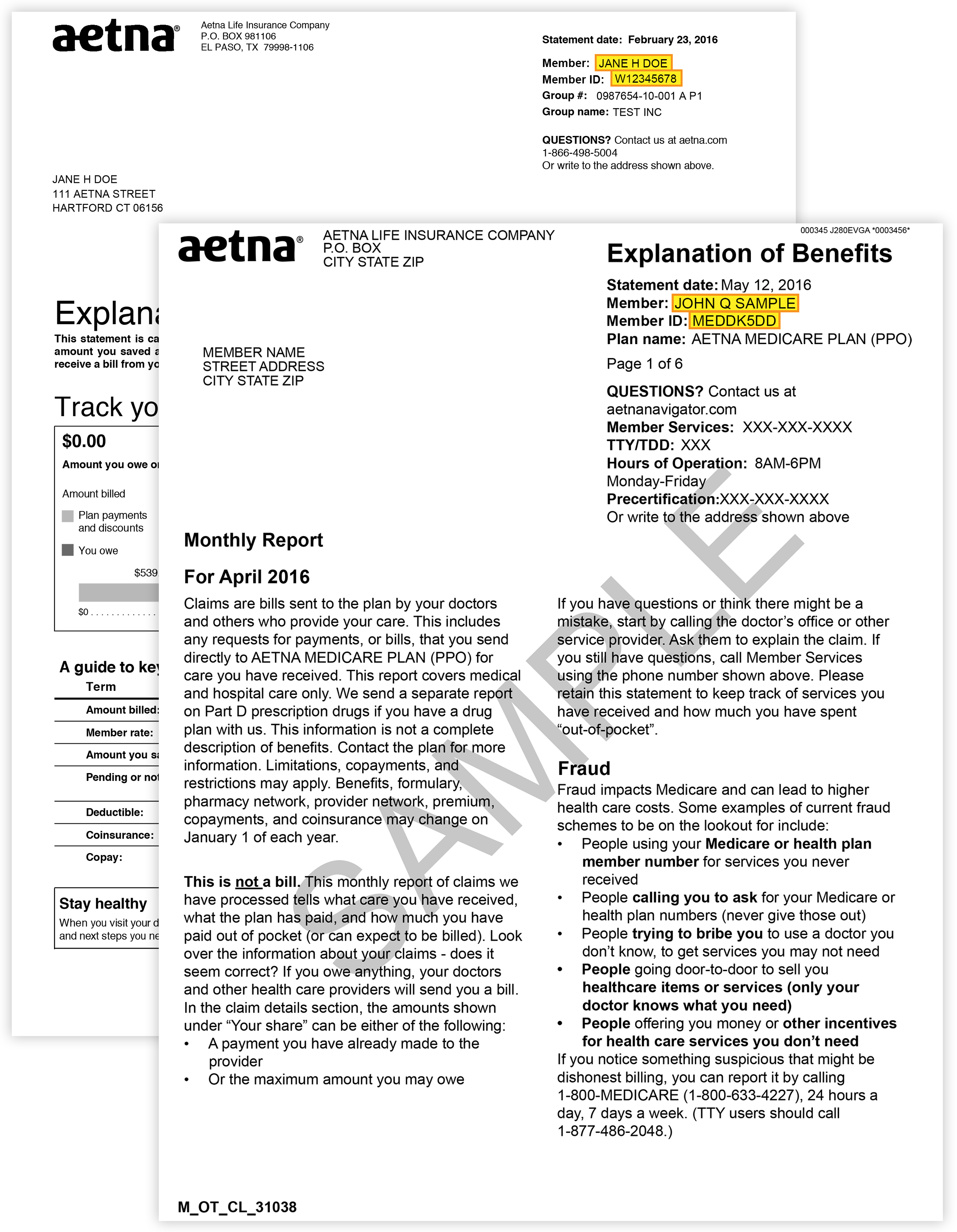
If you do not have internet access or find the digital tools difficult to navigate, you can request a replacement via telephone. The member services number is typically listed on your previous Explanation of Benefits (EOB) statements or on Aetna’s general contact page.
When calling, be prepared to verify your identity. The representative will ask for your full name, date of birth, and likely the last four digits of your Social Security number. Once verified, they will initiate a mail order for a new card. Note that requesting a card via a live representative does not incur a fee, though wait times for phone support can vary during peak enrollment periods.
Timeline and Delivery Expectations
Once a physical replacement card is ordered, it enters a processing queue. In 2026, automated printing and mailing facilities have shortened the turnaround time, but standard postal delivery still applies.
| Method of Request | Estimated Processing Time | Delivery Method | Cost |
|---|---|---|---|
| Aetna Health App | Instant | Digital / Smartphone Wallet | $0 |
| Member Website | Instant | Print-at-home PDF | $0 |
| Mail Order (Web/App) | 1–3 Business Days | USPS First Class Mail | $0 |
| Mail Order (Phone) | 2–4 Business Days | USPS First Class Mail | $0 |
| Total Wait (Physical) | 7–14 Business Days | Physical Mailbox | $0 |
If your card has not arrived within 15 business days, it is advisable to contact Aetna to ensure it wasn't intercepted or lost in the mail. In cases of suspected mail theft, Aetna may issue a new Member ID number to protect your account security, though this is rare.
Digital Integration in 2026: The New Standard
By 2026, the healthcare industry has largely shifted away from a reliance on physical plastic cards. Aetna has been at the forefront of this transition. Most modern medical providers—from large hospital systems like the Mayo Clinic to small local clinics—now use digital scanning technology.
When you use the digital card on your phone, the provider’s office can scan a QR code or an NFC chip reader to instantly upload your insurance information into their Electronic Health Record (EHR) system. This reduces manual entry errors and ensures that your co-pay and deductible information is updated in real-time.
Furthermore, if you are an Aetna member through an employer that uses a "Digital First" plan, you might not automatically receive a plastic card in the mail unless you specifically request one. These plans are designed to reduce plastic waste and administrative costs, passing those savings onto the employer and, theoretically, the member.
Managing Cards for Dependents and Family Members
If you are the primary policyholder on a family plan, you are responsible for managing the ID cards for your spouse and children. Aetna typically issues individual cards for each person covered under the plan, though some older group plans may still use a single card with the primary's name and a list of dependents.
- Replacing a Dependent’s Card: You can log into your account and select the specific family member who needs a new card.
- Individual Accounts: Children over 18 (and up to age 26) who are still on your plan may have their own separate login for the Aetna app, allowing them to carry their own digital card on their personal devices.
- Cost for Multiple Cards: Even if you need to replace cards for four different family members simultaneously, the cost remains $0.
What to Do While Waiting for Your Replacement Card
If you have a medical appointment scheduled before your new physical card arrives, do not panic. You have several "gap" options to ensure you can still receive care and that your insurance is properly billed.
- The Digital Wallet: As mentioned, the Aetna Health app provides an instant version. This is the gold standard for immediate proof of coverage.
- The Temporary Printout: A PDF printed from the member portal is legally identical to the plastic card for billing purposes.
- The Provider "Lookup" Service: Most doctor's offices can verify your coverage using your Social Security number and your date of birth through an online portal called Availity or a similar clearinghouse.
- The Pharmacy Workaround: If you are at a CVS or other pharmacy and realize you don't have your card, the pharmacist can often "ping" the Aetna/CVS Caremark system using your basic demographic information to find your RxBin and PCN numbers.
Security and Identity Theft Concerns
A medical ID card contains sensitive information, including your full name, member ID number, and sometimes clues about your employer or plan type. While it does not usually contain your Social Security number (a practice phased out years ago for security), a lost card still poses a risk of medical identity theft.
If your card was stolen along with your wallet, you should report it to Aetna immediately. While they may not charge you for a replacement, they may need to flag your account for "potential fraud." This ensures that if someone else attempts to use your ID to obtain services or prescriptions, the system triggers a manual review.
In 2026, Aetna’s fraud detection algorithms are highly sensitive. If a claim is filed in a geographic location far from your home address or for a service that doesn't align with your medical history, you may receive an automated alert via the app asking you to verify the visit.
Common Mistakes to Avoid
When requesting a replacement, many members encounter unnecessary delays due to simple errors. Avoid these common pitfalls:
- Outdated Mailing Address: Before hitting the "order" button, double-check your profile settings. If you recently moved, your new card might be sent to your old address, where it could be misused.
- Ordering Too Many: While replacements are free, ordering multiple cards within a short timeframe (e.g., three requests in one week) may trigger an automated fraud hold on your account, requiring a phone call to resolve.
- Confusing Medical and Dental Cards: Aetna often provides dental and vision coverage, but these may require different ID cards or be managed through different portals (like Aetna Dental or EyeMed). Ensure you are requesting the "Medical" ID if that is what you lost.
Frequently Asked Questions
Can I get a replacement Aetna card at a local CVS Pharmacy?
No. While Aetna is owned by CVS Health, retail pharmacy locations do not have the facilities to print or issue permanent medical ID cards. They can, however, help you look up your insurance information to process a prescription if you are currently at the pharmacy counter. For a permanent card, you must use the official app, website, or phone line.
Does my Member ID number change when I get a replacement card?
In most cases, no. A standard replacement for a lost or damaged card will retain your original Member ID and Group Number. The only time your ID number changes is if you report the card as stolen and Aetna determines there is a high risk of identity theft, or if you change your insurance plan during the Open Enrollment period.
Is there a limit to how many replacement cards I can order per year?
Aetna does not publicly state a hard limit on replacements. However, because each physical card costs the company money to print and ship, excessive requests may be flagged for review by member services. If you find yourself losing your card frequently, Aetna strongly encourages using the digital card via the Aetna Health app.
My card has a "CVS Caremark" logo on it. Is that my medical card?
Yes, often it is. Because Aetna is a CVS Health company, many medical ID cards also serve as your pharmacy benefit card. The "CVS Caremark" logo signifies that your prescription drug coverage is integrated into your medical plan. Replacing this card follows the same $0 cost procedure through the Aetna portal.
What should I do if I find my old card after the new one arrives?
Once you receive your new card, you should destroy the old one. If the new card has a different "issue date" or "sequence number" (sometimes found in small print), the old one may no longer be recognized by some automated systems. Shredding the old card is the best way to prevent confusion and protect your medical information.
Practical Recommendation
If you are currently without your Aetna ID card, your first action should be to download the Aetna Health mobile app. In the landscape of 2026 healthcare, a digital card is more secure, impossible to lose physically, and accepted by virtually all providers. After securing the digital version for immediate peace of mind, log into the Aetna member website to verify your mailing address and order a physical card to keep as a backup in your vehicle or home safe. This dual-layer approach ensures you are never without proof of coverage, regardless of technology failures or mail delays.