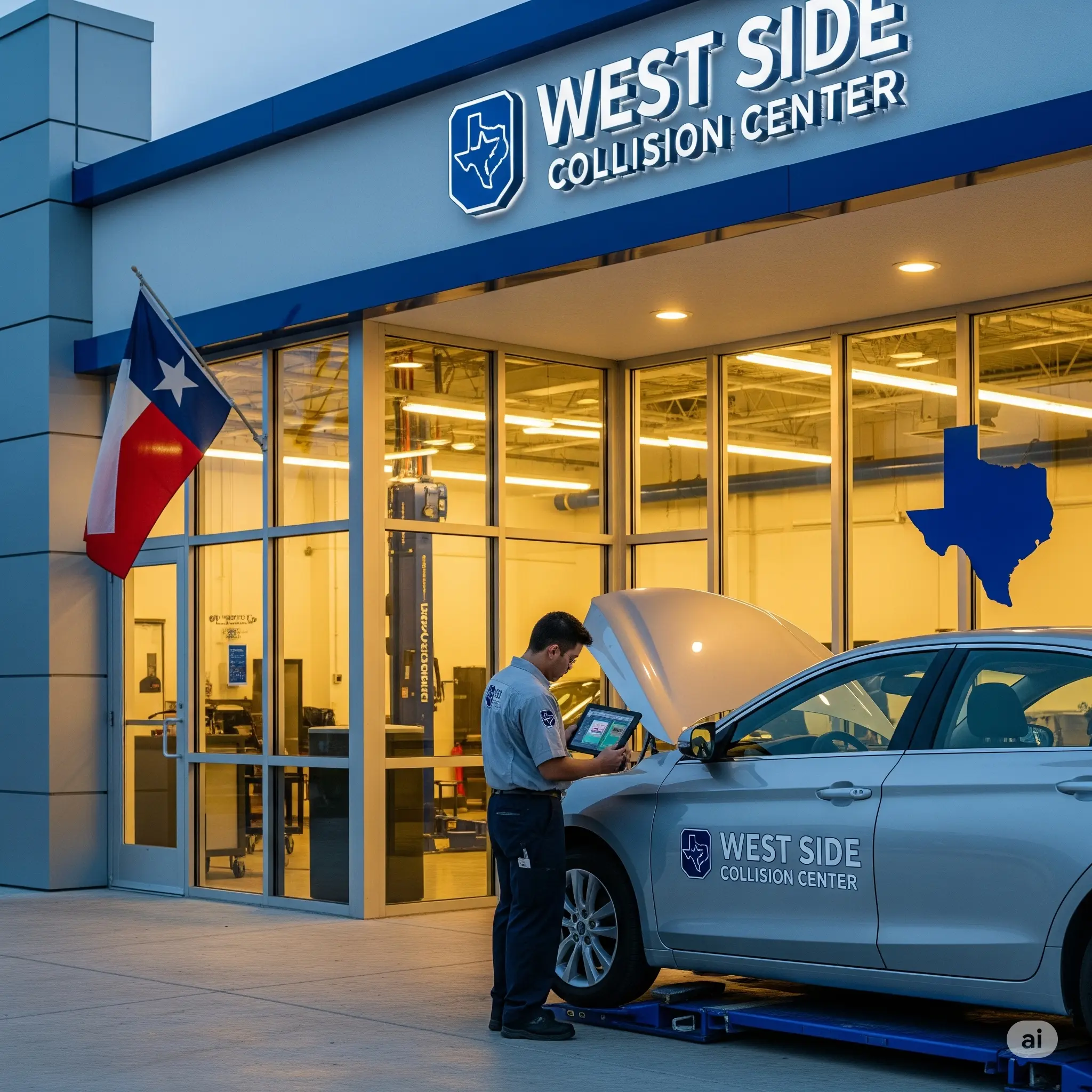
When vehicular damage occurs in the northern suburbs of Chicago, navigating the landscape of collision repair, frame alignment, and cosmetic restoration requires a clear understanding of what advanced auto body shops in Skokie provide. From computer-assisted measuring systems and OEM-certified repair procedures to advanced driver assistance system (ADAS) calibrations, modern facilities operate far differently than traditional mechanical garages, ensuring structural integrity and vehicle safety are fully restored.
The Evolution of Collision Repair in Skokie
The automotive repair landscape has undergone a radical transformation over the past decade. Decades ago, fixing an automobile involved heavy reliance on hammers, dollies, and conventional welding techniques aimed primarily at making a vehicle look straight to the naked eye. Today, the integration of high-strength steels, aluminum alloys, carbon fiber composites, and complex electronic architecture has turned auto body repair into a precision science.
In Skokie, collision repair centers that position themselves as advanced facilities must adapt to these stringent material and engineering specifications. Original Equipment Manufacturer (OEM) guidelines dictate that structural components cannot simply be straightened arbitrarily; they must be replaced or repaired according to exact factory tolerances. If a vehicle's unibody or full-frame structure is compromised, microscopic deviations can impair how crush zones absorb impact during a subsequent collision.
Furthermore, the proliferation of electronic sensors, radar modules, and digital cameras embedded in modern bumpers, windshields, and side mirrors means that a simple bumper replacement is no longer purely mechanical. Technicians must understand electronic diagnostics, scanning protocols, and sensor recalibration. Shops operating at an advanced level in Skokie invest heavily in continuous technician training, specialized diagnostic hardware, and dedicated clean rooms or alignment bays to meet these multi-faceted demands.
Core Services Offered by Advanced Auto Body Facilities
To evaluate what sets an advanced auto body shop apart, it is helpful to break down the core competencies required to service contemporary passenger cars, trucks, and luxury vehicles. Standard cosmetic paint touch-ups are only a small fraction of the operational scope.
Structural and Frame Alignment
When a vehicle sustains heavy impact, the frame or unibody absorbs the kinetic energy. Advanced shops utilize computerized measuring systems—often laser- or sonar-guided—to map the vehicle’s chassis against factory-published three-dimensional specifications down to the millimeter.
- Squeeze Type Resistance Spot Welding (STRSW): Replicates factory welds without overheating or weakening surrounding metal.
- MIG and Aluminum Welding: Certified welders utilize specialized shielding gases and power sources to join exotic metals safely.
- Hydraulic Pulling Towers: Apply controlled, multi-vector tension to pull warped structural rails back into exact alignment.
Precision Paint and Refinishing
Achieving a factory-grade finish involves more than applying a coat of paint. Advanced facilities operate EPA-compliant downdraft spray booths that bake and cure coatings under controlled temperatures and humidity levels. Computerized color-matching spectrophotometers scan the vehicle’s existing paint—accounting for age, fading, and metallic flake orientation—to formulate a precise digital color match.
ADAS Diagnostics and Calibration
Modern safety features such as lane keep assist, blind-spot monitoring, adaptive cruise control, and automatic emergency braking rely on precise sensor orientation. Following structural repairs, windshield replacements, or bumper removals, these systems must be calibrated. Advanced shops perform both static calibrations (using precise target boards in a controlled indoor environment) and dynamic calibrations (requiring a road test with specialized OBD-II diagnostic scanners).
| Service Category | Traditional Method | Advanced Method | Safety & Performance Impact |
|---|---|---|---|
| Frame Repair | Visual inspection and manual hydraulic pulling | Computerized 3D laser measuring and OEM data specs | Restores original factory crash-test performance and handling. |
| Panel Joining | Standard plug welding and general structural adhesives | STRSW, rivet-bonding, and exact OEM-specified fasteners | Prevents galvanic corrosion and structural joint failure. |
| Paint Matching | Visual card swatches under shop lighting | Spectrophotometer digital scanning and downdraft curing booths | Eliminates visible color variance and prevents clear-coat peeling. |
| Sensor Work | Disconnect and reinstall without testing | Pre- and post-repair diagnostic scans with ADAS calibration | Ensures automated safety features react correctly in emergencies. |
The Repair Lifecycle: From Estimate to Delivery
Understanding the step-by-step workflow of an advanced auto body facility in Skokie helps vehicle owners manage expectations regarding timelines, insurance coordination, and repair quality.
1. Comprehensive Tear-Down and Initial Assessment
Surface damage often conceals deeper mechanical and structural issues. An advanced shop initiates the process with a thorough disassembly of damaged panels, trims, and brackets. This allows estimators to identify hidden structural compromises before drafting the initial repair plan. Modern shops utilize digital estimating software that integrates directly with major insurance carriers, streamlining the approval process.
2. Insurance Negotiation and Supplement Management
Vehicle owners frequently deal with insurance adjusters during claims processing. Advanced facilities act as technical advocates, submitting photographic evidence, OEM repair procedures, and diagnostic scan reports to justify necessary operations that an initial insurer estimate might have missed. This ensures that safety-critical repairs are fully covered and executed.
3. Structural Reconstruction and Mechanical Operations
Once parts arrive and approvals are secured, structural work begins. Technicians replace damaged frame sections, execute precision welds, and address any mechanical, suspension, or exhaust damage caused by the impact. If electrical harnesses or air bag modules require replacement, certified technicians install and program them according to manufacturer protocols.
4. Refinishing and Quality Control
The vehicle moves to the paint department, where surfaces are prepped, primed, sealed, and painted. Following the baking process, reassembly takes place, followed by mandatory ADAS calibrations and comprehensive road testing. A rigorous final quality control inspection verifies that panel gaps, paint texture, electronic systems, and mechanical alignments match factory standards.
Choosing the Right Facility in Skokie
Selecting an auto body shop involves looking beyond glossy advertisements and customer review counts. Vehicle owners should verify objective credentials that demonstrate technical competence.
- OEM Certifications: Look for official recognition from major manufacturers (such as Ford, Honda, General Motors, Tesla, or luxury brands like BMW and Mercedes-Benz). These certifications require specialized equipment and continuous staff education.
- I-CAR Gold Class Designation: The Inter-Industry Conference on Auto Collision Repair (I-CAR) provides industry-standard training benchmarks. A Gold Class shop ensures its technicians stay up to date on evolving vehicle architectures.
- Warranty Support: Reputable facilities stand behind their craftsmanship by offering a written lifetime warranty on repairs and paint for as long as the customer owns the vehicle.
- Transparent Communication: Advanced shops provide regular digital updates (via text, email, or customer portals) detailing repair milestones and unexpected supplement discoveries.
Frequently Asked Questions
What should I do immediately after a collision in Skokie?
Ensure all occupants are safe and move to a secure location away from traffic if possible. Contact local law enforcement to file an official police report, exchange insurance and contact information with other involved parties, and document the scene with photographs. Once safety is established, contact your insurance provider and arrange to have your vehicle towed to a certified auto body facility.
Do I have to use the repair shop recommended by my insurance company?
In Illinois, vehicle owners have the legal right to choose any auto body repair facility of their preference. While insurance companies may recommend "direct repair program" (DRP) shops, you are not obligated to use them. Selecting an advanced, certified independent shop ensures that repairs follow strict manufacturer guidelines rather than insurance cost-cutting measures.
How long does an advanced auto body repair typically take?
Repair duration varies widely depending on the extent of the damage, parts availability, and insurance approval timelines. Minor cosmetic touch-ups may take a few days, while major structural repairs involving frame realignment, mechanical overhauls, and complex ADAS calibrations can take anywhere from two to four weeks. Your shop should provide a realistic timeline following the initial tear-down phase.
Will aftermarket parts affect the safety of my vehicle?
Many insurance policies attempt to specify aftermarket or recycled parts to lower repair costs. However, advanced shops often advocate for OEM (Original Equipment Manufacturer) parts, especially for structural components, crash-absorption zones, and parts housing electronic sensors. Aftermarket body panels may not fit with exact factory tolerances, which can interfere with aerodynamic performance and sensor alignment.
Why are post-repair diagnostic scans necessary?
Modern vehicles operate extensive computer networks that monitor everything from engine performance to airbag deployment readiness and active safety systems. Disconnecting a battery, removing a bumper, or unplugging a door panel can trigger fault codes or corrupt sensor calibration data. Post-repair scans verify that all electronic modules communicate correctly and that no hidden safety faults remain active.
Next Actions for Vehicle Owners
If your vehicle requires collision repair or structural restoration in the Skokie area, begin by gathering your insurance claim details and documenting the physical damage. Contact an I-CAR Gold Class or OEM-certified facility to schedule a comprehensive physical or digital assessment. Prioritize shops that demonstrate absolute transparency regarding repair procedures, utilize computerized measuring equipment, and provide written guarantees on structural and paint workmanship to ensure your vehicle is returned to its pre-loss safety and aesthetic standard.